

Small, stubborn, and surprisingly common—here’s how to calm the discomfort at home while you treat the infection properly.
Few things are as unsettling as realizing you—or your child—has picked up pinworms. These thread-thin, whitish worms settle into the intestine and rectum, and they’re famous for one thing: relentless nighttime itching. The good news is that pinworm infections are very treatable, and while medication does the heavy lifting, a handful of gentle home practices can help soothe symptoms and lower the odds of reinfection.
Below, we’ll walk through what pinworms are, why they’re so easy to catch, and the natural remedies people commonly turn to. A quick but important note: most of these home approaches are rooted in tradition and anecdote rather than solid clinical proof against pinworms specifically. Think of them as supportive companions to proper medical care—not replacements for it.
Key Takeaways
– Pinworms are tiny, highly contagious worms that cause intense anal itching, disturbed sleep, and sometimes mild abdominal upset.
– Garlic, coconut oil, and apple cider vinegar are popular folk remedies, though evidence for their effect on pinworms is limited.
– Rigorous hygiene—hot-water laundry, handwashing, and short fingernails—is the single most effective home strategy.
– Prescription or over-the-counter deworming medication remains the reliable cure; home remedies are complementary.
– Left untreated, pinworms can linger for weeks and, in some cases, contribute to weight loss or urinary infections.
What Are Pinworms?
Pinworms, known medically as Enterobius vermicularis, are small white parasites that live in the colon and rectum. The infection they cause—enterobiasis—is a common intestinal worm infection. It spreads when the microscopic eggs are swallowed, after which they hatch and mature inside the gut.
Children are especially prone. In one large study of nearly 4,000 patients in Berlin, pinworms turned up most often in kids aged four to ten and the relatives who lived alongside them, with detection somewhat higher in boys than girls. Adults are far from immune, though—anyone in a shared household can catch them.
What Causes a Pinworm Infection?
Pinworm infections start with the accidental swallowing—or occasionally inhaling—of the eggs, which are far too small to see. Eggs travel on contaminated hands, food, drinks, utensils, clothing, and bedding.
Once inside the body, they hatch and grow into adult worms within a few weeks. At night, the females migrate to the skin around the anus to lay a fresh batch of eggs, which become infective within hours. That nighttime egg-laying is exactly why itching is worst after dark—and why the cycle repeats itself unless the whole household is treated and cleaned thoroughly.
Signs and Symptoms
Pinworms announce themselves in fairly recognizable ways:
Frequent itching or irritation around the anus, especially at night
Restless, interrupted sleep from that irritation
Visible thread-like worms in stool
Occasional nausea or mild abdominal pain
Irritability and fatigue from poor sleep
If you notice these signs in yourself or a family member, it’s worth confirming the diagnosis with a doctor rather than guessing.
Natural Home Remedies for Pinworms
The remedies below are gentle, low-cost, and easy to try alongside medical treatment. Before using any topical or oral ingredient, make sure you’re not sensitive or allergic to it.
Garlic
 Save
SaveGarlic is the classic anti-parasitic kitchen staple, prized for its antibacterial and antifungal compounds—and traditionally credited with worm-fighting (“oxyuricide”) effects. You can chew a clove or two daily or fold minced garlic into your cooking. Some people also mix minced garlic with a little petroleum jelly and dab it around the affected area at bedtime. Evidence in humans is thin, so treat this as supportive.
Coconut Oil
 Save
SaveWith antioxidant, antibacterial, and antifungal qualities, coconut oil is a favorite for both internal and external use. A common approach is swallowing a teaspoon each morning and applying a thin layer to the irritated skin at night to ease itching.
Apple Cider Vinegar
Apple cider vinegar contains roughly 5% acetic acid, which slightly lowers the body’s pH and is thought to create a less welcoming environment for the worms. Its antimicrobial reputation is real, though its direct effect on pinworms hasn’t been studied. Stir two teaspoons into a glass of water, sweeten with honey if you like, and sip twice a day.
Hot Water and Hygiene
This is where home effort truly pays off. Because pinworm eggs cling to fabric, the CDC recommends washing clothes, sheets, and towels in hot water (around 130°F) to kill them. Soak potentially contaminated fabrics for at least 30 minutes before laundering, wash your hands with soap and warm water after any contact, and clean bathrooms daily. Take care with hot water to avoid scalds.
Essential Oils
Tea tree oil offers antibacterial, antifungal, and antiparasitic properties. Because it can sting sensitive skin, dilute one or two drops in a teaspoon of coconut oil before applying to the affected area at night. There’s no direct research on tea tree oil against pinworms, so patch-test first.
Pumpkin Seeds and Other Folk Options
 Save
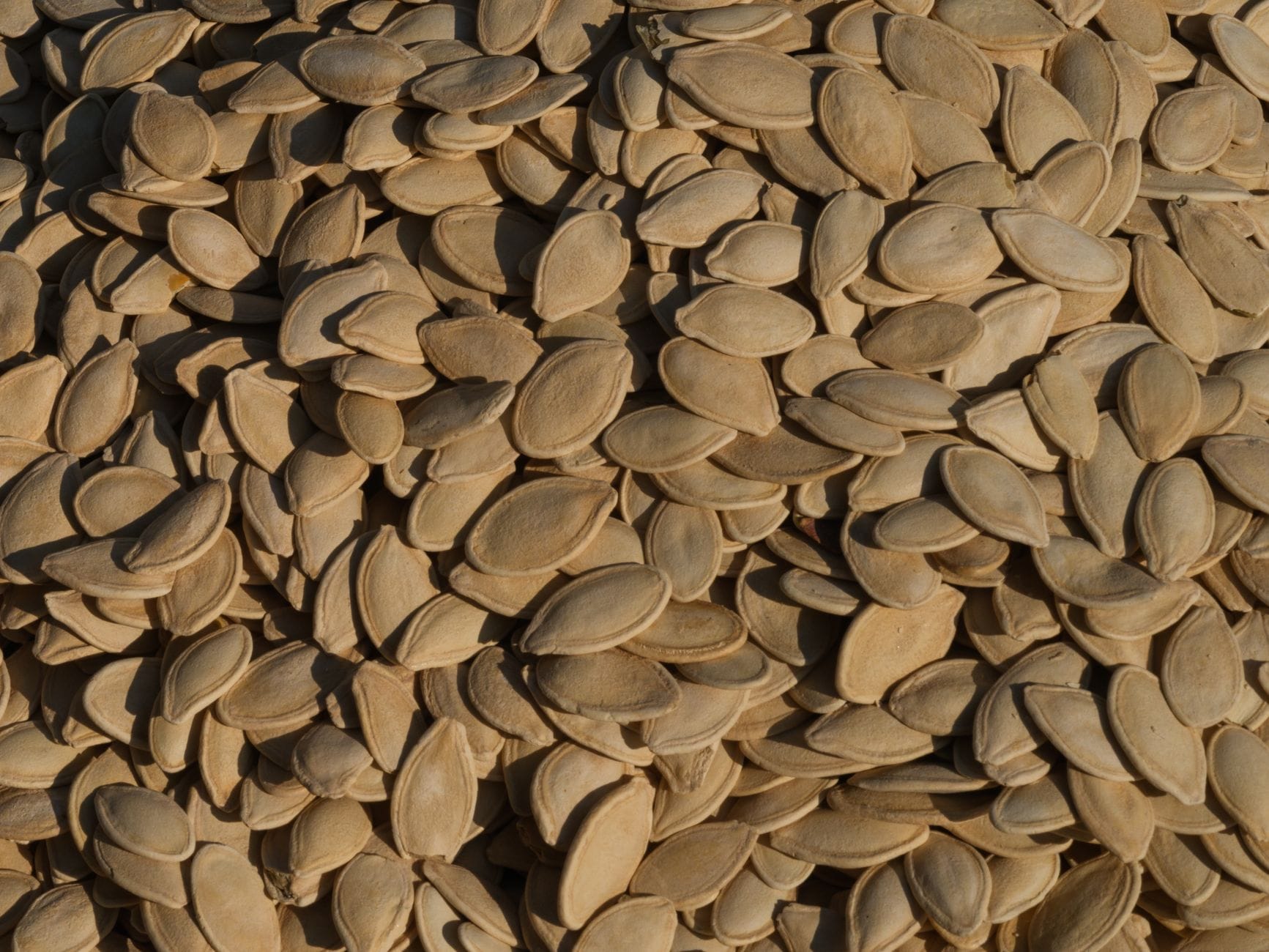
SavePumpkin seeds, wormwood tea, papaya seeds, carrot juice, and onions all appear in traditional worm remedies. They’re generally harmless in food-sized amounts and can be worked into your diet, but again, none are proven cures—use them as complements, not substitutes.
Home Remedies vs. Medical Treatment
Here’s the honest bottom line on the science: home remedies rest largely on tradition and lab-dish antimicrobial data, not on trials showing they clear pinworms in people. Conventional deworming medication, by contrast, is fast and reliable and is the treatment that actually clears the infection. The smartest plan pairs the two—medication to eliminate the infection, hygiene and gentle remedies to manage symptoms and prevent a comeback.
How to Prevent Pinworms
 Save
SavePrevention is really about breaking the egg cycle:
Wash hands thoroughly before eating and after using the bathroom.
Keep fingernails short and discourage nail-biting or scratching.
Shower in the morning to remove eggs laid overnight.
Change and hot-wash underwear, pajamas, and bedding daily during treatment.
Clean high-touch surfaces and treat everyone in the household at once.
Frequently Asked Questions
Can you get rid of pinworms overnight?
Not entirely. Home remedies may soothe itching quickly, but fully clearing an infection takes proper medication alongside consistent hygiene.
Are pinworms dangerous?
They’re rarely serious, but untreated infections can drag on and occasionally contribute to disrupted sleep, weight loss, or urinary tract infections—so it’s best to treat them promptly.
How do pinworms spread so easily?
The eggs are microscopic and sticky, traveling on hands, bedding, and surfaces. A single scratch can transfer them, which is why whole households are usually treated together.
The Bottom Line
Pinworms are common, contagious, and thankfully very manageable. Natural remedies like garlic, coconut oil, and apple cider vinegar—paired with diligent hot-water laundry and handwashing—can ease the maddening itch and help stop reinfection. Still, the dependable cure is medical deworming treatment, so loop in a doctor at the first sign of infection and let the home measures play their supporting role.
This article is for informational purposes only and is not a substitute for professional medical advice, diagnosis, or treatment. Always consult a qualified healthcare provider before starting any remedy, especially for children or if symptoms persist.