
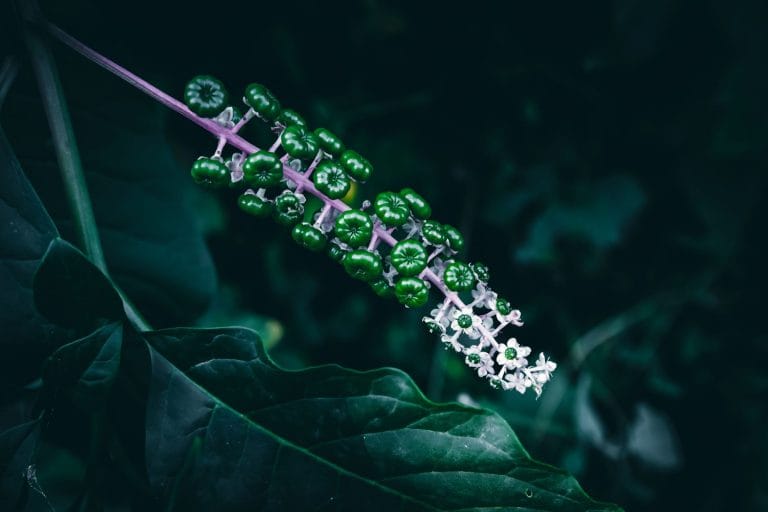
This pea-sized nightshade is either a beloved delicacy or a stubborn weed — but its nutrition is hard to argue with.
Depending on where you live, turkey berry is either a prized cooking ingredient or an invasive shrub taking over the pasture. This small, green tropical fruit — known botanically as Solanum torvum — has been simmered into curries and brewed into folk remedies for centuries, and modern research is beginning to explain why.
Packed with vitamin C, vitamin A, iron, and a range of antioxidant plant compounds, turkey berry has been studied for its potential to support healthy blood sugar, blood pressure, and red blood cell production. Here’s what the science actually says, plus how to cook with it and when to be cautious.
Key Takeaways
– Turkey berry (Solanum torvum) is a bitter, pea-sized fruit in the nightshade family, used widely in Thai, Indian, and Jamaican cooking.
– Its phenolic compounds may help support insulin secretion and healthy blood sugar, based on animal research.
– The berry is rich in iron and vitamin C, and traditional use plus early studies suggest it may help with anemia.
– Lab studies show antibacterial and antiviral activity, including against herpes simplex virus type 1.
– Eating too much may cause nausea and dizziness, and safety in pregnancy hasn’t been established.
What Exactly Is Turkey Berry?
Turkey berry is a flowering, bristly shrub that produces clusters of small green berries about the size of peas. It goes by many names — wild tomato, devil’s fig, prickly Solanum, wild eggplant — and belongs to the same nightshade family as tomatoes and eggplant.
The plant is native to southern Mexico, Central and South America, and the Caribbean, but it now grows in tropical regions around the world. In some places it’s considered a noxious weed that crowds out native plants; in others, it’s a kitchen staple.
Nearly the entire plant is edible after a good rinse, though the flavor is distinctly bitter. You’ll find the berries in soups, sauces, pastes, and curries across Thai, Lao, Indian, and Jamaican cuisines, and the plant has a long history in traditional medicine (1).
Turkey Berry Nutrition at a Glance
 Save
SaveAnalysis of turkey berries grown in Ghana shows the fruit delivers a solid nutritional package (2). Highlights include:
Vitamin C — supports immunity and helps the body build hemoglobin
Vitamin A and carotenoids — plant pigments with antioxidant activity
Iron and B vitamins — key nutrients for healthy red blood cells
Fiber — supports digestion
Phenolic compounds — including rutin, gallic acid, caffeic acid, and catechin
7 Potential Health Benefits of Turkey Berry
1. May Support Healthy Blood Sugar
 Save
SaveTurkey berry’s phenolic compounds appear to influence how the body handles sugar. In a study of diabetic rats, these compounds boosted insulin secretion, reduced oxidative stress, and affected enzymes involved in sugar metabolism. They also showed cytoprotective effects, meaning they helped shield cells from damage (3).
2. May Help Lower Blood Pressure
African and Asian folk traditions have long used turkey berry preparations for arterial hypertension, among many other complaints — and research supports some of these therapeutic uses (4). In animal studies, an ethanolic extract of the berry helped prevent the blood pressure rise triggered by a fructose-rich diet and reversed related metabolic changes (5).
3. May Fight Bacterial and Viral Infections
Lab research found S. torvum effective against common infection-causing bacteria, including E. coli, Staphylococcus aureus, Salmonella species, and Pseudomonas aeruginosa (6). The berry also contains compounds — torvanol A, torvoside H, and torvoside A — that showed antiviral activity against herpes simplex virus type 1 (7).
4. May Protect Against Heavy Metal Toxicity
By boosting antioxidant enzyme activity, turkey berries may help defend the body against heavy metals. In one study, they protected the liver and kidneys of animals exposed to cadmium, leading researchers to suggest the fruit could serve as a functional food against heavy metal–induced oxidative stress (8).
5. May Help Treat Anemia
 Save
SaveTurkey berry supplies iron salts, B vitamins, and vitamin C — a combination well suited to supporting hemoglobin production. In Ghana, new mothers traditionally eat a turkey berry–rich diet after childbirth to rebuild strength, and in one study, adding the berries to the diet increased red blood cell and hemoglobin levels (9).
6. May Calm Inflammation
Neutrophils, a type of white blood cell, can drive serious respiratory conditions such as asthma when they become overactive (10). Turkey berry’s steroidal glycosides show promise as an anti-inflammatory agent against this neutrophilic inflammation, though the research is still limited and more studies are needed (11).
7. May Buffer Chemotherapy Side Effects
Doxorubicin, a common anticancer drug, can cause oxidative damage to organs, including the testicles. In a rat study, pretreatment with Solanum torvum — rich in antioxidant flavonoids — protected against doxorubicin-induced testicular toxicity (12).
How to Eat Turkey Berry
 Save
SaveFresh turkey berries are pungent and bitter, so a little kitchen technique goes a long way:
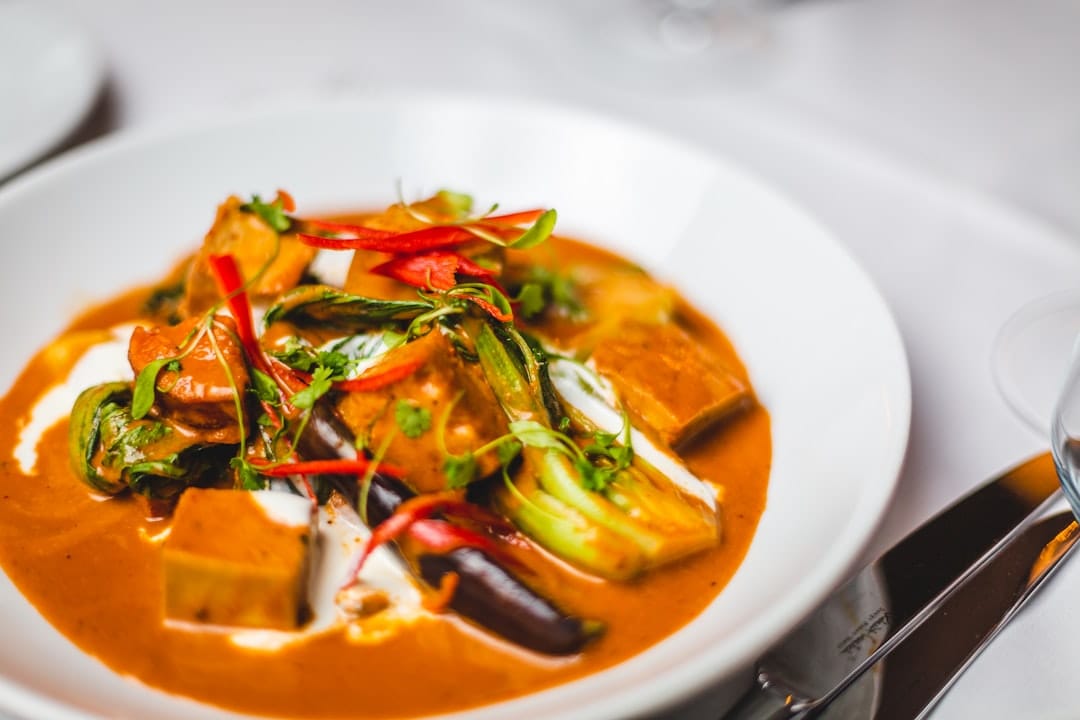
Sauté them first. Cooking the berries on low heat until they change color mellows the bitterness. Frying them in hot oil with fenugreek (methi) and mustard seeds works beautifully.
Add them to curries and soups. They’re a natural fit for Thai and South Indian dishes, pastes, and sauces.
Brew them as tea. Dried turkey berries are processed into teabags, making a fresh-tasting, iron-replenishing herbal tea.
Safety and Possible Side Effects
Turkey berry is generally considered safe when eaten in moderation. However, overdoing it may cause nausea and dizziness. There isn’t enough reliable evidence on its effects during pregnancy or breastfeeding, so it’s best for expecting and nursing mothers to check with a healthcare provider before adding it to their routine.
Frequently Asked Questions
What does turkey berry taste like?
The berries have a naturally pungent, bitter flavor. Sautéing them in oil with spices until they change color takes the sharp edge off.
Can turkey berry help with anemia?
It may. The fruit provides iron, B vitamins, and vitamin C, which supports hemoglobin production, and one study found that eating the berries increased red blood cell and hemoglobin levels.
Is turkey berry safe to eat every day?
It’s considered safe for most people in moderate amounts. Eating too much may trigger nausea or dizziness, and its safety during pregnancy and breastfeeding hasn’t been established.
The Bottom Line
Turkey berry may be small and bitter, but it earns its place in traditional kitchens and folk medicine cabinets alike. Early research links this nutrient-dense fruit to better blood sugar control, healthier blood pressure, stronger defenses against infection, and improved red blood cell counts. Most of the evidence so far comes from animal and lab studies, so think of turkey berry as a nutritious addition to a balanced diet rather than a cure — and enjoy it sautéed, simmered in curry, or steeped as tea.
This article is for informational purposes only and is not a substitute for professional medical advice, diagnosis, or treatment. Always consult a qualified healthcare provider before making changes to your diet or using any food for medicinal purposes.