

A practical look at the everyday foods that give growing bodies the raw materials they need.
Most of a child’s eventual height, around 80 percent, is written into their genes. If both parents are tall, the odds favor a tall kid. The rest is influenced by environment, with nutrition and lifestyle playing a part during the growing years.
No food adds inches on its own. What good nutrition can do is support the hormones that drive bone growth, so a child’s body has everything it needs to reach its full potential. Here is what the research actually supports.
Key Takeaways
– Genes set the ceiling for height; good nutrition helps a child reach it.
– Protein-rich foods such as eggs, dairy, and chicken support cell growth and bone development.
– Calcium and minerals from greens, whole grains, and nuts help bones mineralize properly.
– Excess sugar may lead to obesity and diabetes and work against healthy growth.
– Sleep, posture, and daily activity matter alongside diet.
How Are Diet and Height Connected?
Height is not something you can change after the fact, and a child’s stature mostly tracks their parents’. Still, studies on growing children show that environmental factors, nutrition among them, shape how fully that genetic blueprint gets expressed.
Children grow in spurts. The pace picks up slightly between ages 6 and 8, and roughly a quarter of adult height arrives during puberty. Two hormones do the heavy lifting: human growth hormone (HGH) and insulin-like growth factor-1 (IGF-1), which drive longitudinal bone growth and maintain bone mass.
Jesse Feder, a clinical dietitian at Memorial Regional Hospital, frames it plainly: kids grow best on a balanced diet rich in calcium, phosphorus, magnesium, and vitamin D. The foods below deliver those nutrients.
Foods That Support Healthy Growth
Eggs
 Save
SaveEggs offer high-quality protein along with riboflavin, biotin, and iron, and protein is the raw material for cell growth. In one study, malnourished children fed a high-protein diet gained more height over time than children on standard protein. A boiled egg or simple omelet at breakfast works well, though watch for allergy symptoms when first introducing them (a 3 to 7 day trial is a sensible check).
Milk and Dairy Products
Milk pairs calcium with protein, a combination that builds bone and strength together. Cheese, yogurt, curd, and cottage cheese carry the vitamins children need for bone mineralization. A daily glass is the easy route. If your child is lactose intolerant, ask a pediatrician about a suitable plant-based milk instead.
Chicken
Poultry brings protein plus B vitamins, including thiamin, B6, and pantothenic acid. Studies of young children from low-income households found that good-quality animal protein helped accelerate growth and development. Rotating chicken through the week keeps protein intake steady without boring anyone.
Soybeans, Pulses, and Beans
Soybeans are among the richest plant proteins and appear to support bone health, though researchers are still working out exactly how. Pulses and beans are strong protein sources too, but they run short on certain amino acids. Pairing them with cereals, as in a dish like khichdi, rounds out the protein and aids digestion.
Green Leafy Vegetables
 Save
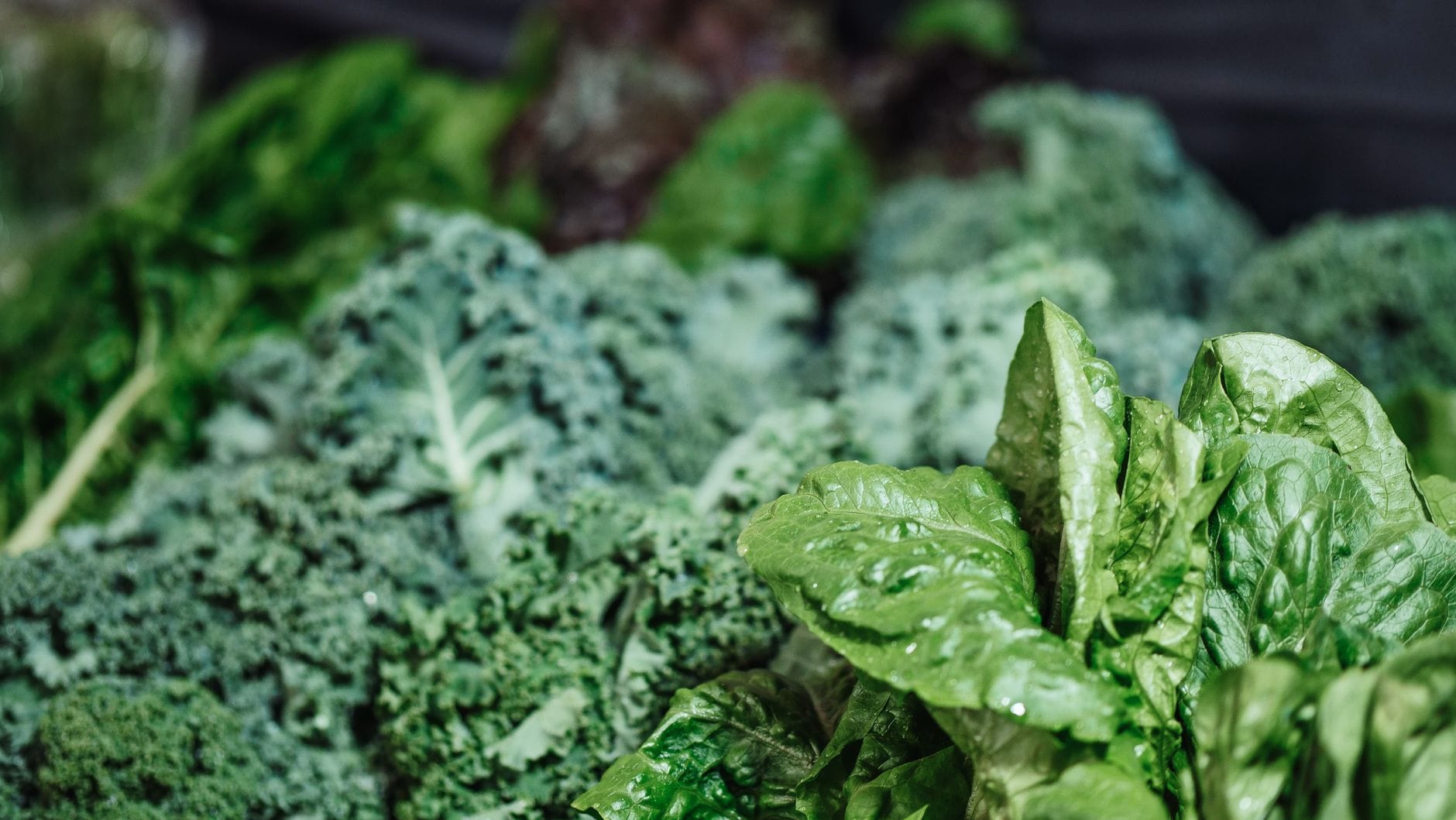
SaveGreens such as kale, broccoli, and Chinese cabbage supply calcium, which balances bone resorption (the breakdown of bone tissue) against deposition (the building of new bone). In children and teens, formation naturally outpaces breakdown, and that surplus is what growth is made of. Spinach adds iron as well; one cup provides 6.43 mg, about 36 percent of the daily value. Fold greens into soups, pasta, smoothies, or even guacamole.
Carrots
Carrots are loaded with beta-carotene, which the body converts to vitamin A as needed. Raw carrots also help the body absorb calcium more efficiently, which keeps bones healthy. Grate them into salads or juice them fresh.
Fruits
Fruit covers the vitamins and minerals that keep immunity strong and development on track. Aim for one to two servings a day and rotate varieties. Feder notes that bananas contain only a modest amount of magnesium, so they will not move the needle on height by themselves, but they still earn a place in a healthy diet.
Whole Grains
 Save
Save
Yogurt
Yogurt is nutrient-dense, with protein, calcium, vitamin D, and zinc, and one study found a positive link between probiotic intake and growth in undernourished children. More research is needed to confirm that link. Kids who refuse yogurt can get similar nutrients from cheese.
Nuts and Almonds
 Save
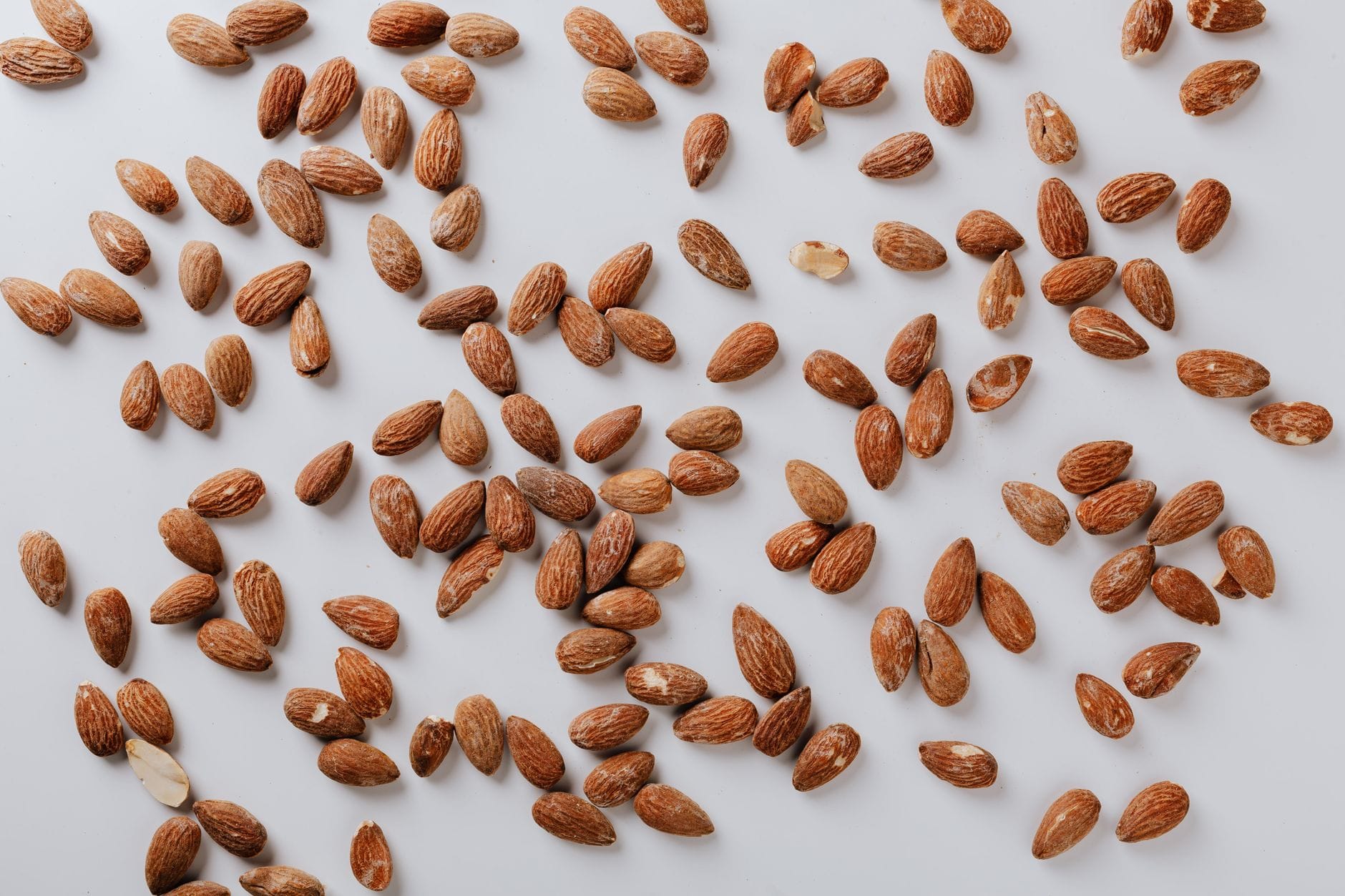
SaveNuts pack healthy fats, protein, and minerals into a small package, and their omega-3 fatty acids benefit bone health and turnover. Almonds in particular offer protein and calcium alongside those fats. About 15 grams makes a good snack, or grind nuts into powder and stir it into porridge. Check with a pediatrician first if there is any history of nut allergy.
What About Sugar?
A diet heavy in sugar may lead to obesity and diabetes, and excess weight can work against a child’s growth potential. There is no need to ban birthday cake; keeping sweets occasional rather than daily is enough.
Making It Work at the Dinner Table
Knowing the right foods is one thing; getting kids to eat them is another. A few approaches that tend to stick:
Anchor breakfast with an egg and a glass of milk, so two growth foods are covered before school.
Blend spinach or kale into smoothies and pasta sauces, where the flavor disappears.
Add chopped fruit to cereal for color and natural sweetness.
Keep ground mixed nuts on hand to stir into porridge or yogurt.
Habits That Help Beyond Food
Diet is a big lever, but not the only one. Optimum sleep and proper posture might help support height, and regular exercise keeps bones and muscles developing. A consistent bedtime and daily outdoor play cover most of it.
Frequently Asked Questions
Can any food make my child taller quickly?
No. Height is largely genetic, and no food produces rapid growth. What a nutrient-rich diet does is support the hormones and bone-building processes that let a child reach their natural potential.
My child cannot have dairy. Will that stunt their growth?
Not necessarily. Calcium and protein are available from greens, soybeans, nuts, and plant-based milks. Talk to a pediatrician about the best substitutes for your child’s situation.
When do children grow the most?
Growth comes in spurts, with a slightly faster rate between ages 6 and 8. About 25 percent of total height gain happens during puberty, which makes those years especially important for good nutrition.
The Bottom Line
You cannot out-eat genetics, and no single food will make a child taller. What parents can control is whether a growing body gets enough protein, calcium, vitamins, and minerals to build bone at full capacity. Eggs, dairy, chicken, legumes, leafy greens, fruit, whole grains, and nuts cover those bases well. Pair that plate with solid sleep and daily movement, and you have done the part of the height equation that is actually in your hands.
This article is for informational purposes only and is not a substitute for professional medical advice. Always consult a pediatrician or qualified healthcare provider about your child’s diet, growth, or any allergy concerns.