

A humble root vegetable with a surprisingly long list of research-backed perks, from your eyes to your heart.
Carrots rarely get top billing. They sit in the crisper drawer, get grated into salads, and mostly go unnoticed. That’s a shame, because this everyday vegetable (botanically, Daucus carota) is a genuinely nutrient-dense food you can buy for pocket change. It delivers beta-carotene, fiber, potassium, vitamin C, and a range of antioxidants in a package that’s about 88% water and roughly 25 calories per medium carrot.
Here’s a closer look at what the science supports, where the evidence is thinner, and when carrots deserve a little caution.
Key Takeaways
– Carrots are rich in beta-carotene, which the body converts to vitamin A, a nutrient essential for healthy vision.
– Studies link regular carrot intake to a lower risk of several cancers, including colorectal cancer.
– Their fiber and high water content make carrots a filling, low-calorie choice for weight management.
– Carrot juice has been associated with a modest drop in systolic blood pressure.
– Eating very large amounts can turn skin yellowish-orange, and people with carrot allergies should avoid them.
A Root With 5,000 Years of History
 Save
SavePeople have been eating carrots for over five millennia, starting in the region around present-day Afghanistan and the Middle East. The earliest versions weren’t orange at all. Purple and yellow carrots came first, and the orange variety most of us know didn’t appear until the 1600s. The vegetable’s staying power makes sense once you look at what it offers nutritionally.
What Carrots Do for Your Eyes
 Save
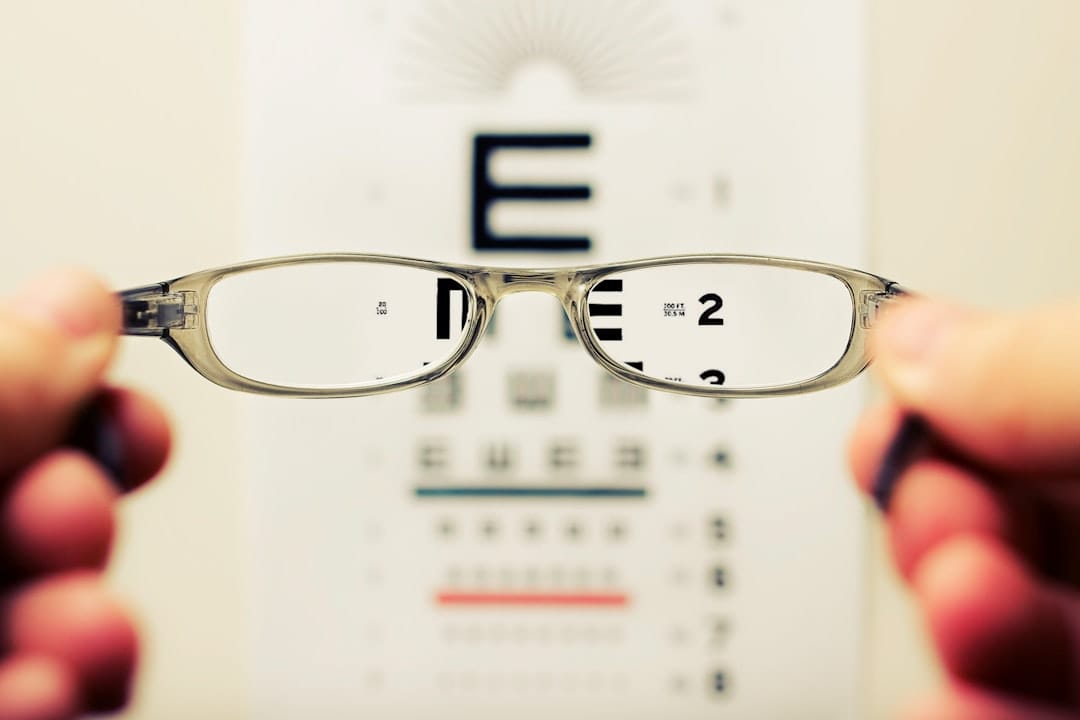
SaveThe old advice about carrots and eyesight holds up better than most food folklore. Carrots are an abundant source of vitamin A, and this nutrient is genuinely essential for sharp vision. When the body goes without enough vitamin A for an extended period, the outer segments of the eye’s photoreceptors (the retinal cells that convert light into the signals your brain reads as sight) begin to break down. Night blindness is one of the first consequences.
The encouraging part is that this process responds to diet. Restoring adequate vitamin A intake helps normalize the chemical reactions involved in vision. Carrots won’t give you superhuman eyesight, but getting enough vitamin A helps protect the vision you have.
The Cancer Question
This is where the research gets genuinely interesting. One large study followed 160,725 people and tracked colorectal cancer diagnoses over time. Among participants who ate no raw carrots, 3.9% developed the disease. For those eating more than 32 grams of carrots per day, that figure dropped to 2.9%. That pattern suggests a meaningful association between regular carrot intake and lower colorectal cancer risk.
Carrots contain numerous phytochemicals studied for their anticancer properties, beta-carotene and other carotenoids among them. These compounds appear to support immunity and activate proteins that inhibit cancer cells; carrot juice has even shown activity against leukemia cells in research settings. Carotenoids have also been linked to reduced risk of stomach, colon, prostate, lung, and breast cancers. Some people claim carrots protect against oral cancer too, though that particular link needs far more study before anyone should count on it.
Skin, Hair, and That Orange Glow
 Save
SaveResearch suggests that eating fruits and vegetables rich in carotenoids can improve skin appearance and even make people look somewhat younger. Carrots, being loaded with these pigments, fit neatly into that picture.
The hair claims rest on shakier ground. Carrots do supply vitamins A and C, potassium, and antioxidants, and anecdotal reports credit them with healthier-looking hair. There’s no solid research confirming this yet, so treat it as a possible bonus rather than a promise.
One quirk worth knowing: overdo it, and your skin can literally change color. Eating excessive amounts of carotenoid-rich foods causes carotenemia, a harmless but startling condition where skin takes on a yellow or orange tint.
Can Carrots Help You Lose Weight?
They’re a genuinely useful tool for it. Raw carrots are about 88% water, and a medium one carries only around 25 calories, so you can eat a satisfying portion without denting your calorie budget. The fiber matters too. In one study, meals containing whole or blended carrots left participants feeling noticeably fuller. Filling foods that cost you almost nothing calorically are exactly what sustainable weight loss is built on.
Heart, Blood Pressure, and Blood Sugar
 Save
SaveA few findings stand out for cardiovascular and metabolic health:
One study found carrot juice contributed to a 5% reduction in systolic blood pressure, likely thanks to its fiber, potassium, nitrates, and vitamin C.
Rat studies suggest carrot consumption reduces cholesterol absorption and improves antioxidant status. Raw carrots also contain pectin, a fiber that may help lower cholesterol.
For people with diabetes, carrots make sense on two fronts. Research shows increased fiber intake improves glucose metabolism, and low vitamin A levels have been observed in people with diabetes, where the vitamin’s antioxidant activity may help counter oxidative stress.
Smaller Perks That Add Up
Beyond the headliners, carrots offer quieter benefits. Vitamin A supports immune function and helps the body resist infection, while vitamin C aids collagen production and wound healing. Carotenoids are associated with better bone health, though no study has directly tied carrots to stronger bones yet. The vegetable also contains glutathione, an antioxidant with potential to help protect the liver from oxidative damage, and simply chewing raw carrots may help keep the mouth cleaner. That last one is modest evidence, admittedly, but it’s a pleasant side effect of an already healthy snack.
A sensible target is one to two carrots a day. People with carrot allergies should skip them entirely, and carrots may interfere with certain psoriasis and acne medications, so check with your doctor if that applies to you.
Frequently Asked Questions
How many carrots should I eat per day?
One to two carrots daily is a reasonable amount for most people. In the colorectal cancer study, the lowest risk was seen in people eating more than 32 grams of carrots per day.
Can eating too many carrots be harmful?
The main risk is carotenemia, a harmless yellowing of the skin from excess carotenoids. Anyone with a carrot allergy should avoid them, and those on psoriasis or acne medications should ask their doctor about possible interactions.
Are raw or cooked carrots better?
The research cited here largely involves raw carrots and carrot juice, and raw carrots offer the added chewing benefit for oral health. Both forms supply carotenoids and fiber, so eat them however you’ll actually enjoy them.
The Bottom Line
Carrots earn their reputation. They support vision through vitamin A, show a credible association with lower cancer risk, help with satiety and weight management, and may nudge blood pressure and cholesterol in the right direction. Some claims, like hair growth and fresher breath, remain unproven. At around 25 calories apiece, though, the cost of adding them to your plate is close to zero, and the potential upside is substantial.
This article is for informational purposes only and is not a substitute for professional medical advice, diagnosis, or treatment. Always consult a qualified healthcare provider before making changes to your diet, especially if you have a medical condition or take medication.