

A steady, food-first approach to keeping blood sugar in range during pregnancy.
A gestational diabetes diagnosis can knock the wind out of you, especially when pregnancy already feels like a full-time job. Here is the reassuring part: food is one of the most powerful tools you have. For many women, a handful of consistent changes to what lands on the plate is enough to keep blood sugar in a healthy range.
This guide covers how the gestational diabetes diet works, why it matters for both you and your baby, and the specific foods to reach for or pass on.
Key Takeaways
– The gestational diabetes diet manages blood sugar during pregnancy using fiber-rich foods, whole grains and lean protein.
– Smaller, more frequent meals help prevent sudden glucose spikes.
– Keeping blood sugar steady may lower the risk of preeclampsia and of a baby growing unusually large (fetal macrosomia).
– Sugary drinks, refined carbohydrates and processed meats are the main things to cut back on.
– The plan works best when it is personalized, so loop in your doctor or a registered dietitian early.
First, What Is Gestational Diabetes?
Gestational diabetes is a form of diabetes that appears during pregnancy, most often in the second or third trimester. Pregnancy hormones can make your body less responsive to insulin, the hormone that moves sugar out of your bloodstream. When that happens, glucose builds up and blood sugar climbs.
Some women are more likely to develop it than others. Being older or having a higher BMI raises the odds, and so does a previous pregnancy with gestational diabetes or a parent or sibling with diabetes. To screen for it, doctors run a glucose tolerance test between weeks 24 and 28 of pregnancy.
Unmanaged high blood sugar matters. It can contribute to preeclampsia, a serious blood pressure complication of pregnancy, and to a baby with excessive birth weight. It also raises the mother’s chances of developing type 2 diabetes down the road. Still, the outlook is genuinely good: most women with gestational diabetes have healthy pregnancies, and blood sugar usually returns to normal after delivery.
How the Diet Actually Works
 Save
There is nothing exotic here. The gestational diabetes diet is built around foods that release glucose slowly instead of dumping it into your bloodstream all at once.
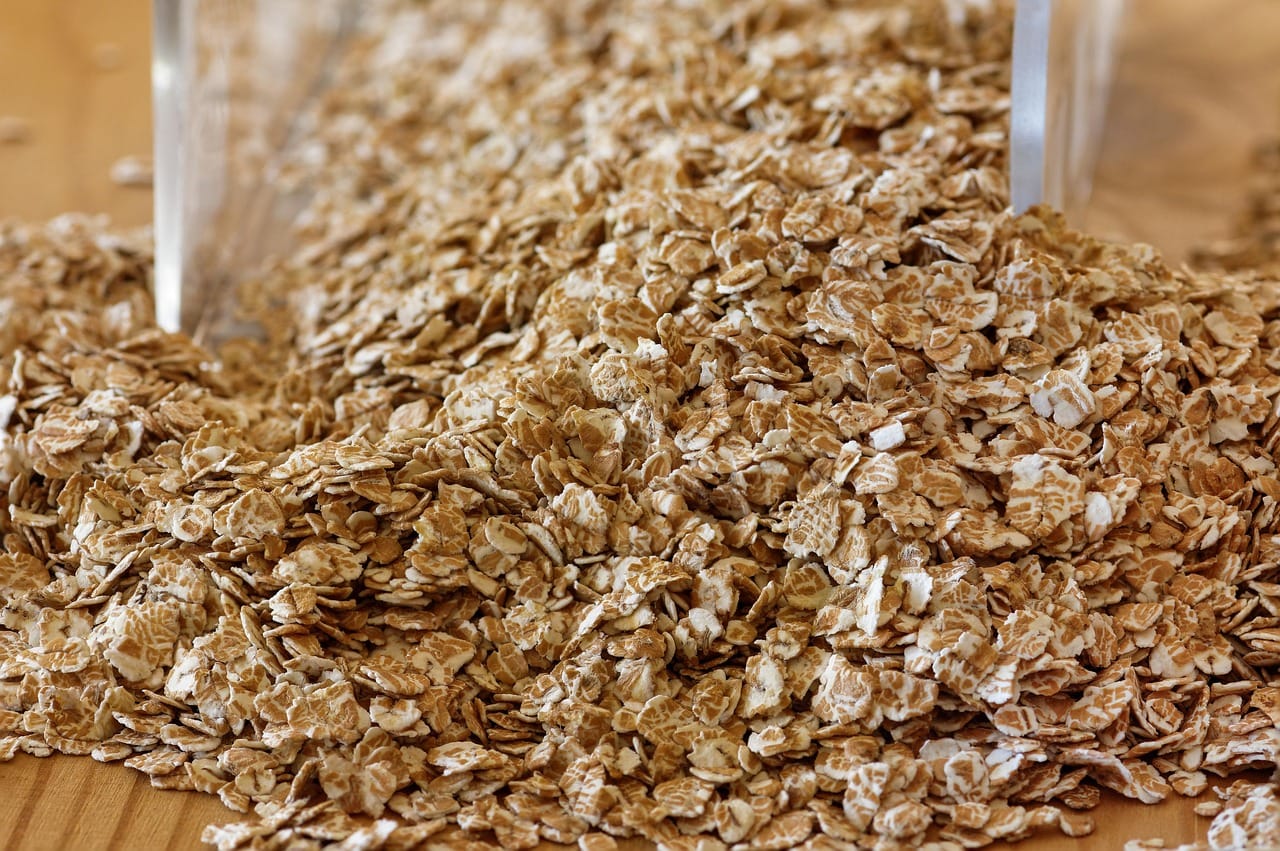
High-fiber foods do a lot of the heavy lifting. Fiber slows the absorption of carbohydrates, which helps stabilize blood sugar after meals. Whole grains, vegetables, lean proteins and healthy fats provide steady energy and balanced nutrition. Water or unsweetened drinks replace soda and juice, which are among the fastest ways to spike glucose.
Meal timing matters too. Eating smaller portions more often, rather than two or three large meals, keeps blood sugar from surging and crashing through the day.
One honest caveat: no article can replace a professional. A dietitian can build a meal plan around your numbers, your preferences and your trimester, then adjust as things change.
Benefits That Go Beyond Blood Sugar
Steadier glucose is the headline benefit, and it is linked to a lower risk of preterm delivery and pregnancy-related high blood pressure. But the ripple effects reach further.
Gestational diabetes can drive up insulin levels in the fetus, which increases the risk of fetal macrosomia, meaning a baby that grows abnormally large. Fiber-rich eating that keeps maternal blood sugar in range may lower that risk. Women with gestational diabetes also face higher odds of preeclampsia, and stable glucose appears to help there as well.
The diet supports healthy weight gain too. Your doctor’s weight gain target depends on your pre-pregnancy weight, and staying near it reduces the risk of complications such as macrosomia and stillbirth. Since the plan leans on lean protein, whole grains and healthy fats rather than restriction for its own sake, it also covers your nutritional needs. That matters because poor maternal nutrition is associated with low birth weight and restricted fetal growth. Finally, because fiber smooths out post-meal glucose, the diet may reduce swings toward low blood sugar as well as high.
Foods to Put on Your Plate
 Save
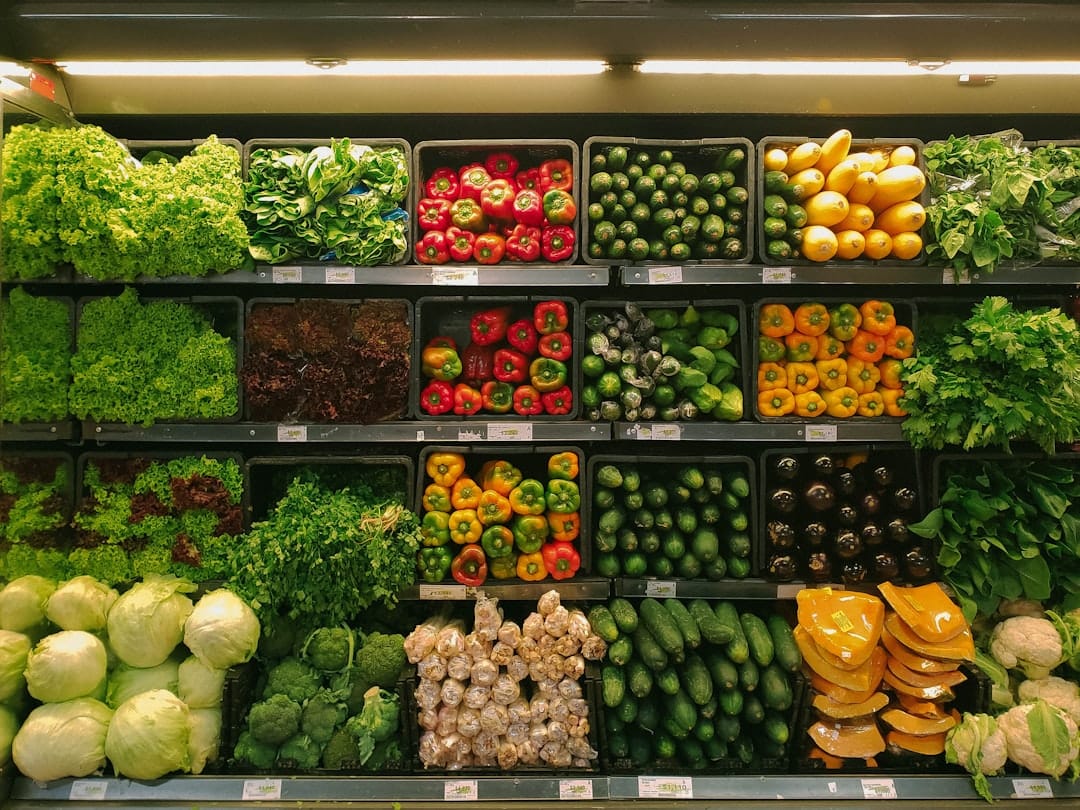
Build most meals from this list:
Non-starchy vegetables: spinach, kale, lettuce, broccoli, cauliflower, bell peppers, cucumbers, zucchini
Starchy vegetables in moderation: sweet potatoes, corn, peas
Lower-sugar fruits: berries, apples, pears, citrus, cherries, kiwi
Lean proteins: chicken, turkey, lean beef or pork, salmon, trout, tofu, lentils, chickpeas
Dairy and alternatives: low-fat yogurt, skim milk, unsweetened almond milk
Whole grains in moderation: quinoa, brown rice, whole wheat pasta
Healthy fats: avocado, nuts, olive oil
Snacks: Greek yogurt, hummus, low-fat cheese
Drinks: water and herbal tea
Seasonings: cinnamon, turmeric, ginger
What to Limit or Skip
 Save
These foods tend to spike blood sugar quickly or add little nutritionally:
Simple carbohydrates such as white bread, white rice, regular pasta and refined cereals
Soda and fruit juice
High-sugar fruits like watermelon, grapes, mango and pineapple
Candy and sugary snacks
Sweeter vegetables such as carrots and butternut squash (in large amounts)
Processed and fried foods, including sausages, bacon and hot dogs
Flavored yogurt, ice cream and sweetened milk alternatives
A Few Honest Caveats
 Save
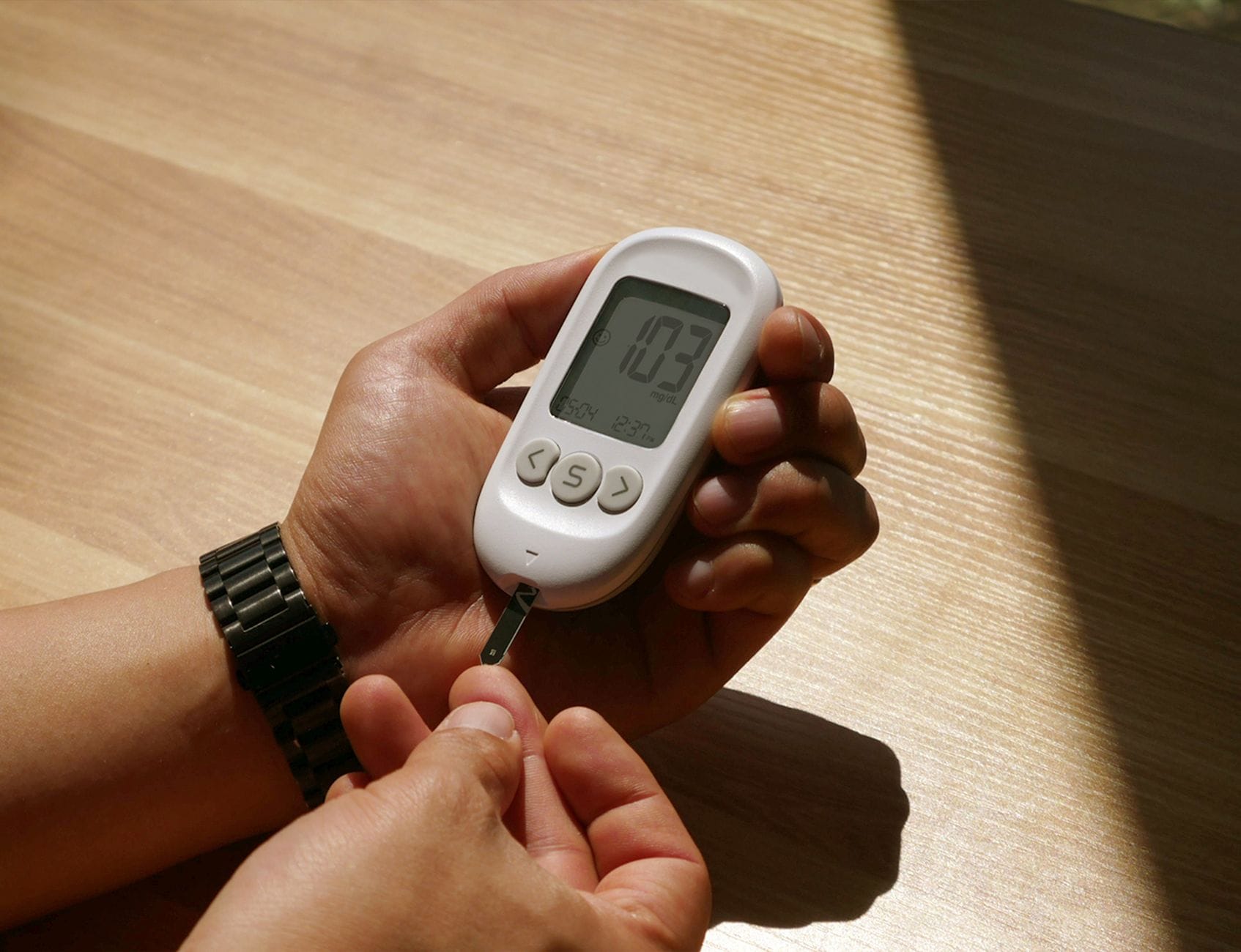
Any change in eating patterns can come with an adjustment period. Some women report dry mouth, fatigue, constipation or nausea, and a poorly planned version of this diet can fall short on nutrients. If you have a history of kidney problems or kidney stones, talk to your doctor before making changes. This is a short-term, pregnancy-specific plan, not a lifelong prescription, though many of its habits are worth keeping.
Frequently Asked Questions
Will gestational diabetes go away after my baby is born?
Usually, yes. Most women return to normal blood sugar levels after childbirth. Your doctor will likely check your glucose again postpartum, since gestational diabetes raises your long-term risk of type 2 diabetes.
Can I still eat fruit?
Absolutely. Reach for lower-sugar options like berries, apples, pears and citrus. Fruits such as watermelon, grapes, mango and pineapple raise blood sugar faster, so keep those occasional and small.
Do I have to give up carbs entirely?
No. Carbohydrates are still part of the plan; the shift is toward whole grains and fiber-rich choices in moderate portions, spread across smaller meals, rather than refined carbs eaten all at once.
The Bottom Line
The gestational diabetes diet is less a “diet” than a set of sensible swaps: fiber-rich vegetables and whole grains instead of refined carbs, water instead of juice, smaller meals eaten more often. Those changes help keep blood sugar steady, which protects you from complications like preeclampsia and helps your baby grow at a healthy pace. Pair the plan with your doctor’s guidance and regular monitoring, and remember that most women with gestational diabetes go on to have perfectly healthy pregnancies.
This article is for informational purposes only and is not a substitute for professional medical advice, diagnosis, or treatment. Always consult your doctor or a qualified healthcare provider before making changes to your diet during pregnancy.