

A grounded look at what lectins are, who might benefit from cutting them, and where the science still falls short.
Lectins turned into a wellness talking point largely thanks to Dr. Steven Gundry, the cardiologist behind The Plant Paradox. His argument, in short, is that these plant proteins quietly drive inflammation, weight gain, and a range of modern complaints, and that trimming them from your plate can help you feel better. The idea caught on fast.
Whether it holds up is another matter. Lectins live in a lot of genuinely nutritious foods, and the research behind a strict lectin-free approach is thin and mixed. Here’s what’s actually known, what the diet looks like in practice, and the trade-offs to weigh before you overhaul your grocery list.
Key Takeaways
– The lectin-free diet cuts or limits lectin-rich foods like legumes, grains, and nightshade vegetables such as tomatoes, eggplant, and peppers.
– Supporters link it to better digestion and less inflammation, but strong human evidence is lacking, which keeps it controversial among nutrition experts.
– It leans heavily on animal foods, so vegetarians and vegans can follow it, though they need extra planning to cover protein and fiber.
– Individual responses vary a lot; what soothes one person’s gut may do little for another’s.
– Dropping whole food groups risks nutrient gaps, so it’s worth looping in a doctor or dietitian first.
What Lectins Actually Are
 Save
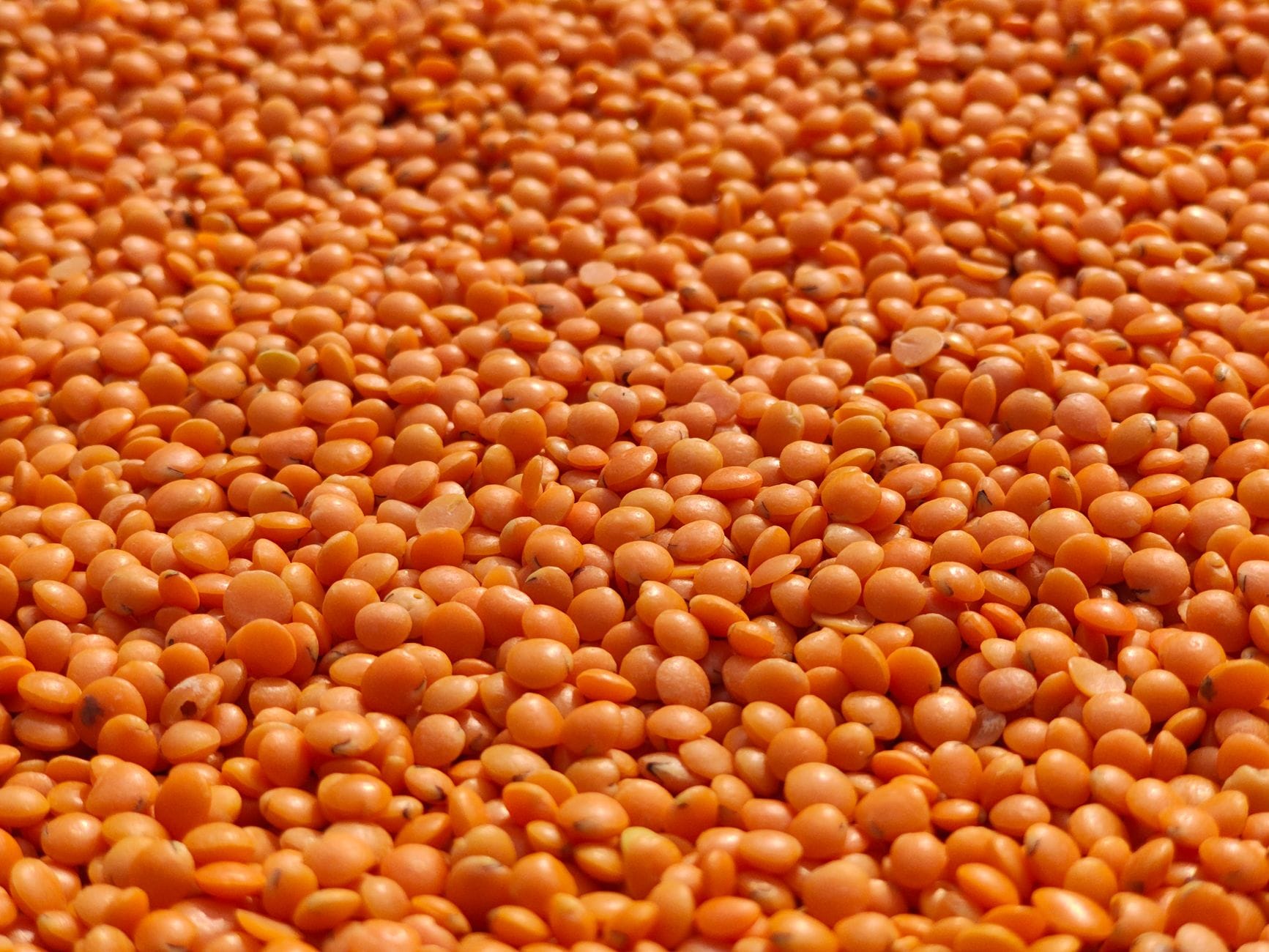
Lectins are proteins (some are glycoproteins) found across the plant and animal kingdoms. You’ll find higher amounts in legumes like beans, lentils, and peas, in grains such as wheat, and in many nuts, seeds, and vegetables. Small traces even show up in some seafood and poultry.
In plants they serve a purpose: they bind to specific sugar molecules and help defend against pests. In people, a subset of lectins can interfere with digestion or nutrient absorption, which is where the discomfort stories come from. Cooking, soaking, and fermenting all lower lectin levels considerably, which is why properly prepared beans rarely cause trouble for most eaters.
Are Lectins Really the Problem?
Not all lectins behave the same way. A few can bind in the gut and cause malabsorption or bloating in sensitive people, but most lectin-containing foods have been dietary staples for thousands of years for good reason. Beans, lentils, and whole grains deliver fiber, plant protein, vitamins, and minerals that are hard to replace one for one.
That’s the tension at the center of this diet. Cut the lectins and you may also cut nutrients your body genuinely uses. Swaps like rice, quinoa, and leafy greens fill part of the gap, but they don’t always match legumes on protein, fiber, or the heart and gut benefits those foods bring. For someone with a diagnosed sensitivity or a stubborn digestive issue, easing off high-lectin foods might bring real relief. For everyone else, the math is less clear.
What the Diet Involves
 Save
At its core this is an elimination diet. You restrict or remove the heavy hitters: beans and peas, certain nuts, and nightshade vegetables. Proponents say doing so lowers inflammation, supports weight loss, and eases symptoms tied to autoimmune and digestive conditions.
Two caveats deserve honesty. First, the evidence behind those claims is limited and inconsistent, and most of the foods on the “avoid” list are nutrient-dense. Second, no diet is truly lectin-free, since every plant carries some amount. That gap between the name and the reality is part of why many dietitians file it under fad territory.
Possible Benefits
The upsides people report cluster in a few areas, some better supported than others.
Digestion is the most plausible. Many high-lectin legumes are also high in FODMAPs, the fermentable carbs that set off symptoms in irritable bowel syndrome. Removing them can calm bloating and gut distress for people who react to FODMAPs.
There’s early lab work too. A study in the Journal of Immunology found that certain plant lectins can activate an inflammatory pathway in the body, the mechanistic hook behind the anti-inflammation claims. Cutting processed foods, which this diet tends to do by default, may also lower calorie intake and support weight management, and could play a role in reducing the risk of cardiovascular disease, gastrointestinal problems, and type 2 diabetes. People with specific nightshade sensitivities may simply feel better avoiding their trigger foods.
Read those as may, not will. Most of this evidence is preliminary or indirect.
Foods You Can Eat
 Save
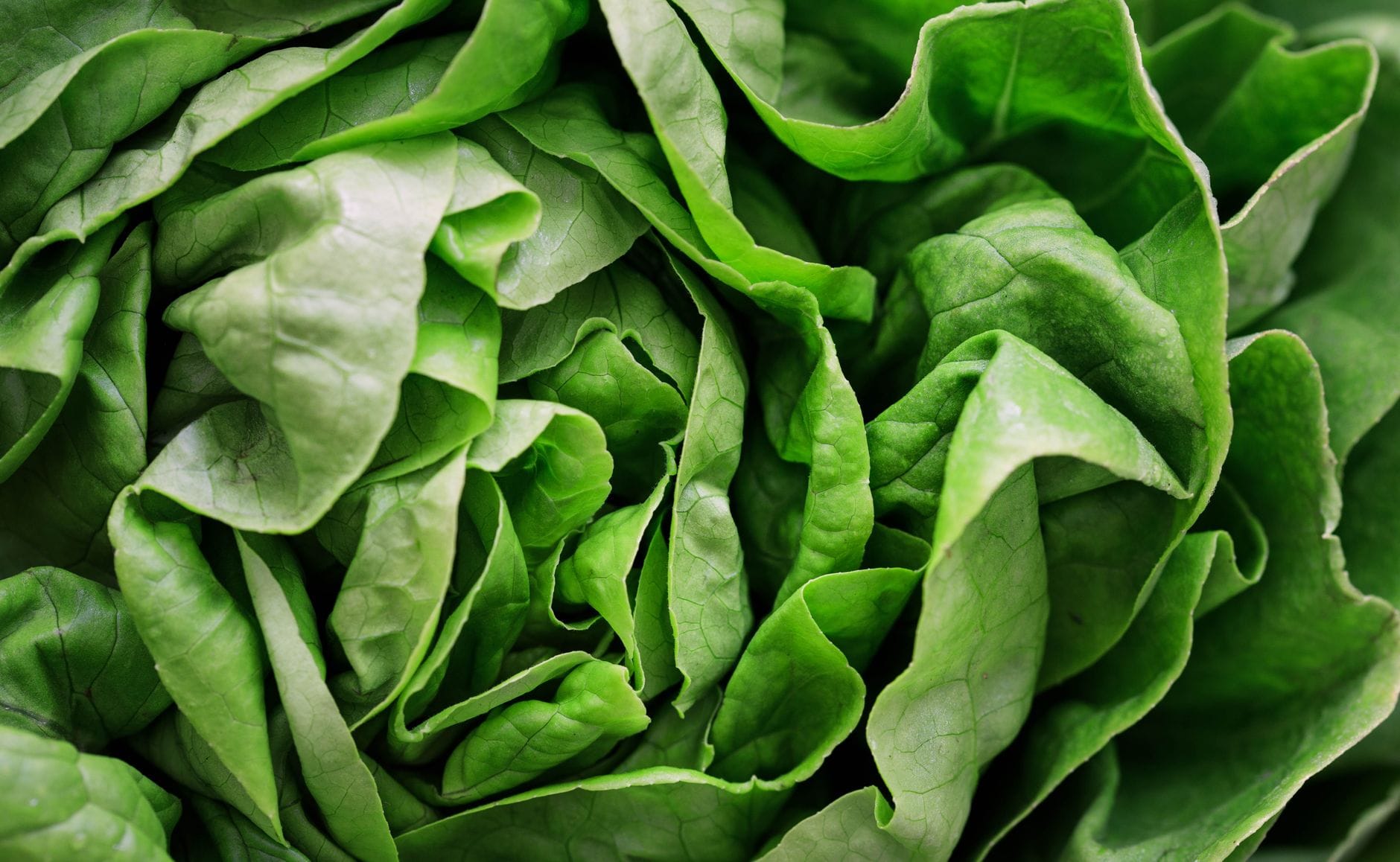
The allowed list centers on foods naturally low in lectins:
– Most meat, poultry, and seafood
– Leafy greens and cruciferous vegetables like broccoli, cauliflower, and cabbage
– Some fruits, in moderation
– Olive oil, avocado, and other healthy fats
– Certain nuts and seeds
Foods to Limit or Skip
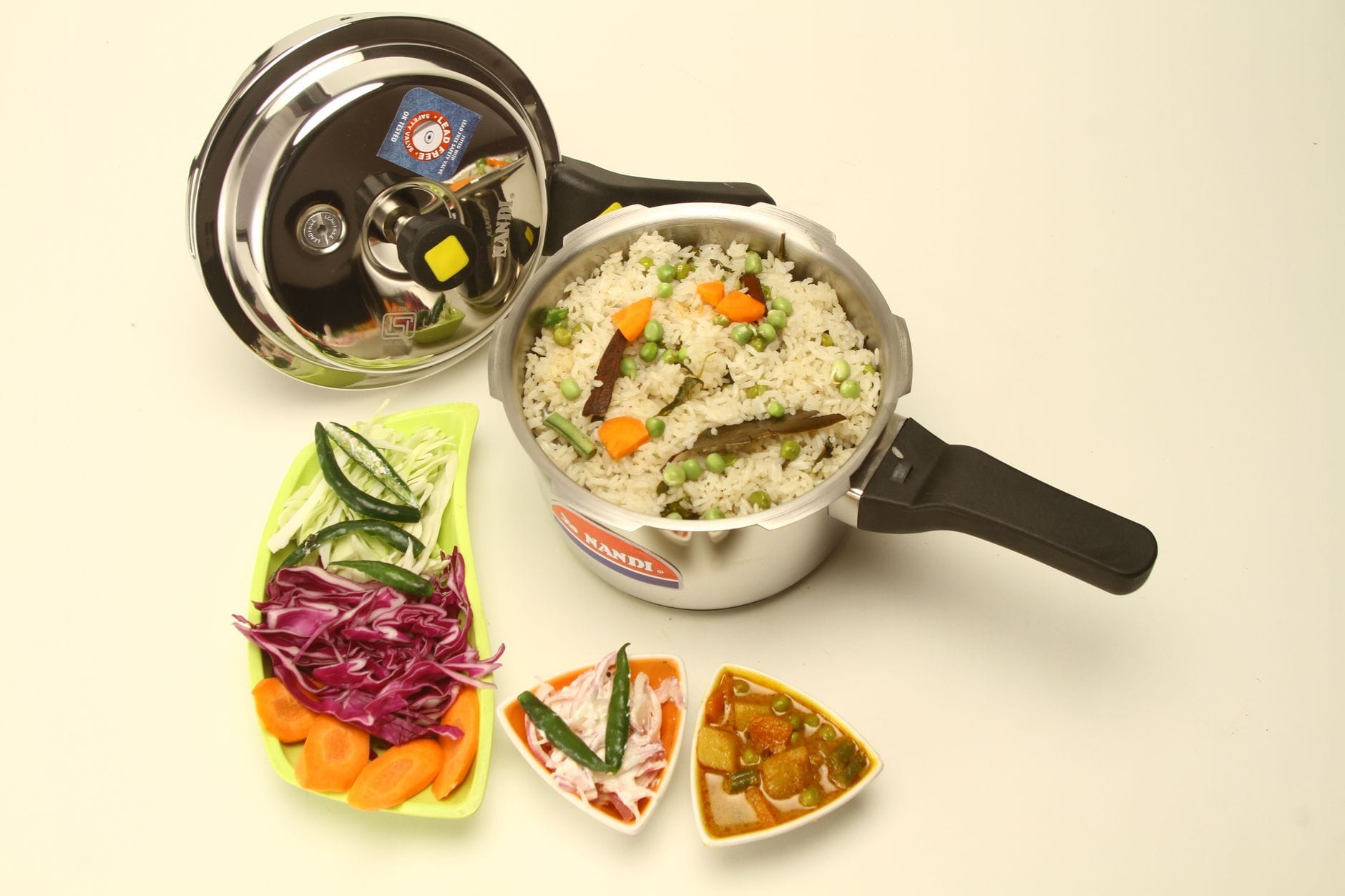
The reduce list includes beans, lentils, and peas; wheat and many grains; nightshades such as tomatoes, potatoes, eggplant, and peppers; and some nuts and seeds. Pressure-cooking legumes is one useful workaround, since it destroys much of their lectin content.
The Downsides Worth Weighing
 Save
Removing several food groups at once opens the door to nutrient deficiencies, especially fiber, which most people already fall short on. Meals can get repetitive, and some people report fatigue when intake drops.
Certain groups should steer clear: children and pregnant people, who have high nutrient demands, along with anyone who lacks a genuine sensitivity or diagnosed reason to restrict. If lectins aren’t causing you a problem, there’s little to gain by cutting them out.
Frequently Asked Questions
Do I have to be completely lectin-free?
No, and you can’t be. Every plant food contains some lectins, so the goal is reducing the high-lectin foods, not chasing zero. Soaking, fermenting, and especially pressure-cooking bring levels down dramatically.
Can vegetarians and vegans follow this diet?
Yes, but it takes more effort. Since legumes and many grains are off the table, plant-based eaters have to work harder to hit their protein and fiber targets, often leaning on low-lectin options and thoughtful meal planning.
Will it help me lose weight?
It might, mostly because it steers you toward whole foods and away from processed ones, which can lower overall calories. That’s more a side effect of cleaner eating than proof that lectins themselves cause weight gain.
The Bottom Line
A lectin-free diet may genuinely help a smaller group of people, especially those with IBS, nightshade sensitivities, or certain autoimmune and digestive conditions. For the general population, the evidence is too limited and mixed to justify banishing beans, whole grains, and other nutrient-rich foods. If you’re curious, cut back gradually, watch how you feel, and check in with a healthcare professional or registered dietitian so you don’t trade one problem for a nutrient gap.
This article is for informational purposes only and is not a substitute for professional medical advice. Talk to your doctor or a registered dietitian before making significant changes to your diet, especially if you are pregnant, managing a health condition, or feeding a child.