
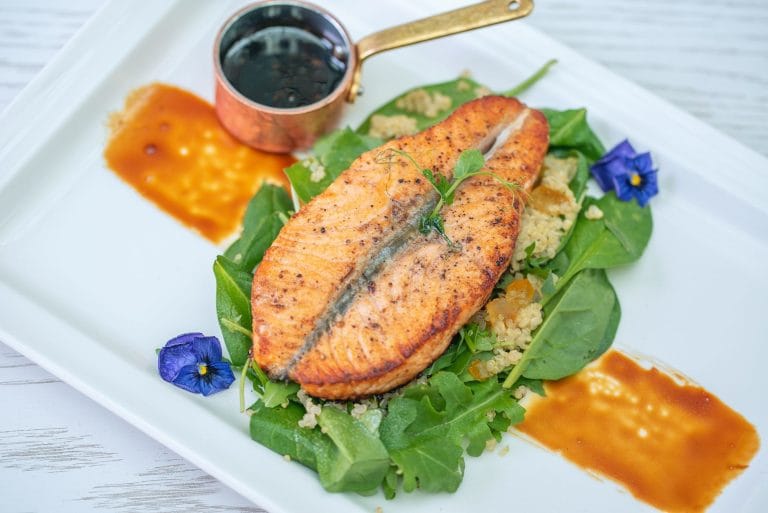
A practical look at the cirrhosis diet, the low-sodium, protein-forward eating pattern that helps take pressure off a damaged liver.
A cirrhosis diagnosis changes how you have to think about food. The liver touches almost everything you eat, so when scar tissue starts replacing healthy liver cells, your plate becomes part of the treatment plan rather than an afterthought.
The cirrhosis diet is not a weight-loss program. It is a long-term eating pattern built around two goals: keeping sodium low enough to limit fluid buildup, and keeping protein and calories high enough to prevent the muscle wasting that so often comes with this disease. Here is how it works, what belongs on your plate, and where you should be careful.
Key Takeaways
– The cirrhosis diet is designed to manage symptoms, slow further liver damage, and reduce complications like fluid retention.
– Sodium is capped at less than 2,000 mg per day, since salt drives the swelling and abdominal fluid buildup common in cirrhosis.
– Protein targets are higher than many people expect, roughly 1.0 to 1.5 g per kg of dry body weight, to protect muscle mass.
– Alcohol, processed foods, and trans fats are off the table entirely.
– Malnutrition affects 50 to 90 percent of people with cirrhosis, so this diet should be tailored with a dietitian, not followed blindly.
Why Diet Matters So Much in Cirrhosis
Cirrhosis is late-stage scarring of the liver. It can develop after years of heavy alcohol use, chronic hepatitis B or C infection, certain medications, or inherited conditions such as hemochromatosis, Wilson disease, and alpha-1 antitrypsin deficiency. Long-standing right-sided heart failure and Budd-Chiari syndrome can lead there too.
It is also more common than most people realize. The 2017 Global Burden of Disease study estimated that about 112 million people worldwide were living with compensated cirrhosis, the early stage where symptoms have not yet appeared. That works out to roughly 1,395 cases per 100,000 people.
Diet cannot undo scar tissue. What it can do is reduce the workload on the liver tissue you still have, ease complications, and keep your body nourished. That last part matters more than it sounds, because somewhere between 50 and 90 percent of people with cirrhosis develop malnutrition, often losing weight and muscle without noticing until it is advanced.
How Does the Diet Actually Work?
 Save
Two numbers do most of the heavy lifting here.
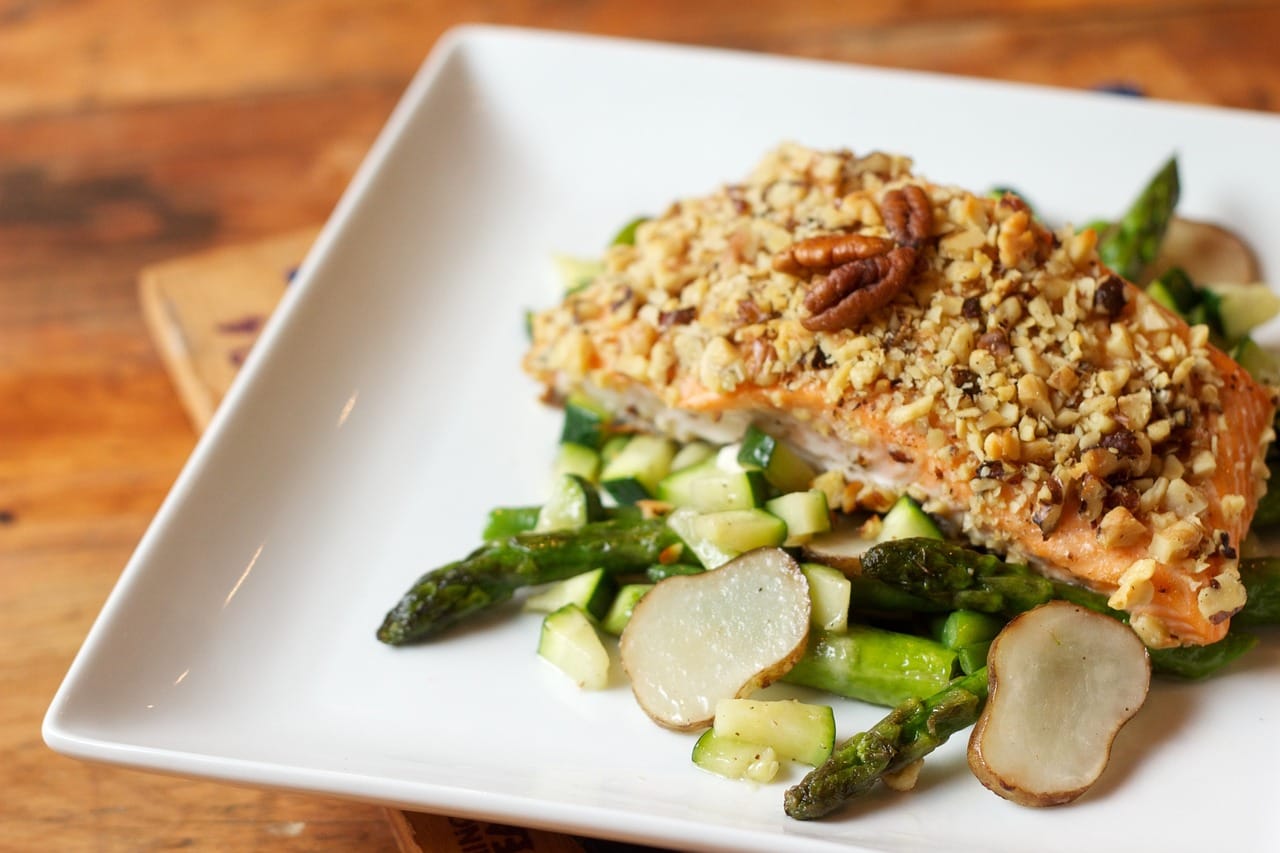
The first is sodium. Salt binds water in the body, and a cirrhotic liver already struggles to regulate fluids. Eat too much of it and fluid collects in the legs and the abdomen, a complication called ascites. That is why guidelines recommend staying under 2,000 mg of sodium per day.
The second is protein. Recommendations generally fall between 1.0 and 1.5 grams per kilogram of dry body weight, which is more than a typical diet provides. Spreading protein across every meal, rather than loading it into dinner, makes the target easier to hit and helps preserve lean muscle.
Beyond those two anchors, the diet trims out things that strain the liver. Highly processed foods and trans fats interfere with liver function and bile production, the fluid your liver makes to digest fat. Alcohol is eliminated completely, since continued drinking can push a scarred liver toward outright failure.
There are quieter benefits too. Limiting saturated and trans fats may help with steatorrhea, the greasy, hard-to-flush stools that cirrhosis can cause. The fiber from fruits, vegetables, and whole grains helps with constipation, another common complaint. And a well-planned version of this diet helps guard against the zinc and vitamin A deficiencies that frequently show up alongside liver disease.
Foods That Support a Struggling Liver
 Save
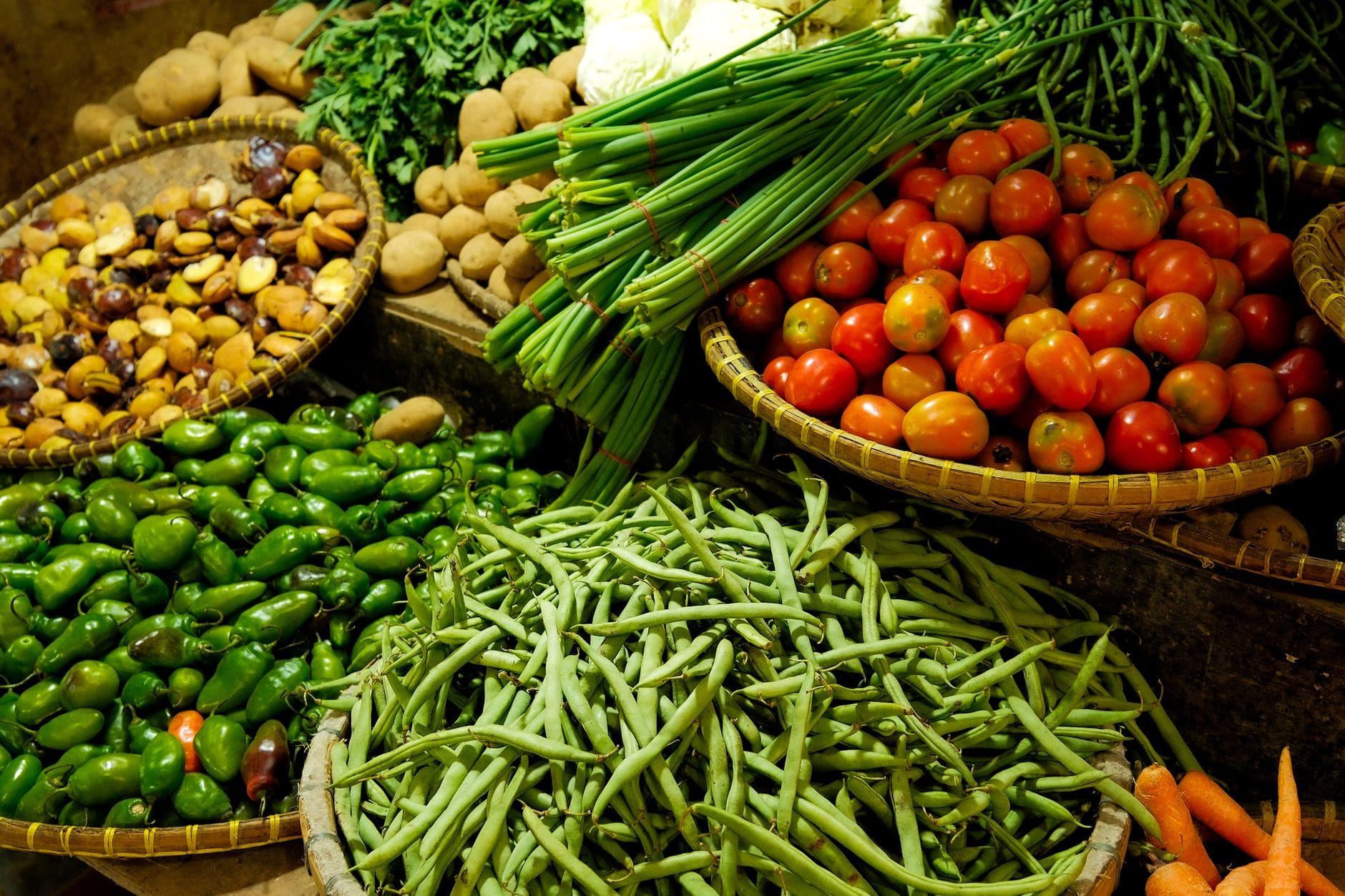
Most of the diet looks like ordinary healthy eating, just with the salt shaker retired. Build meals around:
Lean protein: fish, poultry, eggs, lean cuts of meat, and dairy
Healthy fats: olive oil, avocados, nuts (almonds, walnuts, cashews), and seeds like chia and flax
Fruits: apples, bananas, berries, pears, melons, and citrus
Vegetables: leafy greens, broccoli, carrots, tomatoes, cucumbers, bell peppers
Whole grains: oats, brown rice, quinoa
Legumes: lentils, chickpeas, beans
Flavor without salt: dill, thyme, parsley, cumin, black pepper
Drinks: water, plus coffee and tea in moderation
What to Take Off the Menu
 Save
The avoid list is short but strict:
High-sodium foods such as canned soups, salty snacks, and soy sauce
Fast food and packaged processed snacks
Fried foods, margarine, and other sources of unhealthy fat
Sugary drinks like sports drinks, fruit punch, and syrups
Processed meats, including bacon, sausage, and hot dogs
Raw or undercooked eggs, meat, poultry, and fish
Alcohol in any form, including wine and beer
A Sample Day on the Plate
 Save
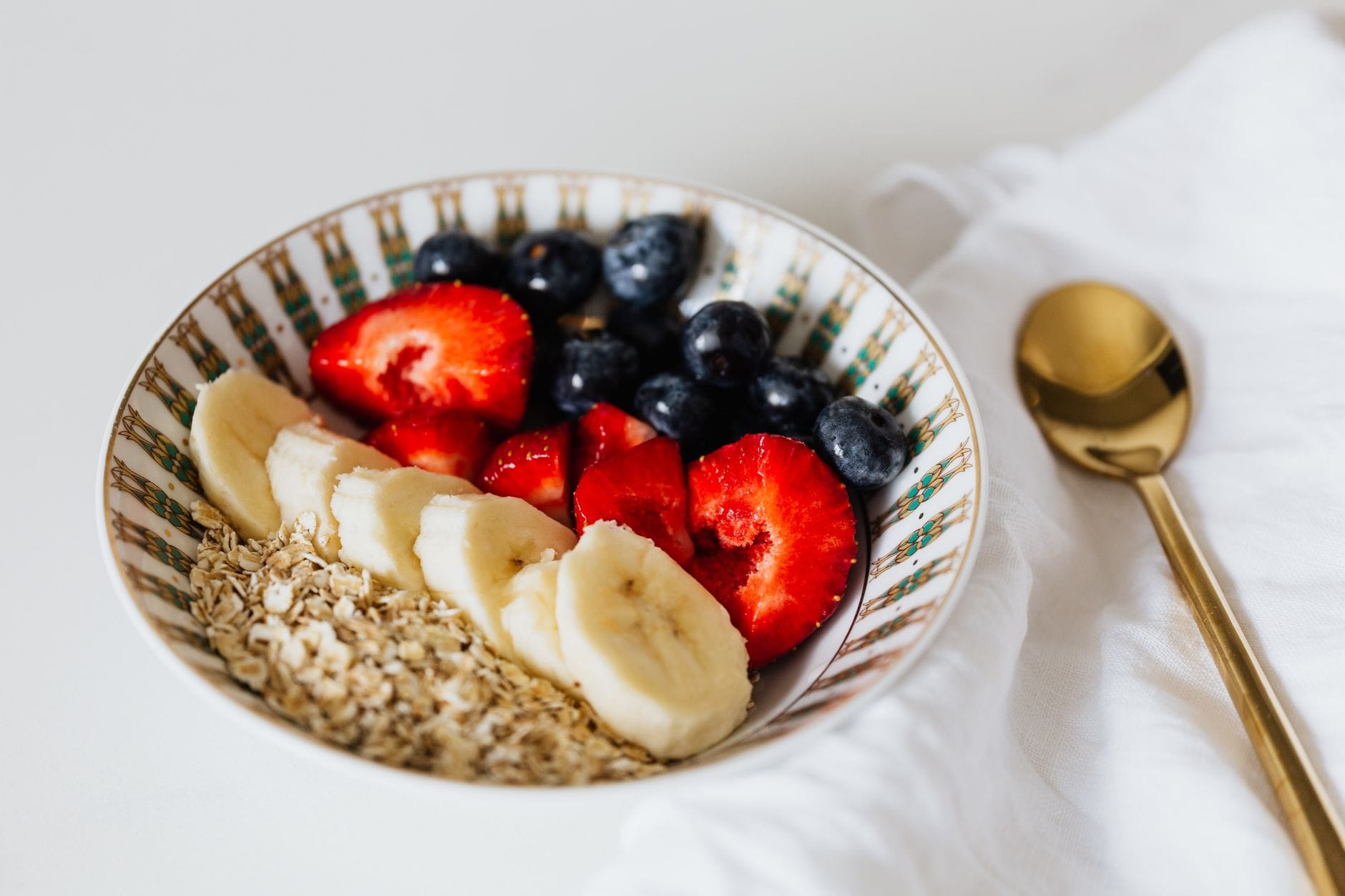
Here is what a realistic day might look like:
Breakfast: two scrambled eggs with oatmeal or whole grain toast and half a cup of sliced strawberries
Mid-morning: a bowl of fruit salad
Lunch: a cup of chicken curry with half a cup of rice and vegetables
Afternoon: cucumber slices with hummus
Dinner: 4 oz of baked salmon with a cup of steamed broccoli and a sweet potato
Other days might swap in boiled eggs with multigrain toast and skim milk at breakfast, or a big mixed-greens salad with grilled chicken, quinoa, and an olive oil vinaigrette at lunch. A small handful of unsalted nuts makes an easy snack.
A Few Precautions Before You Start
This is not a diet to freelance. Because malnutrition is already so common in cirrhosis, cutting foods without replacing their calories and nutrients can make things worse, not better. A dietitian can calculate your actual protein and calorie needs, which shift as the disease progresses.
If you have a nut allergy, you will need alternative fat sources, since the standard plan leans on nuts and seeds. Supplements can help fill nutritional gaps, but doses should come from your healthcare team rather than guesswork. And nothing here replaces the medications or treatment your doctor has prescribed; the diet works alongside them.
Frequently Asked Questions
Is coffee allowed on the cirrhosis diet?
Yes. Water, coffee, and tea are all included among the recommended beverages. Just skip the sugary coffee drinks, which fall under the sweetened-beverage category to avoid.
Do people with cirrhosis need to limit protein?
No, and this is a common misconception. Current recommendations actually call for a relatively high protein intake, around 1.0 to 1.5 g per kg of dry body weight, to prevent muscle loss. Your doctor or dietitian can fine-tune the amount for your situation.
Can the cirrhosis diet reverse liver scarring?
No diet can undo existing scar tissue. The goal is to prevent further damage, manage complications like fluid retention, and keep you well nourished while you follow your prescribed treatment.
The Bottom Line
The cirrhosis diet comes down to a handful of consistent habits: keep sodium under 2,000 mg a day, get protein at every meal, choose whole foods over processed ones, and avoid alcohol completely. Done well, it can ease fluid retention, protect muscle mass, and reduce strain on the liver you have left. Done carelessly, it risks worsening malnutrition, which is exactly why it belongs in the hands of your doctor and a registered dietitian.
This article is for informational purposes only and is not a substitute for professional medical advice, diagnosis, or treatment. Always consult your doctor or a qualified healthcare provider before making changes to your diet, especially if you have liver disease.