
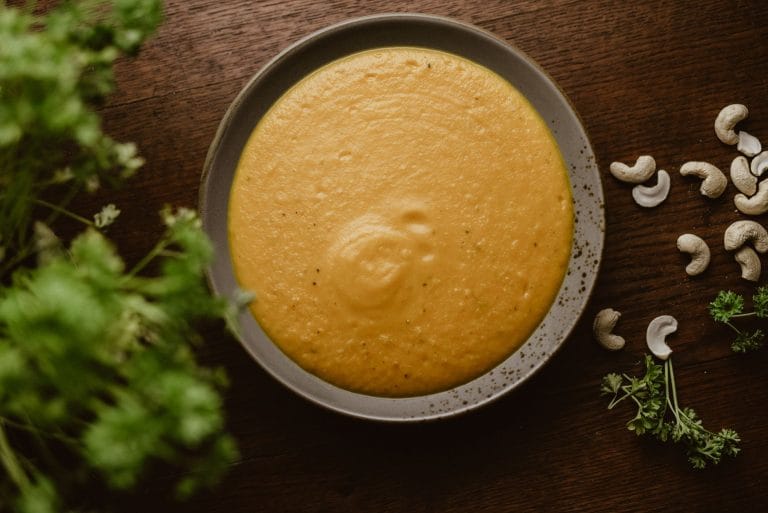
Smooth, blended meals that keep nutrition on the table when chewing isn’t an option.
Chewing and swallowing feel automatic until something makes them hard. A stroke, dental trouble, a recent surgery, or simply getting older can turn a normal plate of food into a real hazard. A puréed diet is one answer: familiar foods blended down to a soft, spoonable texture so they slide down safely and still deliver the nutrients a body needs.
This isn’t baby food or a punishment. Done thoughtfully, a puréed plate can be varied, flavorful, and genuinely balanced. Here’s how it works and how to make it well.
Key Takeaways
– A puréed diet blends food into a smooth, lump-free texture (think pudding or mashed potatoes) so it’s easy to swallow without chewing.
– It’s commonly recommended for people with dysphagia, chewing difficulties, or those recovering from bariatric surgery.
– The safest plans include protein, fats, fruits, vegetables, and grains, not just fruit and veg.
– Some foods, like pineapple, coconut, and raisins, stay gritty even after blending and are best skipped.
– A dietitian or doctor should help shape the plan so nutrition doesn’t slip.
What a Puréed Diet Actually Is
The idea is simple. You take ordinary food and process it until it reaches a smooth, uniform consistency with no lumps, roughly the texture of pudding. A blender or food processor does most of the work. Some foods already qualify without any effort, including yogurt, mousse, and smooth puddings.
Because the food never needs chewing, it’s easier to swallow and gentler on digestion. That texture goal, smooth and cohesive, is the whole point. Anything that could catch in the throat gets processed out.
Who Needs One, and Who Doesn’t
Doctors usually suggest this approach for a handful of reasons.
Dysphagia, the medical term for swallowing difficulty, is the big one. It can stem from an obstruction in the esophagus or from neurological conditions like stroke, head injury, multiple sclerosis, or dementia. Purées are often folded into a specialized dysphagia diet to lower the risk of choking or breathing food into the lungs.
Chewing problems are another common trigger, especially later in life. Aging affects jaw strength and bite force, and missing teeth, ill-fitting dentures, or dental pain make solid food a chore. People healing from jaw surgery may need purées too, though usually just until they can chew comfortably again.
Then there’s post-surgery recovery. After bariatric surgery or a gastric bypass, the digestive system needs time, and smooth food is easy on a healing gut. This is typically one stage in a step-by-step progression back to normal eating, not a permanent change.
For those with severe, ongoing swallowing trouble, though, a puréed diet may be long-term or even lifelong, mainly to guard against choking and aspiration pneumonia.
One caveat worth stating plainly: if you can safely eat regular whole foods, you don’t need this diet. It solves a specific problem.
Health Benefits Worth Knowing
The advantages are practical rather than magical.
Digestion is one. Solid food demands chewing and more work from the gut; a purée is already broken down, so swallowing is smoother and the stomach has less to do.
The bigger benefit is protection against malnutrition. When someone can’t manage solid food, nutrient intake drops fast, and poor nutrition carries real consequences, including slower wound healing, more infections, and a weaker immune system. A well-built puréed diet keeps essential nutrients flowing and heads off those problems.
There’s a catch that trips people up. Many default to blending only fruits and vegetables, which quietly leaves out fats and protein. You can purée almost anything as long as the final texture lands in that pudding zone, so there’s no reason to skip whole food groups.
What You Can Eat
 Save
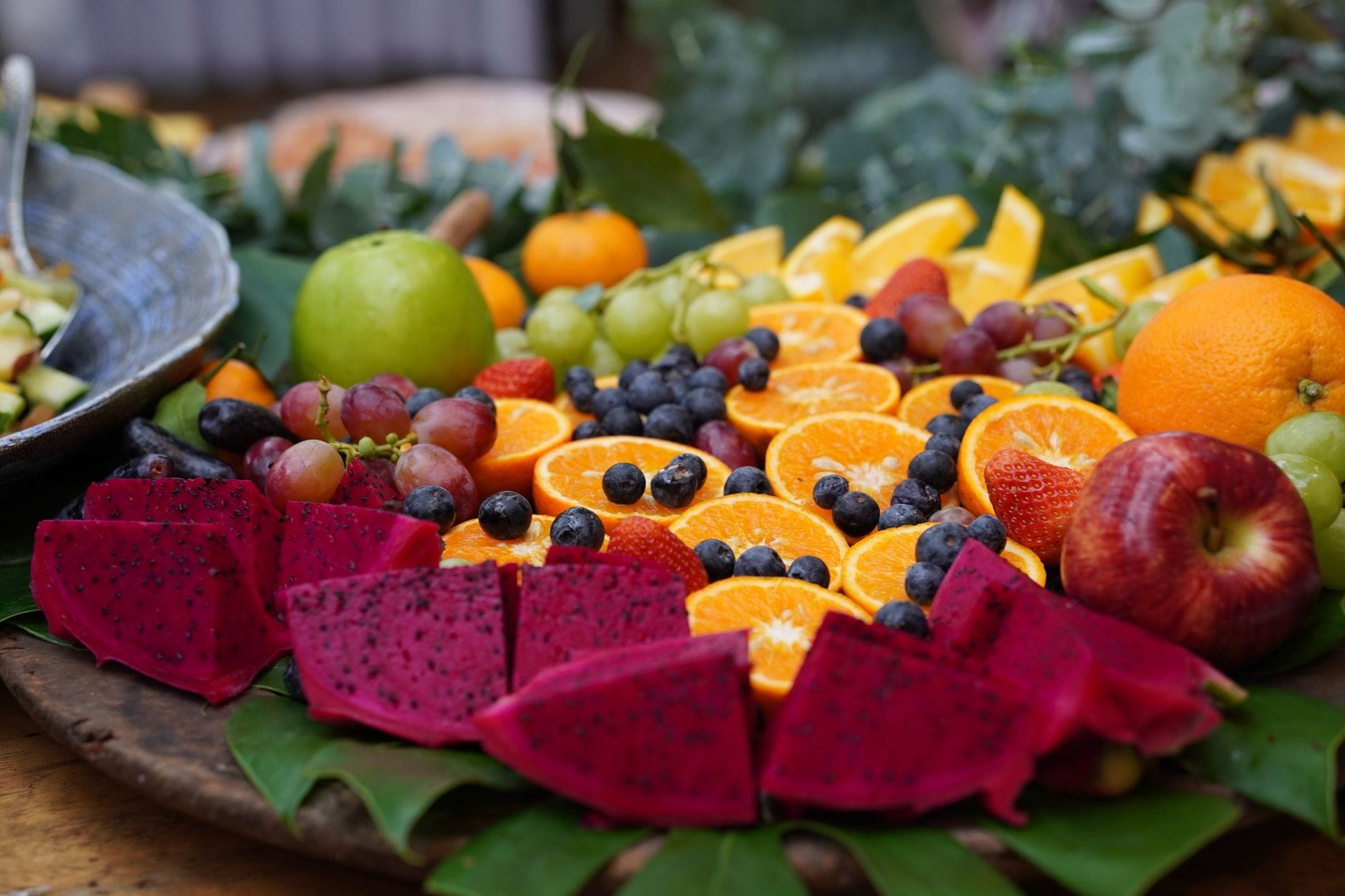
The menu is wider than most expect. A rough map:
Fruits: fresh or canned, with peels, membranes, and edible seeds removed
Vegetables: all of them, skins and tough parts taken off
Grains: soft whole-grain bread, pasta, rice, barley, and cooked cereals
Meat and poultry: tender or minced beef, lamb, pork, skinless chicken or turkey, and eggs
Seafood: skinless fish and shellfish like salmon, sardines, shrimp, and scallops
Dairy: milk, cottage cheese, smooth yogurt, and desserts like smooth ice cream or sorbet
Legumes: beans, peas, chickpeas, and silken tofu
Fats and extras: smooth nut butter, sour cream, vegetable oils, smooth sauces, mayonnaise, jelly, and syrups
Aim for variety across the week and make sure protein and fat show up, not just produce. A few foods resist puréeing no matter what. Whole grapes, apples, corn, and skin-on vegetables blend poorly, and pineapple, coconut, and raisins tend to leave hard bits behind even after processing. Those are the ones to leave out.
How to Make Puréed Foods
 Save
Technique matters as much as ingredients. The steps are straightforward.
Prep and cook
 Save
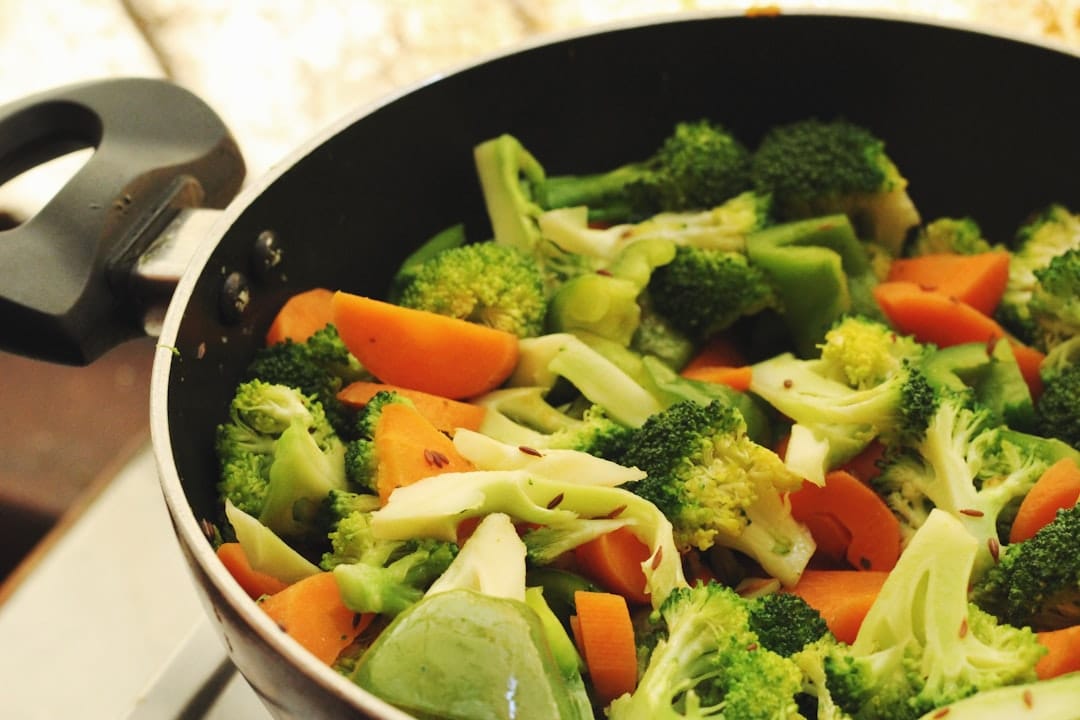
Chop everything into smaller pieces so the machine can handle it. Cook grains, pasta, and vegetables until they’re genuinely soft.
Blend
Add the food to a blender or processor and run the purée setting, or pulse in short bursts, until it’s smooth. No lumps, pudding-like throughout.
Fix the texture
Too thick? Thin it with water, broth, milk, or a sauce that suits the flavor, then blend again. You want smooth, not runny. Too thin? Work in a thickener such as a cornstarch slurry, gelatin, pectin, or potato flakes, adding gradually until it firms up.
A last touch: food molds and piping bags let you shape and plate purées so they look like a meal rather than a bowl of paste, which does more for appetite than you’d think.
Does It Help With Weight Loss?
 Save
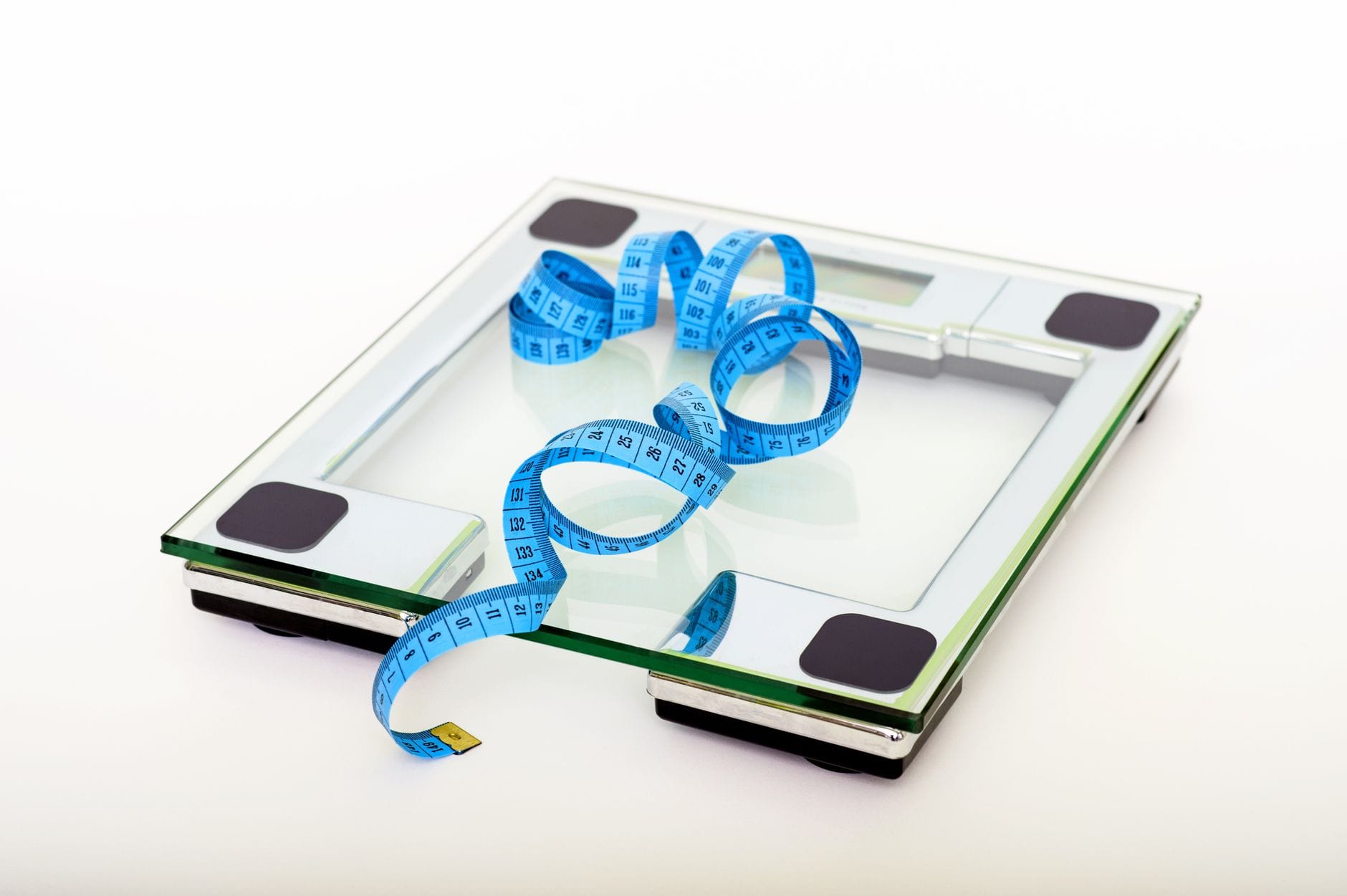
This part is less settled. A puréed diet is a texture strategy, not a weight-loss plan, and it can cut both ways. Smooth foods are easy to eat quickly, which for some people makes overeating easier, not harder. Any weight change usually comes down to what you blend and how much, the same as any other way of eating.
Frequently Asked Questions
How long do people stay on a puréed diet?
It depends entirely on the reason. After bariatric surgery it’s often a short, temporary stage. For severe, lasting swallowing problems, it can be long-term or permanent.
Can a puréed diet cause nutrient deficiencies?
It can if it leans too heavily on fruits and vegetables and skips protein and fats. A balanced plan built with a dietitian’s input keeps that risk low.
Are yogurt and pudding already puréed?
Yes. Smooth yogurt, mousse, and pudding usually meet the texture requirement as-is and need no extra blending.
The Bottom Line
A puréed diet exists to solve a real problem: keeping people nourished and safe when chewing or swallowing isn’t reliable. The mechanics are simple, but the nutrition takes intention. Cover every food group, watch out for the items that never blend smooth, and adjust consistency so meals are safe without turning watery. Because individual needs vary so much, loop in a doctor or registered dietitian to shape a plan that fits the person in front of you.
This article is for informational purposes only and is not a substitute for professional medical advice. Always consult a qualified healthcare provider or registered dietitian before starting a puréed diet, especially if you have a swallowing disorder or are recovering from surgery.