
A gentle, practical look at lowering potassium through everyday meals, plus the foods that make it easier.
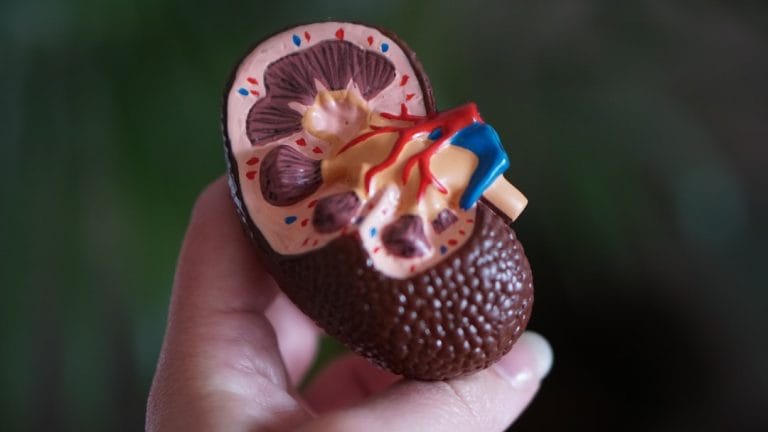
Potassium is one of those minerals that quietly runs the show. It helps your muscles contract, your heart keep rhythm, and your fluids stay balanced. Usually your kidneys handle any surplus, flushing it out through urine without you noticing. The trouble starts when the kidneys can’t keep up. Potassium builds in the blood, and too much of it can trigger muscle weakness and, in serious cases, life-threatening heart problems (1).
For people in that situation, a low-potassium diet becomes a tool rather than a restriction for its own sake. The idea is simple: eat in a way that keeps blood potassium inside a safe window. Doing it well takes a little planning, and honestly, a doctor’s input, because you’re trimming back some genuinely healthy fruits and vegetables along the way.
Key Takeaways
– A low-potassium diet mainly helps people with chronic kidney disease, heart issues, or high blood potassium (hyperkalemia).
– The usual target is roughly 2,000 mg of potassium a day, sometimes lower in severe kidney disease.
– Managing potassium is as much about portion size as it is about which foods you choose.
– Cooking tricks like leaching and double boiling pull a surprising amount of potassium out of root vegetables.
– A registered dietitian can build a plan around your labs so you don’t tip into deficiency.
Why Potassium Levels Matter
Healthy adults are generally advised to get plenty of potassium, around 3,400 mg a day for men and 2,600 mg for women, according to the US National Academy of Sciences. But for someone with hyperkalemia or chronic kidney disease, that number gets pulled down to about 2,000 mg per day, and in extreme kidney disease it may drop to 1,500 mg or even less (2), (3).
Why the caution? When potassium climbs too high in the blood, the body sends warning signs. These can include (4), (5):
Cold skin and drowsiness
Mental confusion or lightheadedness
Muscle tiredness, cramps, and weakness
Nausea and heart palpitations
In severe cases, paralysis
That range of symptoms is exactly why this isn’t a diet to improvise. Cutting too aggressively swings you toward deficiency, which brings its own muscle weakness, irregular heartbeat, and blood pressure swings.
How a Low-Potassium Diet Actually Works
 Save
At its core, the approach rests on a few habits that work together rather than any single rule.
You start by easing off high-potassium foods such as spinach, bananas, potatoes, mangoes, beets, and red meat (5). But swapping foods is only half of it. Portion size does a lot of quiet work here. Eat enough of a “low-potassium” food and you can still overshoot your daily allowance, so meals need to be planned with an eye on quantity, not just the ingredient list.
Packaged foods deserve a closer read, too. Many processed products carry additives like potassium chloride, which sneak the mineral in without any fruit or vegetable in sight (6). Checking labels becomes a small but genuinely useful ritual. And where you can, choosing a lower-potassium stand-in helps: white rice instead of brown, or grapefruit in place of grapes (7).
Cooking Can Do More Than You’d Think
 Save
Here’s the part that surprises people. How you cook a vegetable changes how much potassium ends up on your plate.
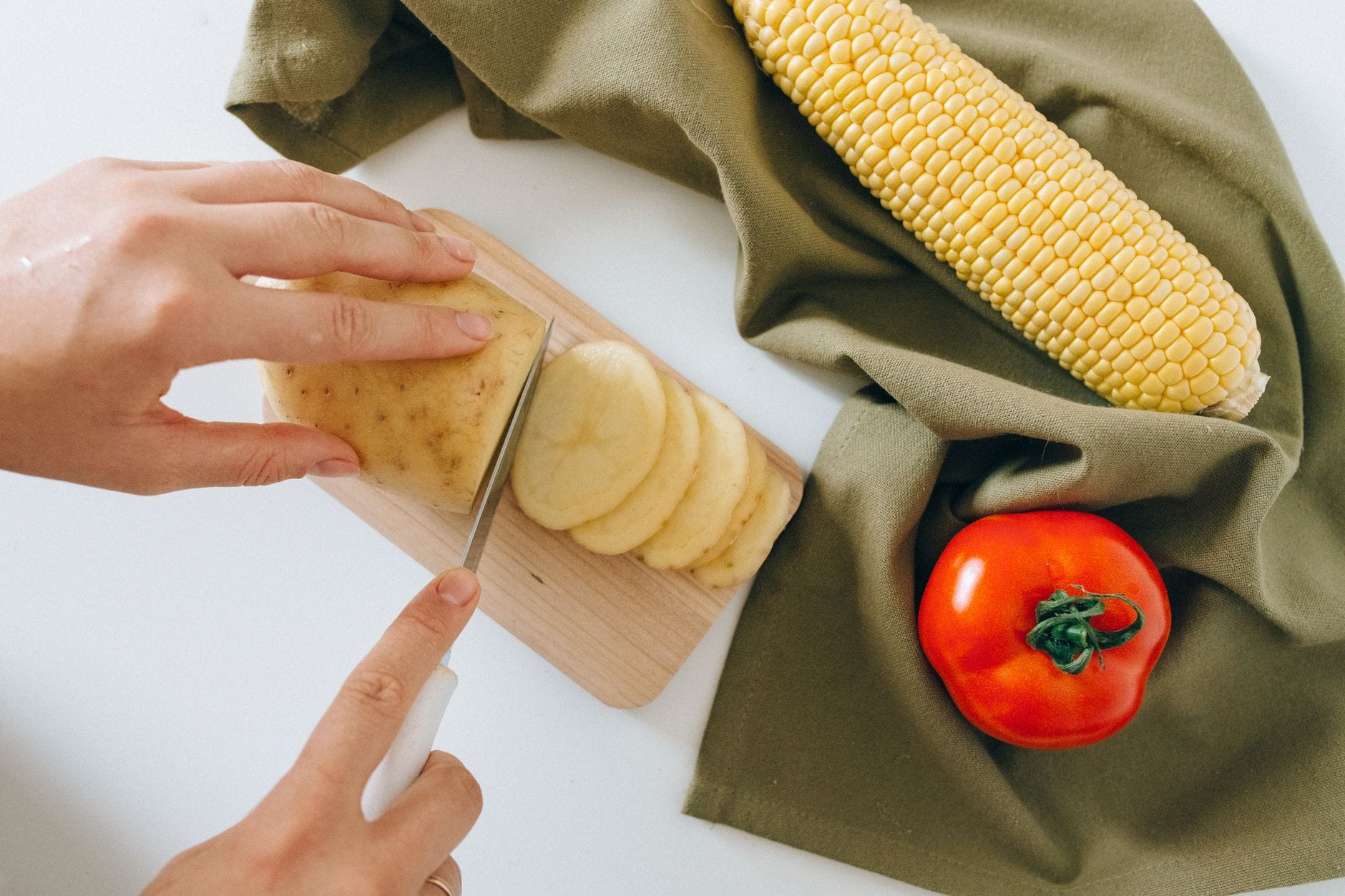
Leaching is the classic method for root vegetables like potatoes. You slice them thin, soak them in water overnight, drain, then boil in fresh water (8). Boiling itself pulls out a fair amount, and cutting vegetables into smaller pieces or shredding them before boiling removes considerably more than leaching alone, according to research from the National Library of Medicine (9). Another study found the double cooking method, boiling then rinsing then boiling again, draws out the most potassium from tuberous vegetables (10).
None of this replaces medical care. Your doctor may also prescribe diuretics or potassium binders to help clear excess potassium through urine and stool (11), (12). Still, day-to-day diet carries a lot of the load, which is why a dietitian’s personalized plan is worth the appointment.
Foods to Reach For
 Save
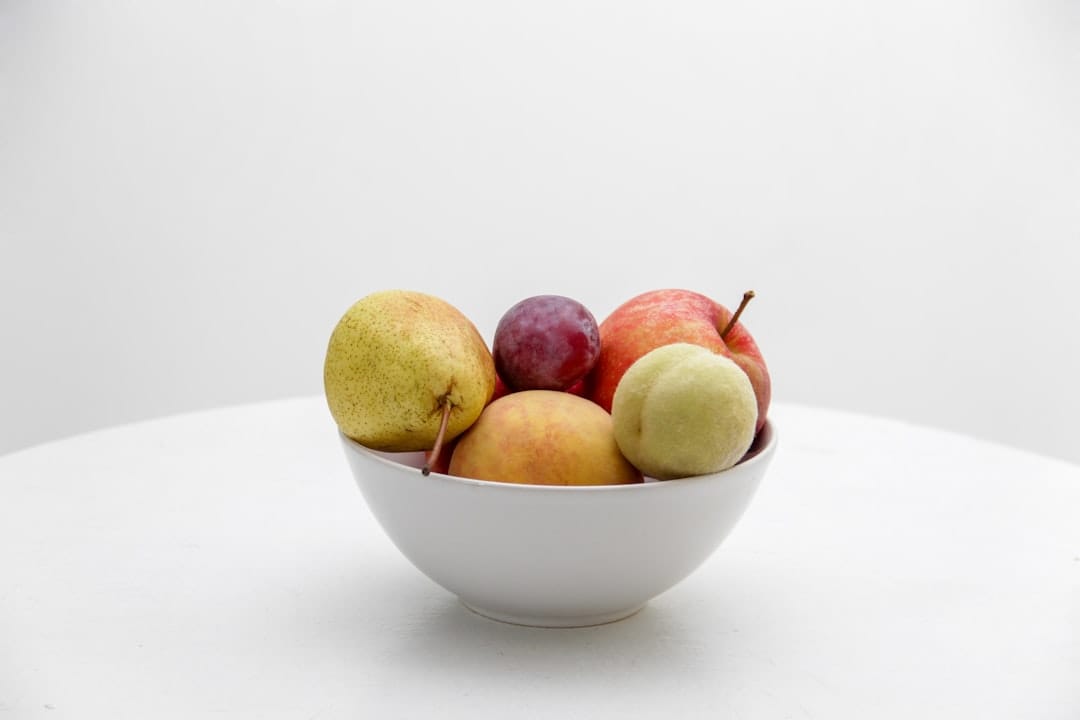
The good news is that a low-potassium plate can still be varied and satisfying. Vegetables that tend to sit on the lower end include green peas, cauliflower, sweet yellow corn, parsnip, green onion, iceberg and leaf lettuce, radish, cucumber, and green cabbage (14), (15).
Fruit doesn’t have to disappear either. Apples, strawberries, tangerines, pineapple, pear, grapefruit, honeydew melon, and citrus like lime and lemon are generally friendly choices.
Beyond produce, a few pantry staples round things out nicely:
White rice and pasta
Toasted bread
Egg whites
Rice milk
Corn flakes
Foods to Limit or Skip
 Save
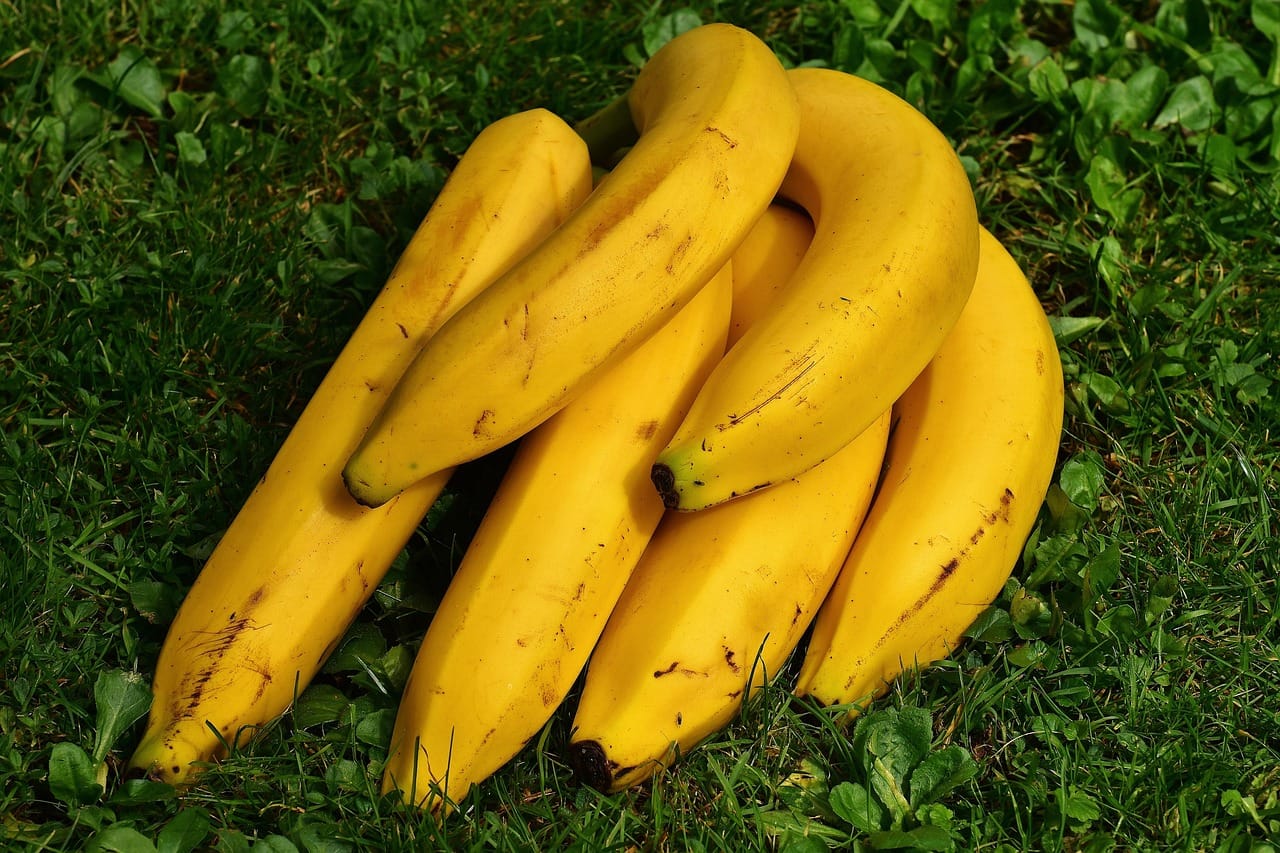
Some vegetables pack enough potassium that they’re best kept small or off the plate: spinach, sweet potato, asparagus, broccoli, celery, mushroom, tomatoes, beet greens, carrots, Brussels sprouts, and dried beans and peas (1), (15). Potatoes fall here as well, though portioning helps more than outright banning. A common guideline is capping potato at about a quarter of a medium one, and banana at roughly half a fruit per day.
On the fruit side, watch for watermelon, oranges, avocado, kiwifruit, grapes, cantaloupe, sweet cherries, plums, nectarines, and dried options like dates, prunes, and dried apricots (1). Dried fruit is sneaky, since drying concentrates the potassium into a small, easy-to-overeat handful.
Common Slip-Ups
The most frequent mistake is treating “low potassium” as a free pass on quantity. Portion creep undoes careful food choices fast. People also forget that additives in processed foods count, or they skip the extra cooking step that would have made a high-potassium vegetable workable. And going it alone, without labs or a dietitian guiding the numbers, makes it hard to know whether you’ve cut too much or not enough.
Frequently Asked Questions
How long do I need to follow a low-potassium diet?
It depends on why you started. For ongoing kidney disease it may be long-term, while a temporary spike in potassium might only call for short-term changes. Your care team decides based on your blood work.
Can I ever eat bananas or potatoes again?
Often yes, in controlled amounts. Roughly half a banana or a quarter of a medium potato can fit, especially when the potato is leached or boiled first.
Will cooking really lower potassium enough?
Cooking helps meaningfully, particularly double boiling of root vegetables, but it doesn’t erase potassium entirely. Combine it with sensible portions rather than relying on it alone.
The Bottom Line
A low-potassium diet is a targeted strategy, most useful for people with kidney trouble, heart concerns, or high blood potassium. Success comes from a mix of choosing lower-potassium foods, minding portions, reading labels, and using cooking methods that draw the mineral out. Because the balance between too much and too little is real, this is a plan best built with a doctor or dietitian who can read your numbers. Handled that way, it protects your heart and muscles while still leaving room for meals you’ll actually enjoy.
This article is for informational purposes only and is not a substitute for professional medical advice. Always consult your doctor or a registered dietitian before making significant changes to your diet, especially if you have kidney disease or any other health condition.