

A diabetes diagnosis changes what’s on your plate, not whether you enjoy it.
Getting diagnosed with diabetes tends to arrive with a wave of advice, and most of it sounds like a list of things you can no longer have. That framing is discouraging and mostly wrong. A workable diabetes diet still has fruit in it. It still has bread, meat, cheese, and dinners you look forward to.
What actually changes is the shape of the meal: how much of the plate goes to what, how often you eat, and which carbohydrates you reach for first.
Key Takeaways
– More non-starchy vegetables, whole grains, fruit, and lean protein; less added sugar.
– The plate method controls portions visually; carb counting is more precise and suits people on mealtime insulin.
– Fiber may slow sugar absorption, which is why the carb source matters as much as the amount.
– Regular meals beat skipped ones; skipping breakfast in particular may destabilize blood sugar.
– Movement makes your cells more insulin-sensitive, so exercise and diet work as a pair.
Where to Actually Start
Pick one change, not nine. The best return for the least effort is dropping sugary drinks: simple carbohydrates can release sugar into your body and cause the spikes you’re trying to avoid. Then add rather than subtract: non-starchy vegetables, whole grains, lean protein, and fruit.
A few principles worth understanding first:
Protein pulls its weight. It may slow carbohydrate digestion and glucose absorption, help steady blood sugar, and keep you full, which supports weight loss.
Fiber-packed carbs over bare ones. Carbohydrates turn into glucose and move your blood sugar more than other foods do. Fiber may slow that absorption, which flattens the curve.
Weight loss improves the machinery. Losing weight makes insulin more effective at the cellular level, boosts insulin production, and decreases the liver’s glucose production — a direct way to improve insulin resistance.
Regular meals, written down. Eating regularly prevents the hunger that leads to overshooting later, and a food diary makes portion sizes and calories visible instead of theoretical.
The Plate Method
 Save
This is the one to start with if numbers make your eyes glaze over. You need a 9-inch plate and nothing else.
Half the plate goes to non-starchy vegetables, or to complex carbohydrates like millet, whole grains, and leafy greens. One quarter goes to protein. The last quarter goes to a grain or a starchy vegetable. That’s the whole system, and it controls portion size without a single calculation.
Carb Counting, and When It’s Worth the Effort
Carb counting is the more precise cousin, mainly for people taking mealtime insulin who need to match their dose to the carbohydrates in their meal.
Carbohydrates are measured in grams, and packaged foods list a “Total Carbohydrates” number per serving. In carb-counting terms, 15 grams of carbs equals one carb serving.
The catch is that food servings and carb servings don’t line up. A small baked potato feels like one serving, but it carries about 30 grams of carbs, which counts as two. That gap is why this method is worth setting up with a nutritionist.
Neither approach wins outright: the plate method suits people who want a visual rule, carb counting suits people whose insulin dosing depends on precision. Your lifestyle, preferences, and health needs decide which one fits.
Foods You Can Lean On
 Save
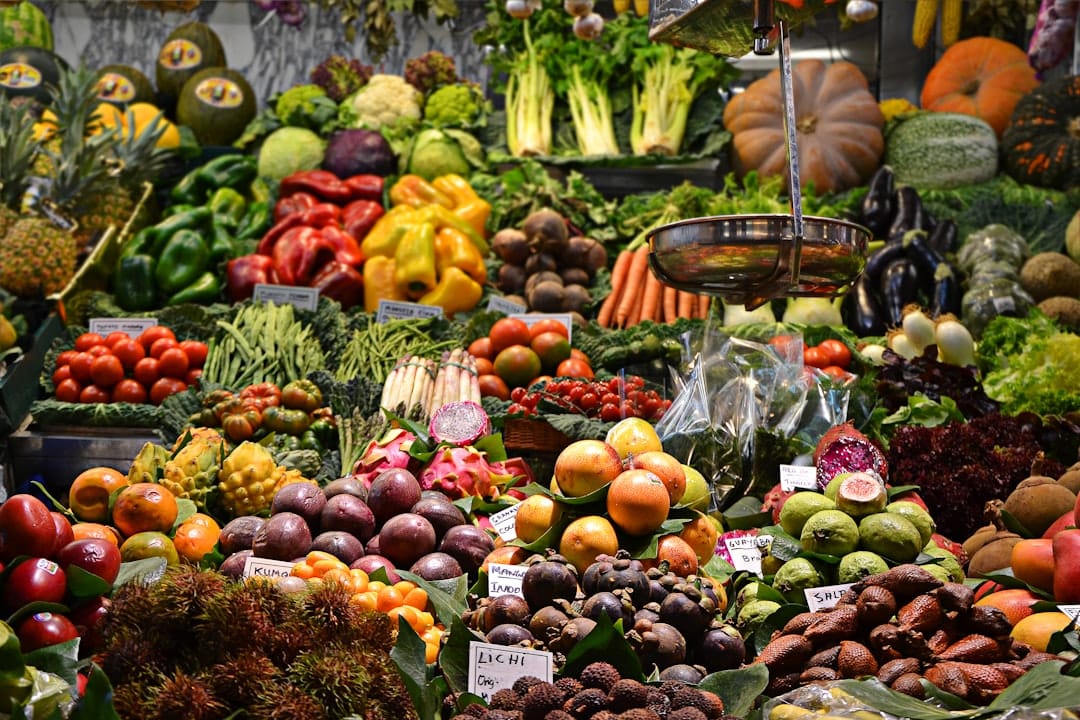
A good diabetes diet pulls from every food group rather than banning categories, following the portion sizes for each. It shares ground with an insulin-resistance diet: balance the carbs, keep blood sugar steady.
Vegetables split into two camps that behave differently:
Non-starchy — broccoli, carrots, greens, peppers, tomatoes. These are the ones filling half your plate.
Starchy — potatoes, corn, green peas. Not forbidden, just counted. They live in the last quarter of the plate.
Fruit stays on the menu: oranges, guava, papaya, berries, grapes, apples.
Portion sizes still apply to all of it. “Eat freely” means these foods are welcome, not that quantity stopped mattering.
Sugar, Fat, and Alcohol
Cutting sugar is the first step toward better blood glucose, and the most obvious one. Simple carbohydrates can release sugar into your body and cause blood sugar spikes.
Fat is more nuanced. The American Diabetes Association points to cutting saturated and trans fats while raising omega-3 intake, which may improve cholesterol and fat levels in people with diabetes. Replacing saturated and trans fats with unsaturated fats may also improve insulin sensitivity and reduce type 2 diabetes risk — a substitution, not an elimination.
Alcohol needs its own note, because the risk runs opposite to what people expect. People with diabetes who drink, particularly those on insulin or insulin medications, may be more likely to experience low blood sugar. The guidance for adults with diabetes is one drink a day for women and two for men.
Does the Glycemic Index Matter?
 Save
Somewhat, and it’s a useful lens even if you never memorize a single number.
The glycemic index estimates how quickly carbohydrate-containing foods break down during digestion and raise blood sugar. One study found that a low-GI diet can help lower fasting glucose, which may help people with prediabetes or diabetes.
It’s a decent tiebreaker between two similar foods, but it says nothing about how much of that food is on your plate — the plate method plus fiber still does most of the work.
Movement Is Part of the Diet
 Save
Exercise belongs in a diet article because it changes how the food you eat behaves.
Physical activity makes your body more sensitive to insulin, so your muscle cells use whatever insulin is available more effectively to take up glucose, during and after activity. There’s a second mechanism too: when your muscles are moving, your cells can grab glucose and use it for energy even when insulin isn’t available.
You don’t need a program; a walk after dinner puts those same muscles to work.
Frequently Asked Questions
Do I have to give up fruit?
No. Fruit is explicitly part of a diabetes diet, including oranges, berries, apples, grapes, papaya, and guava. Whole fruit brings fiber along with its sugar, and fiber may slow how quickly that sugar is absorbed. Portion sizes still apply.
Is this diet for anyone who wants to eat healthier?
Not really. It’s built for people with diabetes. Healthy individuals and anyone with an eating disorder should avoid it.
Why does everyone say not to skip breakfast?
Because skipping meals, breakfast especially, may cause unstable blood sugar levels. Eating regular meals and snacks helps prevent hunger and keeps blood sugar steadier.
The Bottom Line
A diabetes diet is a long-term way of eating built on high-fiber, low-fat, moderate-protein food and portions that don’t get away from you. The plate method makes that concrete for most people; carb counting adds precision for those on mealtime insulin. Add regular meals, some caution with alcohol, and movement most days, and you’ve covered the parts that matter.
The hardest stretch is the beginning, when the reduced portions take adjusting to. What replaces it is a set of habits that keep working for years, which is the actual goal, since none of this is a short-term project. Build your plan with your doctor or a dietitian so it accounts for your medications and your real life.
This article is for informational purposes only and is not a substitute for professional medical advice, diagnosis, or treatment. Always consult your doctor or a qualified healthcare provider about your diabetes management, medications, and any dietary changes.