
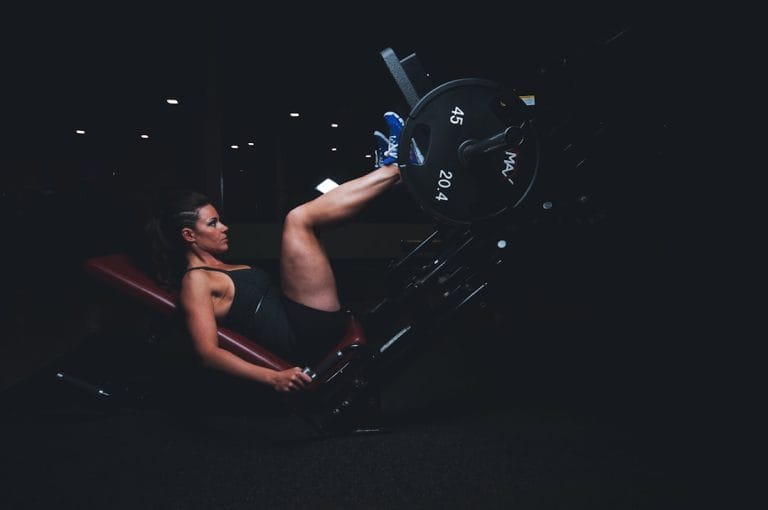
The four muscles at the front of your thigh do quiet work all day, and building them up pays off in ways you feel immediately.
Every time you stand up from a chair, climb a flight of stairs, or break into a jog to catch a bus, your quadriceps are doing the heavy lifting. This group of four muscles sits across the front of the thigh, and when it’s strong, ordinary movement feels effortless. When it’s weak, the same movements start to nag at your knees.
The good news is that quads respond well to training, and you don’t need a fully stocked gym to get started. A little floor space, maybe a sturdy box or a pair of dumbbells, and a few sessions a week will do it.
Key Takeaways
– The quadriceps are four muscles at the front of the thigh that straighten the knee and lift the leg.
– Strong quads support balance, stability, and smooth everyday movement like walking, standing, and stair climbing.
– A sedentary routine is a common reason quads lose strength over time.
– Squats, step-ups, lunges, and wall slides build the muscle with little or no equipment.
– Research links quad strength to less knee pain and a lower risk of knee osteoarthritis.
Meet the Muscles at the Front of Your Thigh
The quadriceps are made up of four separate muscles: the rectus femoris, vastus lateralis, vastus medialis, and vastus intermedius. Together they straighten your knee and help raise your thigh toward your torso, which is the motion behind nearly every step you take.
Strong quads make lower-body movement smoother and improve hip flexion, so getting up off the floor or powering up an incline stops feeling like a project. Building them takes a bit of patience. Muscle grows with consistent effort, not one heroic workout, so plan on training these legs three to five times a week and letting the results accumulate.
Why Quads Get Weak
If standing up right after sitting feels stiff, or stairs leave your thighs complaining, weak quads may be the reason. Muscles that aren’t challenged regularly gradually lose strength, and a day spent mostly seated gives them very little to do.
Long stretches of inactivity are the usual culprit. Skip resistance work for months and the quads simply have no reason to hold their size. There’s a medical angle too. Quadriceps weakness has been shown to worsen knee pain in people with osteoarthritis, the most common form of arthritis, which develops as the protective cartilage at the ends of the bones wears down and the joint starts to ache. Keeping these muscles active is one way to stay ahead of that cycle.
What You Gain From Stronger Quads
 Save
The obvious payoff is easier knee extension, so the daily catalog of standing, walking, and stair climbing gets simpler. But the benefits reach further than convenience.
Less knee pain. Quad strengthening has been tied to reduced pain and functional disability in people with osteoarthritis.
Better athletic output. Stronger quads mean more power and stability, which shows up in running, cycling, and jumping.
Safer landings. Training can increase jump height, knee-flexion angle, and quadriceps reflex activity during the landing phase of a jump, all of which help absorb impact.
Steadier balance. These muscles anchor your stability, so you feel more grounded on your feet.
Lower long-term risk. Regular work may reduce the odds of developing knee osteoarthritis down the road.
Exercises That Build Quad Strength
You can cover a lot of ground with a handful of movements. Start with the ones that need no equipment and add load as you get comfortable. Aim for good form over big numbers, and stop if anything sharp shows up in the knee.
Bodyweight Squats
The squat is the anchor of any leg routine, and you can do it anywhere. Stand with your feet about shoulder-width apart, arms at your sides. Engage your core, push your hips back, and lower yourself while clasping your hands at chest height. When your thighs reach parallel with the floor, pause for a beat, then rise. Two to three sets of 10 to 15 reps is a solid target.
Keep your feet lined up with your knees so the joint isn’t strained, and resist the urge to round your back. Newer to this? Squat down to a chair or box to groove the pattern. Once that feels easy, add depth, and eventually add a jump at the top for more resistance.
Step-Ups
Step-ups are a quiet fix for muscular imbalances because they force one leg to work at a time. Use a knee-high box or a stable elevated surface. Plant your left foot on the box and step up, keeping the knee tracking over the ankle rather than caving inward, and drive your right knee up to hip height. Step back down under control and repeat on the other side, alternating for 10 to 15 reps.
Pick a sturdy surface, and if you hold dumbbells, keep at least one hand free for balance. Raise the box height or add weight as you progress.
Lunges
 Save
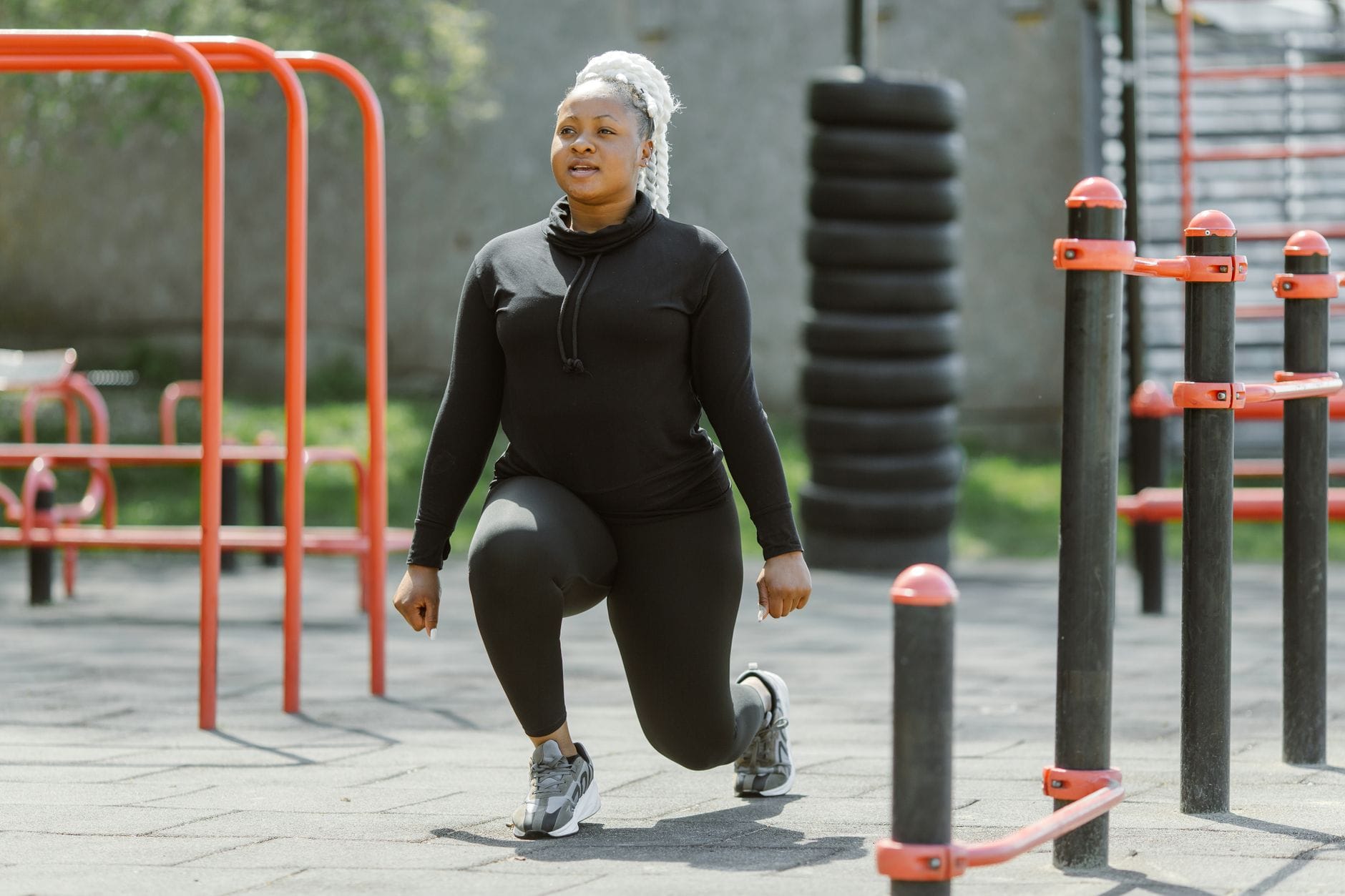
Lunges pair strength with mobility and do a nice job of shaping the thighs and glutes. Stand with feet hip-width apart, optionally holding a dumbbell in each hand. Step forward with one foot and lower until your front shin is roughly vertical and your back leg approaches parallel with the floor. Hold briefly, then switch legs, working up to two or three sets of 10 to 15 reps per side.
Don’t let your back knee bang the floor, and keep the front knee aligned with your toes. One fitness blogger who added lunges to tone her legs noted that holding free weights made the movement more challenging and hit both the thighs and the backside.
Wall Slides
 Save
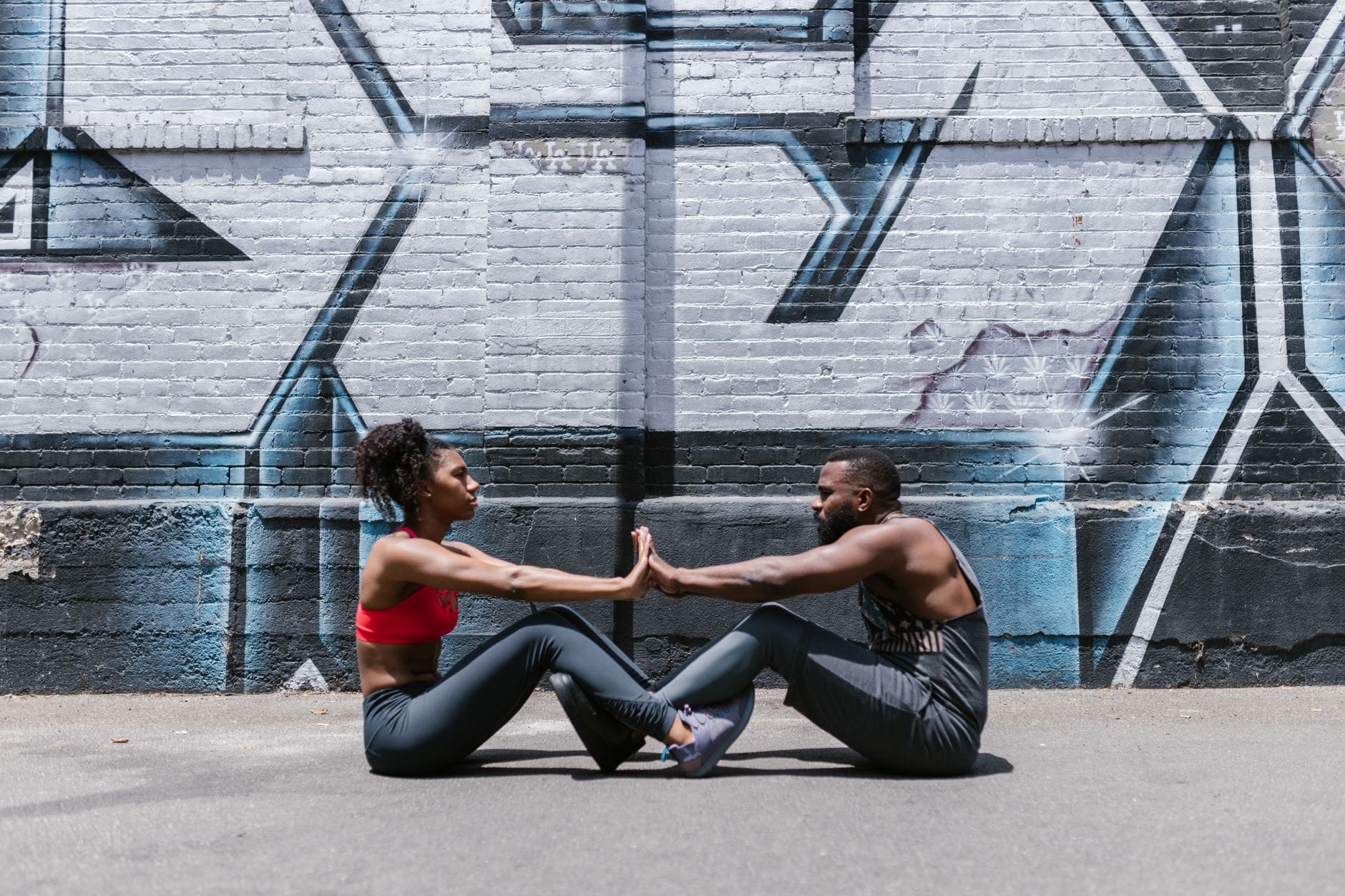
This one is gentle on the knees and easy to do at home, and it works the quads, calves, and glutes at once. Stand with your back flat against a wall, feet shoulder-width apart. Bend your knees and slide down until they reach about a 45-degree angle, hold for 10 seconds, then slide slowly back up to standing. Two to three sets of 10 to 15 reps works well.
Avoid dropping too low, which loads the knees, and rise back up slowly rather than popping up. Beginners can start seated with bent knees; more advanced trainees can loop a resistance band above the knees for extra tension.
Bulgarian Split Squats
 Save
Once the basics feel routine, the Bulgarian split squat raises the difficulty. Elevating the back foot on a bench extends your range of motion and forces the front leg to carry the load, which builds serious single-leg strength and challenges your balance at the same time.
Who Should Be Careful
Not everyone should jump straight into a leg program. If you’re nursing an existing injury, dealing with chronic knee joint pain, or recovering from recent surgery, hold off and check with a professional first. Some of these movements also benefit from a spotter or a hand on a stable surface, especially once you start adding weight. There’s no prize for pushing through pain here.
Frequently Asked Questions
How often should I train my quads?
Three to five sessions a week is a reasonable range for building strength. Space them out so the muscles have time to recover between workouts, and let the harder, weighted sessions have a rest day on either side.
Can I strengthen my quads without any equipment?
Absolutely. Bodyweight squats, wall slides, lunges, and step-ups using a stair or low box all build the muscle without a single dumbbell. Equipment simply gives you a way to add resistance once bodyweight stops feeling hard.
Will quad exercises help my knee pain?
For many people, yes. Studies link stronger quads to less pain and better function in people with knee osteoarthritis. That said, if you already have significant knee pain, talk to a clinician before starting so you choose movements that suit your situation.
The Bottom Line
Your quads carry you through the whole day, and they lose strength fast when they aren’t used. Weaving a few targeted moves into your week, squats, step-ups, lunges, and wall slides among them, rebuilds that strength, steadies your balance, and takes strain off your knees. Start light, focus on clean form, and add difficulty as your legs adapt. If you have a knee injury or a recent surgery in your history, get a professional’s go-ahead before you begin.
This article is for informational purposes only and is not a substitute for professional medical advice. Consult a qualified healthcare provider or physical therapist before starting any new exercise program, especially if you have an existing injury or health condition.