
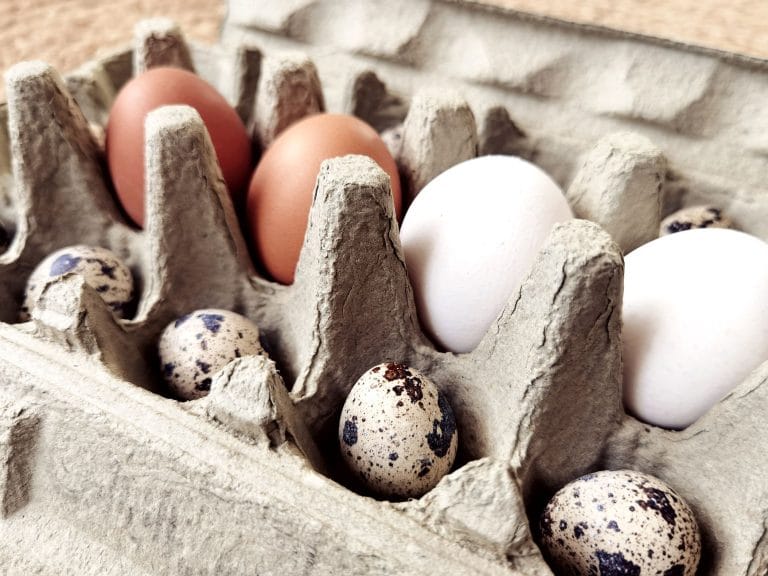
The great white-versus-brown egg debate has a surprisingly boring answer, and it starts with the chicken.
Stand in front of the egg case and you might reach for the brown carton on instinct. Brown feels wholesome, a little more farm-fresh, the same way brown bread or brown rice reads as the healthier pick. Eggs break that pattern. The shade of the shell tells you almost nothing about what you crack into the pan, and understanding why can save you both money and a few false assumptions.
Below is the practical version of what sets these eggs apart, and the short list of things that actually matter more than color.
Key Takeaways
– Shell color is set mainly by the breed and genetics of the hen, not by how healthy or natural the egg is.
– Brown and white eggs deliver very similar protein, vitamins, and minerals.
– Taste comes down to feed, freshness, and cooking method, never the color of the shell.
– Brown eggs usually cost more because the hens that lay them tend to be larger and eat more feed.
– Labels like organic, free-range, and omega-3 fortified tell you far more than color ever will.
Why Some Eggs Are Brown and Others White
 Save
SaveThe color of an eggshell is a breed trait. According to the USDA, which hens lay which color comes down to genetics. White Leghorns, White Rocks, and Cornish hens produce white eggs. Plymouth Rocks, Rhode Island Reds, and New Hampshires lay brown ones. And a handful of breeds go further still: Araucanas, Ameraucanas, Lushi, and Dongxiang chickens lay eggs in blue or blue-green.
Those non-white shades come from pigments the hen’s body deposits as the shell forms. Brown shells get their color from a pigment called protoporphyrin IX. Blue shells owe their tint to biliverdin. Color can even shift a little within one breed, depending on which genes dominate.
Breed sets the baseline, but a few other things nudge the shade lighter or darker. A hen’s diet, age, stress level, and surroundings can all move the dial slightly. They change how light or deep the brown looks, not the fundamental color of the egg.
One backyard-flock owner put it plainly after years of raising her own birds. She’d assumed brown eggs were the “farm fresh” ones and was, in her words, very wrong. Small flocks, she noted, often lay an entire spectrum, from white to deep chocolate brown and even blue, pink, and green.
Is One Actually Healthier Than the Other
This is the assumption worth retiring. Research on egg composition finds that shell color does not affect the quality or the nutrition inside. Brown and white eggs both give you high-quality protein along with the vitamins and minerals eggs are known for. The much-repeated idea that brown eggs pack more protein doesn’t hold up.
What genuinely changes an egg’s nutrition is the hen behind it, specifically her environment and her feed.
Hens that roam outdoors with real sun exposure tend to lay eggs with more vitamin D than hens kept conventionally in coops and cages. Feed matters too. When hens eat a diet enriched with omega-3 fatty acids or extra vitamin D, those nutrients show up at higher levels in their eggs. So the meaningful upgrade isn’t a brown shell, it’s how the bird was raised and what she was fed.
Since the two are nutritionally on par, you can cook either one however you like: poached, fried, boiled, scrambled, or folded into a quiche, omelet, or frittata. The color won’t change the outcome on your plate.
Do Brown and White Eggs Actually Taste Different
 Save
SavePlenty of people swear brown eggs taste richer, and I understand why the belief sticks. But flavor tracks with other factors, not the shell.
Feed is a big one. Many home-raised hens happen to lay brown eggs and eat a varied diet, which can give the yolk a deeper color and a slightly richer flavor. People then credit the brown shell for a taste that really came from the feed and the freshness.
Freshness carries a lot of weight here. Eggs pick up off-flavors the longer they sit, especially in warm storage. Eggs gathered straight from a backyard skip the extra processing and shipping that supermarket cartons go through, so they simply taste fresher.
Cooking method plays a role too. In one study, eggs from hens fed regular feed and eggs from hens fed a fish-oil-enriched diet tasted identical when scrambled. Boiled, though, the fish-oil eggs took on a faintly sulfur-like off note. Same eggs, different preparation, different result.
Size is one place where a real, measurable gap shows up. Research indicates brown eggs tend to be heavier, with more shell, more egg white (albumen), and slightly less yolk than white eggs. Whether that matters to you is purely a matter of preference.
Why Brown Eggs Usually Cost More
 Save
SaveIf brown and white eggs are nearly identical inside, why does brown so often ring up higher? The price gap has nothing to do with quality. The breeds that lay brown eggs are generally larger birds, and larger birds eat more feed. That added feed cost gets passed along to the carton.
There’s a second layer, too. Specialty eggs such as organic and free-range are frequently brown, and those production methods cost more to begin with. So a brown carton can look premium when what you’re really paying for is the farming practice, not the pigment.
What to Check on the Carton Instead
 Save
SaveColor is a distraction. The labels are where the useful information lives. When you want a genuinely better egg, look for terms like these:
Organic — hens raised on pesticide-free grains and feed.
Omega-3 fortified — hens fed flaxseed and fish oil to boost the egg’s omega-3 content.
Vitamin-enhanced — hens on a vitamin-rich diet that carries through to the egg.
Free-range — hens free to roam and forage.
Cage-free — hens kept indoors but not confined to cages.
Antibiotic-free — hens raised without antibiotic treatment.
Any of these tells you something real about how the egg was produced. A brown shell tells you only which breed of hen was on the job.
Frequently Asked Questions
Are brown eggs more natural than white eggs?
No. “Natural” isn’t tied to color at all. Both come from hens, and how natural the egg is depends on how the bird was raised and fed, which is exactly what labels like organic and free-range describe.
Why is my brown egg yolk darker and more orange?
Yolk color reflects the hen’s diet, not the shell. A varied feed tends to produce a deeper, more vibrant yolk. Since many darker-yolk eggs happen to come from brown-egg breeds on that kind of feed, people connect the two, but the shell isn’t the cause.
Is it worth paying extra for brown eggs?
Only if the higher price buys you something you value, like organic or free-range production. Paying more purely for a brown shell gets you the same nutrition you’d find in a white egg.
The Bottom Line
Eggs come in white, brown, and even blue-green, and that range is a story about chicken breeds, not health. Brown eggs aren’t more nutritious, more natural, or better tasting than white ones. The things that genuinely shape an egg’s nutrition and flavor are the hen’s diet, her living conditions, and how fresh the egg is by the time it reaches you. Next time you shop, skip the color contest and reach for eggs that are freshly gathered or carry a label you actually care about, whether that’s USDA organic, nutrient-enriched, or free-range.
This article is for general information only and is not a substitute for professional medical or dietary advice. Talk to a qualified healthcare provider or registered dietitian about your individual needs, especially if you have allergies or specific health conditions.