
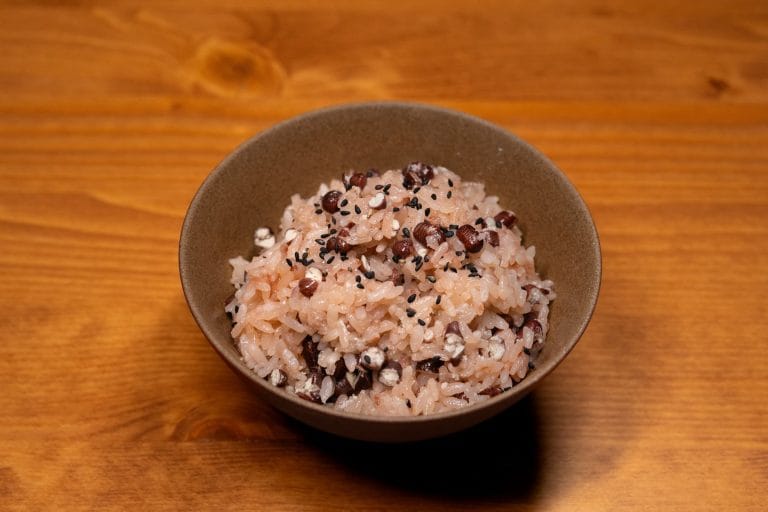
A minimally processed whole grain that keeps the nutritious parts white rice throws away.
You have probably noticed brown rice showing up more often, on menus and in the pantries of friends who are paying closer attention to what they eat. The reason is less about trend and more about biology. Because brown rice keeps its bran and germ, it holds onto fiber, minerals, and plant compounds that get polished away when rice is turned white.
This piece walks through what brown rice is, what a serving actually contains, and seven ways it may support your health, along with the cautions worth knowing before you make it a staple.
Key Takeaways
– Brown rice is a whole grain that keeps its bran and germ, so it carries more nutrients than white rice.
– Its fiber and magnesium may support heart health and steadier blood sugar.
– The lower glycemic index and higher fiber can help with fullness and weight management.
– It is naturally gluten-free, making it a safe grain for people with celiac disease or gluten sensitivity.
– Moderation matters, since brown rice contains arsenic and is high in phosphorus and potassium.
What Brown Rice Actually Is
A grain of rice has three layers you can think about: the tough outer husk, the bran just beneath it, and the endosperm, which houses the germ that could grow into a new plant. Milling white rice strips off the husk, bran, and germ, leaving mostly starch behind.
Brown rice is different. The husk comes off, but the bran and germ stay put. That bran is the most nutrient-dense part of the grain, and keeping it is exactly why brown rice ends up richer in fiber, minerals, and antioxidants. If you have wondered whether white rice is the healthier choice, the nutrition math points the other way.
What’s Inside a Serving
Per 100 grams, brown rice delivers roughly 367 calories, about 76 grams of carbohydrate, 3.6 grams of fiber, and just under a gram of sugar. It is a solid source of several minerals, including magnesium (around 116 mg), phosphorus (311 mg), and potassium (250 mg), along with niacin, vitamin B6, folate, and pantothenic acid.
Smaller amounts of zinc, iron, copper, selenium, manganese, and vitamins E and K round it out. Registered dietitian nutritionist Sally Stevens also notes that brown rice is a rich source of phenols and flavonoids, the plant antioxidants behind several of the benefits below.
A Friend to Your Heart
 Save
Diets high in cereal fiber have been tied to a lower risk of dying early, particularly from cardiovascular disease. Brown rice contributes that fiber, and it also supplies lignans, plant compounds linked to reduced heart-disease risk, though researchers are still working out how much of a role they play.
Then there is magnesium. Higher magnesium intake has been associated with a lower risk of metabolic syndrome, high blood pressure, and coronary heart disease. A cup of brown rice is a quiet, everyday way to nudge that number up.
Blood Sugar and Diabetes
 Save
Fiber slows the digestion of starch, which means glucose enters the bloodstream more gradually rather than in a sharp spike. For someone managing diabetes, that steadier release is genuinely useful, and it may also lower the risk of developing the condition in the first place.
The rice bran adds magnesium and a compound called γ-oryzanol, both of which may help with blood sugar control. In one study, people who ate brown rice twice a day for eight weeks saw a drop in HbA1c, a key marker of longer-term blood sugar. That matters given how widespread diabetes has become: globally, about one in eleven adults lives with it, the large majority type 2, and rates are climbing in many regions.
May Support Weight Management
Carrying more energy in than you burn is closely linked to obesity, so foods that help you eat a little less without feeling deprived earn their keep. Brown rice has a lower glycemic index than white rice, thanks to its fiber, and fiber-rich foods tend to keep you full longer.
Used as an everyday staple in place of white rice, brown rice has been associated with more weight loss and a lower body mass index in people who are overweight. It is not a magic bullet, but swapping it in is a small change that adds up.
Skin, Antioxidants, and Everyday Health
The vitamin E in brown rice is a strong antioxidant that helps shield skin from oxidative stress, including the kind of sun-driven photoaging that leads to wrinkles. Its phenolic compounds may also calm redness and irritation, though the skin research here is still early and worth treating as promising rather than settled.
There is a broader story too. Brown rice is a good source of manganese, a mineral that supports bone formation, growth, and fertility, and whose shortfall can cause real problems. Its flavonoids and phenols help neutralize free radicals, which is part of why whole grains are linked to lower rates of chronic conditions like heart disease, type 2 diabetes, and some cancers.
Naturally Gluten-Free
 Save
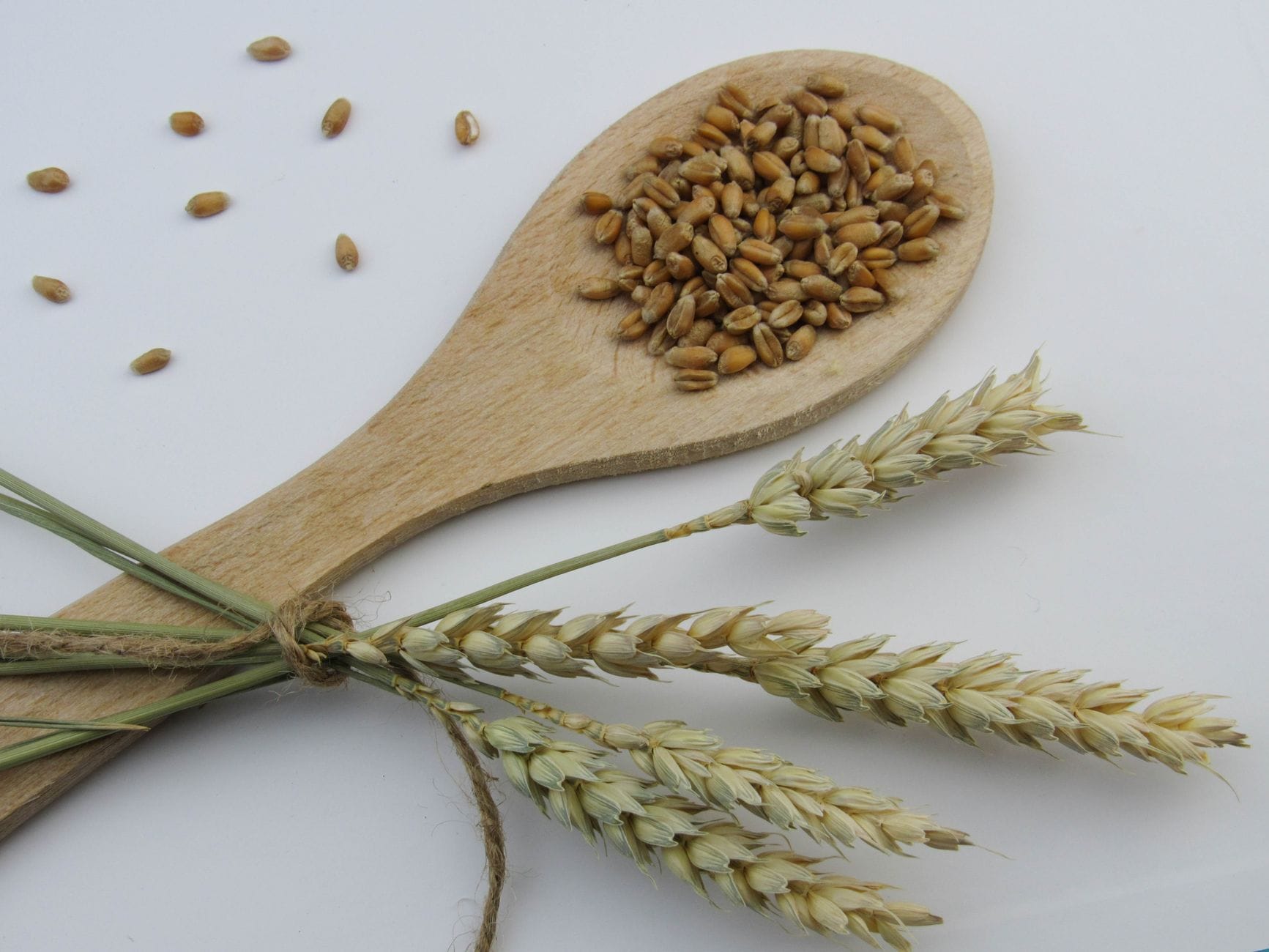
For anyone with celiac disease, gluten triggers the immune system to attack the body’s own tissue, so avoiding it is not optional. Brown rice contains no gluten, which makes it a safe, filling grain for people with celiac disease as well as those who are simply sensitive or allergic to the gluten found in wheat.
May Help With Cholesterol
Brown rice has shown the ability to lower both total and LDL (“bad”) cholesterol while nudging HDL (“good”) cholesterol upward. The effect looks strongest in people with metabolic syndrome: in trials, brown rice led to lower glucose and insulin than white rice, and one group eating it for eight weeks saw weight loss, better insulin resistance, and improved cholesterol.
A Few Cautions
Brown rice runs high in phosphorus and potassium, so anyone on a renal diet should keep portions in check and talk with their care team. It also contains arsenic, and long-term heavy intake has been associated with a higher risk of cancer, heart disease, and type 2 diabetes in some people. Eaten in moderation as part of a varied diet, it poses no problem for most.
In Your Kitchen
 Save
Working brown rice into meals is easy. A few starting points:
Serve it as a base for curries and stir-fries.
Use it in risotto or a warm grain bowl.
Cook it into a breakfast porridge.
Fold it into puddings and other desserts.
Most experts consider about one cup a day (roughly 150 grams) enough to cover your needs for many nutrients. To cook it, use two cups of water per cup of rice, rinse the grains under cold water first, and soak for an hour if you want to shorten the simmer time. It takes a little longer than white rice, so plan for the extra minutes.
Frequently Asked Questions
Is brown rice really better than white rice?
Nutritionally, yes. Because it keeps the bran and germ, brown rice carries more fiber, magnesium, antioxidants, and other nutrients that milling removes from white rice.
How much brown rice should I eat in a day?
Around one cup, or about 150 grams, is a reasonable daily serving that helps meet your needs for many nutrients without overdoing calories or minerals.
Can brown rice help with weight loss?
It can support it. The fiber promotes fullness and its lower glycemic index means a gentler blood sugar response, both of which make it easier to avoid overeating.
The Bottom Line
Brown rice is a genuinely nutritious swap for its polished counterpart, holding onto fiber, minerals, and plant antioxidants that may benefit your heart, blood sugar, cholesterol, and weight. It is filling, naturally gluten-free, and simple to cook once you allow a little extra time. Keep portions sensible if you have kidney concerns, vary your grains to limit arsenic exposure, and it can be a dependable part of a balanced diet.
This article is for informational purposes only and is not a substitute for professional medical advice. Talk with a qualified healthcare provider before making significant changes to your diet, especially if you have diabetes, kidney disease, or another chronic condition.