
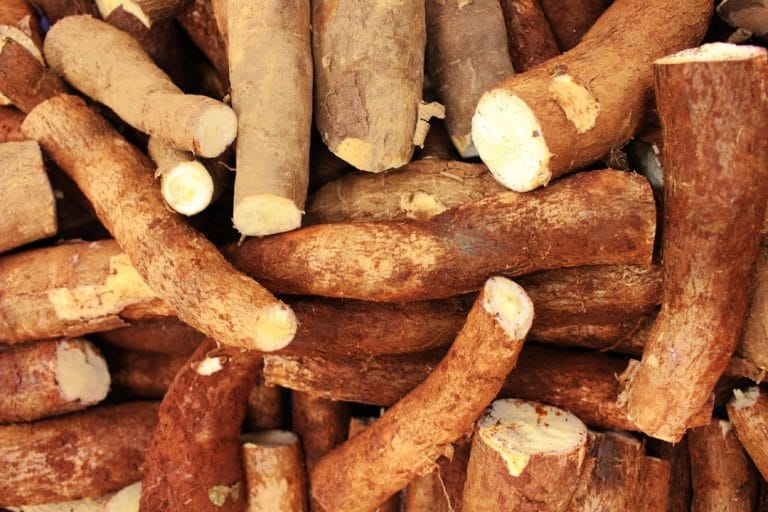
A pantry staple from tropical roots that bakes like wheat, minus the gluten.
Cassava flour has quietly become a favorite in gluten-free kitchens, and for good reason. It comes from the starchy root of the cassava plant, a tropical shrub grown across South America, Africa, and South Asia, and it behaves in recipes a lot like ordinary wheat flour. You can bake cakes with it, thicken a soup, roll out tortillas, or even use it to make pasta.
The appeal runs deeper than the missing gluten, though. Cup for cup, cassava flour brings fiber, a handful of minerals, and a surprising dose of vitamin C to the table. It also carries a genuine safety caveat that’s worth understanding before you start swapping it into everything.
Key Takeaways
– Cassava flour is naturally gluten-free, making it a solid choice for people with celiac disease or gluten sensitivity.
– It’s a good source of dietary fiber, which supports digestion and more regular bowel movements.
– It supplies vitamin C for immune support and provitamin A that your body converts to vitamin A for eye health.
– It substitutes for wheat flour at a roughly 1:1 ratio, though you may need a little extra liquid.
– In some people it can trigger dizziness, vomiting, or, rarely, serious allergic reactions, so use it in moderation and stop if symptoms appear.
What Cassava Flour Actually Is
 Save
SaveCassava (Manihot esculenta Crantz) goes by several names depending on where you are: manioc, yuca, mahinot, or tapioca. It’s a cheap, dependable source of carbohydrates for much of the tropical world, and the same root that becomes the chewy pearls in bubble tea also gets grated, dried, and milled into flour.
The result is fine, white, and faintly aromatic, with an earthy, mildly nutty flavor and a whisper of bitterness. Nutritionist Vasundhara Agrawal describes it simply as a substitute you can drop into any recipe that calls for wheat flour, which makes gluten-free cooking far less fussy. Registered dietitian Jamie Feit points to its range too, noting it works as a thickener and even as a stand-in for breadcrumbs.
One detail that gives cassava flour some of its benefits: much of its starch is resistant starch, meaning the small intestine doesn’t fully digest it. That’s part of why it’s linked to steadier blood sugar and better digestive health.
Cassava Flour vs. Tapioca Flour
These two get confused constantly, and it’s understandable since they come from the exact same plant. The difference is in the processing.
Cassava flour uses the whole blanched root, so it keeps more of the fiber and has a finer texture with that faint nutty taste. Tapioca flour is made by grating and rinsing the root until only a starchy liquid remains, which is then dried into a nearly flavorless powder. Tapioca is essentially pure starch, while cassava flour is the more nutritionally complete of the pair, which is why it holds up better as a full wheat-flour replacement.
What’s Inside a Cup
Here’s what one cup (about 285 grams) of cassava flour delivers:
Calories — 456 kcal
Carbohydrates — 108 g (36% DV)
Dietary fiber — 5.1 g (20% DV)
Protein — 3.9 g
Sugars — 4.8 g
Fat — 0.8 g (1% DV)
Potassium — 772 mg (22% DV)
Vitamin C — 98% DV
Sodium — 40 mg (2% DV), plus smaller amounts of calcium and iron
Beyond the numbers above, cassava flour also carries thiamine, riboflavin, niacin, phosphorus, and plant pigments called carotenoids. Trainer Christine VanDoren, CPT, links its regular use to better digestion, colon health, and clearer skin.
The Health Benefits Worth Knowing
Cassava flour earns its reputation from a few different directions, so it helps to break the benefits down one at a time.
Naturally gluten-free
For anyone with celiac disease or a gluten allergy, cassava flour is a safe swap, according to gastroenterologist Dr. Madathupalayam Madhankumar. What sets it apart from many gluten-free products is value. Specialty flours often cost more and offer less nutrition than their wheat counterparts, whereas cassava flour is both affordable and reasonably nutrient-dense. Compared with coconut or almond flour, it’s lower in fat, and it carries fewer calories per gram than corn, rice, plantain, sorghum, or wheat.
A fiber boost for digestion
Fiber is where cassava flour pulls ahead of plain wheat flour. Dietary fiber supports regular bowel movements, adds bulk, and shortens the time food spends moving through the colon. That combination tends to make digestion feel smoother and more predictable.
Vitamin C and immune support
 Save
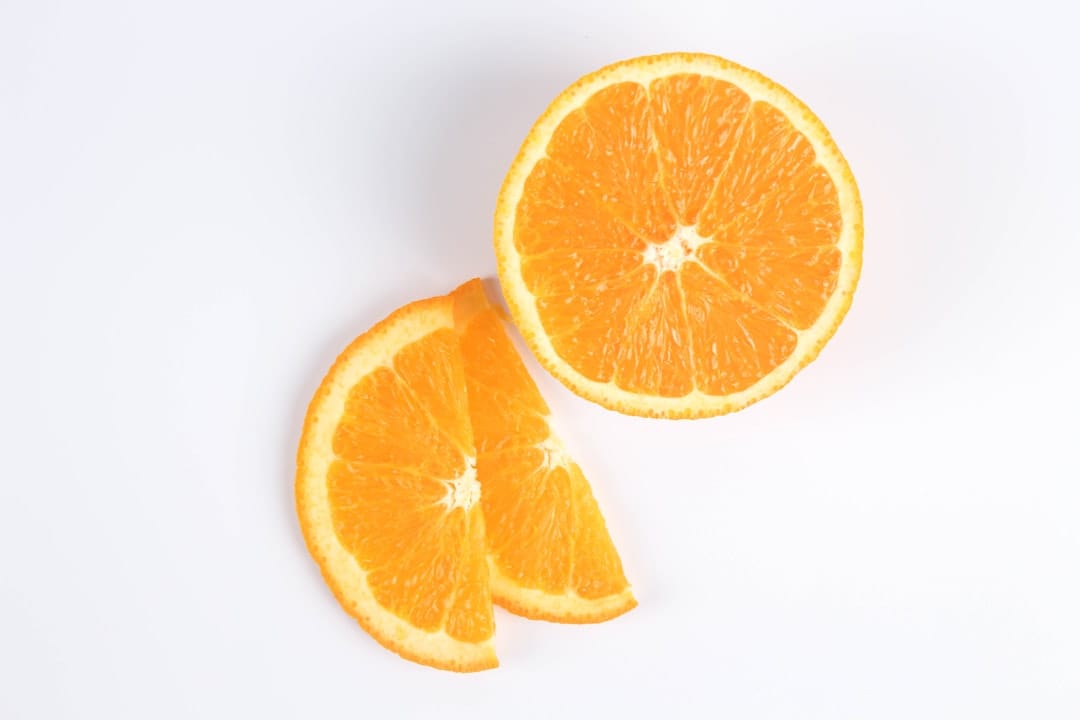
SaveThe vitamin C content here is hard to ignore, sitting near a full day’s worth in a single cup. Vitamin C helps the immune system fend off pathogens and keeps the skin barrier strong, and it doubles as an antioxidant that neutralizes free radicals circulating in the body.
Provitamin A for your eyes
Cassava and its flour are often fortified with provitamin A, which your body converts into vitamin A. That vitamin is central to healthy vision, especially your ability to see in dim light. It’s a modest contribution, but a welcome one.
An antioxidant source
Alongside vitamin C, cassava flour supplies phenolic compounds and carotenoids. These antioxidants help counter oxidative stress, and researchers have connected them to healthier skin, fewer early signs of aging like fine lines, and better overall organ function. This part of the picture is still being studied, so treat it as promising rather than settled.
Cooking and Baking With Cassava Flour
 Save
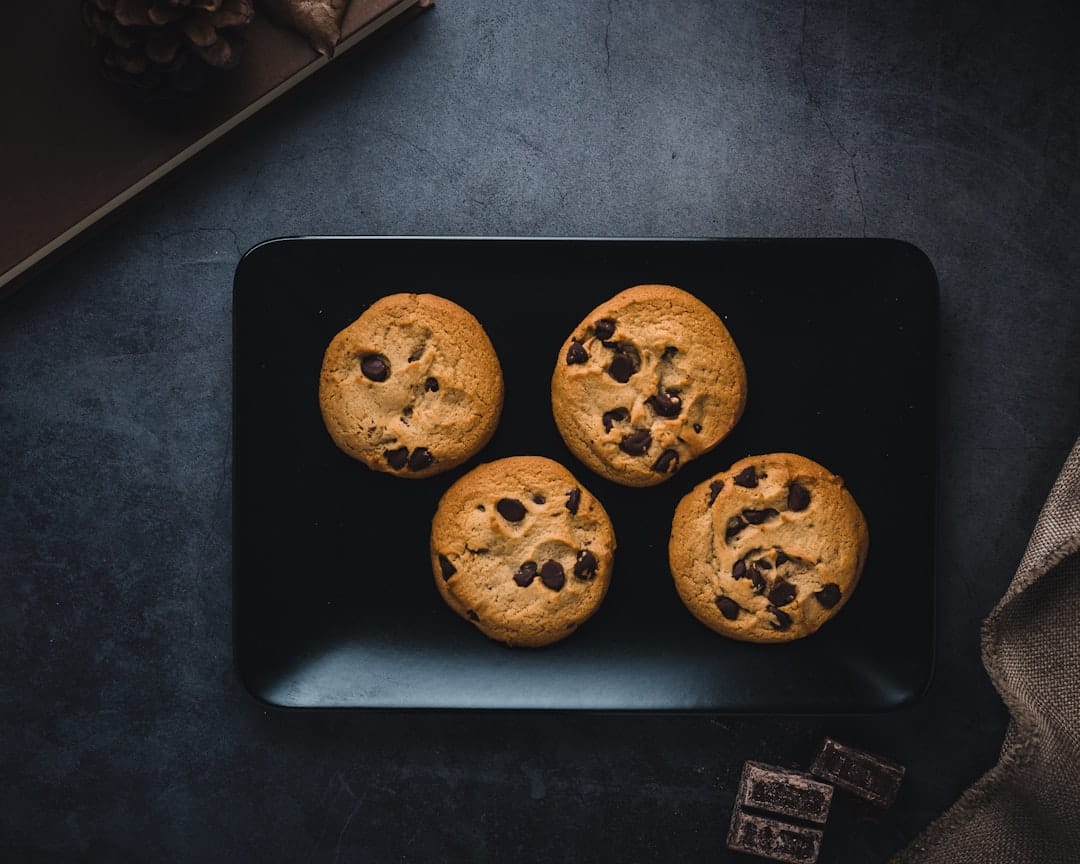
SaveThe practical draw of cassava flour is how little you have to change. In most recipes you can swap it for wheat flour one-to-one, though it tends to drink up liquid, so keep a little extra water on hand.
A few ways to put it to work:
Bake cakes, cookies, doughnuts, and bread
Roll out tortillas and other flatbreads
Make noodles and pasta from scratch
Thicken sauces, soups, and gravies
If you’d rather not go fully cassava, it blends nicely with almond or coconut flour. Dr. Madhankumar mentions one traditional preparation from South India, where the flour is steamed in layers with grated coconut and eaten for breakfast.
The Safety Catch
 Save
SaveNow for the part that deserves real attention. Even properly milled cassava flour doesn’t agree with everyone. Some people experience dizziness, vomiting, or rapid breathing, and in rare cases cassava can set off a life-threatening allergic reaction. Anyone with a known cassava allergy should avoid it entirely. For everyone else, moderation is the rule: a few times a week is plenty. If you notice any adverse symptoms, stop and check with a doctor.
Frequently Asked Questions
Is cassava flour the same as tapioca flour?
No. Both come from the cassava root, but cassava flour is made from the whole dried root and keeps more fiber and flavor, while tapioca flour is the extracted starch, which is flavorless and nutritionally thinner.
Can I replace wheat flour with cassava flour one-to-one?
In most recipes, yes. It works at roughly a 1:1 ratio, but because it absorbs more liquid than wheat flour, you may need to add a bit more water to get the texture right.
Is cassava flour safe for people with diabetes?
Its resistant starch and fiber content are linked to steadier blood sugar, which can be helpful. Still, it’s carbohydrate-rich, so portion size matters and it’s best discussed with your healthcare provider.
The Bottom Line
Cassava flour is one of the more versatile gluten-free options out there. It bakes like wheat, adds fiber, and delivers a real dose of vitamin C along with smaller amounts of provitamin A and antioxidants, all at a friendlier price than many specialty flours. The trade-off is that it isn’t right for everyone, and the rare but serious reactions mean it deserves respect rather than unlimited enthusiasm. Use it in moderation, pay attention to how your body responds, and it can be a genuinely useful staple in a grain-free kitchen.
This article is for informational purposes only and is not a substitute for professional medical advice. Consult a qualified healthcare provider before making significant changes to your diet, especially if you have allergies or a chronic health condition.