
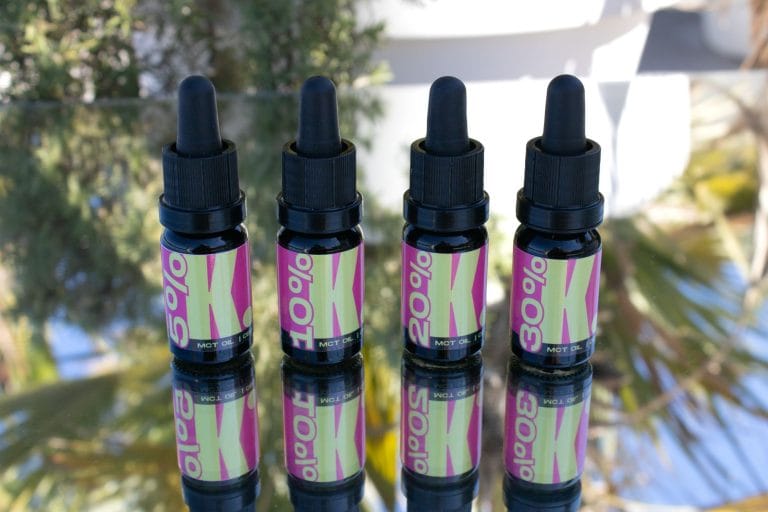
A fast-absorbing fat that skips the usual digestion queue and heads straight for your liver.
MCT oil went from a niche hospital nutrition product to a supplement people spoon into their morning coffee, and most of that shift came from its reputation for weight loss. That reputation is not baseless. Medium-chain triglycerides behave differently than the fats in olive oil or steak, and that difference shows up in how quickly your body can turn them into fuel.
Whether the oil deserves a permanent spot in your kitchen depends on what you want from it. Some of the claims rest on decent human research. Others are early, small, or still mostly theoretical. Here is what the evidence actually supports, plus the part nobody mentions on the label.
Key Takeaways
– MCTs are fatty acids with 6 to 12 carbon atoms, short enough to bypass normal fat digestion and go straight to the liver.
– The oil has been linked to better cholesterol ratios, steadier energy, appetite control, and fat loss.
– Coconut oil, palm oil, full-fat cow and goat milk, and human breast milk all contain MCTs naturally, though none are 100% MCT.
– It mixes easily into coffee, smoothies, and dressings, but it is not a cooking oil.
– Too much can upset your stomach and, over time, may raise cholesterol and liver fat.
What MCT Oil Actually Is
 Save
SaveFats are classified by the length of their carbon chains. Medium-chain triglycerides sit in the 6 to 12 carbon range, which makes them structurally simpler than the long-chain fats that dominate most diets. That simplicity is the whole story: shorter chains are easier to break down, so they move through digestion faster.
Registered dietitian Ana Reisdorf breaks the category into four types:
Caproic acid (6 carbons) — strong odor, rarely used in supplements or foods.
Caprylic acid (8 carbons) — the body converts it into ketones efficiently, and it has antibacterial activity.
Capric acid (10 carbons) — antibacterial, immune-supporting, and a reliable energy source.
Lauric acid (12 carbons) — the dominant MCT in coconut oil, antibacterial, and possibly helpful for insulin sensitivity.
Natural sources include coconut and palm oils, full-fat cow or goat milk, and human breast milk. None of them are pure MCT. Coconut oil tops out around 54%, and the rest is long-chain fat. Commercial MCT oil is made by concentrating the medium-chain fractions out of palm and coconut oil.
That distinction matters if you have been using coconut oil as a substitute. As Reisdorf puts it, coconut oil is mostly lauric acid, while most bottled MCT oils lean on caprylic and capric acids, which are the ones that push you toward ketosis.
The Benefits Worth Paying Attention To
It may support heart health
Because MCTs are absorbed straight into the bloodstream and routed to the liver, they sidestep some of the metabolic handling that longer fats require. Research links MCT oil to lower LDL cholesterol and higher HDL, the type considered good for the heart.
Felicia Newell, Medical Advisor for Medical Solutions BCN, notes that MCTs carry several properties that may help prevent atherosclerosis, the arterial hardening that underlies most heart disease. Separate evidence points to an anti-inflammatory effect that appears to protect heart muscle tissue.
It may help with blood sugar management
Dr. Mahmud Kara, founder of KaraMD, explains that MCTs generate more ketones than long-chain fats, and ketones play a role in regulating insulin and breaking down food molecules for energy.
There is a second, more practical angle. MCT oil is easier to absorb, which can help people whose pancreatic function makes nutrient absorption difficult. And foods rich in MCTs tend to be filling, so they may curb the overeating that drives blood sugar spikes in the first place.
It may raise your energy levels
 Save
SaveKetone production feeds directly into cellular energy. One study found that MCTs improve mitochondrial metabolism, and since mitochondria are where your cells generate power, more efficient mitochondria translate into more usable energy.
It may reduce fat build-up
Peptide YY and leptin are the two hormones that tell your brain you have eaten enough. Research shows MCTs increase production of both, which extends the feeling of fullness and helps with appetite control.
MCTs also appear to limit fat accumulation in the body. For athletes, that combination of lower stored fat and higher available energy can translate into better performance.
It may promote weight loss
This is the claim that built MCT oil’s following. Studies show MCTs are absorbed directly into the bloodstream without the usual digestive process, then sent to the liver rather than deposited into fat tissue.
Anthony Puopolo, Chief Medical Officer at RexMD, points out that MCT oil has become popular with athletes precisely because these medium chains absorb easily, contribute to weight loss, and deliver high-quality energy. Stack that against reduced fat storage and better appetite signaling, and you have a reasonable case for the oil as a weight management tool.
It may lower inflammation
Dr. Kara describes chronic inflammation as the starting point for a long list of conditions, from heart disease and diabetes to cancer and cognitive disorders like dementia and Alzheimer’s. He credits MCT oil with anti-inflammatory action through the breakdown of pro-inflammatory cytokines.
One study reported improved brain function in people with Alzheimer’s at a dose of 30g of MCT oil daily. There is also preliminary interest in its use for epilepsy, though that application is still being studied.
It may protect against oxidative damage
MCT oil shows antioxidant activity that helps counter oxidative stress and the cellular damage that comes with it. A study on brain cells found MCTs directly boosted antioxidant capacity, lowered cellular stress, and improved cognitive function.
It may improve skin health
 Save
SaveApplied to skin, MCT oil acts as a hydrator and a barrier against environmental stressors. Its antimicrobial properties may help with acne and fungal issues, and its anti-inflammatory side can calm redness and irritation. People who use it topically describe skin that feels soft and nourished afterward.
The skin claims are less settled than the metabolic research, and more study is needed before treating it as a proven remedy.
Stirring It Into a Keto Diet
 Save
SaveUsing it is uncomplicated. MCT oil stays liquid at room temperature, so it blends into almost any food or drink without much effort. Coffee is the classic vehicle. A pre-workout smoothie works just as well, and it disappears into salad dressings and sauces.
One firm rule: do not cook with it. MCT oil is not suited to heat, so keep it for cold or already-cooked applications.
Start low. Reported daily intake runs to around 4 to 7 tablespoons, but start well below that. Build up gradually and let your digestion adjust.
Could MCT Oil Be Bad for You?
Yes, in the wrong amounts or the wrong situation.
The most common complaints are digestive: abdominal pain, nausea, and vomiting when you take more than your system can handle.
The longer-term concerns are more relevant if you make MCT oil a daily habit at high doses. Overconsumption may raise cholesterol levels and contribute to fat accumulation in the liver. Anyone with an essential fatty acid deficiency should avoid it.
If you develop any serious discomfort, stop and talk to a doctor rather than pushing through it.
Frequently Asked Questions
Is coconut oil the same as MCT oil?
No. Coconut oil contains MCTs but tops out at roughly 54% MCT content, and most of that is lauric acid. Bottled MCT oil is concentrated and usually built around caprylic and capric acids, which convert to ketones more readily.
How much MCT oil should I take per day?
Reported intakes go up to around 4 to 7 tablespoons daily, but that is an upper range, not a starting point. Begin with a small amount and increase slowly to avoid stomach upset.
Can I fry or sauté with MCT oil?
No. It does not hold up to cooking heat. Add it to coffee, smoothies, dressings, or finished dishes instead.
The Bottom Line
MCT oil earns its reputation on a genuine biological quirk. Fats with 6 to 12 carbon chains are absorbed and routed differently than the long-chain fats in most meals, and that difference plausibly explains the reported effects on energy, appetite hormones, cholesterol ratios, and fat storage. The research on heart health, satiety, and cellular energy is the strongest part of the case. The skin and cognitive claims are more preliminary.
Treat it as a supplement, not a staple. Keep the dose modest, skip the frying pan, and pay attention to how your stomach responds in the first week. If you have an essential fatty acid deficiency or an existing liver or cholesterol concern, run it by your doctor before you start.
This article is for informational purposes only and is not a substitute for professional medical advice, diagnosis, or treatment. Always consult a qualified healthcare provider before starting any new supplement, especially if you have an existing health condition or take medication.