

The white flesh inside a coconut is more than a garnish, though the calorie math deserves a look.
Crack open a mature coconut and the prize is that dense white lining: coconut meat, the edible flesh of the fruit of Cocos nucifera. It shows up fresh in chunks, frozen, shredded, or dried into flakes, and it carries a mix of fiber, minerals, and phenolic compounds that has earned it a real place in the research literature rather than just on smoothie bowls.
The honest version of the story has two halves. Coconut meat has been linked to better cholesterol ratios, lower fasting glucose, and easier digestion. It is also one of the most calorie-dense plant foods you can put on a spoon, and most of its fat is saturated. Both things are true at once, and the amount you eat is what decides which one matters more.
Key Takeaways
– Coconut meat is high in fiber and phenolic compounds, with about 7 grams of fiber per 80-gram cup of shredded flesh.
– A study of 80 healthy adults found daily fresh coconut lowered blood glucose, suggesting a role in preventing type 2 diabetes.
– Virgin coconut oil pressed from the meat raised HDL cholesterol in an eight-week trial, and coconut milk porridge improved LDL and HDL in a published review.
– The medium-chain triglycerides in coconut may reduce fat storage through oxidation, which is why it comes up in weight-management research.
– Around 100 g per day is a sensible ceiling. Beyond that, the calories and saturated fat start working against you.
Inside a Cup of Coconut Meat
 Save
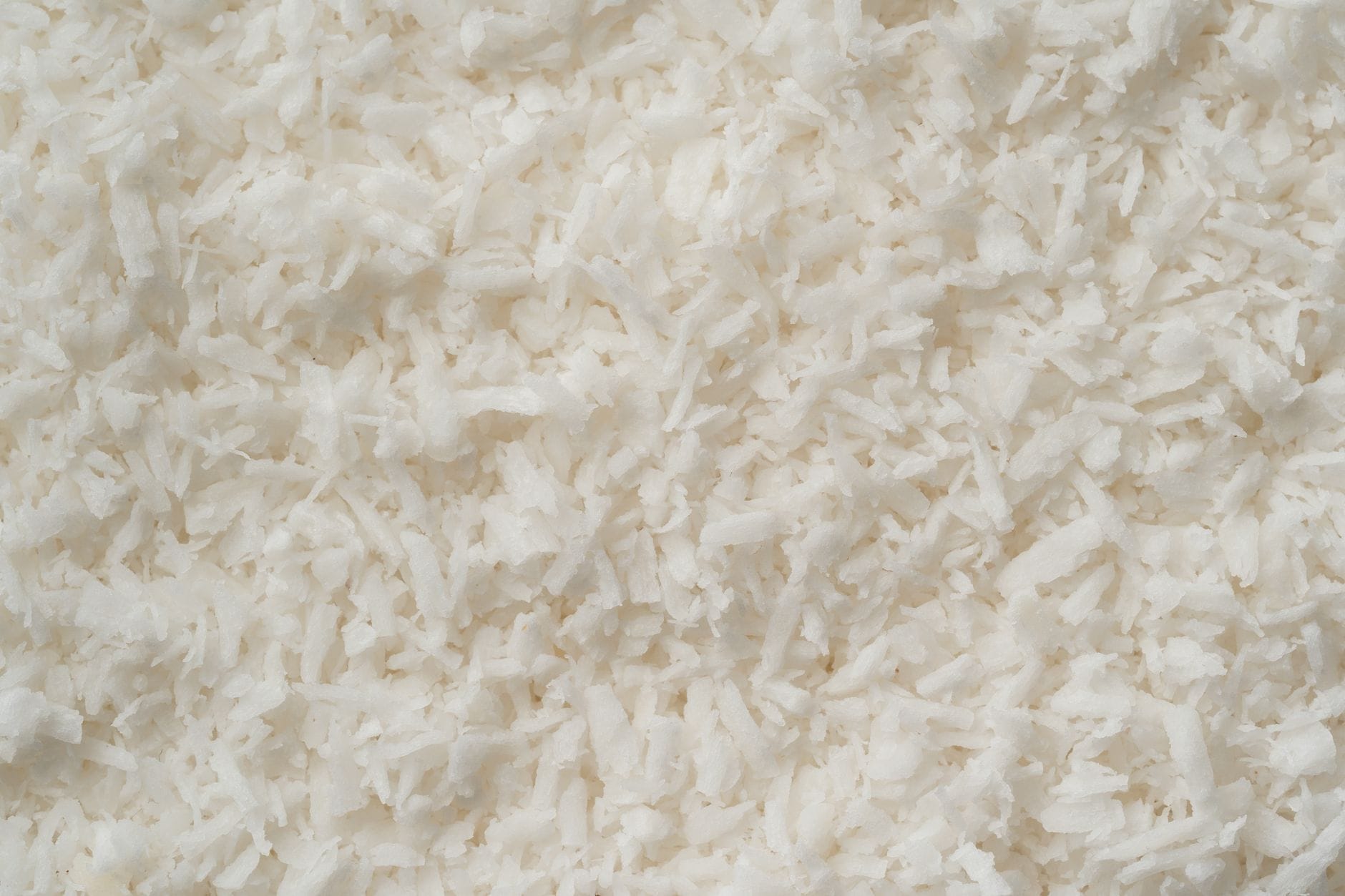
SaveUSDA data for one cup (80 g) of shredded coconut meat gives you a clear picture of what you are working with:
Calories — 283
Fat — 26.8 g
Carbohydrate — 12.2 g, of which 7.2 g is fiber and 4.98 g sugar
Protein — 2.66 g
Potassium — 285 mg
Phosphorus — 90.4 mg
Iron — 1.94 mg
Calcium — 11.2 mg
Vitamin C — 2.64 mg
Folate — 20.8 µg, plus small amounts of niacin, thiamin, and vitamin B6
Notice the shape of that profile. Most of the calories come from fat, and more than half the carbohydrate is fiber. That combination is why a modest portion feels filling, and also why a casual second handful adds up faster than most people expect.
What It Does for Your Heart
This is the benefit people argue about most, so it is worth being precise about what was actually tested.
Researchers at Chiang Mai University in Thailand gave participants 15 ml of extra virgin coconut oil twice daily for eight weeks and saw HDL cholesterol rise. A separate review in the Journal of Nutrition and Metabolism reported that coconut milk porridge lowered LDL cholesterol while raising HDL. Both of those studies used products derived from coconut meat rather than the flesh itself, which is a real limitation.
The fiber angle is more direct. Dietary fiber has been shown to reduce serum cholesterol, and coconut meat delivers a solid dose of it. Still, more research on plain coconut flesh and cardiac outcomes is needed, so treat this as promising rather than proven.
Blood Sugar and the 100-Gram Finding
The strongest single piece of evidence here comes from a study in the Journal of Complementary and Integrative Medicine, where 80 healthy people ate 100 g of fresh coconut daily. Blood glucose levels dropped, and the authors framed the effect as potentially preventive against type 2 diabetes.
Animal work points the same direction. A review in the Journal of Food Science and Technology suggests virgin coconut oil can help prevent insulin resistance and hyperglycemia in animals, an effect attributed to coconut’s phenolic compounds and anti-inflammatory activity.
If you have diabetes and are already on medication, this is a conversation to have with your doctor before you start adding coconut to breakfast every day.
Fat That Behaves Differently
 Save
SaveRaw coconut meat, desiccated coconut, and coconut oil all contain a high proportion of medium-chain triglycerides. MCTs are considered healthy fats, and research links them to favorable effects on weight loss and body composition. Work from McGill University in Canada found that MCT-rich foods can diminish fat storage through the oxidation process.
That does not make coconut meat a weight-loss food. At 283 calories per cup, it can just as easily push your intake up. The MCT advantage shows up when coconut replaces something else in the meal, not when it gets added on top.
Fiber, Digestion, and Regularity
 Save
SaveThe 7.2 grams of fiber per cup is the least glamorous benefit and possibly the most reliable one. Diets rich in dietary fiber improve digestion and increase stool frequency in people dealing with constipation. Coconut meat qualifies comfortably as a high-fiber food, though the specific research on coconut flesh and gut function is still thin.
A Possible Brain Benefit
Dietary coconut has been studied for neurodegenerative conditions, with phenolic compounds and hormones in the fruit showing potential in the prevention and management of Alzheimer’s disease. Oil derived from the meat may also slow age-related cognitive decline. This part is less settled than the blood sugar data, so hold it loosely.
Nutritionist Vasundhara Agrawal adds that the manganese and antioxidants in coconut may support immune function and reduce inflammation, and that its MCTs may also have antiviral, antifungal, and tumor-suppressing properties.
Where Coconut Meat Can Backfire
Moderate intake is considered safe. Excess is where problems start.
Coconut meat is high in saturated fat, and diets rich in saturated fat are associated with increased coronary heart disease risk. That sits awkwardly next to the HDL findings above, which is exactly why portion size matters more here than with most whole foods. The calorie density is the second issue: regularly eating large amounts is a straightforward route to weight gain.
Coconut allergy is rare, but some people do have severe reactions. If you have any adverse reaction after eating it, stop and talk to your doctor.
Working It Into Real Meals
 Save
SaveThere is no official recommended dose. About 100 g a day is the figure the research supports, and it is plenty.
Stir fresh chunks into stir-fries, stews, or cooked grains
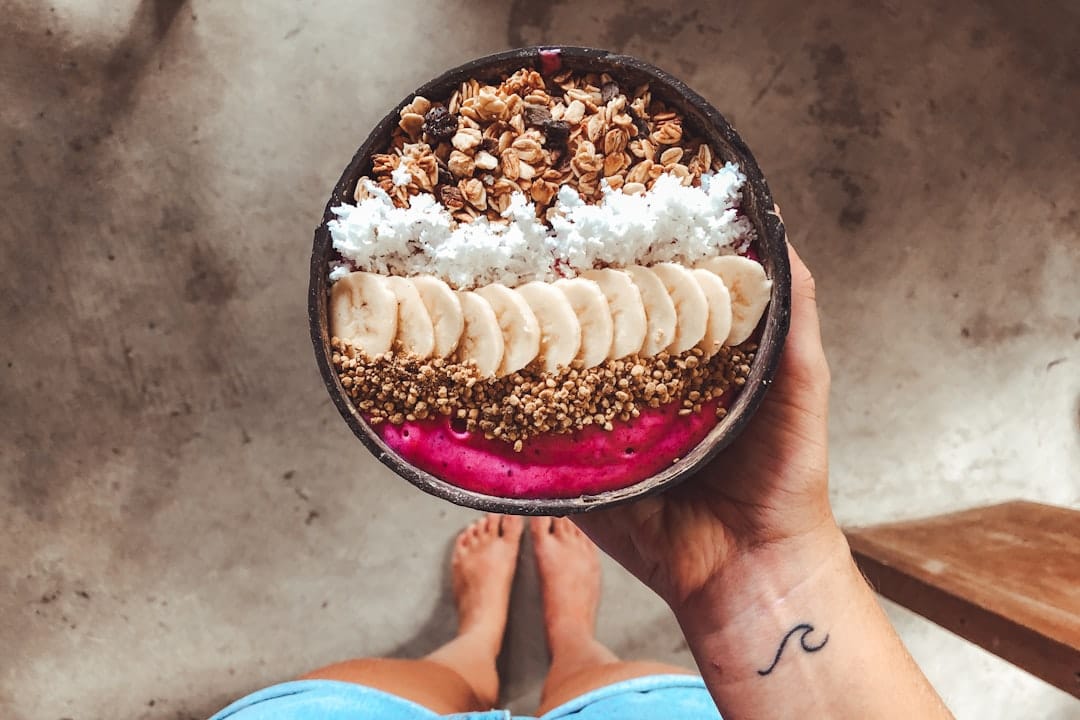
Scatter shredded coconut over yogurt, oatmeal, or overnight oats
Blend it into smoothies, dips, and sauces
Use it as a coating for fish, chicken, or tofu before baking
Toss it through a fruit salad or mixed greens
Fold it into desserts like cream pies, or use it as an ice cream topping
Fresh coconut meat also works beautifully in a vegan ceviche: combine it with cherry tomatoes, cucumber, red onion, cilantro, garlic, lemon juice, olive oil, cumin, and a little Tajín, then chill it for at least 30 minutes before adding the lime juice and diced avocado.
Frequently Asked Questions
Can I eat coconut meat every day?
Yes, if you are not allergic to coconut. Roughly 100 g daily is the amount used in the research and a reasonable upper limit for most people. Because of the calorie and saturated fat load, daily eating works best when the coconut replaces another fat in your meals.
Is dried coconut as good as fresh?
Dried and desiccated coconut retain the fiber and the medium-chain triglycerides, so the core benefits carry over. Watch the label, though. Many sweetened flakes add sugar, and drying concentrates the calories into a smaller volume, making it easy to eat far more than you would fresh.
Does coconut meat raise cholesterol?
The evidence points both ways. Coconut-derived products raised HDL in trials, and the fiber may lower serum cholesterol, but saturated fat intake overall is linked to heart disease risk. Keeping portions modest is the practical answer, especially if you already have high cholesterol.
The Bottom Line
Coconut meat earns its reputation on fiber, phenolic compounds, and a fat profile that behaves unusually in the body. The blood sugar data is the most convincing piece, with heart and weight findings mostly drawn from coconut oil and coconut milk rather than the flesh itself. Enjoy it as a genuinely nutritious ingredient, keep the daily amount near 100 g, and let it displace other rich foods instead of joining them.
This article is for informational purposes only and is not a substitute for professional medical advice, diagnosis, or treatment. Talk to your doctor or a registered dietitian before making significant changes to your diet, especially if you have diabetes, heart disease, or a known food allergy.