
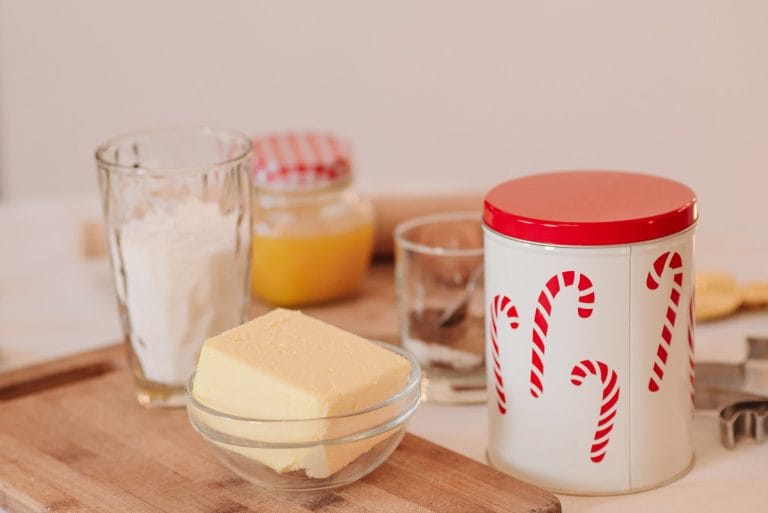
A firm, nearly scentless plant butter that melts on contact and vanishes into the skin.
Walk down the coastal strip of western India and you’ll find kokum trees dropping deep purple fruit that looks a bit like a small plum. The pulp is edible. The seeds, though, hold something else entirely: a hard, pale fat that’s been boiled out and set into butter for generations, used for chapped lips, cracked heels, and sore joints long before anyone put it in a cosmetics bottle.
Kokum butter has quietly become a favorite among formulators who want the richness of shea or cocoa butter without the heaviness. It sits somewhere between the two in texture, absorbs fast, and carries almost no smell. That last part matters more than it sounds, since unscented base ingredients are hard to find.
Key Takeaways
– Kokum butter is the solid fat taken from the seeds of Garcinia indica, the Indian mangosteen, native to India’s western coast.
– Its fatty acids, oleic and palmitic among them, support the skin’s moisture barrier and give the butter a long shelf life.
– Unlike heavier butters, it has a light feel, doesn’t clog pores, and absorbs without a greasy film.
– Its unusually high melting point (around 40°C) makes it valuable in lip balms, lipsticks, and heat-resistant chocolate.
– Traditional Ayurvedic use covers sores, ear infections, arthritis pain, and digestive complaints, though the modern research base is thin.
Where It Comes From and How It’s Made
Kokum fruits are round and dark purple, with edible pulp surrounding five to eight brown seeds. Those seeds are unusually fatty, and that fat stays solid at room temperature, which is what makes it a butter rather than an oil.
Production is slow and mostly unchanged. Seeds are dried in the sun, chopped, then boiled in water. The oily layer that rises to the top gets skimmed into a separate vessel, where it hardens as it cools. From there it’s remelted and filtered to clean it up.
Fresh, unrefined kokum butter runs grayish-white to yellowish. Refining takes it to a clean white. If you ever see a brown block, that’s age or rancidity, and it’s past its useful life. Properly stored, it keeps for roughly a year.
Fatty Acids Do the Work
 Save
The composition is what sets kokum butter apart from the other plant butters on the shelf. It is simply the fat held in the seed, and the mix of fatty acids in it explains most of how the butter behaves.
Oleic acid — the high content here is a big reason kokum butter resists spoiling, so it can be stored for longer periods.
Palmitic acid — acts as a natural surfactant and is excellent for skin nourishment.
There’s also vitamin E and a set of antioxidant properties, which is why you’ll find kokum butter listed on soaps, shampoos, conditioners, and creams rather than just body butters.
What It Actually Does for Skin
The clearest benefit is moisturizing, and it’s a straightforward mechanism. Kokum butter is an emollient, meaning it softens and soothes the skin’s surface. Its fatty acids improve the moisture barrier, and a healthy barrier is most of what keeps skin supple instead of tight and flaky.
One Indian study looked at cracked heels and found that applying kokum butter helped them heal. Traditional use extends further, to ulcers, fissured lips, chapped skin, and inflammatory sores, though the formal evidence for those is much lighter than the enthusiasm for them.
It’s also described as a demulcent, a substance that relieves inflammation or irritation. Scientific backing on that side is limited, and the bolder claims deserve some caution. What’s not in doubt is that it shows up constantly in products aimed at inflamed or damaged skin: skin and hair products, acne products, and skin tonics.
The Non-Greasy Advantage
Here’s the practical selling point. Kokum butter has a light texture and doesn’t clog pores, so it helps prevent acne. People with sensitive skin generally tolerate it well. It absorbs rather than sitting on top, and it’s said to protect skin from cell damage, restore elasticity, and give skin a bit of glow.
Reports also point to relief for burns, chafed skin, and scalds, which fits the soothing profile.
Kokum Butter for Hair
 Save
Scalp and strand care is the second big use. Kokum butter is thought to strengthen hair follicles and encourage healthy growth, and it’s a common fix for split ends, dandruff, and overall scalp health. Some people use it on psoriasis-affected areas of the scalp.
Two easy methods:
Hair mask. Section your hair, take a small amount of butter, and massage it into your scalp in circles.
Pre-shampoo treatment. Brush it through the lengths and let it sit for about an hour before you wash.
A nightly scalp application works too. Blending it with coconut oil, or whatever oil you already use, makes it easier to spread and adds a second set of benefits.
Cooking and Confectionery
 Save
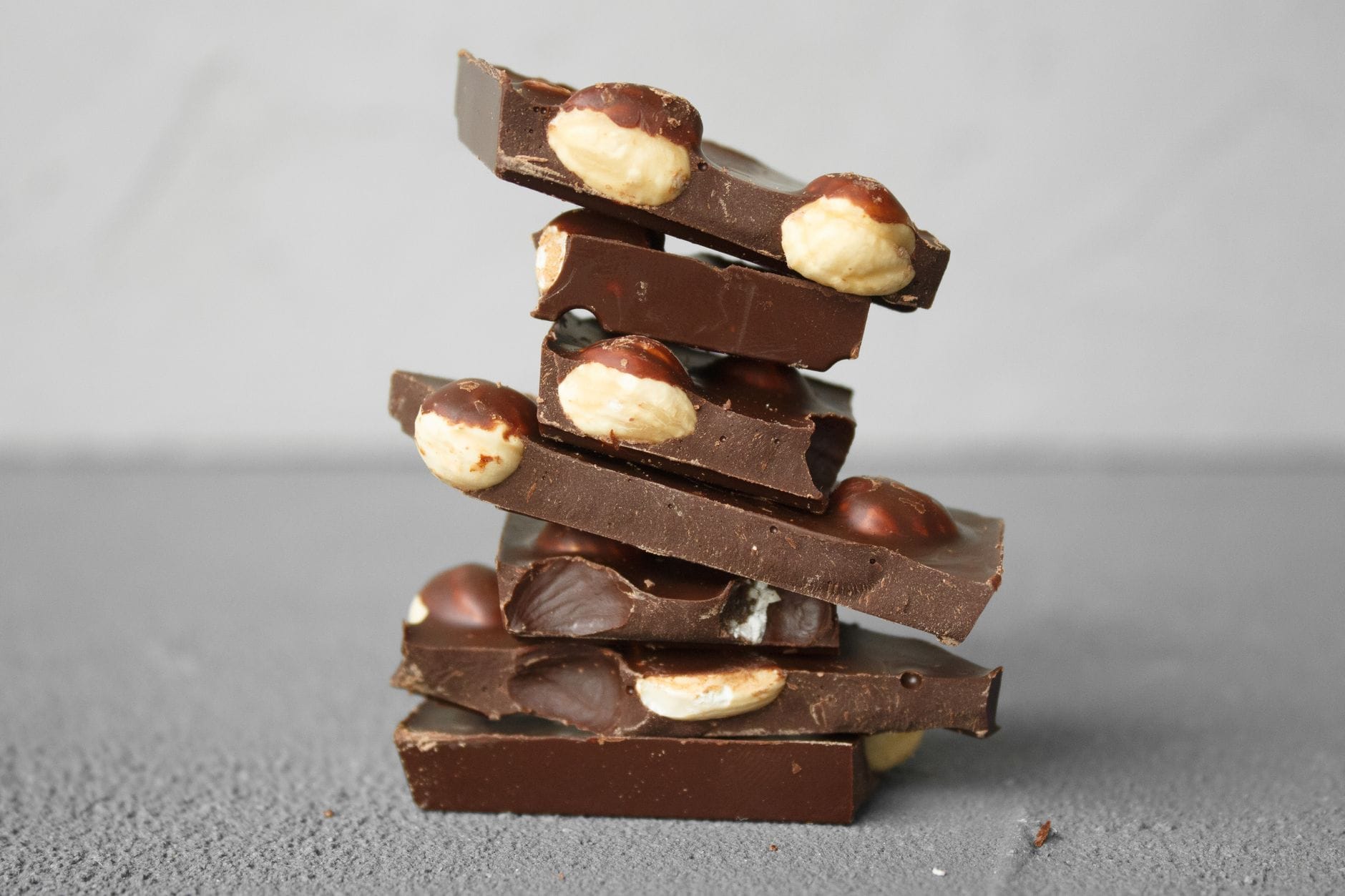
The high melting point creates an interesting food application. At around 40°C, kokum fat melts well above room temperature in most climates, and chocolate makers have taken notice.
Kokum fat can be swapped in for cocoa butter, in whole or in part, in both dark and milk chocolate formulations. Adding it increases the hardness of the finished chocolate. Combined with cocoa butter, it raises heat resistance, which is genuinely useful in hot countries where chocolate goes soft and loses its consistency. The concentration of fatty acids plus the way it solidifies makes it a good confectionery fat on its own terms.
Kokum butter is edible, mildly flavored, and can stand in for regular butter or cocoa butter in recipes. It’s high in fat, so moderation is the sensible approach: a small amount once a day, as part of an otherwise balanced diet.
The Traditional Medicine Side
Ayurvedic texts record kokum butter for a wider set of complaints than the modern cosmetics industry cares about. Ear infections. Arthritis pain. Preventing infection, and treating sores. Internally, it’s been used for dysentery, diarrhea, tuberculosis, and scurvy-related conditions.
These are historical uses, not proven treatments. Part of the reason kokum butter’s health benefits remain poorly mapped is simply its limited availability, which means fewer researchers have studied it. Its reputation today rests mainly on being a potent moisturizer with wound-healing properties.
Side Effects and Who Should Be Careful
 Save
For most people kokum butter is safe, on all skin and hair types. Two warnings are worth respecting:
Stop applying it if you notice skin inflammation.
Stop eating it if it brings on stomach ache or diarrhea.
Do a patch test before you use a new batch on a large area. And because the fat content is high, treating it as a daily food staple rather than an occasional ingredient isn’t a good idea.
Frequently Asked Questions
Is kokum butter better than shea butter?
It depends on what you want. Kokum butter has a higher melting point than most butters and feels lighter on the skin, and since it doesn’t clog pores it suits acne-prone skin. Shea is the more widely available of the two, and direct head-to-head evidence is scarce, so neither wins outright.
Does kokum butter have a smell?
Barely, if at all. Its scent is very faint or completely absent, which makes it an excellent base for products where you want the added fragrance to come through cleanly.
How can I tell if my kokum butter has gone bad?
Color is the easiest signal. Good butter is white to grayish-white, sometimes with a yellow tinge if unrefined. Brown means it has aged or turned rancid. Expect roughly a year of shelf life from a fresh batch.
The Bottom Line
Kokum butter earns its place through texture as much as chemistry. It’s firm in the jar, melts on skin contact, and disappears without the slick residue that puts people off richer butters, which is why it works on faces and lips. The moisturizing and barrier-supporting effects are well founded in its fatty acid profile, and the cracked-heel research is encouraging.
The longer list of traditional claims, from arthritis to dysentery, sits on centuries of use rather than clinical trials. That’s not a reason to dismiss them, but it is a reason to keep expectations modest. If you’re after a clean, unscented, non-comedogenic butter for dry skin, dull hair, or chapped lips, this one is worth trying. Just patch test first and go easy if you’re eating it.
This article is for informational purposes only and is not a substitute for professional medical advice, diagnosis, or treatment. Speak with a qualified healthcare provider before using kokum butter to treat any skin, hair, or health condition, particularly if you have allergies, a chronic condition, or are pregnant or nursing.