
A crunchy, tangy topping with a few genuine perks, and a couple of catches worth knowing.
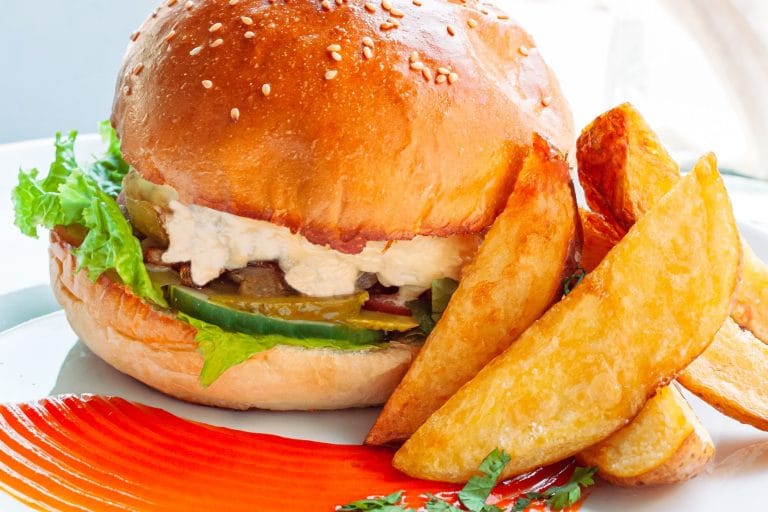
Few things finish a burger or sandwich like a couple of tart pickle slices. That mix of sour, salty, and sometimes sweet is hard to beat, and it turns out the crunch may bring more than flavor to the table. Fermented pickles in particular carry living bacteria and a handful of minerals that can do your body some quiet good.
None of that makes pickles a health food you should eat by the jar. The same brine that helps your muscles can also load you up on sodium fast. Below is a grounded look at where pickles help, where they don’t, and how to keep them on the useful side of the ledger.
Key Takeaways
– Naturally fermented pickles carry probiotic bacteria that support the gut microbiome and digestion.
– The sodium and potassium in pickle brine may ease muscle cramps and help balance electrolytes.
– Early research links fermented foods, including pickles, to steadier blood sugar and lower cholesterol.
– Antioxidants like vitamins C and E in pickles help counter cellular oxidative stress.
– Overdoing them is a real risk: too much salt can strain the kidneys and liver and has been tied to certain cancers.
A Quick Look at What Pickles Actually Are
Pickling is an old trick. The practice traces back to the Indian subcontinent, where people preserved fruits and vegetables long before refrigeration, and the idea spread outward from there. Methods shifted from region to region, but the goal never changed: stretch the shelf life of produce that would otherwise spoil.
There are two broad camps. Vinegar pickles get their tang from an acidic soak, which is quick but skips fermentation. Lactic acid pickles take the slower, traditional route. Cucumbers, carrots, or cabbage sit in a simple brine of salt and water, and over days Lactobacillus bacteria eat the vegetables’ sugars and turn them into lactic acid (1). That process preserves the vegetable, builds a complex sour flavor, and leaves behind the probiotics that make fermented pickles worth talking about. The distinction matters, because most of the benefits here belong to the fermented kind, not the fast vinegar version.
What’s Inside a Dill Pickle
 Save
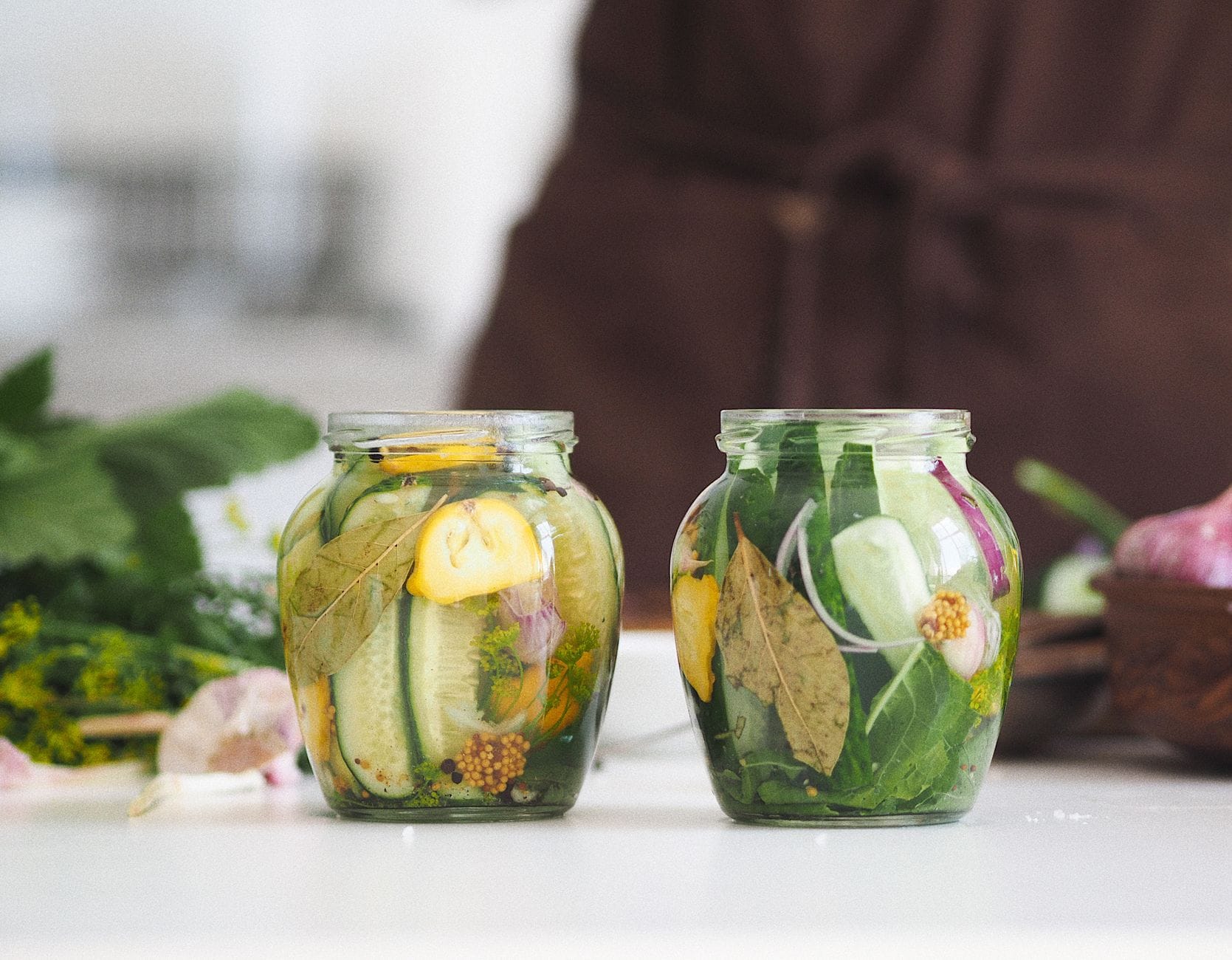
SaveDill is the pickle most people picture, and it’s a reasonable place to see what you’re getting. One large dill pickle, about 44.6 grams, breaks down roughly like this (2):
Minerals — sodium leads by a wide margin at 326 mg, followed by potassium (46.2 mg) and calcium (21.8 mg), with smaller amounts of phosphorus, magnesium, and trace zinc, copper, manganese, and iron.
Macros — low in carbs (8 g) and fat (0.7 g), with only about 0.4 g of fiber.
Vitamins — a bit of vitamin C, plus modest B vitamins, vitamin K, vitamin E, and beta-carotene.
That sodium number is the one to keep in your back pocket. It’s most of the story with pickles, for better and for worse.
The Health Benefits Worth Knowing About
Friendlier gut bacteria
 Save
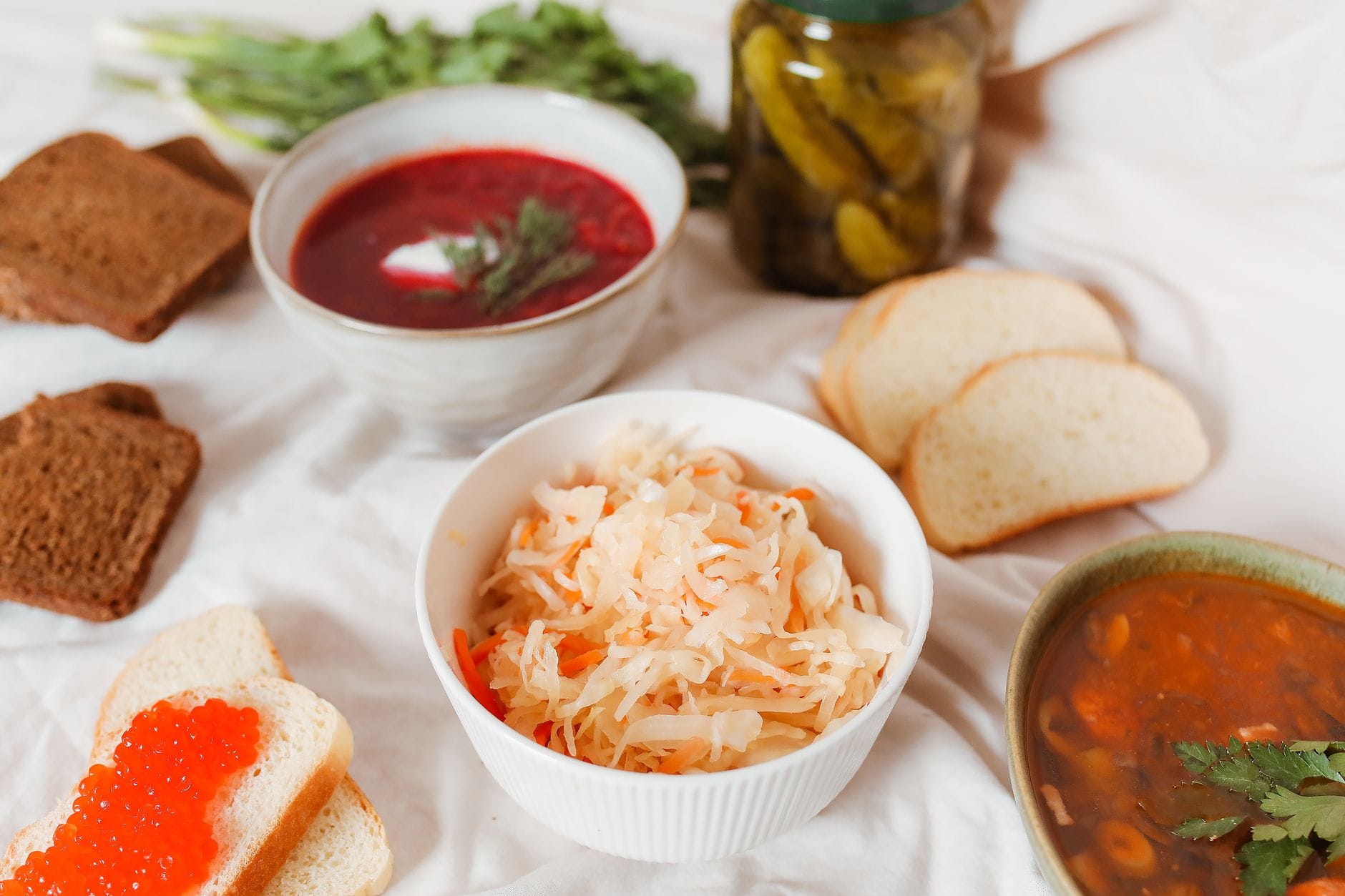
SaveFermented pickles carry the same helpful bacteria that soured them, and those microbes support digestion and the balance of your gut flora (3). Several studies point to the microflora in fermented pickles nudging the gut microbiota in a positive direction (4). Think of a good pickle as a low-effort way to slip some probiotics into a meal.
Steadier blood sugar
 Save
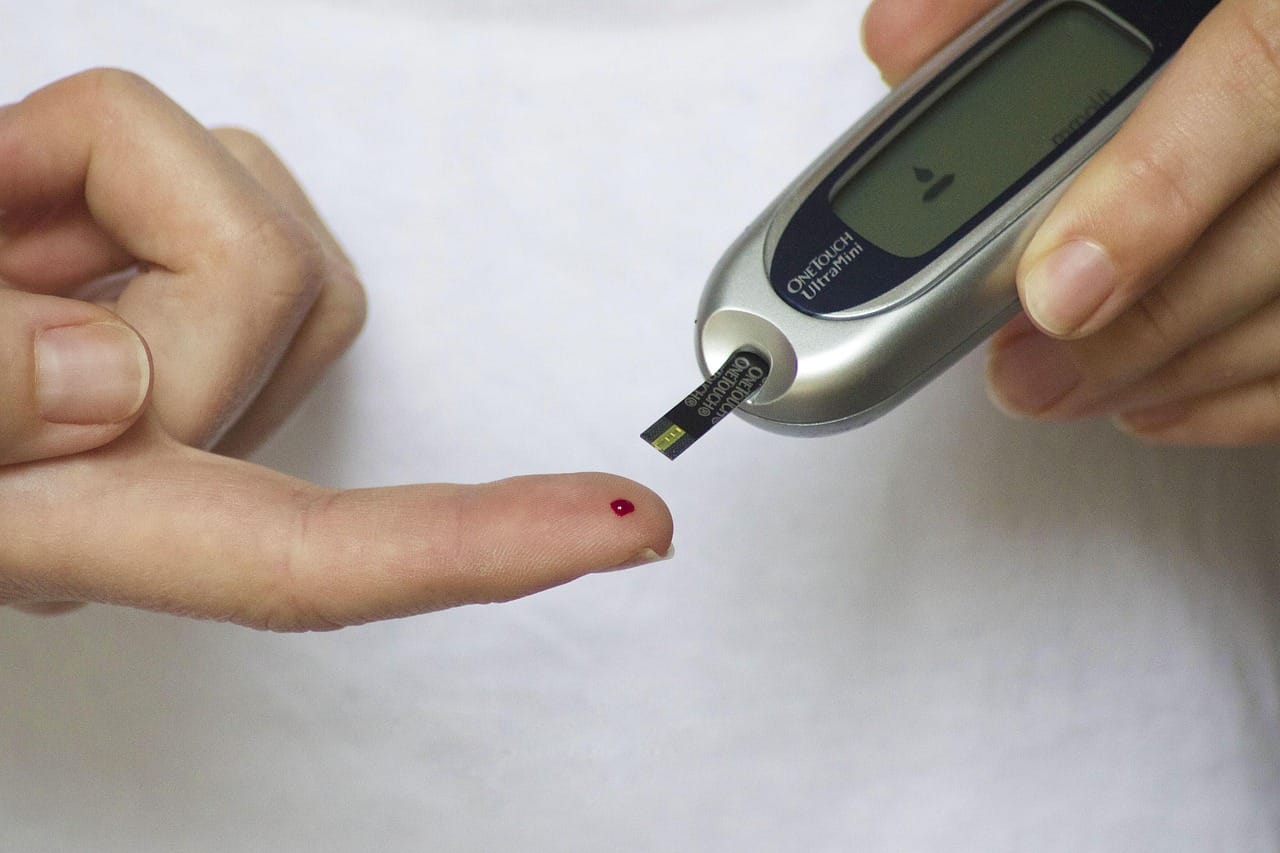
SaveResearch on Japanese adults with diabetes found that eating fermented foods, pickles among them, was associated with milder type 2 diabetes symptoms (5). The phytoestrogens and bioactive peptides formed during fermentation may play a part in regulating blood sugar. This part is less settled, so treat it as promising rather than proven.
Lower cholesterol
Some evidence suggests fermented gherkins can help bring cholesterol down, again crediting the Lactobacillus at work in the brine (6).
Cramp relief from the brine
Here’s the one athletes swear by. An experimental study found that drinking pickle brine may shorten muscle cramps (7). Cramps often trace back to dehydration and a wobble in your electrolytes, and the sodium and potassium in the brine may help set that balance right. The research is still limited, but the mechanism is plausible.
Electrolytes on a keto diet
Cutting carbs low, as a ketogenic diet does, shifts the body toward burning fat for fuel and can leave you shedding water and electrolytes along the way (8). Because pickles pack sodium and potassium, a few can help keto eaters stay hydrated and topped up on minerals (7). As with the cramp claim, more work is needed to nail it down.
Antioxidant support
Pickles supply vitamins C and E, both antioxidants, and fermentation adds compounds like riboflavin, folate, and thiamine to the mix. Together they help blunt the oxidative stress that wears on cells over time (4). One study on traditional Indian pickles found antioxidants that may limit benzene formation, another small mark in their favor (9).
A possible role in cancer prevention
This is the most speculative benefit, so hold it loosely. Probiotic bacteria have been studied for a possible protective effect against tumors in the colon, liver, and bladder in Indian research (10), and certain strains in fermented pickles have been examined in the context of colorectal cancer (4). Worth watching, not worth banking on.
Making Pickles in Your Own Kitchen
 Save
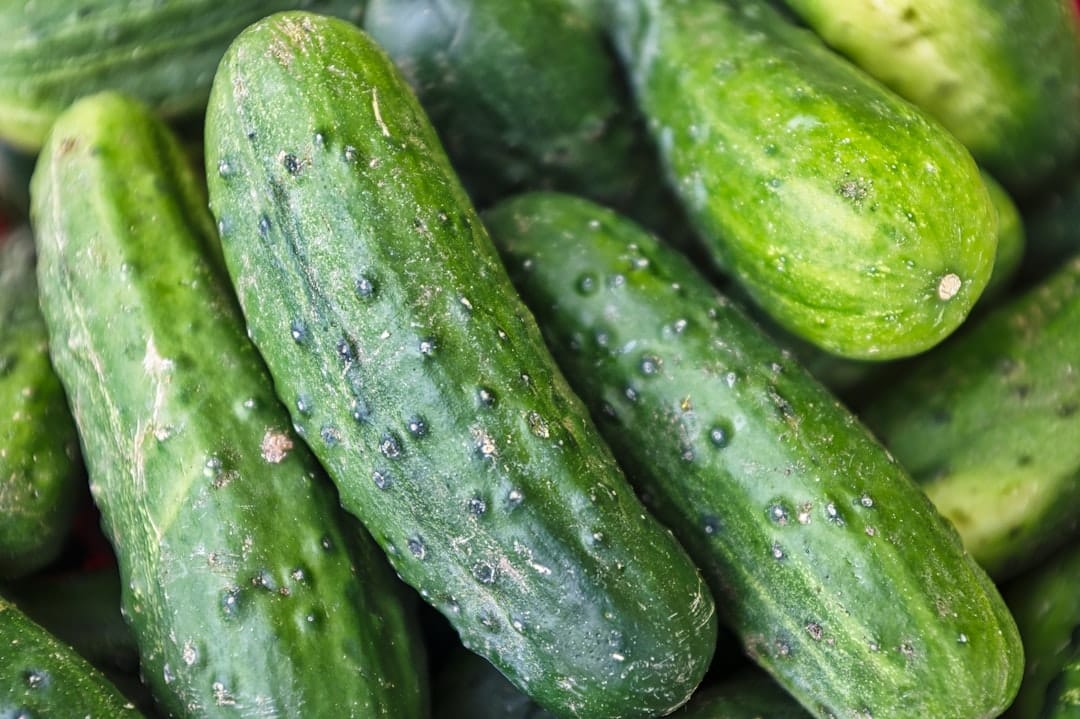
SaveHomemade pickles are one of the surest ways to get these benefits without the heavy processing that comes with some jarred brands. Traditional dill pickles ferment cucumbers in saltwater over time, though you can shortcut a batch by pouring hot vinegar over them for a quick pickle instead.
For a classic dill batch, you’ll want roughly 1½ pounds of Persian or Kirby cucumbers, four smashed garlic cloves, two teaspoons of dill seed, an optional half-teaspoon of red chili flakes, a cup each of rice vinegar and water, and about 1½ tablespoons of pickling or kosher salt. Pack the cucumbers with the garlic and dill, cover them in the brine, and let them do their thing. Fermented versions take patience; the quick-vinegar route rewards you in a day or two.
Where Pickles Can Go Wrong
The catch is salt, and it’s a big one. Pile on too many pickles and the sodium adds up quickly, which can burden the kidneys and liver over time. Heavy long-term intake of very salty, pickled foods has also been associated with a higher risk of gastric, stomach, and esophageal cancers. People dealing with gastric disease or an existing cancer diagnosis are usually better off steering clear.
Moderation keeps pickles on the right side of that line. Two or three modest servings a day is a reasonable ceiling for most people, and if you’re watching your blood pressure, count them against your overall sodium for the day.
Frequently Asked Questions
Are vinegar pickles as healthy as fermented ones?
Not quite. Quick vinegar pickles skip the fermentation step, so they lack the live probiotic bacteria that give fermented pickles their gut benefit. They still add flavor and crunch, just without the microbes.
Is drinking pickle juice safe?
In small amounts, generally yes, and some people use it for cramps or post-workout electrolytes. It’s very high in sodium, though, so it isn’t something to gulp regularly, especially if you have high blood pressure or kidney concerns.
Can I eat pickles every day?
Most healthy people can, in moderation, roughly two to three small servings. The limiting factor is salt, not the pickle itself, so keep an eye on your total daily sodium.
The Bottom Line
Pickles earn their place at the table on more than taste. The fermented kind deliver probiotics, a splash of antioxidants, and enough sodium and potassium to help with cramps and electrolyte balance, with early hints of support for blood sugar and cholesterol. The flip side is that same salt, which turns a helpful snack into a liability when you overdo it. Favor naturally fermented pickles, keep portions sensible, and they can be a tangy, genuinely useful addition to your plate.
This article is for general informational purposes only and is not a substitute for professional medical advice. Talk to your doctor or a registered dietitian before making changes to your diet, especially if you have high blood pressure, kidney or liver conditions, or any other ongoing health concern.