
An earthy, old-soul essential oil that does more than perfume a room.
Patchouli has a reputation. For a lot of people it conjures incense shops, thrifted denim, and the 1960s, and that association has followed it around for decades. Look past the nostalgia and you find an essential oil that perfumers quietly prize and that traditional healers have leaned on for a very long time.
The oil is thick, golden to deep brown, and unmistakably woody. Its fans say it steadies a racing mind and grounds the mood, and a growing body of small studies points to real uses for skin and scalp too. Here’s what patchouli oil is, how to use it without overdoing it, and where the evidence is stronger or thinner.
Key Takeaways
– Patchouli oil is steam-distilled from the fermented leaves of a tropical mint-family herb, and it suits most skin types.
– It’s linked to calmer mood, healthier-looking skin, and relief from dandruff and oily hair.
– Always dilute it in a carrier oil like coconut or jojoba before it touches skin.
– Too much can backfire and trigger a headache, so a drop or two goes far.
– Skip it during pregnancy and breastfeeding, and check with a doctor if you take blood thinners.
What Patchouli Oil Actually Is
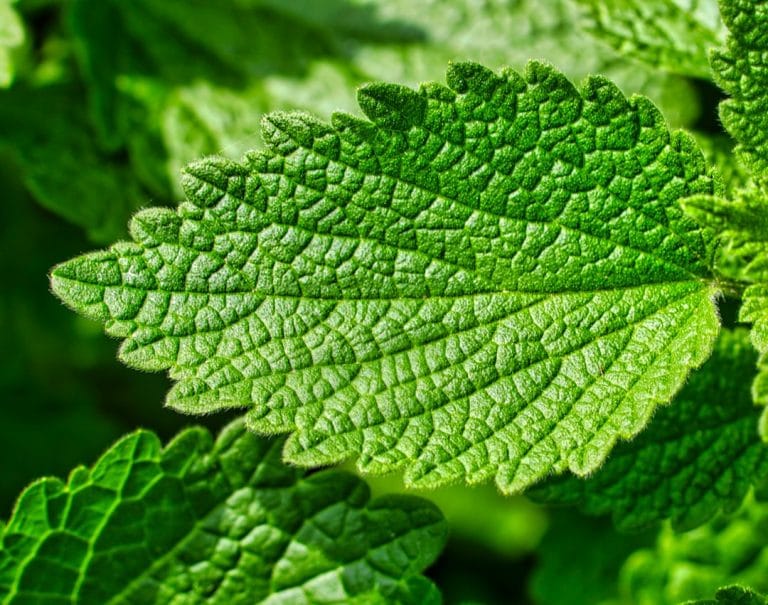
Patchouli (Pogostemon cablin Benth) is a bushy perennial native to tropical South Asia. It sits in the Lamiaceae family, the same botanical clan as peppermint, lavender, and rosemary, which explains the herbaceous edge underneath its sweetness.
To make the oil, the leaves are dried and fermented, then steam-distilled. The result is viscous and slow to pour, with a sweet opening note that settles into a rich, earthy finish. Unlike most essential oils, patchouli improves with age instead of fading. It was burned in rituals and blended into oriental perfumes for centuries before the hippie movement made it a countercultural signature.
A Scent Perfumers Never Really Abandoned
The 1960s branding did patchouli no favors, but the fragrance world never let it go. It shows up as a backbone note in a long list of prestige perfumes, from Chanel’s Coco Mademoiselle to Viktor & Rolf’s Flowerbomb and Thierry Mugler’s Angel.
That complexity comes from its chemistry. The dominant compounds include patchoulol (also called patchouli alcohol), along with α-guaiene, δ-guaiene, α-patchoulene, and seychellene. A few of these appear almost nowhere else in nature, which is why nothing quite smells like it. One aromatherapist compares the reaction it provokes to Marmite: you tend to love it or hate it, rarely anything in between.
How to Use It at Home
 Save
Patchouli is potent, so treat it as a supporting player. It blends beautifully with citrus oils like bergamot, lemon, and orange, and with woods and florals such as cedarwood, sandalwood, geranium, jasmine, rose, and ylang-ylang. Add it drop by drop rather than by the spoonful.
A Relaxing Bath
 Save
For a wind-down soak, combine 4 drops of patchouli, 3 drops of bergamot, and 3 drops of clary sage into a tablespoon of carrier oil. Shake, then swirl the blend into a hot bath just before you climb in.
Hair and Scalp Care
 Save
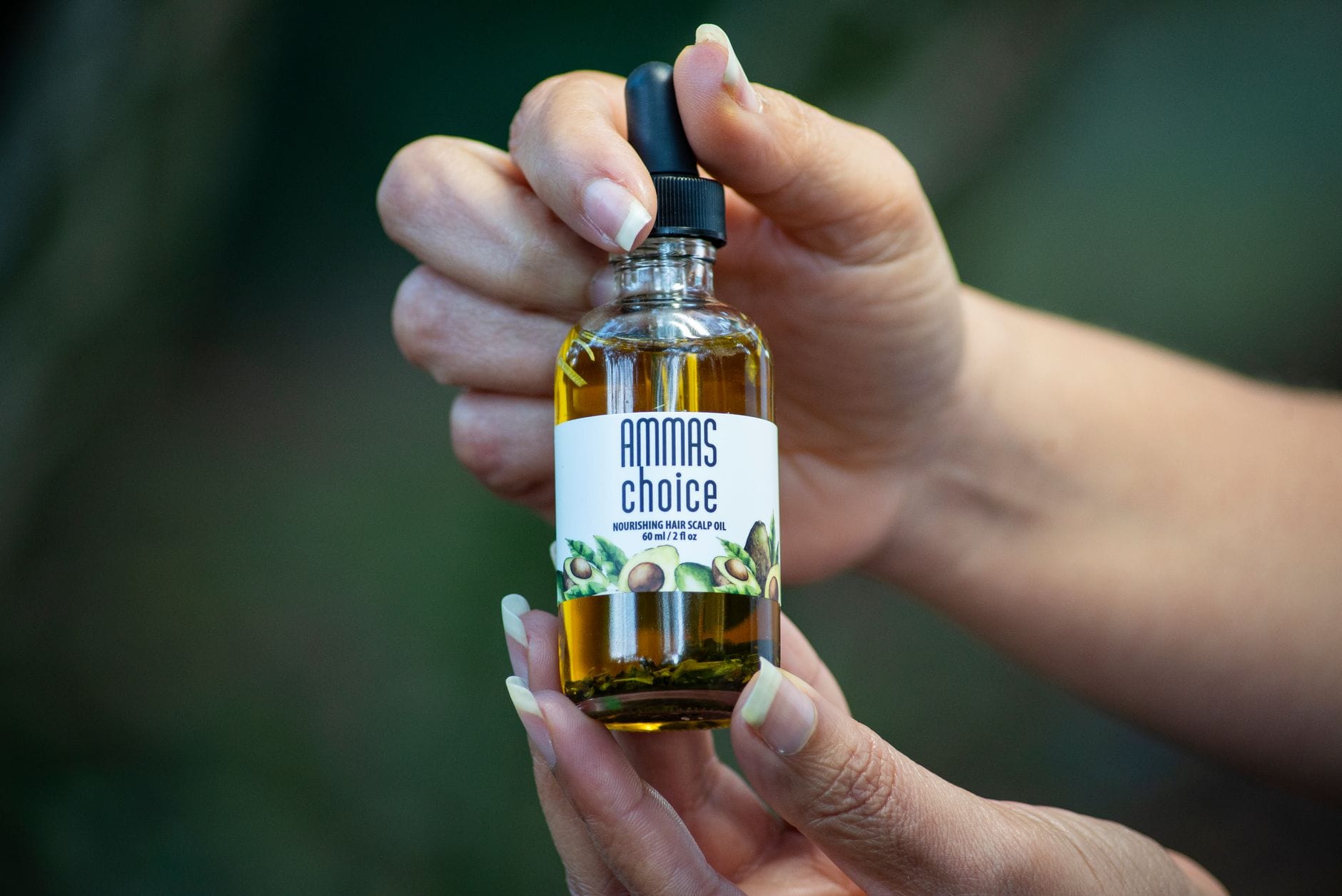
This is one of its more practical uses. Mix 5 drops of patchouli into 2 tablespoons of coconut, jojoba, or olive oil. Massage it through your scalp and lengths, leave it for at least half an hour, then rinse with a gentle shampoo and warm water. It’s a simple way to tackle flakes and greasy roots at once.
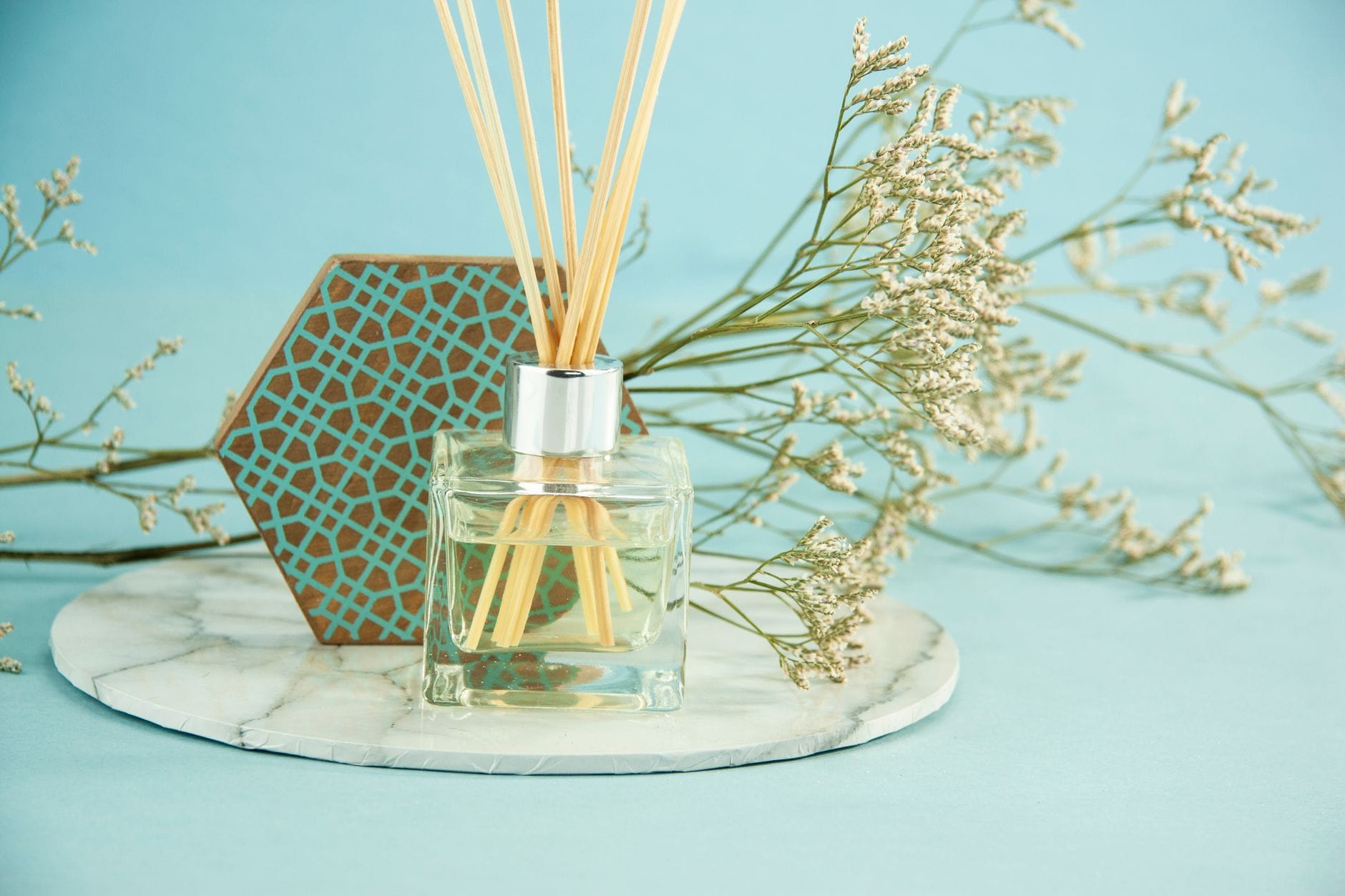
For aromatherapy, a few drops in a diffuser alongside lavender and ylang-ylang fills a room with a calm, slightly smoky warmth.
What the Evidence Says for Skin
 Save
Patchouli’s skin reputation rests on a handful of interesting findings. Research suggests it encourages collagen production and boosts the activity of antioxidant enzymes, which supports the growth and protection of skin cells.
The standout compound is patchoulol. In studies it helped guard against sun-driven signs of aging, improved elasticity and tone, and reduced the coarse thickening the sun can cause over time. That’s why you’ll see it framed as an anti-wrinkle ingredient. It’s also credited with softening the look of stretch marks, though the evidence there is genuinely thin, so keep expectations modest.
There’s a second, more technical reason it’s useful in skincare. Patchouli oil penetrates deeply, and researchers have studied it as a natural way to help other ingredients absorb through the skin. Folded into a moisturizer, it may help fade scars and spots and comfort dry, cracked patches.
Dandruff, Stress, and Sleep
Beyond the skin, a few reported benefits stand out:
Dandruff and oily hair. Small studies back its use against flaking and excess scalp oil, which lines up with its long folk-remedy history.
Stress and mood. The scent is widely used in aromatherapy to create a relaxed, grounded atmosphere, and many people reach for it specifically to ease tension.
Better sleep. That same calming quality is why it turns up in bedtime blends and pre-sleep rituals.
None of this makes patchouli a cure for anything, and the research is mostly early-stage. Think of it as a pleasant, low-risk addition rather than a treatment.
Playing It Safe
Undiluted patchouli oil can irritate skin, leaving redness, itching, or a rash, so dilution isn’t optional. Overusing it can also tip from soothing into a headache, since the aroma is easy to overdo. If you’re pregnant or breastfeeding, leave it alone. And anyone on blood-thinning medication should talk to a doctor first.
Frequently Asked Questions
Can I put patchouli oil directly on my face?
Not on its own. Dilute 1 to 2 drops in a carrier oil such as coconut or jojoba, and patch-test on your inner arm before using it anywhere near your face.
Does patchouli oil really help with wrinkles?
Its patchoulol content has shown anti-aging effects in studies, including better elasticity and less sun-related thickening. It’s promising, not miraculous, and results build slowly.
Why does patchouli oil smell stronger over time?
Unlike most essential oils, patchouli matures rather than degrades. Aging deepens and mellows its earthy notes, which is part of why perfumers value it.
The Bottom Line
Patchouli oil is one of those ingredients that quietly earns its keep. It can calm a busy head, lend a soak or a diffuser a warm, grounding scent, and support skin and scalp when it’s properly diluted. The science is early but encouraging, especially around patchoulol and skin aging. Respect the dose, choose a carrier oil, and heed the cautions for pregnancy and blood thinners, and this old-fashioned oil has plenty to offer a modern routine.
This article is for general informational purposes only and is not a substitute for professional medical advice. Talk to a qualified healthcare provider before using essential oils, especially if you are pregnant, breastfeeding, taking medication, or managing a health condition.