
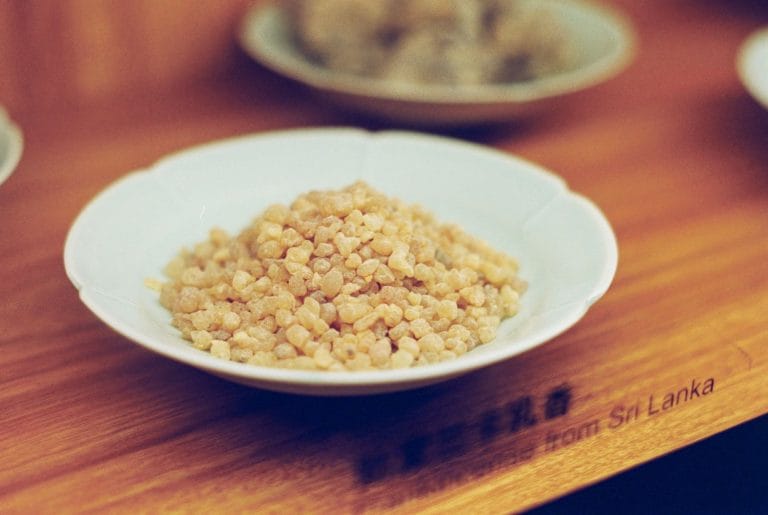
An ancient resin with a modern reputation for calming inflammation, and what the studies actually back up.
Boswellia is a gummy resin tapped from the bark of the Boswellia serrata tree, better known in many kitchens and temples as Indian frankincense. Healers across Africa, the Middle East, and South Asia have leaned on it for centuries, both as a fragrant incense and as a remedy for aches that would not quit. The reason modern researchers keep circling back to it comes down to one family of compounds: boswellic acids, which appear to dial down inflammation in the body.
That anti-inflammatory reputation is the thread running through nearly every study on it. Below is a grounded look at where the science is genuinely promising, where it is still thin, and how people tend to use boswellia day to day.
Key Takeaways
– Boswellia comes from the resin of the Boswellia serrata tree and has a long history in Ayurvedic and Chinese medicine.
– Its active boswellic acids are anti-inflammatory, which is why it shows up in joint, gut, and airway research.
– The strongest human evidence so far is for osteoarthritis of the knee.
– A typical dose sits around 300 to 500 mg, taken up to a few times a day, but there is no official standard.
– It can interact with blood thinners and may upset the stomach, and pregnant women should avoid it.
A resin with ancient roots
Boswellia serrata belongs to the Burseraceae family and grows wild in the dry, mountainous stretches of Asia, Africa, and the Middle East. The resin is collected by tapping the tree, much the way maple sap is drawn. Burned as incense, it gives off the sweet, exotic smoke people associate with frankincense. Taken internally, it has been used to treat everything from swollen joints to breathing trouble.
Most of what makes it interesting pharmacologically traces back to boswellic acids, which seem to interfere with the enzymes and signaling molecules that drive chronic inflammation. Here is where researchers have looked.
Where the research points
Joint pain and arthritis
 Save
Joints are where boswellia has earned the most attention. In animal work, Boswellia serrata extract meaningfully reduced inflammation in rats with rheumatoid arthritis over about two weeks, though human trials on that specific condition are still limited.
The osteoarthritis evidence is sturdier. In a trial of people with osteoarthritis of the knee, participants took either boswellia extract or a placebo for 120 days. Those on boswellia reported less knee pain, less stiffness, and better physical function than the placebo group. It is one of the clearer signals in the whole boswellia literature, which is part of why the extract turns up so often in joint-support supplements.
Breathing easier
 Save
Asthma is another area with early promise. Research in asthmatic rats found that boswellic acid helped quiet inflammation in the airways. Human-oriented studies have gone a step further, suggesting boswellia may reduce how much some people rely on inhalation therapy. That does not make it a replacement for a rescue inhaler, but the anti-inflammatory mechanism lines up with what asthma involves.
The gut
Because inflammatory bowel diseases like colitis are, at their core, inflammatory, boswellia has been studied there too. Rat studies point to improved IBD symptoms without obvious harm, and at least one human study found Boswellia serrata extract useful in treating collagenous colitis. The picture is encouraging but far from settled.
Blood sugar and heavy periods
Two smaller threads are worth flagging. In diabetic rats, boswellia extract lowered blood sugar significantly, and some studies suggest the gum resin may compare favorably to standard antidiabetic drugs, though this is early. Separately, a study pairing boswellia with ginger found reduced menstrual bleeding in women who took the combination during their cycle, making it a possible natural option for heavy periods.
The brain and cancer cells
The most preliminary findings involve neurons and tumors. A 2019 study gave boswellia extract to rats with Parkinson’s disease for three weeks and saw signs of neuron protection and better motor function. In lab dishes, boswellia essential oil impaired the growth of skin cancer cells while leaving nearby healthy cells and the liver unharmed, and other research describes antitumor activity. These are intriguing leads, not conclusions. None of it has been confirmed in people.
A fair summary: a lot of this rests on animal and test-tube work. Boswellia looks genuinely useful, but the human data is strongest for knee osteoarthritis and thinner everywhere else.
How people take it
 Save
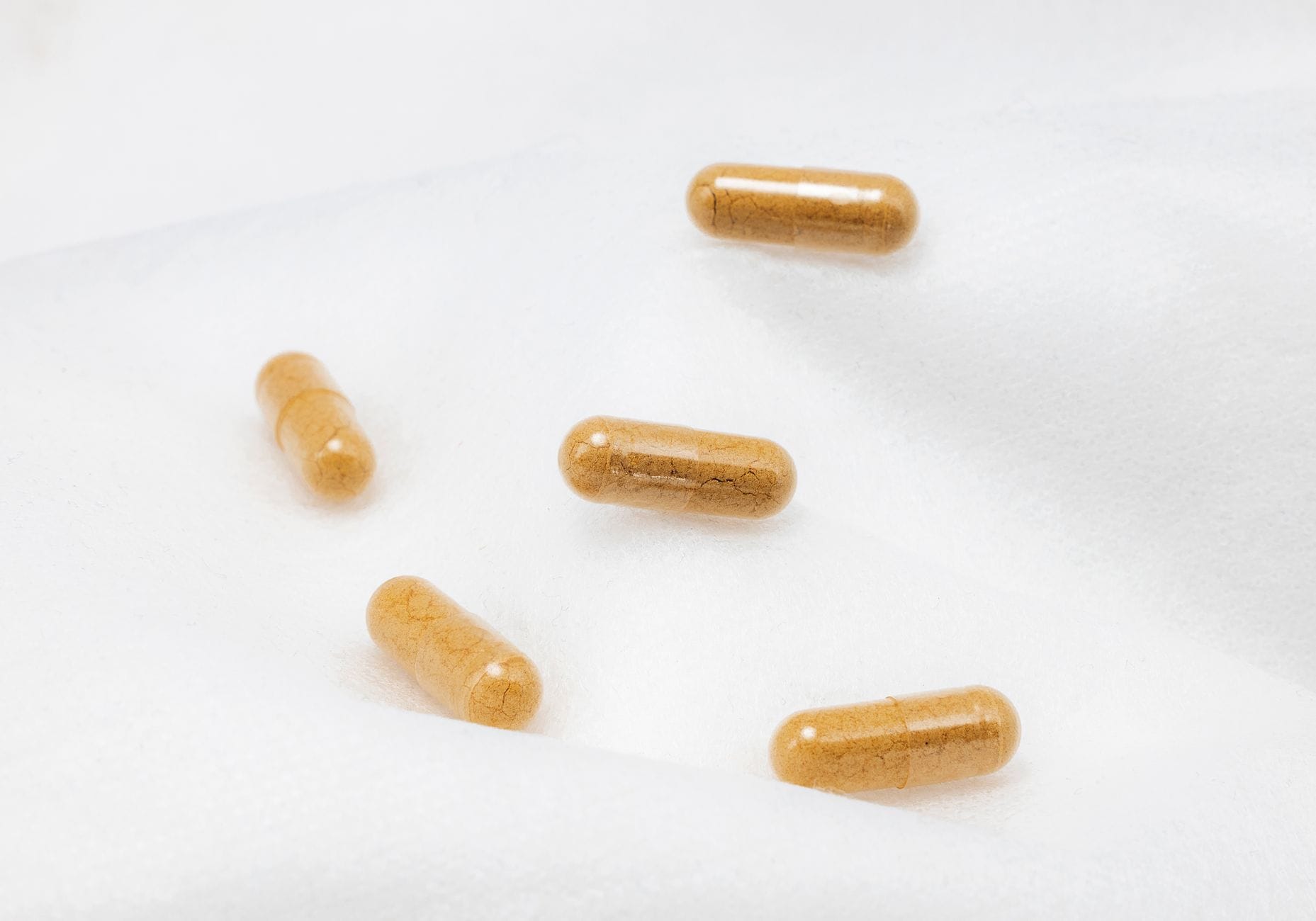
Boswellia shows up in several forms, and quality varies a lot between products. Common options include:
Capsules and standardized supplements
Concentrated boswellia extracts
Raw resin
Blends that combine it with turmeric or other herbs
Boswellia essential oil
There is no universally agreed dose. Many products land somewhere near 300 to 500 mg, taken two or three times daily, but following the label is your safest starting point. If you take other medications or manage a chronic condition, run it past a doctor first. That one conversation is the difference between using boswellia sensibly and stumbling into an interaction you did not see coming.
Boswellia and turmeric
 Save
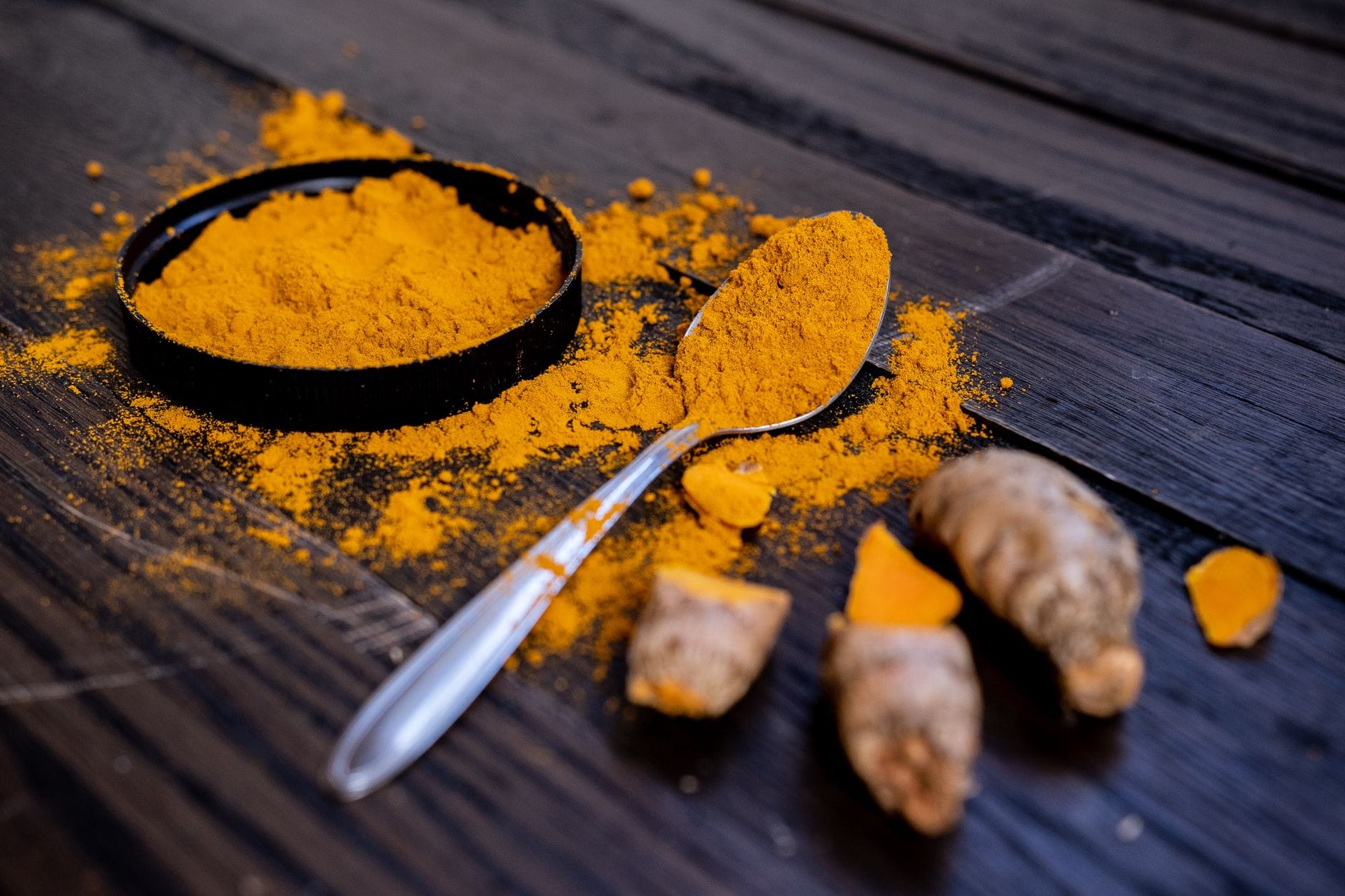
These two get mentioned in the same breath constantly, and for good reason: both are plant-derived anti-inflammatories with long histories in traditional medicine, and they are often formulated together. Turmeric brings curcumin; boswellia brings boswellic acids. They work through somewhat different pathways, which is the logic behind pairing them in joint formulas rather than choosing one over the other. If you already cook with turmeric, adding boswellia is less about replacing it and more about stacking complementary tools.
Side effects and who should skip it
Boswellia is well tolerated by most adults, but it is not risk-free. Taking more than the suggested amount can bring on stomach pain, nausea, headache, acid reflux, diarrhea, or itching. More importantly, it may interact with blood thinners, so anyone on anticoagulant medication should be cautious. Pregnant women should avoid boswellia entirely. When in doubt, treat it like any active supplement and check with a healthcare provider before starting.
Frequently Asked Questions
How long does boswellia take to work?
It varies. Some people notice relief within a couple of weeks, and the osteoarthritis trial that showed clear benefits ran for 120 days. Consistent daily use, rather than occasional doses, is what most studies tested.
Can I take boswellia with turmeric?
Yes, and many supplements deliberately combine them. Their anti-inflammatory mechanisms differ, so they are generally seen as complementary. Still, stacking supplements is worth mentioning to your doctor, especially if you take other medications.
Is boswellia safe to use every day?
For most healthy adults, daily use at label doses is considered safe. The main exceptions are pregnant women and anyone taking blood thinners. Overdoing it can cause digestive upset, so more is not better.
The Bottom Line
Boswellia is one of the more credible entries in the herbal anti-inflammatory category. The knee osteoarthritis evidence is solid enough to take seriously, and the mechanism behind boswellic acids makes its potential in asthma, gut inflammation, and beyond plausible. Just keep the perspective honest: much of the excitement rests on animal and lab studies that have not yet been repeated in humans. Use it at sensible doses, respect the interaction with blood thinners, skip it during pregnancy, and loop in a professional before you start.
This article is for informational purposes only and is not a substitute for professional medical advice. Talk with a qualified healthcare provider before starting boswellia or any supplement, especially if you are pregnant, taking medication, or managing a health condition.