

A chewy, mild mollusk that packs complete protein, omega-3s, and hard-to-get nutrients into a small serving.
Squid sits in the same broad family as octopus, oysters, and scallops. The meat is pale and translucent, mildly savory, and springy when you bite into it. Most people meet it as calamari, breaded and fried, though it also turns up in sushi, steamed dishes, and pasta. That fried version is delicious, but it also loads on calories and fat, which raises a fair question: how much squid is actually good for you, and how often should you eat it?
The short answer is that squid can be a genuinely nutritious choice a few times a week. It carries some caveats too, mainly around cholesterol and allergies. Here’s what the nutrition science supports and where to be careful.
Key Takeaways
– Squid is a complete protein, meaning it supplies all nine essential amino acids your body can’t make on its own.
– It delivers hard-to-get nutrients like choline and selenium, which support brain, liver, and immune health.
– Compared with many popular fish, squid is remarkably low in mercury.
– Its cholesterol content is high, so preparation and portion size matter.
– Anyone with a shellfish or seafood allergy should avoid it entirely.
What’s Actually in a Serving of Squid
Per the USDA, 100 grams of raw squid provides roughly 15.6 grams of protein, about 65 mg of choline, and around 44.8 µg of selenium, along with a modest amount of omega-3 fatty acids. That selenium figure alone covers about 64% of the recommended daily intake for most adults.
The catch is that the same 100 grams also carries about 233 mg of cholesterol. So squid gives you a lot of good things in a small package, but the cholesterol number is one to keep in mind, especially if you have heart concerns.
Why Squid Earns a Spot on Your Plate
Most of squid’s benefits trace back to three things: quality protein, trace minerals, and its omega-3 content. A few of these nutrients are ones many people simply don’t get enough of.
Omega-3s for a healthier heart
 Save
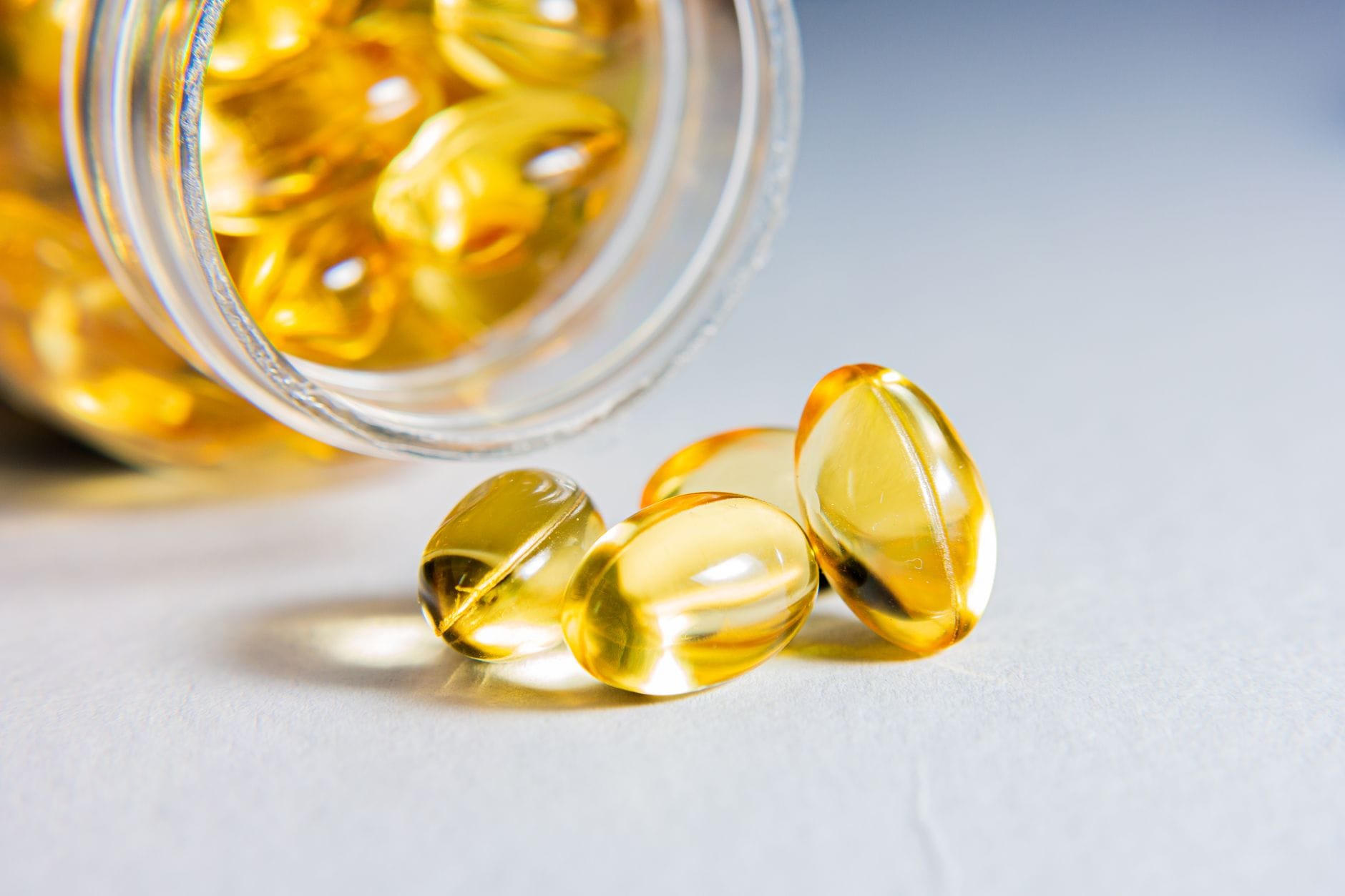
Squid contains a decent amount of omega-3 fatty acids. These fats are anti-inflammatory, and research links them to a lower risk of cardiovascular disease and other chronic conditions.
A complete protein for building muscle
With 15.6 grams of protein per 100 grams and all nine essential amino acids present in adequate amounts, squid counts as a complete protein. That makes it useful for repairing tissue and supporting muscle.
Choline for brain and liver
 Save
Here’s a nutrient that flies under the radar. Squid offers about 65 mg of choline per serving, ranking it among the better food sources after eggs. Choline matters for brain function and liver health, and it plays a role in preventing spinal defects in a developing fetus. According to national survey data, only about 10.8% of Americans meet the adequate intake for choline, so squid can help close a real gap.
Selenium and antioxidant defense
The selenium in squid isn’t just filler. This trace mineral activates selenoproteins, which act as antioxidants and support your immune system. Adequate selenium has been studied in connection with heart health and cancer protection, though as with most single nutrients, it works best as part of a varied diet rather than as a standalone fix.
Low in mercury
Mercury is the reason many people ration their seafood. Squid does well here. Testing of 36 commercial samples found an average mercury level of just 0.024 ppm, which puts squid among the safer options on the counter, well below tuna, sardines, crab, and lobster.
Where Squid Can Trip You Up
Eaten in moderation, squid is considered a safe food. Two things deserve attention before you make it a regular habit.
Shellfish allergy. Like its mollusk relatives (oysters, mussels, and clams), squid can trigger an allergic reaction. The main culprit is a muscle protein called tropomyosin. Crustacean allergies, to crab, lobster, or shrimp, are more common than mollusk allergies, but cross-reactivity happens, so if you react to shellfish you may react to squid too. Symptoms range from mild rashes, itching, and hives to swelling and trouble breathing, and they can escalate fast. One blogger described her belly swelling after eating calamari at a restaurant, followed by wheezing and coughing that sent her reaching for prescribed allergy medication. If you suspect a reaction, talk to a doctor.
The cholesterol issue is the other one worth respecting. At 233 mg per 100 grams, squid is cholesterol-dense before you even cook it, and deep-frying only adds fat on top. Fried squid rings taste wonderful but aren’t a smart everyday pick if you have cardiovascular concerns. Baking, broiling, or a quick sear keeps things lighter. Sticking to a serving or two a week is a sensible way to enjoy squid without pushing your cholesterol or sodium too high.
Squid, Calamari, and Cuttlefish
 Save
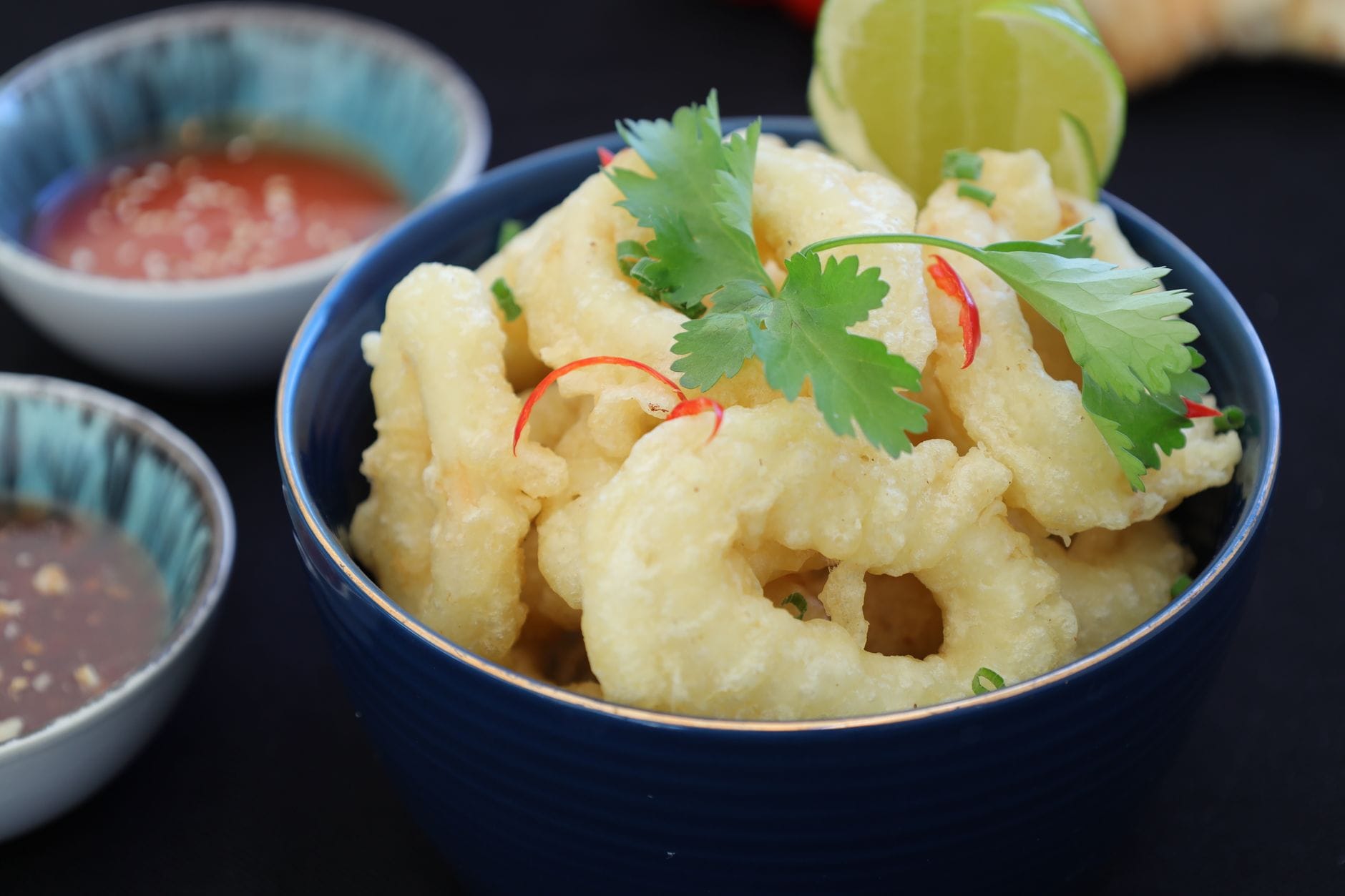
The names get tangled. In much of the world, “calamari” is just a fancier label slapped on fried squid rings, though technically calamari refers to a slightly different cephalopod. The two are close cousins with only minor distinctions, and telling them apart usually takes a trained eye.
Cuttlefish adds to the confusion. It belongs to the same cephalopod family, looks similar, and often costs about the same depending on where you shop. The differences are subtle enough that most home cooks won’t notice.
Shrimp is easier to sort out. Squid is a shell-less mollusk while shrimp is a crustacean with that familiar outer shell. In flavor, squid runs mildly sweet and tender, whereas shrimp tastes closer to chicken with a firmer bite. Both turn rubbery the second you overcook them. Nutritionally, squid runs slightly higher in calories and much higher in cholesterol, while shrimp carries more than twice the sodium and phosphorus and edges ahead on protein.
Cooking Squid Without Wrecking It
 Save
Fresh squid is available at most fishmongers and the seafood counter of larger supermarkets. The golden rule is speed: squid wants either a very quick cook over high heat or a long, slow braise, with nothing in between. Anywhere in the middle and it turns to rubber. Grilling, a fast pan-sear, or baking all keep it tender while sidestepping the extra fat of the deep fryer.
Frequently Asked Questions
How much squid is safe to eat?
A serving of about 4 ounces is reasonable, either daily in small amounts or two to three times a week. Because of the cholesterol, moderation is the key word if you have heart or diabetes concerns.
Is squid healthier than shrimp?
It depends on what you’re after. Squid offers more choline and iron, while shrimp is lower in cholesterol and slightly higher in protein. Both are lean and low in mercury, so either fits a balanced diet.
Can I eat squid if I’m allergic to shrimp?
Be cautious. Shrimp is a crustacean and squid is a mollusk, but cross-reactive allergies do occur, so a crustacean allergy raises your odds of reacting to squid. Check with your doctor before trying it.
The Bottom Line
Squid is an easy nutritional win when you treat it right. It brings complete protein, brain-supporting choline, antioxidant selenium, and a low mercury profile to the table, all in a modest portion. The main trade-offs are its high cholesterol and its potential to trigger seafood allergies. Skip the deep fryer most of the time, keep servings to a few a week, and steer clear entirely if shellfish doesn’t agree with you. Handled that way, this chewy little mollusk pulls real weight in a healthy diet.
This article is for informational purposes only and is not a substitute for professional medical advice. Talk to a qualified healthcare provider before making significant changes to your diet, especially if you have a heart condition, diabetes, or a known seafood allergy.