
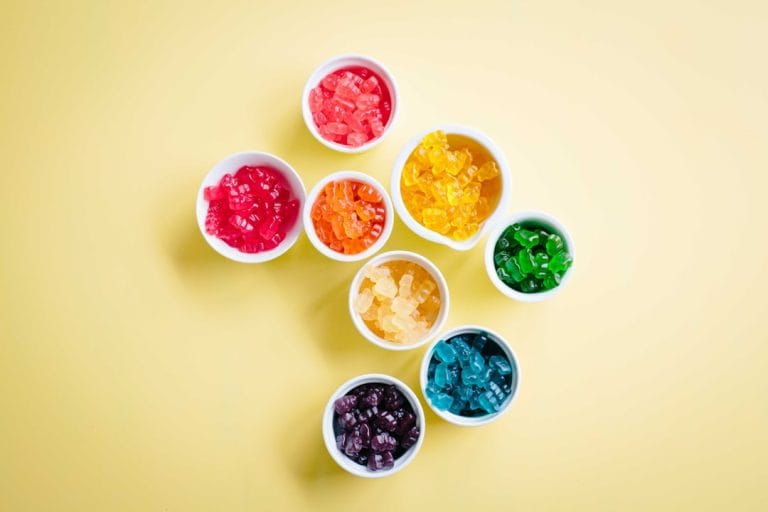
The wobble in your favorite jelly is doing more than you think.
Gelatin hides in plain sight. It sets your panna cotta, gives gummy candies their chew, and turns a plain pudding into something that holds its shape. Most of us think of it as a kitchen helper and nothing more. But this humble ingredient is almost entirely protein, and a growing pile of research suggests it may nudge along everything from your joints to your sleep.
So is it actually good for you, or is that just wishful thinking dressed up in a science paper? Let’s walk through what gelatin is, where it comes from, and what the evidence really shows.
Key Takeaways
– Gelatin comes from collagen in the bones, skin, and connective tissue of animals, usually pigs and cows.
– It is essentially 100% protein with no carbs, fat, or sugar.
– The amino acids it carries, especially glycine and glutamic acid, are linked to benefits for skin, memory, sleep, and gut lining.
– Plant-based stand-ins like agar-agar, carrageenan, and pectin work for vegan, kosher, or halal cooking.
– Around 8 to 12 grams a day is a common intake, though some people react to it.
What Gelatin Actually Is
Gelatin is a translucent, flavorless substance made by simmering the collagen out of animal bones, joints, and connective tissue. Collagen is the structural protein that holds skin, cartilage, and bone together, and gelatin is basically that collagen broken down into a form that dissolves in warm water and firms up as it cools.
Because it comes from animals, gelatin is not vegan, and it isn’t considered kosher or halal either. It shows up beyond the dessert menu too, turning up in some skincare and hair products thanks to its collagen content.
Vegan Swaps When Gelatin Isn’t an Option
 Save
If you’d rather skip the animal-based version, a few plant options set just as well.
Agar-agar is made from seaweed that’s boiled to a gel, pressed, dried, and ground into powder. It swaps in for regular gelatin in most recipes, but if your dish leans on citrus like lemon or orange, you’ll need to double the amount.
Carrageenan also comes from seaweed, specifically Irish moss.
Pectin is the fruit-based one, naturally abundant in citrus. It’s the thickener behind many fruit yogurts and homemade jams and jellies.
Any of the three can slot into your recipe depending on what texture and flavor you’re after.
What’s Inside It
The nutrition label is almost comically simple. Per 100 grams, gelatin delivers around 429 calories and a full 100 grams of protein, with zero fat, zero carbohydrates, zero sugar, and no sodium.
That profile is why it fits so neatly into high-protein and ketogenic eating plans. You get a concentrated protein hit without the extra calories that usually ride along.
The Health Benefits Worth Knowing
Most of gelatin’s reputation rests on its amino acids, particularly glycine and glutamic acid. Here’s where the research points, along with the caveats.
Bones and Joints
 Save
Glutamic acid, one of gelatin’s building blocks, has been tied to better bone health. In studies on rats, gelatin appeared to raise bone mineral content and strengthen the skeleton. The honest caveat: the human evidence is still thin, so we can’t promise the same result in people yet.
Skin, Hair, and Nails
 Save
This is where gelatin’s collagen connection shines. Research suggests collagen helps skin stay hydrated and supple. One study of volunteers aged 21 to 28 found that gelatin supplements were linked to a 30% jump in hair mass and volume. A blogger named Jacqueline described the change plainly, saying her once-thin hair “has gotten crazy thick” and that her nails, which used to snap easily, finally grew strong. Plenty of people also fold gelatin into DIY masks with egg yolk, honey, or aloe vera.
Brain and Memory
Glycine, the amino acid gelatin is rich in, has been shown to sharpen memory in young and middle-aged adults in at least one study. Researchers have also explored glycine’s role in conditions like schizophrenia and Parkinson’s disease, and a small amount of work hints it may ease symptoms of OCD and body dysmorphic disorder. This part is less settled, so treat it as promising rather than proven.
Weight and Appetite
Because gelatin is pure protein with no carbs or fat, it may help with weight management. Studies suggest eating it triggers the release of ghrelin in a way that leaves you feeling full, so you naturally eat less. High-protein diets more broadly have been linked to lower body fat, which lines up with that effect.
Sleep
 Save
Taking about 3 grams of glycine before bed has been shown to improve sleep quality and cut daytime drowsiness and fatigue. Glycine seems to gently lower core body temperature and lengthen REM sleep, both of which help you rest more deeply.
Gut Health
The glutamic acid in gelatin converts to glutamine once your body absorbs it. Glutamine helps reinforce the gut wall, reducing how permeable it is and shielding it from bacterial trouble. It may also calm inflammation in the digestive tract.
There’s even early work, done in mice, suggesting gelatin from pigskin might slow tumor growth and extend lifespan, though that’s a long way from proof in humans.
A Word on Safety
Gelatin is well tolerated by most people, but it isn’t risk-free. Some individuals get digestive upset, and gelatin allergies do exist, including reactions linked to certain vaccines that contain it. If you have known allergies or a sensitive stomach, check with a healthcare provider before making it a regular habit.
Frequently Asked Questions
How much gelatin should I take in a day?
A common range is 8 to 12 grams daily. If you’re using it specifically for sleep, some research points to about 3 grams of glycine before bed. Start low and see how your body responds.
Is gelatin the same as collagen?
They’re close relatives. Gelatin is cooked-down collagen, so it dissolves in warm liquid and gels as it cools, while collagen supplements are often processed further into peptides that dissolve in cold liquid too. Both supply the same amino acids.
Can vegetarians and vegans use gelatin?
Not the standard kind, since it’s made from animal tissue. Agar-agar, carrageenan, and pectin are plant-based alternatives that thicken and set foods without any animal products.
The Bottom Line
Gelatin is a rare thing: a near-perfect protein that also happens to make dessert wobble. The strongest evidence sits around skin hydration, hair volume, sleep, and gut lining, while the bone and cancer research is still mostly limited to animals. None of it makes gelatin a cure for anything, but as a low-calorie way to add protein and glycine to your day, it earns its spot in the pantry. Just introduce it slowly, watch for any allergic reaction, and don’t lean on it as your only protein source.
This article is for informational purposes only and is not a substitute for professional medical advice. Talk to a qualified healthcare provider before adding gelatin supplements to your routine, especially if you are pregnant, managing a health condition, or prone to allergies.