

A grounded look at which oils may ease thyroid symptoms, and where the claims fall apart.
Thyroid trouble has become common enough that most of us know someone managing it. Standard treatment works, but it doesn’t always smooth out every rough edge, the lingering fatigue, the restless nights, the achy joints. That gap is where essential oils get mentioned, usually with more enthusiasm than evidence. So let me be straight with you from the start: there’s no good research showing that any oil corrects a thyroid imbalance. What some oils may do is take the sharp corners off certain symptoms while your prescribed treatment does the real work.
That distinction matters, and I’ll come back to it. First, a quick look at why the gland gets thrown off in the first place.
Key Takeaways
– Essential oils don’t treat thyroid disease, but a few may ease symptoms that ride along with it.
– Lemongrass, lavender, sandalwood, and peppermint have been studied for issues like inflammation, anxiety, and sluggish digestion.
– Their reported benefits lean on anti-inflammatory, calming, and pain-relieving properties.
– None of this replaces medication, testing, or your doctor’s plan.
– Always dilute in a carrier oil and patch-test before regular use.
What Actually Goes Wrong With the Thyroid
 Save
The thyroid is a small gland doing large jobs, and several things can knock it off course. Autoimmune conditions such as Hashimoto’s thyroiditis, where the immune system turns on the gland itself, are a leading cause of an underactive thyroid. Too little iodine is another, since the gland needs it to build hormones; a shortfall can lead to goiter and hypothyroidism.
Growths on the gland, called nodules, can interfere with hormone output, and in rare cases they turn cancerous. Radiation to the head and neck can damage thyroid tissue. Pregnancy stirs the pot too, sometimes triggering a temporary flare like postpartum thyroiditis. Whatever the root cause, the symptoms tend to cluster, and that’s the part oils are aimed at.
Can a Bottle of Oil Fix Your Thyroid?
No, and anyone promising otherwise is selling something. What oils may offer is relief around the edges.
An underactive thyroid tends to bring fatigue, dry skin, irritability, digestive sluggishness, inflammation, and weight gain. An overactive one pulls the opposite direction: insomnia, an irregular heartbeat, jitteriness, and anxiety. Certain oils have been studied for those individual complaints, which is why they show up in thyroid conversations at all. Think of them as comfort measures alongside treatment, not a substitute for it.
There are hopeful anecdotes floating around, including bloggers who credit oils for normalizing their labs. Those stories are worth reading with a raised eyebrow. A single person’s improvement doesn’t tell you what caused it, and thyroid numbers can shift for many reasons.
Oils Worth Keeping on the Shelf
Rather than march through a dozen, here are the ones with the most going for them.
Lemongrass
Bright and citrusy, lemongrass has real anti-inflammatory credentials. It appears to dial down pro-inflammatory signaling molecules called cytokines, which may soften the inflammatory response tangled up with thyroid imbalance. Some people apply it (diluted) over the neck when the gland feels swollen or tender.
Frankincense
This resin oil brings anti-inflammatory, pain-relieving, and immune-supporting properties to the table. One study found it helpful against psoriasis, an autoimmune skin condition that often keeps company with thyroid problems. Research has also looked at frankincense for memory, autoimmunity, blood sugar, and asthma, all loosely connected to thyroid function. The warm scent makes it a pleasant choice for winding down.
Lavender
 Save
Lavender is the calming workhorse here. It may ease anxiety and low mood, both common when the thyroid runs fast or slow, and it seems to nudge up antioxidant activity, which counters the oxidative stress that tends to worsen hypothyroidism. Its mild anti-inflammatory and pain-relieving qualities may also help with the musculoskeletal aches that shadow thyroid dysfunction. Not every lavender is equal, incidentally; flavonoid content varies by cultivar and how the oil is extracted, so quality is uneven across brands.
Sandalwood
Sandalwood has shown anti-anxiety effects, which may matter if an overactive thyroid is fueling panic or a racing mind. It’s also been used for hair thinning tied to hypothyroidism and for the dry, flaky skin of psoriasis. There’s some evidence it guards against oxidative and pollution-related stress that can aggravate thyroid issues.
Wintergreen and Spearmint
Both earn their place through pain relief. Wintergreen owes its punch to methyl salicylate, a compound with strong analgesic action, making it a topical option for sore, tired joints and muscles. Spearmint works similarly on achy joints and may improve local circulation. Wintergreen’s scent is intense, so cut it generously with a carrier oil like coconut or olive.
Peppermint
 Save
Peppermint is the multitasker. It’s been studied as a natural support for hypothyroidism and may help with digestion, nausea, a dragging metabolism, physical stamina, mood, and mental sharpness. Massaging it (diluted) into the belly is a common approach for sluggish digestion.
How to Use Them Safely
 Save
A few habits keep this in the “helpful” column rather than the “regretful” one:
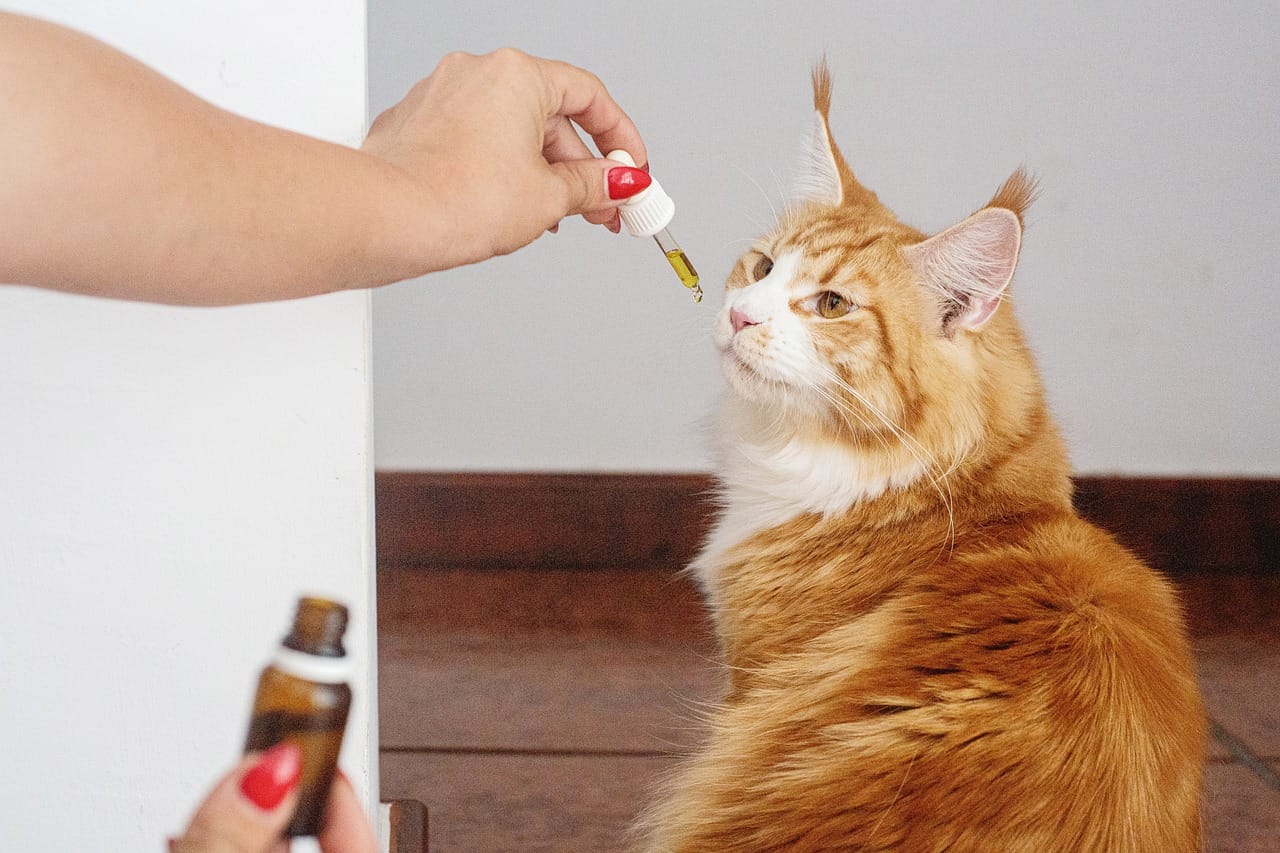
Dilute first. Essential oils are concentrated. Blend a few drops into a carrier oil before anything touches skin.
Patch-test. Try a small amount on your inner arm and wait a day before wider use.
Aromatherapy counts. A diffuser or a few drops on a cloth delivers the calming benefits without skin contact.
Keep your medication. Oils sit beside your treatment, never in place of it.
If you’re pregnant, nursing, or managing another condition, clear any new oil with your doctor. Some interact with medications or aren’t recommended during pregnancy.
Frequently Asked Questions
Can essential oils lower my TSH or replace thyroid medication?
No. There’s no reliable evidence that oils change thyroid hormone levels, and stopping prescribed medication can be dangerous. Keep taking what your doctor prescribed and use oils only for symptom comfort.
How should I apply oils near my thyroid?
Dilute a few drops in a carrier oil and gently massage over the front of the neck if the gland feels swollen. Never apply undiluted oil, and stop if you notice redness or irritation.
Are these oils safe during pregnancy?
Some aren’t. Pregnancy already shifts thyroid function, and certain oils are best avoided. Check with your provider before using any of them while pregnant or breastfeeding.
The Bottom Line
Essential oils are a supporting act, nothing more. They won’t repair a thyroid, restore hormone levels, or shorten a treatment plan. What a handful of them may do, with modest research behind it, is ease the fatigue, anxiety, aches, and digestive sluggishness that make thyroid conditions harder to live with day to day. Used carefully, diluted, patch-tested, and always alongside your medication and regular testing, they can be a small, pleasant addition. Just keep your expectations honest and your doctor in the loop.
This article is for informational purposes only and is not a substitute for professional medical advice. Always consult a qualified healthcare provider about diagnosis, treatment, and any changes to your thyroid care.