
A little green fruit that tastes like lychee met lime, with a surprising amount going on inside.
Picture something the size of a large grape, green and smooth on the outside like a lime, hiding a soft, gelatinous pulp that clings to a big white seed. That’s mamoncillo (Melicoccus bijugatus), better known across Latin America and the Caribbean as Spanish lime. Despite the name, it isn’t a citrus at all. It belongs to the same family as lychee and rambutan, and the resemblance shows up the moment you peel one open.
You’ll also hear it called guinep, quenepa, chenet, genip, mamon, or limoncillo, depending on where you are. The names change, but the appeal doesn’t: a tangy-sweet snack that people in tropical regions have eaten and used medicinally for generations. Here’s a closer look at where it grows, what’s inside it, and why researchers have started paying attention.
Key Takeaways
– Mamoncillo is a small, non-citrus tropical fruit related to lychee, with a sweet-tart, slightly starchy pulp.
– It supplies vitamins A and C, fiber, calcium, phosphorus, and tryptophan.
– Its phenolic compounds act as antioxidants and have shown antimicrobial and antifungal activity in lab studies.
– Early animal research links mamoncillo extracts to lower blood pressure through relaxed blood vessels.
– Eat it fresh in moderation, since too much can cause bloating and stomach cramps.
Where This Fruit Actually Grows
Mamoncillo traces back to the Caribbean islands and northern South America, and it thrives in warm tropical pockets of the Pacific and Africa too. In the United States, small commercial groves grow in southern Florida, and a few home gardeners tend their own trees. Over time the fruit has spread to Central America, the Caribbean, and even parts of India.
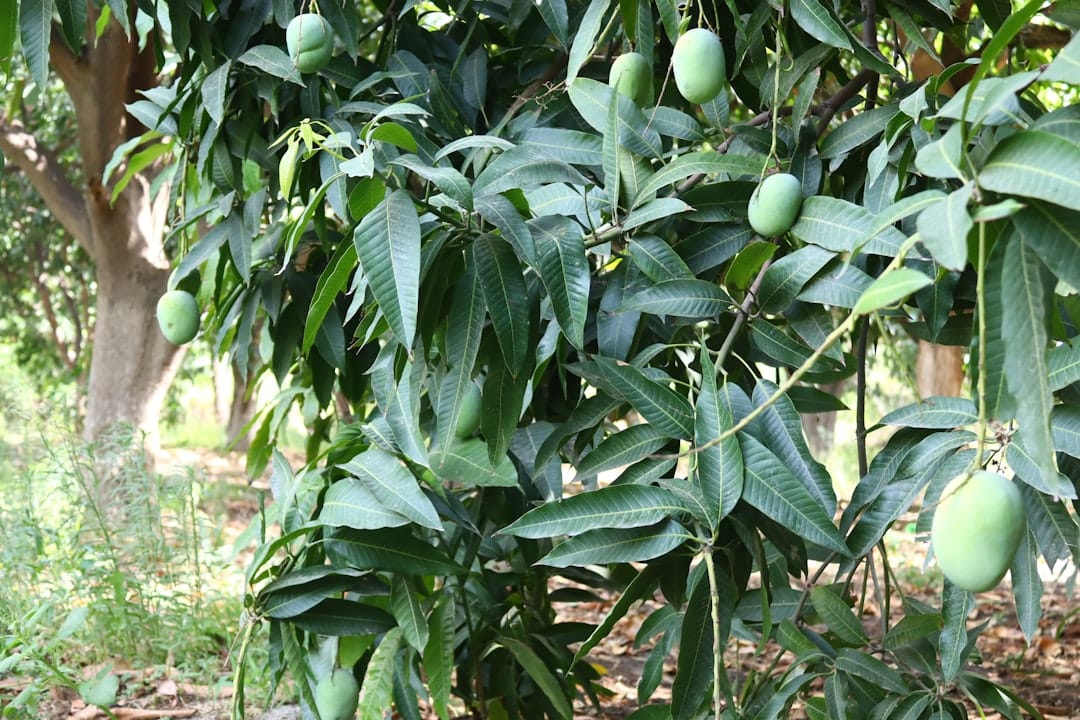
The trees are big and leafy, and the fruit hangs in generous bunches, often a dozen or more per cluster. Season matters here: mamoncillo is a summer fruit, typically harvested from July through October. If you spot it at a farmers market, that’s the window you’re catching.
What It Tastes Like and What’s Packed Inside
Bite into an unripe one and it’s sharply tangy. Let it ripen and the flavor mellows into something sweetly acidic with a faint starchy backbone. That sweetness comes from the carbohydrates in the pulp, while the mouth-puckering astringency traces back to its polyphenols. Most people land on the same description: somewhere between lychee and lime.
Nutritionally, mamoncillo carries more than its size suggests. It’s a good source of:
Vitamins A and C, which support immunity and skin
Dietary fiber, useful for digestion and steady energy
Calcium and phosphorus, both tied to bone health
Tryptophan, an amino acid the body uses to make serotonin
Those phenolic compounds in the pulp do double duty as antioxidants, and Caribbean folk medicine has long leaned on the fruit for high blood pressure and stomach complaints. Modern research is starting to look at whether the tradition holds up.
The Health Benefits Worth Knowing
It fights microbes in the lab
Extracts from the pulp have shown antimicrobial activity that scales with the dose, and both the pulp and embryo extracts have pushed back against several types of yeast in antifungal testing. This is early lab work, not a reason to skip your medicine, but it hints at compounds worth studying.
It’s genuinely rich in antioxidants
 Save
A 2014 study in Food Chemistry measured the nutrient content and antioxidant activity of a dozen tropical fruits from Yucatán, Mexico, including star apple, cashew, mombin, and mamey sapote. Mamoncillo landed in the top tier for antioxidant activity, alongside star apple, mombin, cashew, and white sapote. The researchers found a strong link between a fruit’s phenol content and its antioxidant strength. Antioxidants help your body clear out free radicals, which supports the immune system and may lower the risk of chronic disease over time.
It may be good for your heart
 Save
This is where the fruit gets interesting. The phenolic compounds appear to help blood vessels relax and widen, which can bring blood pressure down. In one study, rats given mamoncillo extract for six weeks showed meaningful drops in systolic, diastolic, and mean arterial pressure. The extract seemed to work on the endothelium, the inner lining of blood vessels, through nitric oxide and guanylyl cyclase pathways rather than prostaglandins.
There’s a second thread here. Two of the fruit’s phenolics, p-coumaric acid and caffeic acid, have shown anti-platelet activity, meaning they may influence how blood clots. That combination points to possible blood-pressure benefits, though human studies are still missing. Treat this as promising rather than proven.
It has a folk history with digestion
In Venezuela, mamoncillo seeds are roasted, crushed, and stirred into honey, then used as a home remedy to stop diarrhea. Researchers have also pointed to the fruit’s glucose-to-fructose ratio as a factor that may ease gastrointestinal upset. Traditional use plus a plausible mechanism makes this an area to watch, not a prescription.
Ways to Use Mamoncillo in the Kitchen
 Save
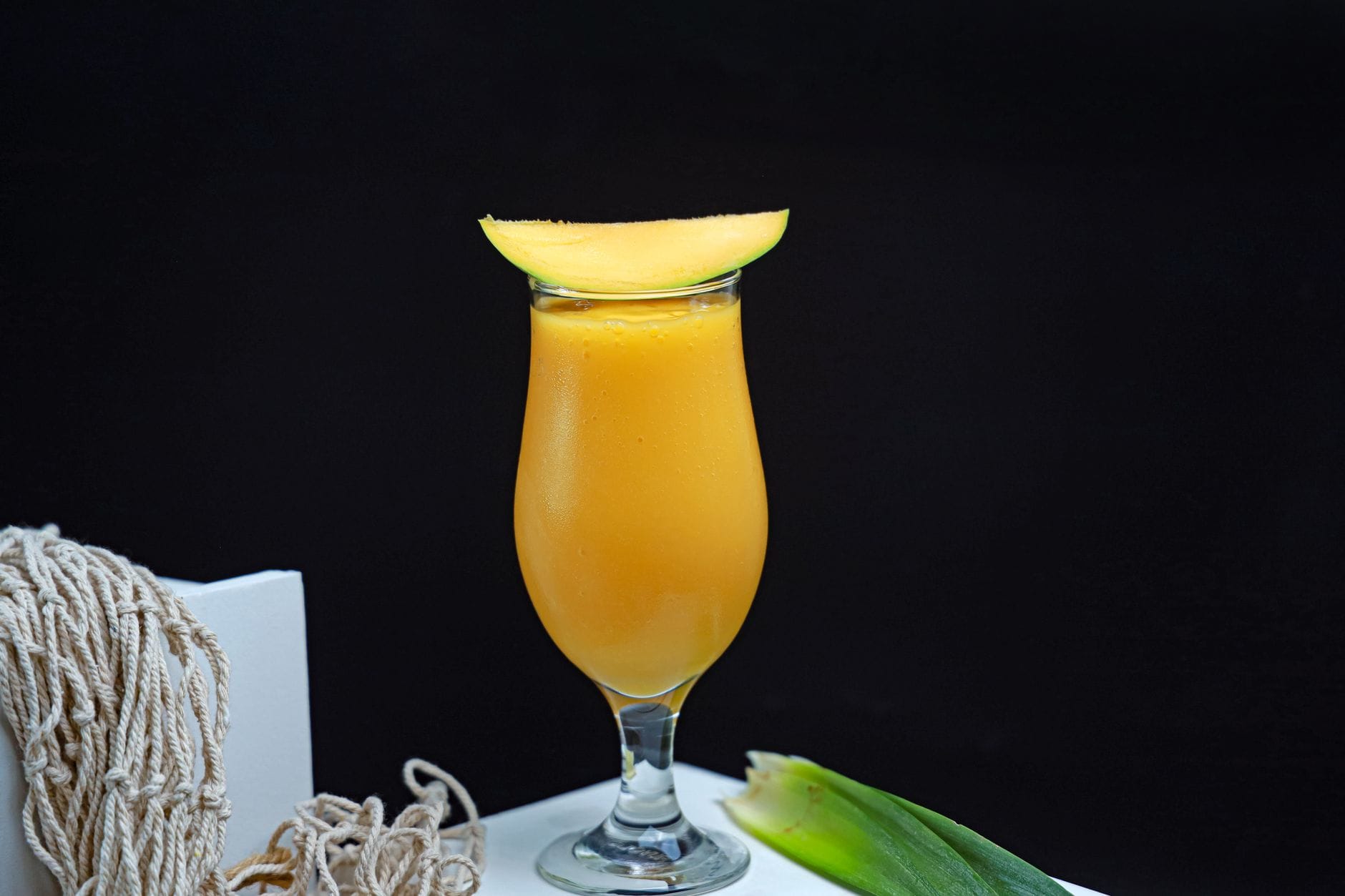
The simplest approach is the best one: peel the skin and eat the pulp straight, seed and all held in your mouth like a lychee. Beyond fresh snacking, the sweet-tart flavor stretches across a lot of dishes:
Fold it into salsas and chutneys for a tangy lift
Blend it into juices and smoothies
Whisk the juice into marinades and salad dressings
Add it to fruit salads, sorbets, or homemade ice cream
Pickle it or cook it down into preserves for a sweet-and-sour condiment
A quick heads-up on the seed: it’s large and the pulp is thin, so mamoncillo is more of a nibble than a fill-you-up fruit.
Growing Your Own Tree
 Save
If you live somewhere warm and have room to spare, mamoncillo is a hardy option. It handles drought well and adapts to most soil types, but it can’t tolerate frost or sharp temperature drops. Space is the real catch, since a mature tree can climb to around 85 feet, so plant it in an open, sunny spot well away from buildings and power lines.
Water it regularly for the first four years while it establishes. One practical tip: start with a young tree from a nursery rather than a seed. Seed-grown trees can take 8 to 10 years to fruit, while a nursery plant may reward you in 4 to 5.
There’s a sustainability upside too. Because mamoncillo grows so readily in backyards and in the wild across tropical America, most fruit at local markets is raised without synthetic fertilizers or pesticides, which makes it a low-impact choice.
Frequently Asked Questions
Is mamoncillo safe to eat every day?
For most people, yes. It’s considered safe for general consumption and can be eaten regularly. Just keep portions reasonable, since overdoing it may cause bloating, nausea, or abdominal cramps.
How is it different from lychee?
They’re relatives in the same botanical family and share that translucent, gelatinous pulp. Mamoncillo is smaller, greener on the outside, and tarter, with a flavor closer to a lime-lychee hybrid than lychee’s floral sweetness.
Can I eat the seed?
The seed isn’t meant to be swallowed whole or eaten raw. In some traditions the seeds are roasted and ground before use. Stick to the pulp and discard the seed when snacking.
The Bottom Line
Mamoncillo is easy to overlook, a small green fruit with a big seed and a short summer season. But the pulp delivers real value: vitamins A and C, fiber, calcium, phosphorus, and a strong dose of antioxidant phenolics. Early animal research ties those compounds to lower blood pressure and relaxed blood vessels, and generations of Caribbean and Venezuelan home remedies have used the fruit for digestion. Much of the evidence is still preliminary and human trials are thin, so enjoy mamoncillo as a nutritious, refreshing snack rather than a treatment. If you find a cluster at a market this summer, it’s well worth peeling one open.
This article is for informational purposes only and is not a substitute for professional medical advice. Talk with a qualified healthcare provider before making changes to your diet, especially if you have a health condition or take medication.