
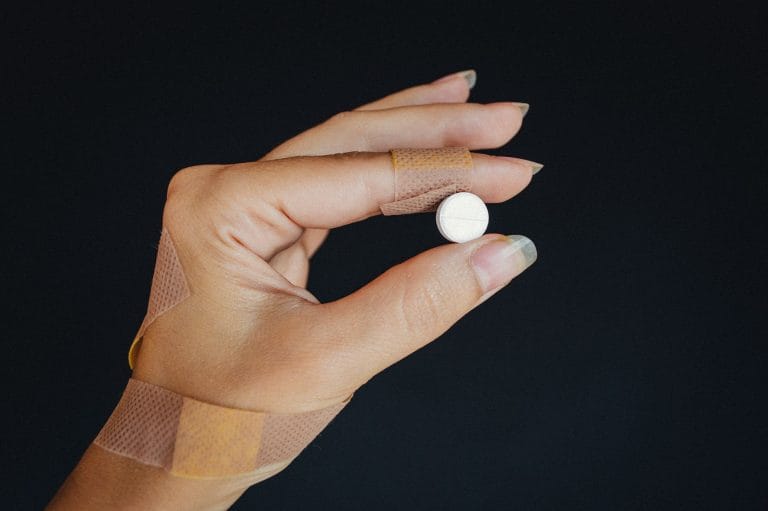
Small cuts and scrapes are part of life, and a few simple techniques can slow the bleeding before you reach for a bandage.
Anyone with kids underfoot or a weekend sport knows the routine: a scraped knee, a nicked finger, a little blood, a lot of drama. Most of these small wounds are easy to manage at home, and the faster you tend to one, the faster it tends to close. What follows is a practical look at how to slow bleeding from a minor skin wound, a few pantry and garden helpers that may support the process, and the clear signs that a cut needs a professional instead.
One caveat before anything else. These methods are for small, shallow wounds. Deep gashes, spurting blood, or an injury you can’t get to stop belong in the hands of a doctor or an emergency room, not a home remedy.
Key Takeaways
– Firm, steady pressure and raising the wound above heart level are the two most reliable first moves for a minor cut.
– A used tea bag, aloe vera gel, petroleum jelly on gauze, and yarrow are traditional aids that may support clotting and healing.
– Clean the wound with cool water, use an antiseptic, and cover it to keep bacteria out.
– Test any plant-based remedy on a small patch of skin first, since some people react to yarrow, aloe, or witch hazel.
– Bleeding that won’t slow after sustained pressure is a reason to get medical help, not to keep experimenting.
Start With Pressure and Gravity
Before any herb or salve, two basic actions do most of the work.
Press Firmly
 Save
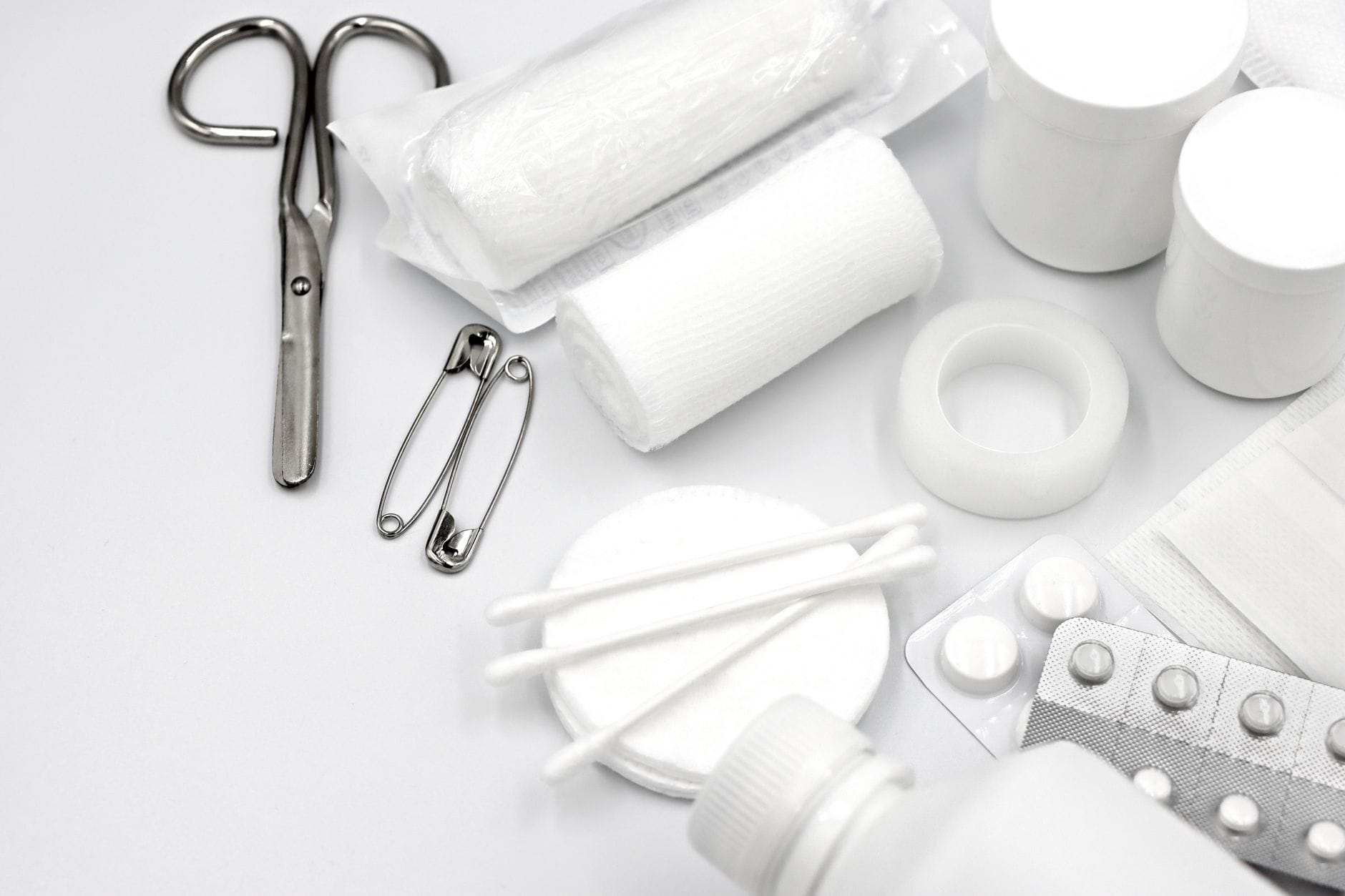
Lay a clean cloth or a piece of sterile gauze over the cut and press down with one or both hands. Hold that pressure without letting up for about five minutes, or until the blood stops. Resist the urge to lift the cloth for a look, because releasing too early can undo the clot that’s forming underneath. Once the bleeding has settled, wrap the area in a gauze dressing so the gentle pressure stays in place after your hands come off.
Raise the Area Above the Heart
Gravity is on your side here. If the cut is on an arm, lift it up so it sits higher than your heart. For a wound on the leg, prop the limb on a couple of pillows. Elevating the injured spot slows the flow of blood toward it, which gives pressure a better chance to work.
If direct pressure and elevation together aren’t quite enough, you can also press on an arterial pressure point above the wound, a spot where the artery runs close to the bone and the skin. For the arm, that point sits on the underside of the upper arm, between the biceps and triceps, where you can feel a firm pulse. For the leg, it’s the femoral artery high on the inner thigh.
A Few Remedies From the Kitchen and Garden
Once bleeding is under control, some traditional and plant-based options may help a small wound close and stay clean. None of these replaces the basics above; think of them as support.
Yarrow From the Garden
 Save
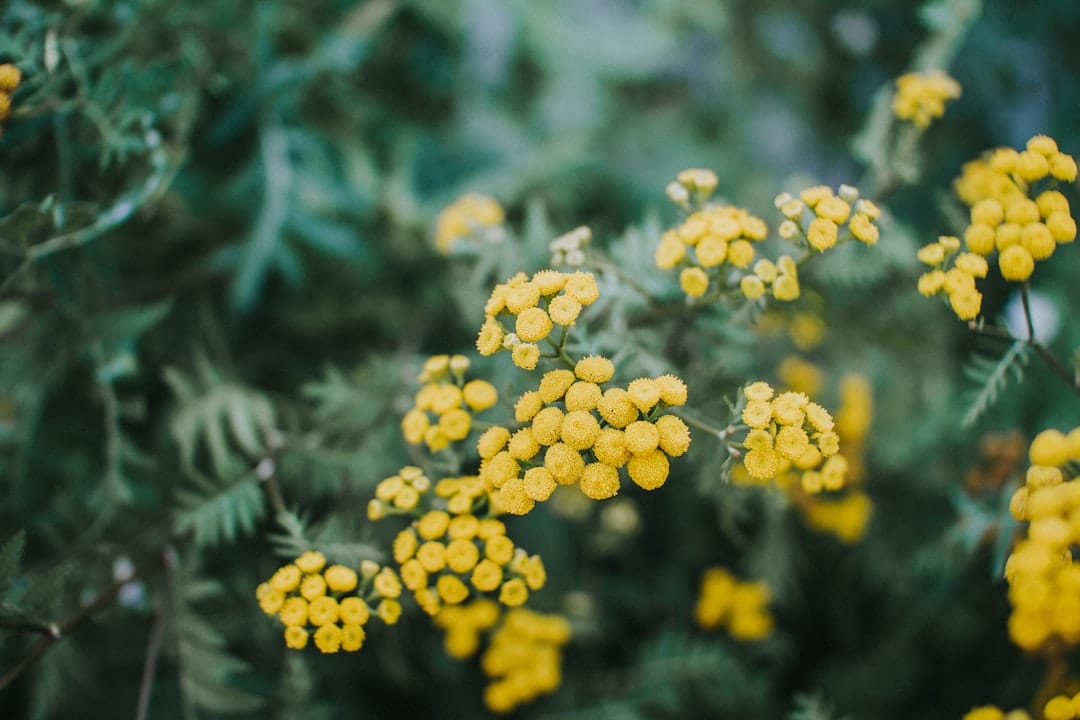
Yarrow, a feathery-leaved plant with white or pink flowers, has a long history in folk medicine for wound care, and an animal study points to genuine wound-healing activity. If you grow it, you can rinse the cut, sprinkle on dried yarrow powder or press on crushed fresh leaves, then wrap with gauze. A single clean leaf wrapped around the wound is another traditional approach, and some people use yarrow for nosebleeds too. Two warnings, though: skip yarrow entirely if you’re pregnant, and patch-test first, because it triggers allergies in some people.
A Used Tea Bag
 Save
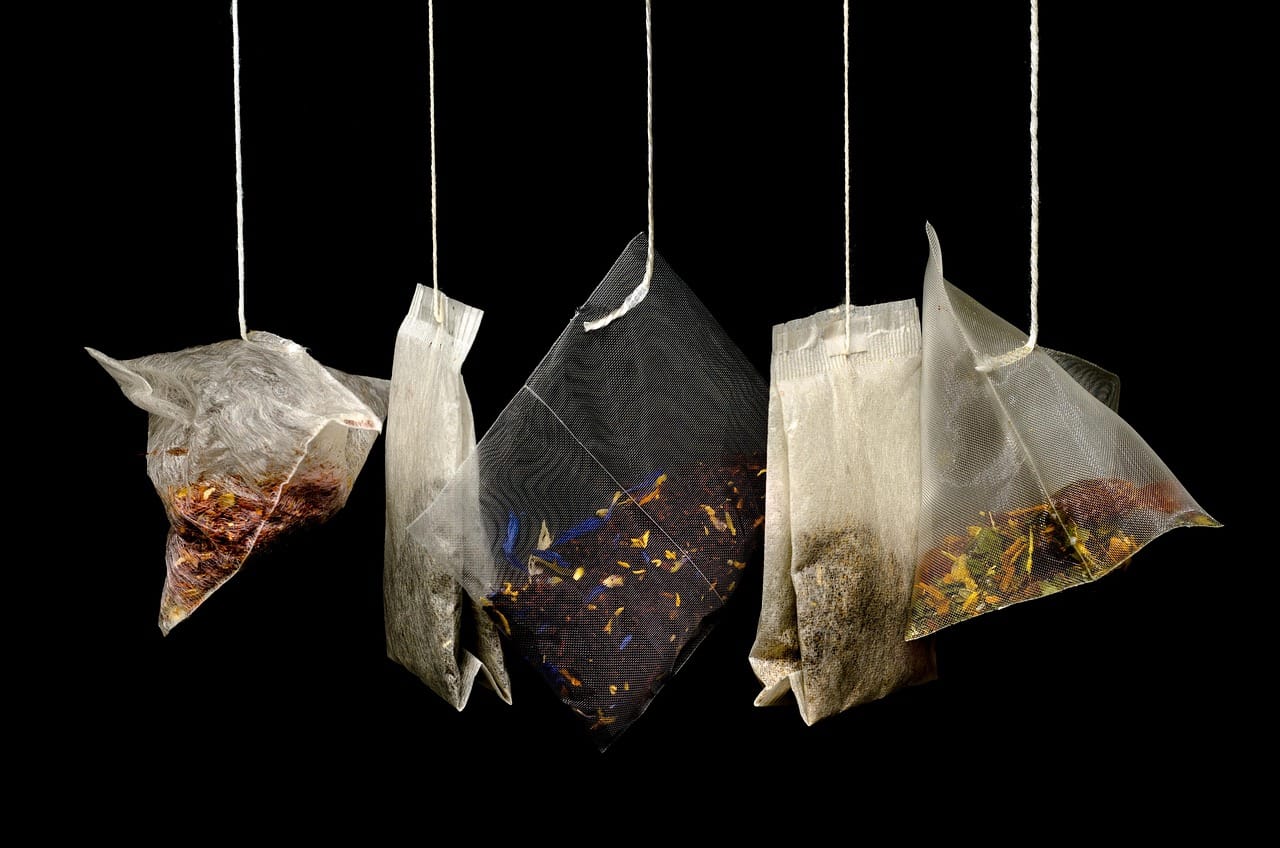
Don’t toss that steeped tea bag right away. It’s a well-known folk fix for a bleeding mouth, and there’s some science behind the idea. In one study, green tea extract wrapped in gauze reduced bleeding after a tooth extraction. Pressing a cool, used bag against bleeding gums is the classic application.
Aloe Vera Gel
 Save
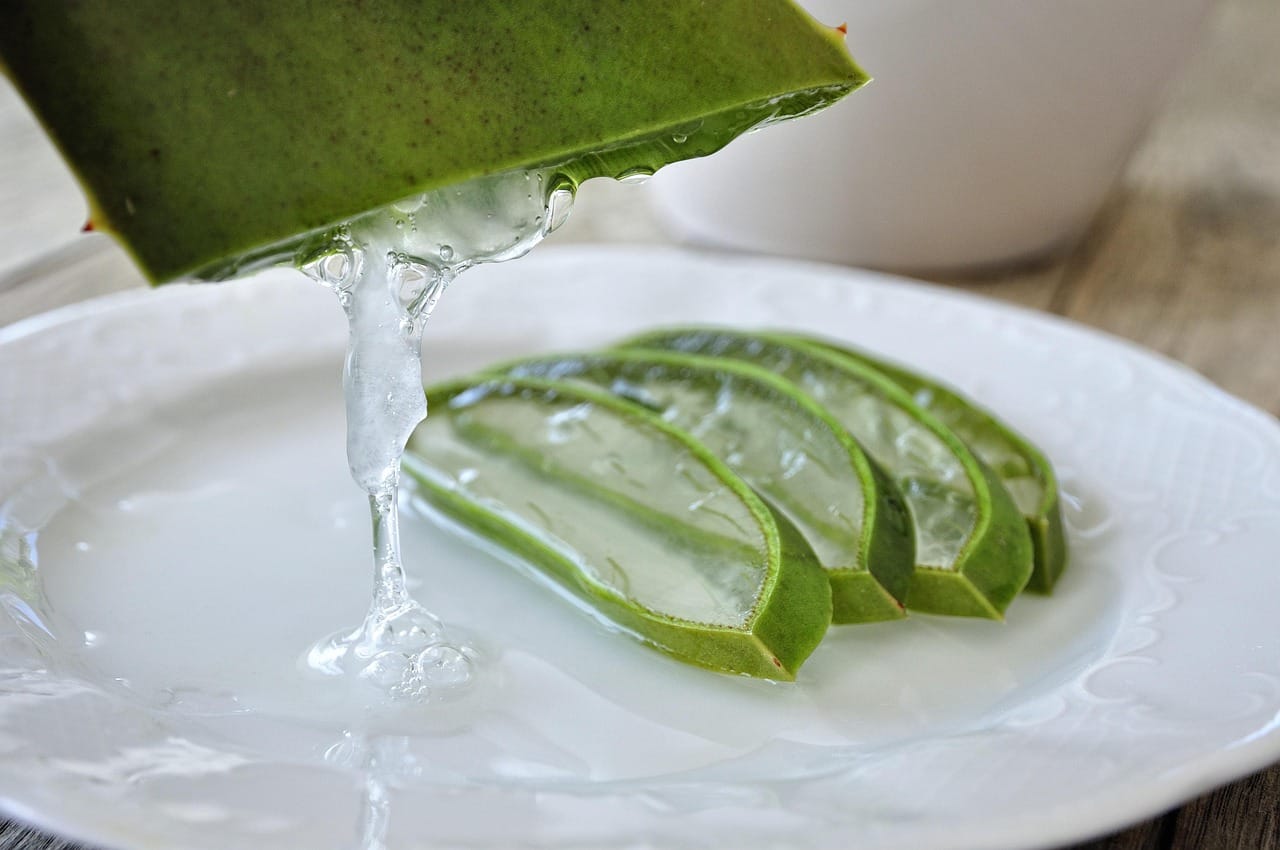
Aloe vera brings both astringent and antiseptic qualities. Smoothing a little gel onto gauze and wrapping it over a minor wound may help it close and support recovery, and research in rats credits acemannan, a compound in aloe, with speeding wound closure. The evidence isn’t all one direction, however. Some studies question aloe as a wound dressing, and it can cause rashes, irritation, or redness, so a patch test matters here as well.
Petroleum Jelly on Open-Weave Gauze
This one is more about creating good healing conditions than dramatic clotting. Spread petroleum jelly on a piece of open-weave gauze and lay it over the wound. The absorbent gauze soaks up blood and encourages clotting through contact, while the jelly keeps the dressing from sticking, locks in moisture, and forms a protective barrier over the wound bed.
Witch Hazel
Made from the dried leaves and bark of the witch hazel shrub, this astringent is a popular home option for minor cuts. The thinking, supported mostly by anecdote, is that it tightens blood vessels and slows the flow. Clean the area with mild soap and water, dab on a small amount with a cotton ball, and hold it against the cut. As with the others, a patch test first is wise.
Knowing the Kind of Bleeding You’re Dealing With
Reading the wound tells you a lot about how serious it is. There are three broad types.
Capillary bleeding is the everyday version, the oozing or trickling you get from scrapes and shallow cuts when tiny vessels called capillaries are damaged. This is the most common, and home care handles it well.
Venous bleeding shows up as a steady flow of dark red blood from a damaged vein. It’s less alarming than arterial bleeding but can still lose a meaningful amount of blood if you leave it.
Arterial bleeding is the serious one: bright red blood that spurts, signaling a damaged artery. It can become life-threatening fast and needs immediate professional care.
The remedies here are for the first category. The moment you see spurting or a heavy, steady flow, stop improvising and get help.
Keeping the Wound From Getting Infected
A wound turns infected when bacteria outnumber what the body can clear, which brings inflammation and stalls healing. A little routine goes a long way. Rinse the cut with cool water to flush out dirt and debris, apply an antiseptic, and cover the area with a clean dressing. Change that dressing if it gets wet or grimy, and keep an eye on the site over the next few days for spreading redness, warmth, swelling, or pus.
Frequently Asked Questions
How long should a minor cut take to stop bleeding?
Most small cuts slow within a few minutes of firm, steady pressure. If you’ve held pressure for a solid stretch and blood is still flowing freely, that’s your cue to seek medical attention rather than keep waiting.
Can I reuse a tea bag straight from my cup?
Yes, a cooled, already-steeped bag is the traditional choice for bleeding gums. Let it cool to a comfortable temperature first, then press it gently against the spot.
Is it safe to use yarrow or aloe on any cut?
Only on minor wounds, and only after a patch test, since both can cause allergic reactions. Avoid yarrow during pregnancy. For anything deep or heavily bleeding, skip the plant remedies and get proper first aid.
The Bottom Line
For the small cuts and scrapes that come with ordinary life, the fundamentals rarely fail: press firmly, raise the wound above your heart, then clean and cover it. Garden and pantry helpers like yarrow, a used tea bag, aloe vera, petroleum jelly, and witch hazel can lend a hand with clotting or healing, as long as you patch-test first and respect their limits. Anything that spurts, soaks through, or refuses to stop is a job for a professional, and there’s no shame in making that call quickly.
This article is for general information only and is not a substitute for professional medical advice, diagnosis, or treatment. Always consult a qualified healthcare provider about a wound, especially one that is deep, dirty, or won’t stop bleeding.