

A clear-eyed look at the pantry remedies people swear by, and why caution matters more than convenience.
Most of us have at least one mole we’d rather not have. Maybe it sits on your cheek, catches on a necklace, or just bugs you every time you look in the mirror. The internet is full of promises that a little apple cider vinegar or a smear of castor oil will make it vanish, and those methods are cheap and easy to try at home.
Before you reach for the cotton balls, it helps to understand what a mole actually is, why the popular remedies get talked about, and where the real risks hide. This is the honest version, not the hype.
Key Takeaways
– Moles are clusters of pigmented cells that most often appear on the face, neck, arms, and legs, though they can turn up almost anywhere.
– Too much sun, overactive oil glands, hormonal shifts, and extra melanin production all play a role in how moles form.
– Popular home treatments include apple cider vinegar, castor oil with baking soda, banana peel, garlic, and iodine.
– None of these remedies is backed by solid scientific evidence, and many dermatologists warn they can scar or damage the skin.
– Daily sunscreen and gentle exfoliation are the safest, most defensible ways to look after your skin.
What a Mole Actually Is
A mole is a small collection of pigmented cells that shows up as a dark spot on the skin. These cells gather in both the upper and lower layers of the skin, which is part of why they can be stubborn. Some moles are flat and simply look like a colored dot; others are raised and slightly bumpy.
Color varies a lot from person to person. Moles can look brown, black, pink, red, or somewhere in between. You’ll usually find them on the face, neck, arms, and legs, but they also appear in less obvious spots like the scalp, the toes, or even under a fingernail.
Why Moles Show Up in the First Place
There isn’t one single trigger. A few things tend to be involved:
Melanin. When the pigment-producing cells called melanocytes go into overdrive, they make extra melanin, and that surplus pigment can form a mole.
Sun exposure. Spending a lot of time in the sun can push skin pigmentation to spread, which is one reason sun-exposed areas collect more moles over the years.
Oil glands. Overactive sebaceous glands sometimes produce moles that look yellowish and feel a little rough.
Hormones. Some moles are present at birth. Others surface during puberty or pregnancy, when hormone levels shift dramatically.
Knowing the cause won’t tell you how to remove a mole safely, but it does explain why new ones keep appearing even after you deal with an old one.
The Honest Truth About Home Remedies
 Save
Here’s the part most articles skip. There is no scientific evidence that pantry remedies remove moles, and most doctors actively advise against them. The concern isn’t that they’re useless; it’s that they can burn, irritate, and permanently scar healthy skin. Removing pigment at home also destroys tissue a dermatologist might otherwise examine, which matters if a spot ever needs to be checked for something serious.
So treat the list below as a description of what people commonly do, not a recommendation. If a mole bothers you, the safest first move is a conversation with a professional.
Apple Cider Vinegar
 Save
This is the most talked-about method. People soak a cotton ball in vinegar, press it onto the mole, and hold it in place with a bandage for several hours, repeating until a scab forms. The mild acids are thought to dry the mole out. The catch is that those same acids can eat into surrounding skin and leave a scar, so heavy caution applies.
Castor Oil and Baking Soda
A common pairing mixes about half a teaspoon of baking soda with a couple of drops of castor oil into a paste, applied overnight under a bandage. Baking soda is meant to dry the spot while castor oil supposedly supports skin repair. Redness and inflammation are common with this one; it usually settles down over time, but it’s a sign the skin is being stressed.
Banana Peel, Garlic, and Iodine
 Save
A few other kitchen favorites get passed around:
Banana peel is taped over the mole inside-down overnight, on the theory that its natural acids and enzymes gradually break it down. Skip it entirely if you’re allergic to bananas.
Garlic paste is crushed and wrapped against the skin, sometimes for weeks. The enzymes are said to dissolve mole cells, but raw garlic can chemically burn skin, so this is a genuinely risky one.
Iodine is dabbed on with petroleum jelly ringed around the mole for protection. Topical iodine is toxic if swallowed and should never touch broken skin.
None of these has a track record you can trust, and every one of them carries a burn or scar risk on delicate areas like the face.
Side Effects Worth Taking Seriously
DIY mole removal can go wrong in ways that outlast the mole. The most common problems are:
Permanent scarring, especially from acidic ingredients.
Skin infection when the surface is broken and left open.
Irritation, redness, itching, or an allergic reaction to essential oils and other actives.
Incomplete removal, where pigment returns and the spot looks worse than before.
There’s also a quieter danger. A mole that changes shape, color, or size can be a warning sign that only a doctor should evaluate. Burning it off at home removes the evidence without answering the question.
Why Sunscreen Beats Any Remedy
 Save
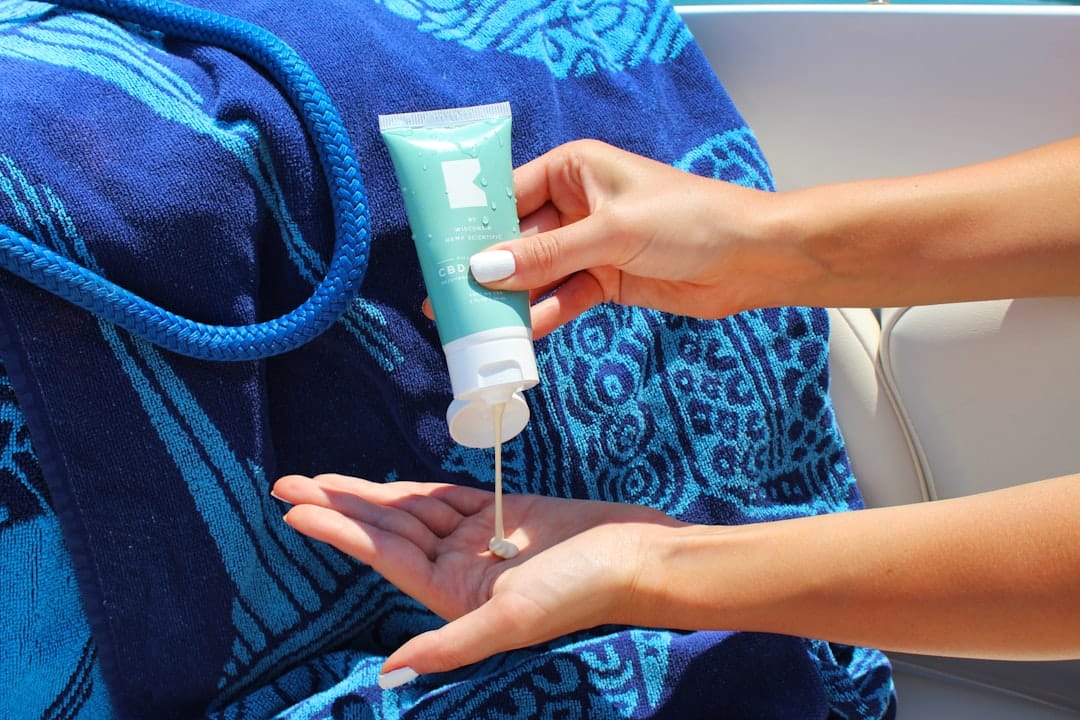
The most useful skin habit isn’t removing moles; it’s protecting the skin so fewer of them form and existing ones don’t darken. A broad-spectrum sunscreen applied generously and often is your best everyday tool, since sun exposure is such a reliable driver of new pigment. Gentle, regular exfoliation keeps the surface healthy and even-toned. Neither is glamorous, but both are things a dermatologist would actually endorse.
Frequently Asked Questions
Can home remedies remove a mole permanently?
There’s no reliable evidence they can. Any fading you see may be temporary, and the pigment can return. Professional removal is the only way to be sure a mole is fully and safely gone.
Is it safe to try apple cider vinegar on my face?
Facial skin is thin and prone to scarring, so this is one of the riskier places to experiment. If the mole is on your face, see a dermatologist rather than applying acids at home.
When should I see a doctor about a mole?
Book an appointment if a mole changes color, shape, or size, bleeds, itches persistently, or looks different from your others. Sudden changes deserve a professional eye.
The Bottom Line
Pantry remedies for moles are popular because they’re cheap and private, but popularity isn’t proof. None of them has scientific backing, and several can burn or scar the very skin you’re trying to improve. If a mole is only a cosmetic annoyance, a dermatologist can remove it cleanly in a quick in-office visit. If it’s changing in any way, getting it looked at isn’t optional. Meanwhile, the most reliable thing you can do at home is simple: wear sunscreen, exfoliate gently, and let a professional handle anything you actually want removed.
This article is for informational purposes only and is not a substitute for professional medical advice. Always consult a qualified dermatologist or healthcare provider before attempting to treat or remove a mole.