
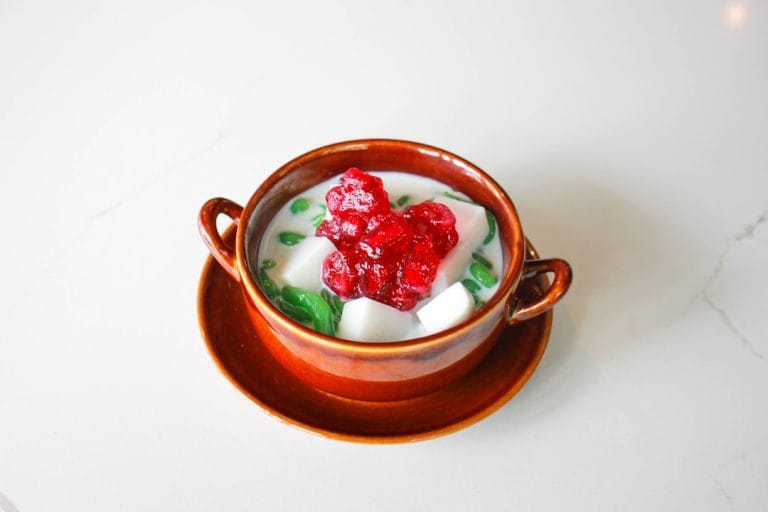
A mild, chewy cassava starch that fits into more diets than you might expect.
If you’ve ever sipped a bubble tea or spooned up a bowl of pudding studded with soft, translucent pearls, you’ve already met tapioca. It’s the starch pressed out of cassava roots, a plant native to South America and a dietary staple for millions of people around the world. Because it carries no gluten, wheat, or grain, tapioca has quietly become a go-to for anyone navigating celiac disease, allergies, or a restricted eating plan.
It won’t win any awards for vitamins, and that’s fine. Tapioca earns its place through what it can do in the kitchen and how gently it treats the gut. Here’s a closer look at what it offers and where to be careful.
Key Takeaways
– Tapioca is a gluten-, grain-, and wheat-free starch extracted from cassava roots.
– It’s easy to digest and may help with constipation, weight gain, and heart health.
– One cup of dry pearls is calorie-dense, which makes it useful when weight gain is the goal.
– Poorly processed cassava can carry natural toxins, so quality and preparation matter.
– Its high glycemic index means people with diabetes or prediabetes should go easy.
So What Exactly Is Tapioca?
Tapioca starts as ground cassava root. The pulp is pressed to release its liquid, which is left to evaporate until a fine white powder remains. That powder gets shaped into flour, flakes, or the familiar pearls.
The flavor is essentially neutral, which is a big part of the appeal. Tapioca thickens soups, sauces, and gravies without changing how a dish tastes, and its strong gelling power gives it real reach in both traditional and modern cooking. Pearls are the most recognizable form, starting out opaque and turning glassy once boiled. You’ll usually find tapioca tucked into the gluten-free aisle at the supermarket.
What You Get Nutritionally
 Save
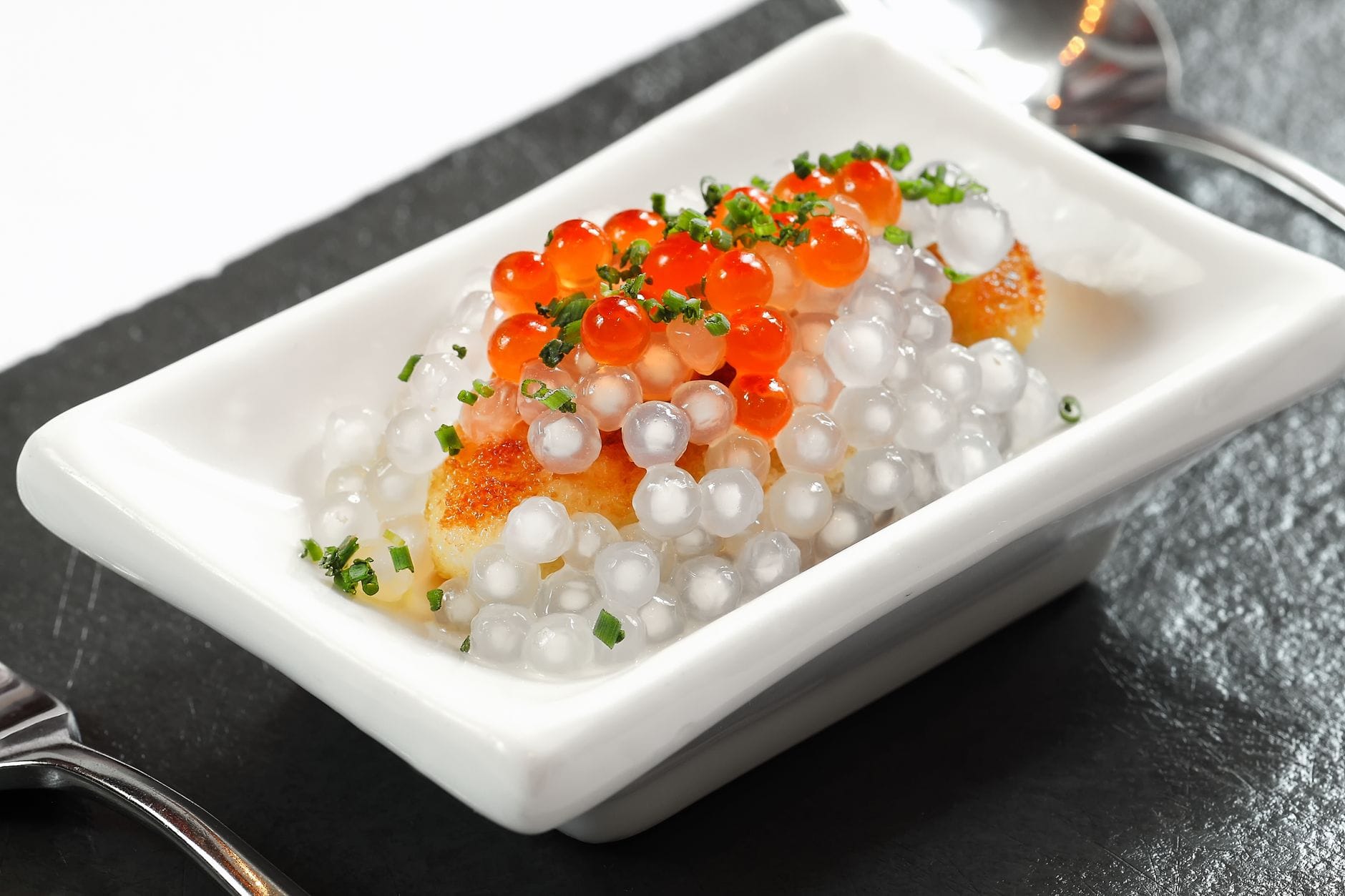
Tapioca is a carbohydrate at heart. One cup (152 grams) of dry pearl tapioca is calorie-dense and starch-heavy, according to the U.S. Department of Agriculture, and that same cup delivers roughly 2.4 mg of iron along with a modest amount of fiber. What it doesn’t bring is much protein, and it carries no saturated fat at all. Think of it as an energy source and a functional ingredient rather than a nutrient powerhouse.
Five Ways Tapioca May Help
Easier Digestion
Registered dietitian nutritionist Trista Best notes that tapioca is easy to digest and gentle on the gut because it isn’t inflammatory, which can help sidestep the stomach troubles some other flours and thickeners bring on. The fiber angle adds to the picture. A review in the World Journal of Gastroenterology found that dietary fiber can increase stool frequency in people dealing with constipation, and higher fiber intake has been linked to a lower risk of distal colon cancer. There’s also a loose thread connecting gut health to skin conditions like eczema and acne, though that link needs far more study before anyone leans on it.
A Calorie Boost When You Need One
Weight gain gets a bad rap, but plenty of people need it, whether for a fitness goal or to improve their health. Nutritionist Lisa Richards points out that a cup of tapioca pearls runs over 500 calories and around 135 grams of carbohydrates, which makes it a practical tool for adding weight. Her other observation is worth repeating: unlike some calorie-dense foods, tapioca won’t drive up your cholesterol along the way.
A Heart-Friendly Starch
 Save
Because tapioca contains no saturated fat, it slots neatly into a heart-conscious diet. Long-term trials have found that cutting saturated fat intake may lower the combined risk of cardiovascular disease by about 21 percent. Cassava itself contains antioxidant flavonoids and alkaloids that appear to help manage some cardiovascular complications, and the fiber it provides has an anti-dyslipidemic effect, meaning it can help keep blood cholesterol in check. The research on tapioca specifically is still thin, so treat this as promising rather than proven.
A Safe Choice on Restricted Diets
Roughly one in every 141 people in the United States has celiac disease, and for them gluten is off the table entirely. Tapioca sidesteps that problem completely, which is why it’s such a reliable swap for wheat flour in baking. It also shows up on paleo plates and in autoimmune protocol diets. And in some communities, nursing mothers eat cassava leaf products to help support their breast milk supply.
Iron for Pregnancy
That 2.4 mg of iron per cup matters more during pregnancy. Adults typically need 8 to 18 mg of iron a day, but the target jumps to 27 mg for pregnant individuals, since the body is building a placenta and guarding against anemia. Tapioca won’t cover that gap on its own, but it can contribute to a broader iron-aware diet.
The Safety Side
 Save
There aren’t documented side effects tied to tapioca itself, but cassava is another story. Improperly processed cassava can contain cyanogenic glycosides, which release cyanide, and there have been reported deaths in Nigeria linked to poorly prepared cassava. A hospital study in Portugal also connected badly processed cassava to konzo, a neurological disease that disrupts normal brain function. People with latex allergies may react to cassava because of cross-reactivity, in rare cases severely.
One more caution: tapioca starch has a high glycemic index, so it can spike blood sugar and insulin quickly. If you have diabetes or prediabetes, keep portions small and pair it with protein or fat.
Cooking With Tapioca
 Save
Tapioca is more flexible than its plain reputation suggests. A few common uses:
Baking. Tapioca flour makes gluten-free, grain-free breads and flatbreads like casabe.
Pearls. Simmer them for puddings, snacks, and bubble tea.
Thickening. Stir it into soups, sauces, and gravies without altering the flavor.
Texture. A little added to burgers, nuggets, or dough improves moisture and bite.
To cook the pearls, rinse them in cold water, then boil, drop the heat to medium, and simmer for 10 to 15 minutes, stirring now and then so they don’t clump or stick. They’re ready once soft and translucent. If you’re folding pearls into patties or dough instead, soak them in water for four to five hours or overnight, then drain well before using.
Frequently Asked Questions
Is tapioca healthy?
It can be a useful part of a balanced diet, especially if you’re avoiding gluten or trying to add calories. It’s low in protein and high on the glycemic index, so it works best alongside more nutrient-dense foods rather than as a staple on its own.
Can people with diabetes eat tapioca?
It’s best approached with caution. Tapioca’s high glycemic index can raise blood sugar and insulin quickly, so small portions and pairing it with protein or fat are wise. Check with your healthcare provider first.
Is tapioca the same as cassava?
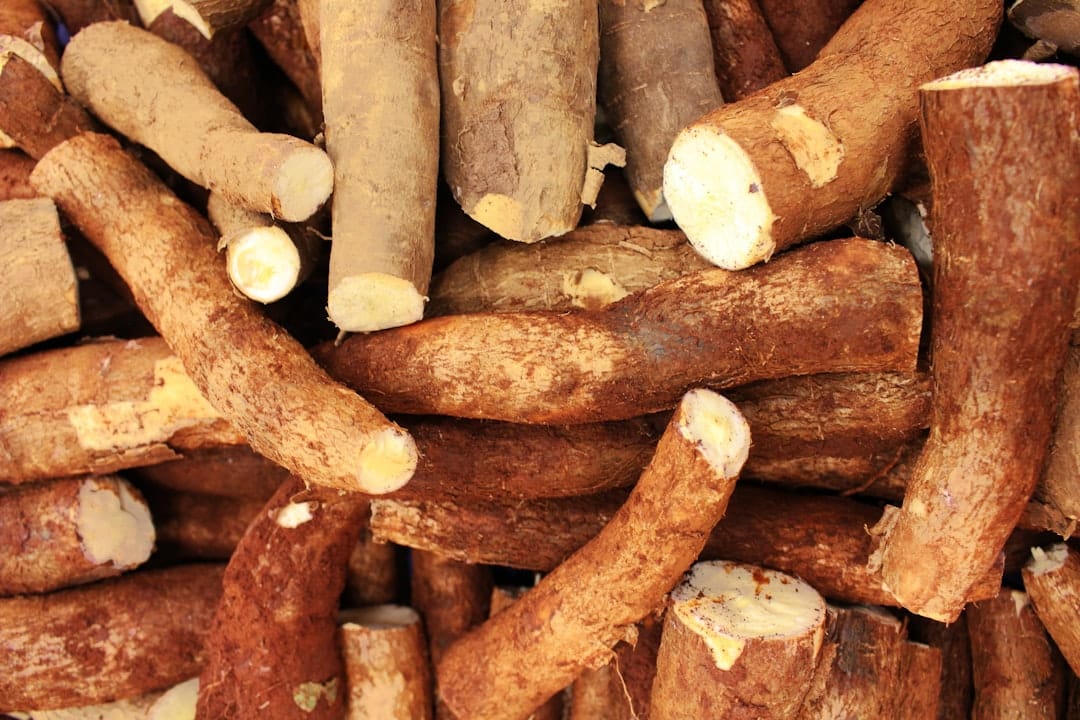
Not quite. Cassava is the whole root, while tapioca is only the starch extracted from it. That distinction matters for safety, since the natural toxins of concern live in the raw and poorly processed root, not in properly made tapioca.
The Bottom Line
Tapioca is a mild, gluten-free starch that pulls its weight through versatility and gentleness rather than dense nutrition. It can ease digestion, support a heart-healthy pattern, help with weight gain, and give people on restricted diets a dependable baking option. The catch is quality: stick to properly processed products, mind your portions if blood sugar is a concern, and enjoy it as one flexible ingredient among many.