
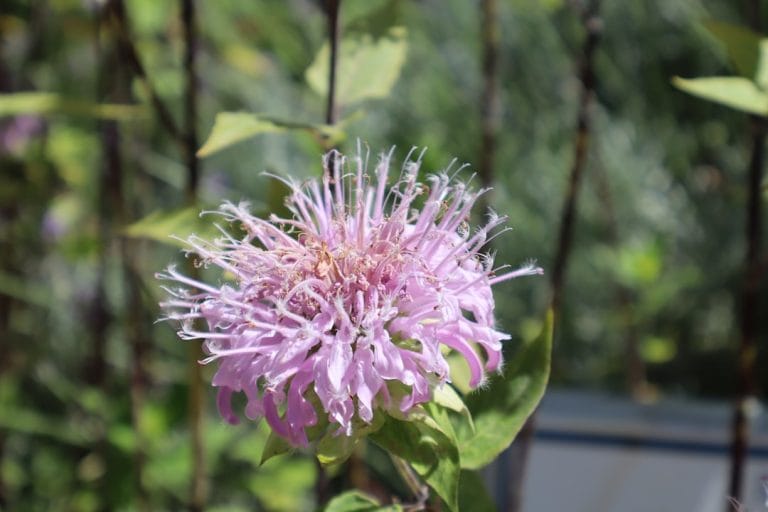
A fragrant citrus oil with a long history in folk medicine and a growing pile of modern research behind it.
Bergamot essential oil comes from the rind of a small citrus fruit, and it has quietly earned a spot in spas, aromatherapy kits, and Ayurvedic remedies. People reach for it to unwind, sleep better, and soothe sore muscles. The aroma alone, fresh and lightly sweet with floral edges, is part of the appeal.
Here’s what the oil is, what the science actually shows, how to use it without irritating your skin, and the cautions that matter if you take certain medications.
Key Takeaways
– Bergamot essential oil may support hair growth, calm inflammation, encourage sleep, and lower anxiety and stress.
– Its compound linalool has shown antibacterial activity against bugs that cause food poisoning.
– Blend it with a carrier oil, or pair it with lavender, chamomile, tea tree, or vanilla before applying.
– Applied undiluted to skin, it can trigger irritation, allergic dermatitis, and sun sensitivity.
– It may interact with diabetes drugs, antidepressants, and anesthesia, so talk to a clinician if any of those apply.
What Bergamot Oil Actually Is
The oil is pressed from the peel of Citrus bergamia, a fruit in the same family as lemons and oranges. It looks a bit like a lemon and grows heavily around Bergamo in southern Italy, which is how it got its name, though the tree itself traces back to Asia.
Genetically, the bergamot tree is thought to be a cross between lemon and orange, and its large oval leaves resemble a lemon tree’s. The oil behaves a lot like orange oil, sharing similar therapeutic qualities. Beyond remedies, you’ll find it in perfumes, natural deodorizers, massage products, and cosmetics.
What It Smells Like
Sharp citrus up front, then softer floral and faintly spicy notes underneath. Most people describe it as bright and uplifting, which is exactly why aromatherapists lean on it to shift the mood of a room.
The Benefits Worth Knowing
Bergamot oil is credited with a wide range of effects. Some are backed by solid research, others rest on early animal studies or personal accounts. Here’s where each one stands.
Healthier Hair
 Save
The oil is rich in antioxidants, and that seems to be where its hair benefits begin. In one study, applying bergamot extract to mice for 42 days noticeably improved hair growth. Antioxidants may also help support collagen in the skin. The catch is that human trials are still thin, so treat this as promising rather than proven (1).
Calmer Inflammation and Sore Muscles
 Save
Bergamot contains linalool and carvacrol, two compounds studied for their anti-inflammatory and pain-relieving properties (2, 3). Research on the oil and its main active parts, including limonene and linalyl acetate, points to anti-inflammatory, immune-modulating, and wound-healing activity (1). That combination makes it an appealing option for people dealing with nagging muscle aches.
Better Sleep
 Save
Poor sleep and high blood pressure tend to travel together (4). Both aromatherapy with bergamot and its topical use have been linked to lower blood pressure and improved mental well-being (1). In cardiac rehabilitation patients, a blend of lavandin, bergamot, and ylang ylang meaningfully improved sleep quality. Whether bergamot on its own does the same is still an open question (5).
Lower Anxiety and Stress
This is one of bergamot’s most talked-about uses. Studies suggest it has neuroprotective and anti-anxiety effects and may ease stress-driven anxiety through inhalation (6). That matters because conventional anxiety medications often carry harsh side effects, so a gentler adjunct is worth exploring, even if human data is still building.
The stress research is more concrete. In a study of 57 people at a mental health treatment center, a single 15-minute inhalation session left participants reporting more positive feelings, hinting that bergamot aromatherapy could complement care for stress and low mood (7).
Some people go further with anecdotal routines. Laurenina, a wellness blogger, wrote that bergamot has helped her manage anxiety: she adds it to Epsom salt baths and dabs it on her pulse points before demanding days.
Fewer Foodborne Bugs
Linalool shows up again here. Different bergamot preparations were tested against bacteria that cause food poisoning, and the oil came out as the most effective of the essential oils studied, with linalool the standout antimicrobial component (8).
Cholesterol Support
Bergamot carries compounds like rutin, naringin, and neoeriocitrin, which act as antioxidants and help shield the body from oxidative damage. These compounds may curb the oxidation of LDL particles, ease inflammation in the arteries, and interfere with enzymes involved in cholesterol production (9).
How to Use It
 Save
Bergamot is versatile, but it plays best in blends rather than on its own.
Pair it with vanilla. The two make a warm, slightly smoky scent. Because vanilla absolute is thick, warm it until it turns liquid first. From there you can build perfumes, soap bars, and toiletries, or dilute the blend into a homemade air freshener. The combination even lends a pleasant note to baking.
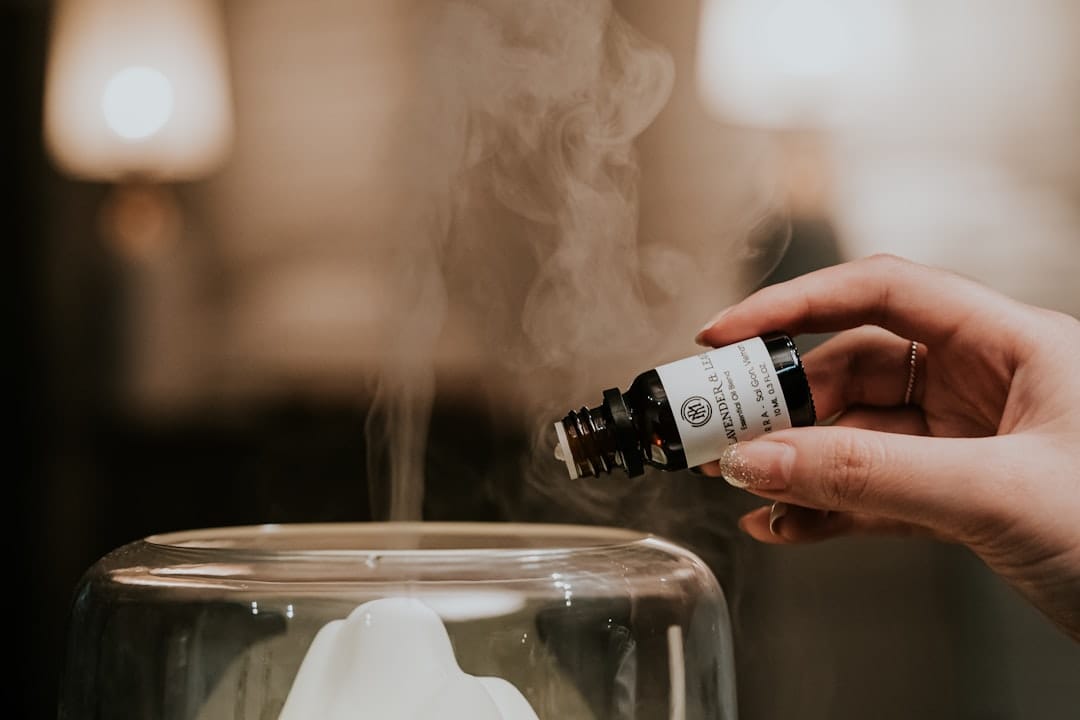
Combine it with other essential oils. Lavender, chamomile, and tea tree all mix well and let you tailor the effect toward relaxation or skin care. For any skin application, dilute the bergamot in a carrier oil such as jojoba or coconut first. A few drops in a diffuser is the simplest way to enjoy the aroma without touching your skin at all.
Side Effects and Cautions
Bergamot deserves respect. Applied directly to skin, it can cause irritation, allergic dermatitis, and phototoxicity, meaning it makes your skin far more reactive to sunlight. If you use it topically, dilute it and stay out of direct sun on treated areas.
There are drug interactions to keep in mind, too. Bergamot may push blood sugar too low when combined with diabetes medication. Anecdotal reports also suggest it could interfere with anesthesia and with antidepressants. If you are scheduled for surgery, manage diabetes, or take medication for mood, run it past your doctor before adding bergamot to your routine.
Frequently Asked Questions
Can I apply bergamot oil straight to my skin?
No. Undiluted essential oil can irritate skin and cause sun sensitivity. Always dilute it in a carrier oil like jojoba, almond, or coconut, and do a small patch test first.
Does bergamot actually help with anxiety?
Early research suggests inhaling bergamot may reduce stress and anxiety, and one study found positive mood changes after just 15 minutes. Human evidence is still limited, so think of it as a supportive habit rather than a treatment.
Is bergamot oil safe if I take other medications?
It can interact with diabetes drugs, antidepressants, and anesthesia. If any of those apply to you, check with a healthcare provider before use.
The Bottom Line
Bergamot essential oil offers a genuinely appealing mix of benefits, from calmer nerves and better sleep to antioxidant support for hair and skin. Much of the strongest evidence sits in animal and small human studies, so keep expectations reasonable and let the research keep catching up. Used thoughtfully, diluted, and away from strong sun, it’s a lovely addition to an aromatherapy shelf. Just clear it with your doctor first if you manage diabetes, take antidepressants, or have surgery coming up.
This article is for informational purposes only and is not a substitute for professional medical advice. Talk to a qualified healthcare provider before using essential oils, especially if you are pregnant, nursing, taking medication, or managing a health condition.