

A humble aquatic stem that Asian kitchens and traditional healers have leaned on for centuries.
Cut open a lotus root and you get a small surprise: a ring of neat little holes running down the middle, like natural lacework. That striking pattern belongs to the submerged stem of the lotus plant, a vegetable that has been eaten and used medicinally across China, Korea, Japan, and India for a very long time. It tastes mildly sweet, stays crisp even after cooking, and carries a nutrition profile that has caught the attention of researchers.
Most of the science so far comes from animal and cell studies, so treat the findings as promising rather than settled. Still, there are good reasons to make room for this crunchy root on your plate a couple of times a week.
Key Takeaways
– Lotus root is the edible, hole-filled stem of the lotus plant, prized for both cooking and traditional medicine.
– It supplies fiber, carbohydrates, potassium, and antioxidants that may support the liver, gut, and heart.
– Early studies link it to steadier blood sugar, less inflammation, and relief from allergy symptoms.
– Never eat it raw, and peel, rinse, then boil or steam it first.
– People with kidney disease may need to limit it because of its potassium content.
A Look at the Nutrition
 Save
SaveA 100-gram serving of cooked lotus root is modest in calories, around 86, while giving you roughly 15.5 grams of carbohydrate and about 1.5 grams of protein. It also delivers a useful dose of potassium (about 352 mg), along with smaller amounts of calcium, magnesium, phosphorus, and iron.
The fiber is the part worth flagging. According to nutritionist Elliot Reimers, the fiber in lotus root has been credited with helping the body regulate blood sugar and improving digestion. It also happens to be naturally gluten-free and isn’t a common food allergen, which makes it an easy addition for a lot of eaters.
What Lotus Root May Do for Your Body
The plant has a wide reputation in folk medicine, and modern lab work is slowly filling in why. Here’s where the evidence currently points.
It may look after your liver
 Save
SaveThis is one of the more interesting areas. In a study on mice, oral lotus root powder appeared to guard against non-alcoholic fatty liver disease by quieting inflammatory gene activity, raising levels of adiponectin (a hormone that helps manage insulin), and protecting liver tissue. Separate research on fermented lotus root extract suggests it may boost the liver’s detox capacity and help repair cells damaged by alcohol, hinting at a role in acute alcohol-related liver stress.
It may calm the gut and ease ulcers
Because it’s a good source of dietary fiber, lotus root supports regular bowel movements and adds bulk to stool. Fiber is one of the least glamorous nutrients and one of the most reliable, and if you’re trying to eat more of it, building meals around vegetables works better than chasing supplements. You can find plenty of fiber-forward ideas in these easy homemade meals for weight loss.
There’s also a gastroprotective angle. In rats, fermented lotus root helped shield the stomach lining against ulcers, likely thanks to its antioxidant and anti-inflammatory compounds, which seemed to speed up recovery of the gastric mucosa.
It may help steady blood sugar
 Save
SaveAn animal study found that lotus root extract lowered blood sugar in both diabetic and healthy rats, and improved glucose tolerance and insulin action. That’s encouraging, though whether people see the same effect isn’t yet confirmed. Human trials are the missing piece here, so anyone managing diabetes should keep treating this as a supportive food, not a treatment.
It may quiet inflammation and allergies
Fermented lotus root contains linoleic acid, a fatty acid that appears to dial down inflammatory responses by helping regulate the immune system, which could matter for conditions like acute hepatitis and certain autoimmune issues. On the allergy front, lotus root powder reduced nasal allergy symptoms in mice. Researchers credited its vitamin C and polyphenols, which lowered histamine and other markers tied to allergic reactions.
Could It Help With Weight and Heart Health?
Possibly, and the two are connected. In human cell studies, lotus root extract reduced fat tissue weight, blocked lipid buildup in cells, and lowered blood cholesterol, pointing to a mild anti-obesity effect that could help ward off weight-related conditions.
The heart benefits lean partly on minerals. Potassium acts as a vasodilator, easing blood flow and helping lower LDL, the so-called bad cholesterol, while also helping keep arteries clear. Lotus root’s pyridoxine (vitamin B6) helps keep homocysteine in check, which matters because high homocysteine can damage artery walls. If you’re building a heart-conscious kitchen, it pairs naturally with other smart swaps like the everyday benefits of pomace olive oil.
One smaller perk: the B vitamins, pyridoxine especially, interact with receptors in the brain and may take the edge off stress, irritability, and headaches. And with vitamin B and C on board, the root does a little quiet work for skin and hair too.
Cooking With Lotus Root
 Save
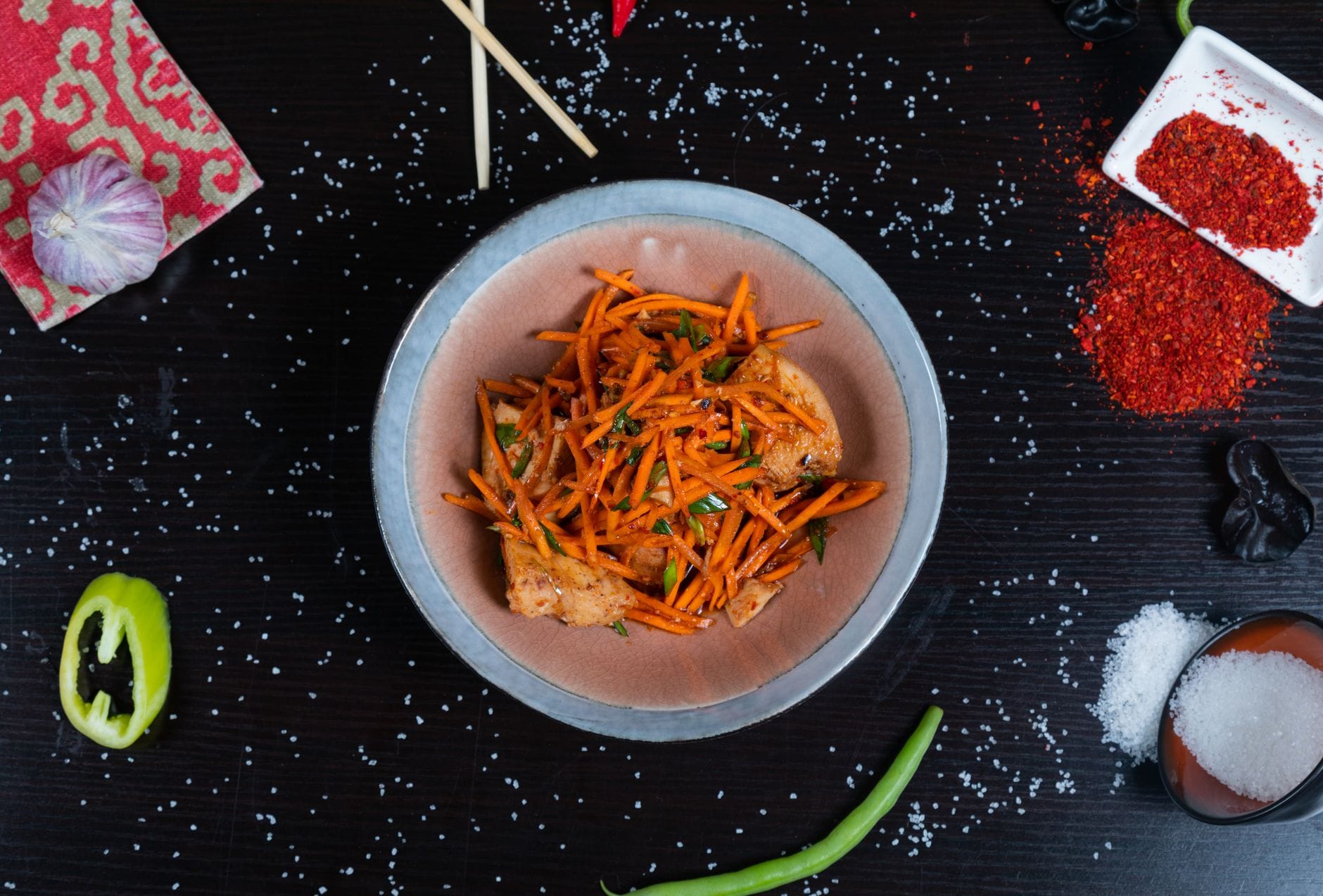
SaveLotus root is genuinely versatile. Stir-fry it and it turns crisp; bake it and it goes tender and almost creamy, all while keeping that signature crunch and gentle sweetness.
One firm rule: don’t eat it raw. Uncooked lotus root can carry a risk of bacterial infection, so it always needs cooking. Peel the skin, rinse the root well, and boil it for about 10 minutes. If you want a softer bite, keep boiling, but stop before the 20-minute mark so it doesn’t go mushy.
A simple stir-fry is the friendliest entry point. Blanch sliced lotus root with mushrooms and red bell pepper for under a minute, then sauté ginger, garlic, and scallions in a little oil before tossing everything together with a quick sauce of chicken stock, oyster sauce, a pinch of sugar, and white pepper. The lacy slices also look lovely fanned across a plate, which is part of the fun. For more vegetable-forward inspiration, this take on parsley as more than a garnish is a good companion read.
Who Should Be Careful
Lotus root is safe for most people, but a few caveats apply. It has been identified as a food allergen for some individuals, so if you’ve never tried it, start small and pay attention to how you react. Because it’s relatively high in potassium, anyone with kidney disease should talk to their doctor before adding it, since restricting potassium is often part of managing that condition.
Frequently Asked Questions
How often should I eat lotus root?
Two to three times a week is a reasonable general guide for most people, or whatever your doctor suggests based on your own health.
Can I eat lotus root raw?
No. Raw lotus root raises the risk of bacterial infection. Always peel, rinse, and then boil or steam it before eating.
Is lotus root good for people avoiding gluten?
Yes. Lotus root is naturally gluten-free and is not among the common food allergens, which makes it a flexible option for many diets.
The Bottom Line
Lotus root is one of those foods that earns its long history. It’s crunchy, mild, easy to cook, and packed with fiber, potassium, and antioxidants that early research ties to a healthier liver, calmer gut, steadier blood sugar, and a stronger heart. Most of the strongest evidence still comes from animals and cells, so think of it as a nourishing addition rather than a cure. Cook it well, watch for allergies, mind the potassium if your kidneys need care, and enjoy the crunch.
This article is for informational purposes only and is not a substitute for professional medical advice. Talk to a qualified healthcare provider before making significant changes to your diet, especially if you have an existing health condition or take medication.