
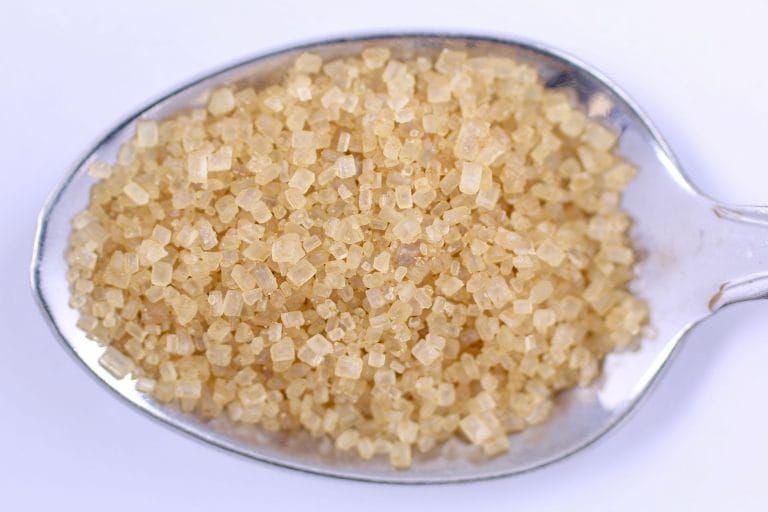
A closer look at the sweetener that owes its color, and most of its perks, to molasses.
Brown sugar starts life the same way white sugar does: as juice pressed from sugarcane. The difference is molasses, the dark, syrupy liquid left behind when raw sugar is refined. That molasses is what gives brown sugar its damp, clumpy feel, its faint caramel flavor, and the small dose of minerals that sets it apart from the plain white stuff. It is still sugar, so it deserves the same moderation any sweetener does. But the molasses fraction is where a few genuinely interesting uses come from.
Below is what the sweetener is, how the main varieties differ, and where the evidence for its benefits is stronger or thinner than the folklore suggests.
Key Takeaways
– Brown sugar is white sugar (or raw cane sugar) carrying molasses, which supplies its color, moisture, and trace minerals.
– Traditional practice and some research link it to easing menstrual cramps and relieving constipation, though the human evidence is limited.
– Its gritty texture and alpha-hydroxy acids make it a popular base for gentle skin scrubs.
– It has slightly fewer calories and more minerals than white sugar, but the gap is small.
– Too much still harms teeth and raises blood sugar, so people with type 2 diabetes should be cautious.
What Actually Makes Sugar “Brown”
There are two ways a sugar ends up brown. Refined brown sugar is white sugar with molasses stirred back in, which is why the amount of molasses can be dialed up or down. Unrefined brown sugars keep some of the molasses that was there from the start, so their color and mineral content come from the cane itself rather than from anything added later.
That molasses does more than color the crystals. It holds moisture, which is why a bag of brown sugar hardens into a brick if you leave it open, and it carries the caramel note that makes it a favorite in baking.
The Main Types You’ll See on the Shelf
 Save
SaveThe label names can be confusing, so here is a quick sort of the common ones.
Light and dark brown sugar — Light brown sugar holds about 3.5% molasses and tastes mildly of caramel. Dark brown sugar roughly doubles that at 6.5%, giving a deeper, more robust flavor.
Demerara — A medium-brown, unrefined sugar named for the Demerara region of Guyana. The cane juice is boiled until the water evaporates, leaving large crystals that are spun to shed extra moisture.
Muscovado — Very dark and unrefined, with a sticky, sandy texture and the strongest flavor of the bunch. Because it is barely processed, it keeps most of the cane’s natural minerals.
Turbinado — Often sold as “raw sugar,” it is only partly refined, with a light brown color and a small amount of molasses.
What’s in a Spoonful
Nutritionally, brown sugar is close to its white cousin. A teaspoon (about 4.6 grams) is mostly carbohydrate and delivers a small burst of calories, according to USDA data. The molasses adds trace amounts of minerals. These are real but modest, so brown sugar should be treated as a sweetener with a few extras, not as a mineral source you can rely on.
Where Brown Sugar May Help
Easing menstrual discomfort
 Save
SaveTraditional Chinese medicine has long used brown sugar to calm menstrual cramps. A review in the Journal of Ethnobiology and Ethnomedicine notes that it may relieve menstrual symptoms and help replenish women after the blood loss of a period. Brown sugar tea has been described in the same context, and plenty of anecdotal accounts pair it with ginger tea to take the edge off painful cycles. The research here is early and largely traditional, so treat it as a comforting home remedy rather than a proven treatment.
Relieving constipation
Brown sugar (known as “red sugar” in China) has been studied for childhood constipation, where it performed comparably to fig syrup, a medication used for the same problem. It appeared to help with poor appetite and eased the pain of passing stool, without notable side effects in that study. A warm cup of water with ginger slices and brown sugar is also a common folk remedy for colds, and the sugar gives a brief energy lift.
Skin and signs of aging
 Save
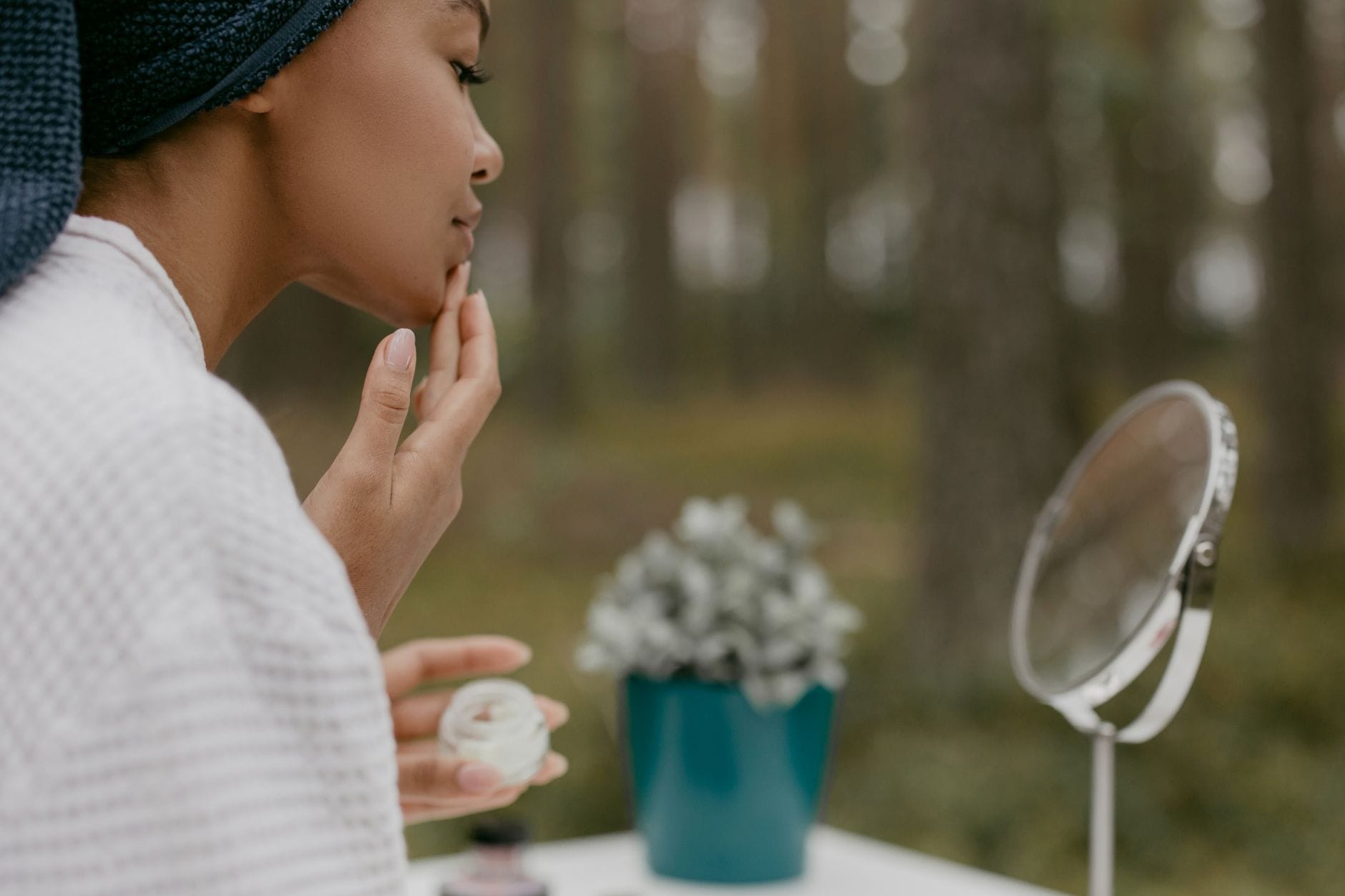
SaveThis is where brown sugar gets its cosmetic reputation. Researchers at Ehime University in Japan found that the non-sugar fraction of brown sugar, applied to the skin of rats, helped guard against UVB-induced aging, reducing wrinkles and pigmentation at higher concentrations. Brown sugar also works as a physical exfoliant: its coarse crystals slough off dead cells, and it contains alpha-hydroxy acids, the same family of gentle peeling agents found in many store-bought products. If you already fold nutrient-dense pantry staples like sesame seeds into your skin routine, brown sugar fits the same DIY spirit.
Turning Brown Sugar Into a Skin Scrub
 Save
SaveA scrub takes minutes to make and lets the crystals do the exfoliating. Two easy versions:
With coconut oil. Mix half a cup of brown sugar with half a cup of unrefined coconut oil and two or three drops of any essential oil. Massage onto your face in small circles for up to ten minutes, then rinse with cool water. Coconut oil’s monolaurin has antimicrobial activity that may act against acne-causing bacteria.
With olive oil. Combine half a cup of brown sugar with two tablespoons of extra virgin olive oil, which brings anti-inflammatory and antioxidant properties and may support the skin barrier. Massage in for about ten minutes and wash off. A spoonful of honey stirred in adds a soothing touch and suits most skin types.
Is It Really Better Than White Sugar?
The honest answer is: marginally. Per 100 grams, brown sugar carries about 380 calories against roughly 401 for white sugar, and it holds more minerals thanks to the molasses. Those are small wins, and they do not turn a sweetener into a health food. If you enjoy the caramel flavor, brown sugar is a reasonable swap, much like reaching for a naturally fragrant ingredient such as vanilla when you want depth without piling on more sweetness.
When to Go Easy on It
Moderation is the whole game. Excess sugar of any kind feeds tooth decay, and the American Dental Association advises keeping added sugars under 10% of your daily calories. People with type 2 diabetes should limit brown sugar to avoid blood glucose spikes and may prefer low-glycemic options like stevia or dates.
Frequently Asked Questions
Is brown sugar safe to eat every day?
In small amounts, yes, for most people. The concern is total added sugar, not brown sugar specifically. Keep it within the general 10%-of-calories guideline and it can be part of a normal diet.
Can I use brown sugar on my skin if it’s sensitive?
Its crystals are abrasive, so patch test first and use gentle pressure. Pairing it with a soothing oil or honey softens the scrub, which tends to suit reactive skin better than a dry rub.
Does the type of brown sugar matter for health?
Only a little. Darker, less-refined types like muscovado carry more molasses and therefore slightly more minerals, but all of them are still sugar and behave much the same in your body.
The Bottom Line
Brown sugar is a sweetener with a small bonus: the molasses that colors it also carries trace minerals and lends it to a few practical uses, from cramp-easing teas to homemade scrubs. The evidence behind its internal benefits is mostly traditional and early, while its role as a gentle exfoliant is easier to see in the mirror. Enjoy it for its flavor and its texture, keep the portions sensible, and don’t expect it to undo the downsides that come with any added sugar.
This article is for informational purposes only and is not a substitute for professional medical advice. Talk to your doctor or a qualified health provider before making changes to your diet, especially if you have diabetes or another health condition.