
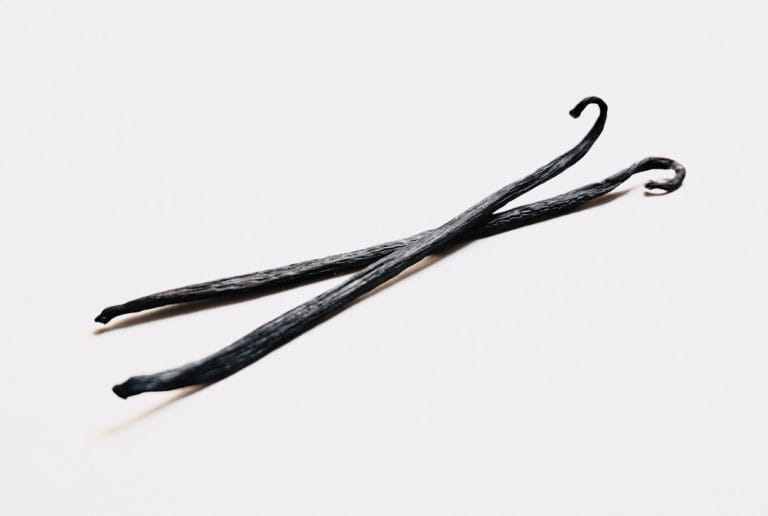
The world’s favorite flavor is far more than a treat for your taste buds.
Vanilla shows up almost everywhere we love it most, in ice cream, perfumes, candles, and body creams. It is warm, comforting, and instantly recognizable. Yet behind that familiar sweetness sits a labor-intensive bean with a genuinely interesting profile of nutrients and plant compounds.
What most people never stop to ask is whether vanilla actually does anything beyond taste good. As it turns out, this humble pod has been valued for generations as a skin soother, a hair conditioner, and a gentle wellness aid. Let’s walk through where vanilla comes from and the many ways it can support you.
Key Takeaways
– Vanilla extract is made from the sun-dried pods of orchids belonging to the genus Vanilla.
– The beans carry essential oils, B-vitamins, minerals, and both simple and complex sugars.
– Vanilla may help support skin, hair, oral, and general health.
– The signature aromatic compound in vanilla is called vanillin.
– Vanilla can trigger allergies or skin irritation in some people, so patch test and check with a professional first.
Where Vanilla Comes From
Vanilla is harvested from a climbing, vine-like orchid that needs a tree or pole to support its growth. It produces trumpet-shaped flowers that are pollinated by bees, hummingbirds, or, on many farms, by hand. Once the green pods grow to roughly five to eight inches long and start to yellow, they are ready to be picked.
From there, the beans are blanched in boiling water, “sweated,” and left to dry in the sun for weeks until they turn dark brown and wrinkled. This slow curing is what coaxes out vanillin, the white crystalline compound responsible for that unmistakable flavor and fragrance.
Extract Versus Essence
 Save
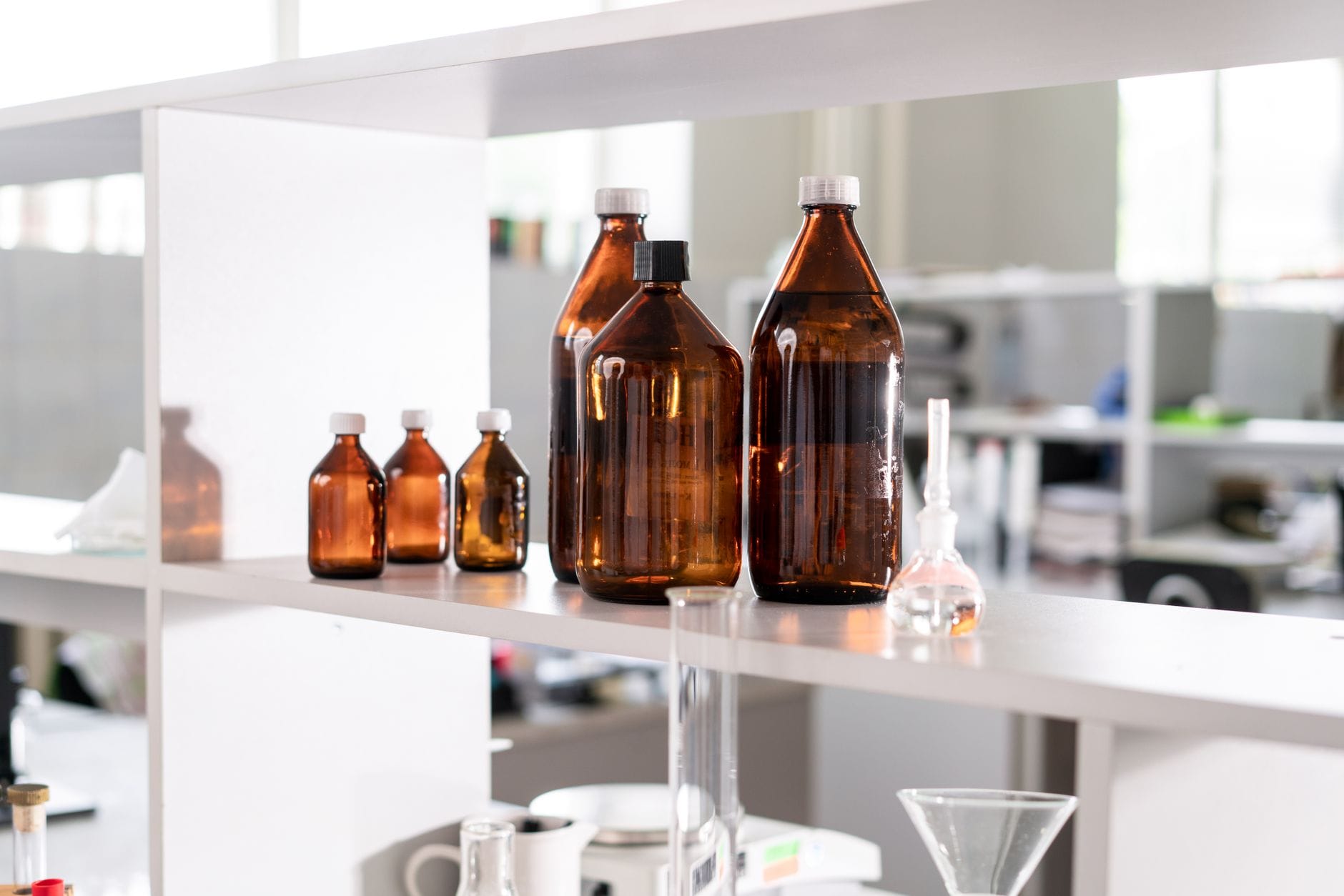
SaveThe most common form on store shelves is vanilla extract, made by steeping chopped beans in a blend of ethyl alcohol and water for about two days, then aging and filtering the liquid over several months. Madagascar vanilla is the dominant variety, accounting for roughly three-quarters of global production, with Tahiti and Mexico supplying much of the rest. A quick way to spot pure vanilla in a dish is to look for tiny black specks, the natural seeds scraped from inside the pod. Much of what’s sold, though, blends real vanilla with imitation vanillin produced from wood-pulp byproducts.
Skin Benefits of Vanilla
 Save
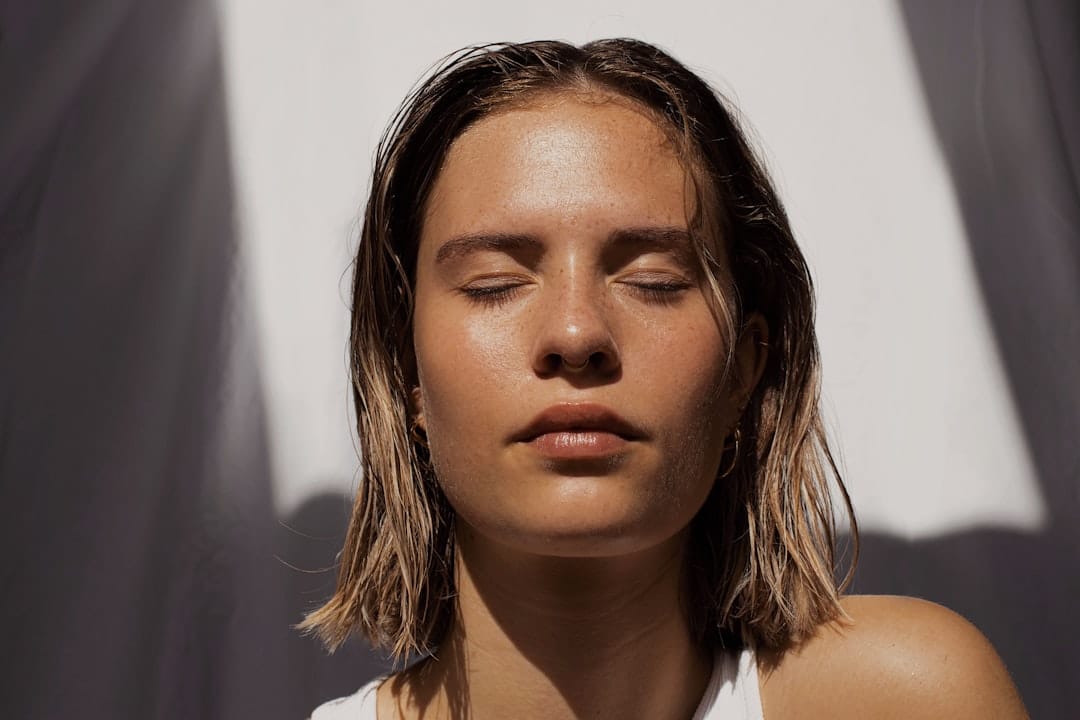
SaveYou may be surprised to learn that vanilla’s usefulness stretches well past the kitchen. It’s a frequent ingredient in lotions, lip balms, body butters, and creams, partly for fragrance and partly for what it may do for your skin.
Helps Fight Acne
Vanillin has antibacterial properties, which is why vanilla can be a helpful ally against breakouts. By discouraging acne-causing bacteria, it may help keep skin clearer and reduce the frequency of pimples.
Supports a Youthful Look
Vanilla is rich in antioxidants, the compounds that neutralize free radicals and help defend skin against premature aging. Regular exposure to these protective molecules may soften the appearance of fine lines, wrinkles, and age spots, which is one reason the cosmetics world leans on vanilla so heavily. Raw beans infused into an organic carrier oil leave behind a lovely, almost chocolatey scent while helping skin feel smooth and supple.
Soothes Minor Burns
 Save
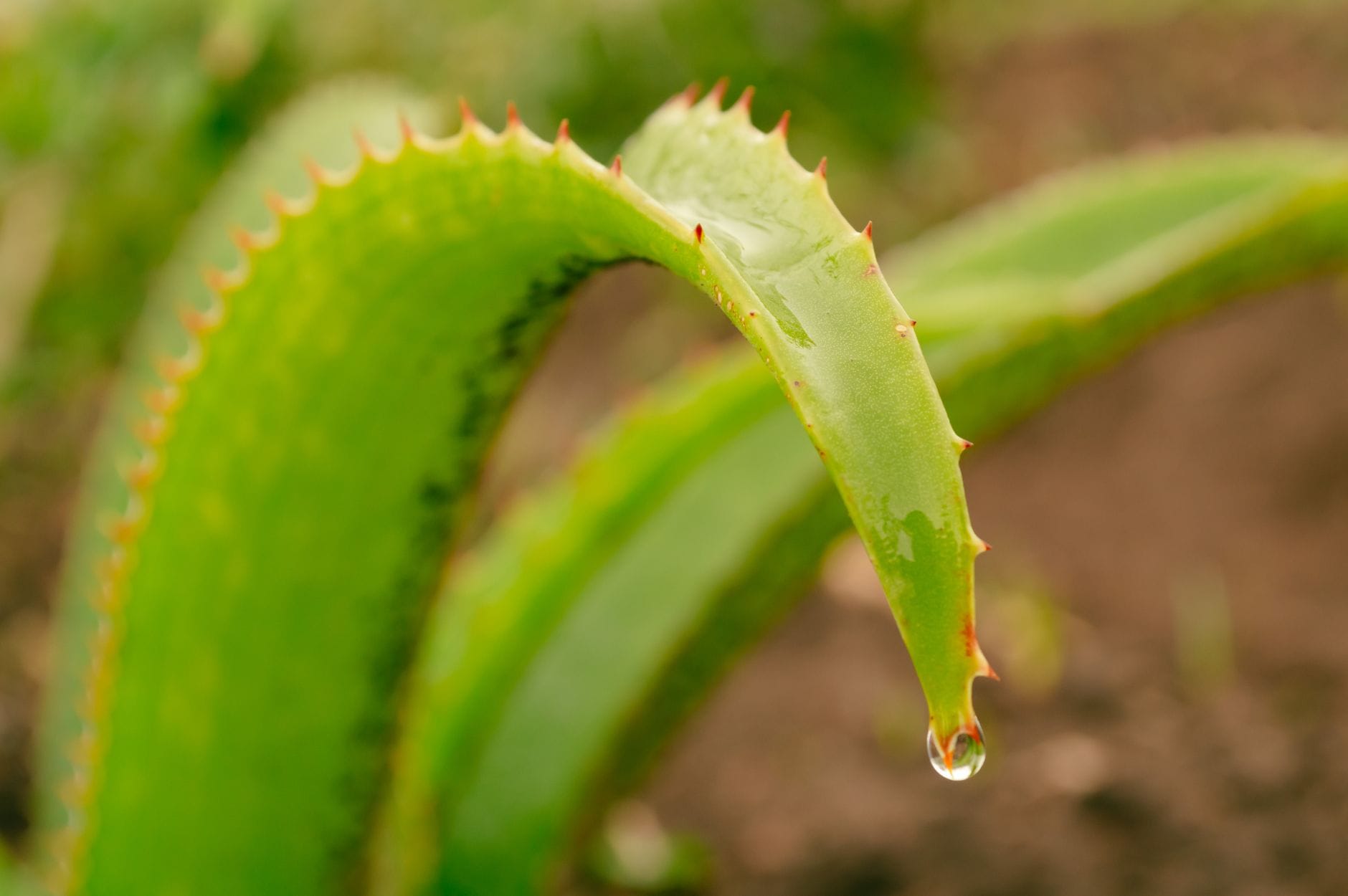
SaveTraditionally, vanilla has been reached for to comfort burns, cuts, and small wounds. A word of caution, though: concentrated extracts and essential oils should never be applied straight to a fresh burn. Gentler topical products containing vanilla may help, but it’s always wise to talk to your doctor before trying home remedies, and more research is still needed here.
Nourishes and Brightens
Vanilla supplies skin-friendly B-vitamins like niacin, thiamin, vitamin B6, and pantothenic acid, all of which support healthy skin. Its antioxidants also help shield skin from pollution and environmental stress. For a simple at-home treat, scrape the seeds from five vanilla beans and mix them with three tablespoons of brown sugar, two drops of vanilla essential oil, and a little fresh lemon juice. Massage the scrub over your face, rinse with warm water, then finish with a splash of cold.
Vanilla for Your Hair
 Save
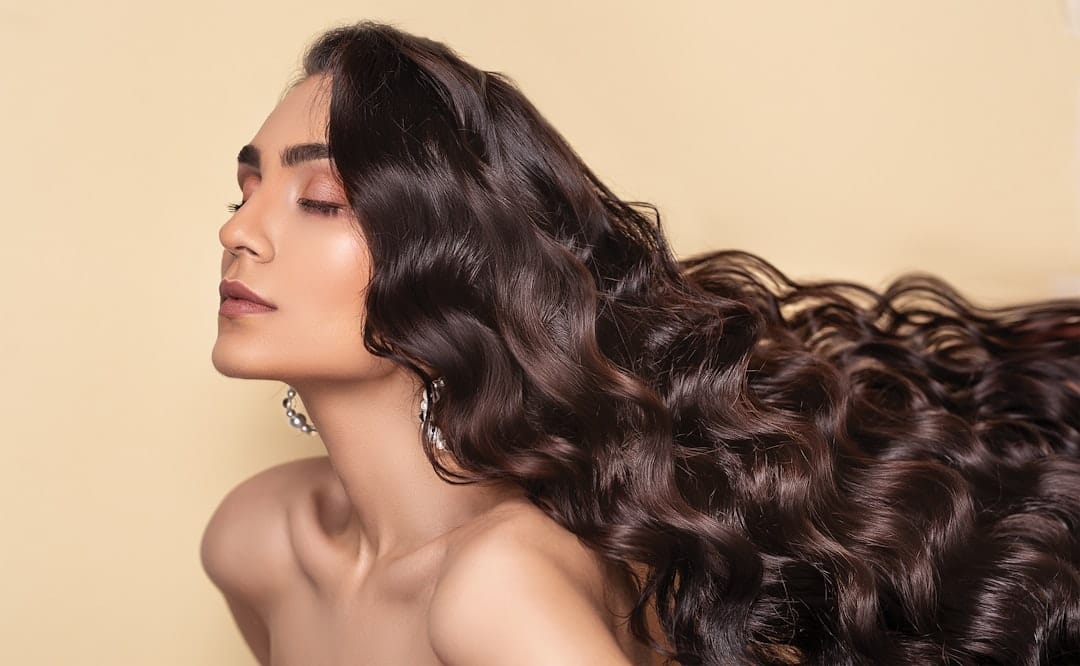
SaveNo list of vanilla’s talents would be complete without its role in hair care, where its nutrients help keep strands healthy and manageable.
For Silky, Smooth Strands
Blended with the right ingredients, vanilla can leave hair softer and shinier. Melt about four ounces of shea butter, then stir in five drops of vanilla essential oil along with two tablespoons each of almond, jojoba, and castor oil. Once it cools, whip it to a soft consistency, work it through your hair for ten to fifteen minutes, and rinse with a mild shampoo. The result is smoother hair without any sticky residue, and the leftover mixture keeps well at room temperature or in the fridge.
To Encourage Growth
Certain essential oils, including cedarwood, lavender, thyme, and rosemary, have been linked to healthier hair growth, and vanilla essential oil pairs beautifully with them in a hot-oil treatment. Detangle with a wide-toothed comb and rinse with warm water. Warm about a quarter cup of a carrier oil such as olive, jojoba, almond, or coconut, then add ten drops each of lavender and vanilla essential oils. Massage it into your scalp in circular motions and along the full length of your strands, paying extra attention to dry ends. Clip your hair up, wrap it in a warm towel, and let it soak in.
Frequently Asked Questions
Is vanilla extract safe for everyone to use?
Vanilla is generally considered safe to eat and enjoy. That said, some people react to it, so introduce it gradually and stop if you notice any problems.
Can vanilla cause skin reactions?
Yes. Applied to the skin, vanilla can occasionally trigger dermatitis or allergic irritation. Do a small patch test before using any new vanilla product widely.
What’s the difference between pure and imitation vanilla?
Pure vanilla comes directly from cured beans and often shows tiny black seed specks, while imitation vanilla is synthetic vanillin, frequently made from wood-pulp byproducts.
The Bottom Line
Vanilla is proof that something delicious can also be genuinely nourishing. From its antibacterial and antioxidant compounds to its skin-loving B-vitamins, this fragrant bean offers gentle support for your complexion, your hair, and your overall sense of well-being. Enjoy it in your cooking, experiment with a simple scrub or hair treatment, and always patch test topical uses first. When in doubt, especially for burns or persistent skin concerns, check with a professional.
This article is for informational purposes only and is not a substitute for professional medical advice, diagnosis, or treatment. Always consult a qualified healthcare provider before making changes to your diet, skincare, or wellness routine, particularly if you have allergies or an existing condition.