
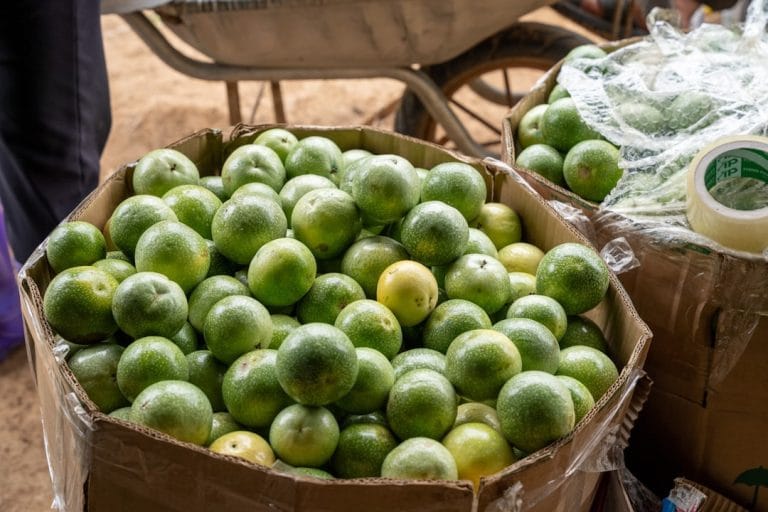
A pulpy South American fruit with a zingy, citrus-meets-tomato flavor and a nutrient list worth knowing.
If you have never heard of lulo, you are not alone. This bright, juicy fruit grows across the western slopes of South America, but it bruises easily and travels poorly, so fresh lulo almost never reaches shops outside its home region. What does travel is its reputation. Travelers who taste it tend to rave, and one described the bold tart flavor as practically exploding in the mouth.
From the outside lulo looks a little like a small orange. Slice it open and you find a green, seedy pulp closer to a tomato. That makes sense once you learn it goes by naranjilla, or “little orange,” in Ecuador and Panama. Beyond the flavor, the fruit packs a genuinely useful mix of vitamins, minerals, and plant compounds. Here is what that mix may do for you.
Key Takeaways
– Lulo (Solanum quitoense) is a tart nightshade fruit from South America, rich in beta-carotene, carotenoids, and vitamins A and C.
– Its nutrients may support immunity, digestion, vision, heart health, and stronger bones.
– You can scoop the pulp raw, blend it into juice, or cook it into jams, stews, and sauces.
– Fresh lulo is hard to find abroad, but juice and ice cream are more common.
– It may interact with blood pressure medication or trigger an allergic reaction in some people.
What Exactly Is Lulo?
Lulo belongs to the nightshade family, the same broad group that includes tomatoes and peppers. Like the tiny green turkey berry, it is a small, tart, seed-filled fruit that punches above its size nutritionally. The plant is notoriously fussy to grow and prone to pests, which is a big part of why lulo has never become a mainstream export crop. If you cannot track down the fresh fruit, lulo-flavored ice cream, sorbet, and bottled juice are your best bet for a taste.
A Look at the Nutrition
Lulo is low in fat and calories but dense in micronutrients. It brings vitamin C and vitamin A to the table, along with vitamin E and minerals like calcium, magnesium, phosphorus, and zinc. Layered on top are carotenoids and beta-carotene, the pigments behind its color, plus plant compounds such as flavonoids and polyphenols. That combination is what gives the fruit its potential as a tasty functional food rather than just a novelty.
The Health Benefits Worth Knowing
Research on lulo specifically is thin, so most of what follows rests on studies of the individual nutrients it contains. Read it that way: promising, but not the final word.
Immune Support
Vitamin C and vitamin A are the headline act here. Vitamin C helps clear free radicals and supports the immune cells that fend off pathogens, and it has been linked to fewer respiratory and systemic infections. Vitamin A carries anti-inflammatory properties and helps regulate the body’s cellular immune response. Together they make lulo a sensible addition to a diet built around resilience.
Digestion and Gut Comfort
 Save
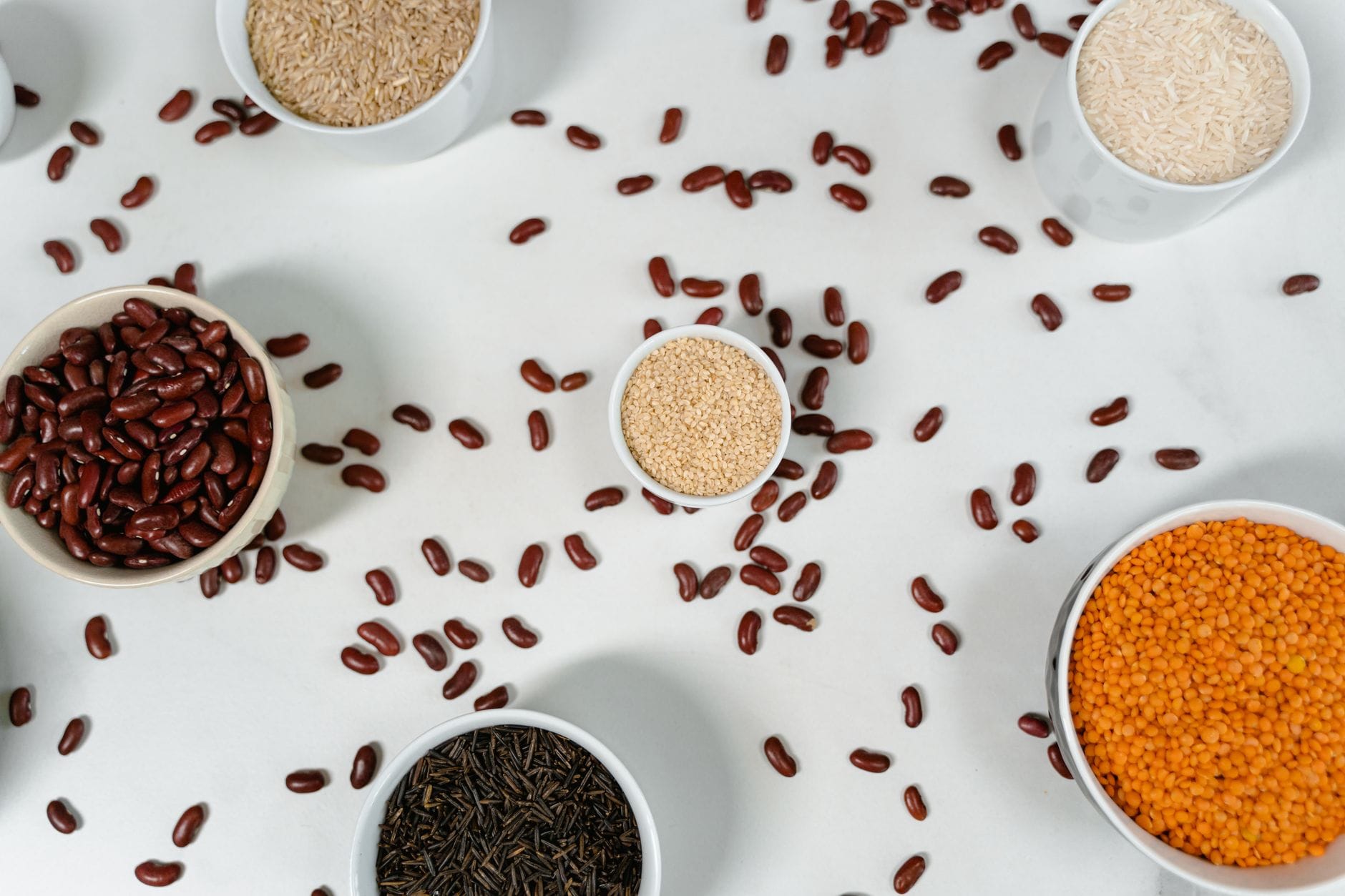
SaveLulo supplies dietary fiber, including pectin. Fiber is one of the simplest tools for keeping digestion steady, easing bloating, cramping, and constipation. Pectin in particular has been associated with more beneficial bacteria in the gut and a lower risk of intestinal infection, so it does double duty for gut health.
Eyes and Vision
 Save
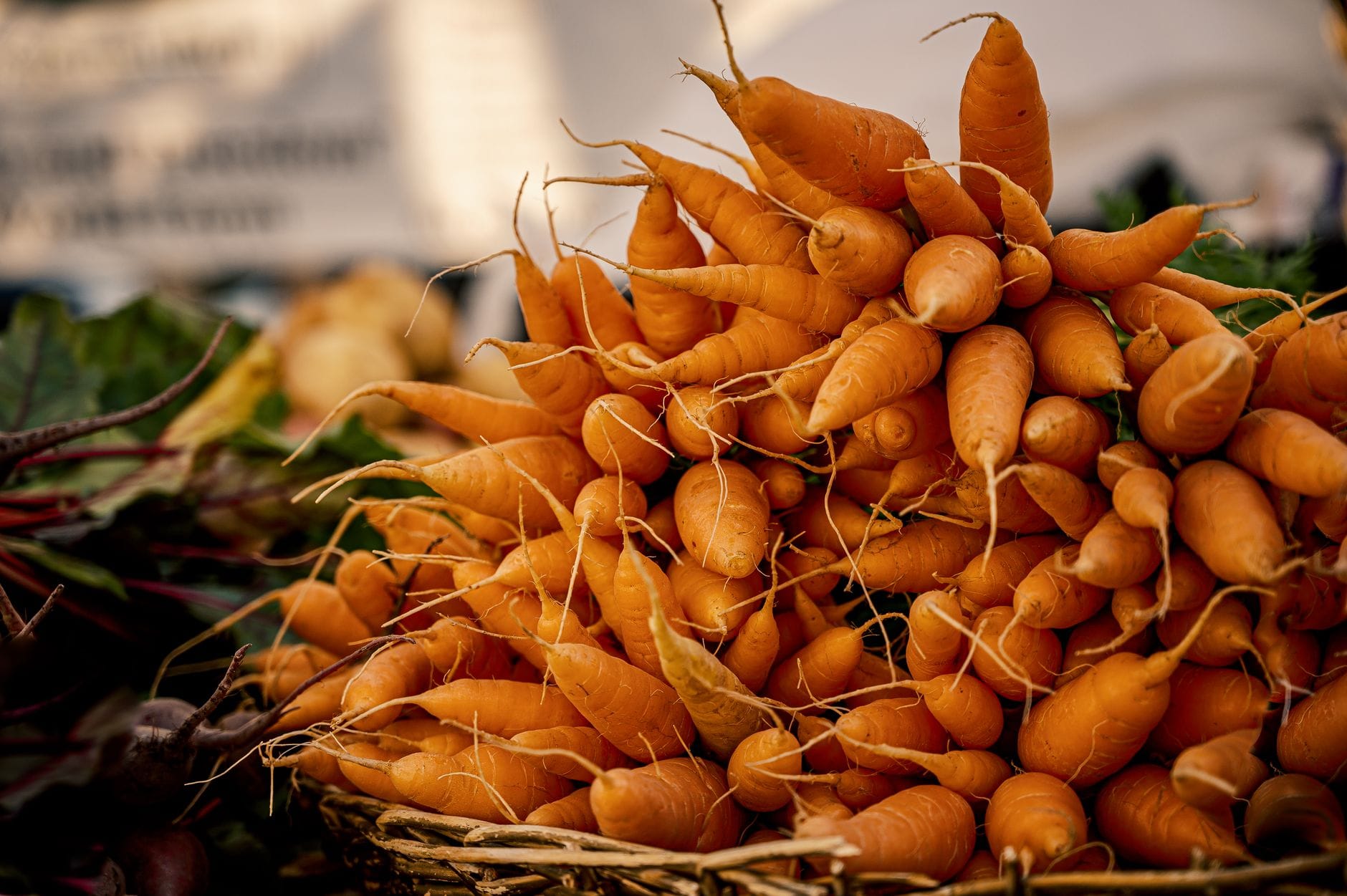
SaveThe fruit contains zinc along with vitamins A, C, and E and a spread of carotenoids, all nutrients tied to healthier eyes. Beta-carotene stands out. One study found it could meaningfully lower the risk of age-related retinal damage when combined with vitamin E, vitamin C, and zinc, which happen to be the same nutrients lulo delivers in one bite.
Heart and Cholesterol
Being low in fat and high in fiber already works in the heart’s favor, since dietary fiber can help bring down LDL cholesterol and reduce heart attack risk. Lulo also contains spermidine, a compound studied for its role in managing high blood pressure. Add the antioxidant vitamins that support circulation and curb oxidative stress, and you have a fruit that touches several cardiovascular bases at once.
Bones
 Save
SaveCalcium tends to get all the attention, but bone strength depends on calcium, magnesium, and phosphorus working together, and lulo offers all three. Research shows that topping up calcium alone falls short if you are low in either of the others. Vitamin C helps too, since it feeds collagen production in the bone matrix and mops up free radicals that can weaken bone over time.
Skin
That same vitamin C matters for skin. Collagen keeps skin smooth and elastic, and production naturally slows with age. A steady vitamin C intake supports collagen synthesis and helps defend against UV damage. Lulo fits nicely alongside other vitamin-rich fruits like cantaloupe in a skin-friendly diet.
Antioxidant and Detox Potential
Oxidative stress is closely linked to several cancers, and antioxidants like vitamins C and E and beta-carotene help neutralize the free radicals behind it. Lulo’s flavonoids and polyphenols add to that antioxidant load, which may support the body’s own detox processes. This part is less settled, and antioxidants are no substitute for a balanced diet, but the fruit’s profile is encouraging.
How to Actually Eat It
 Save
SaveGetting lulo into your day is easy where it grows. A few favorites:
Straight from the fruit. Halve it and scoop out the tangy pulp with a spoon. Locals often add a pinch of salt.
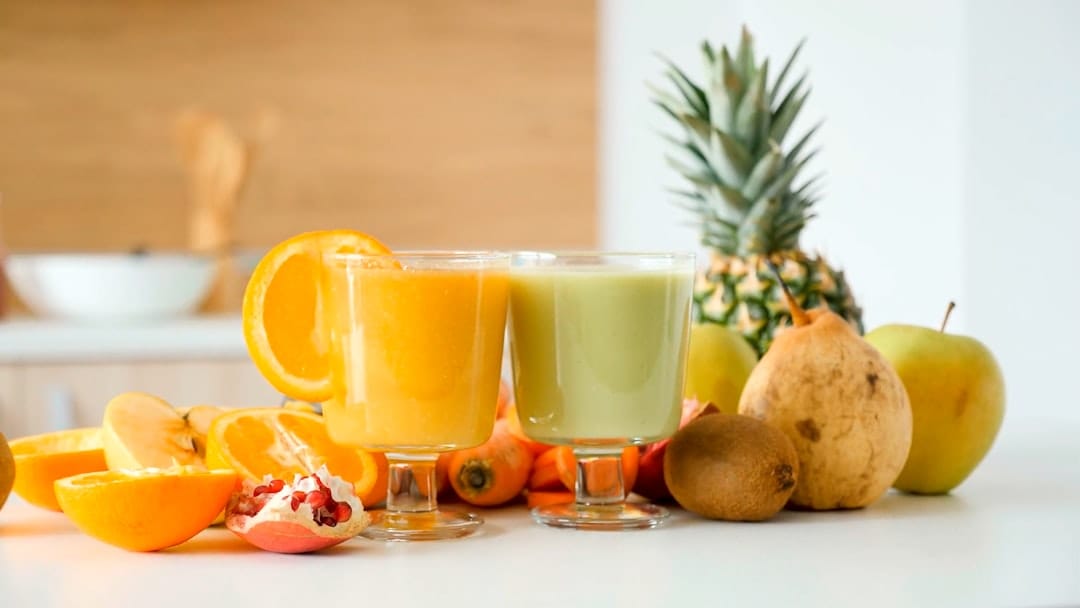
As lulada. Blend the pulp into jugo de lulo, a bright, refreshing juice that is the classic way to enjoy it.
Cooked down. The tart flavor holds up well in jams, jellies, sorbets, and even savory stews and curries.
If you enjoy exploring uncommon produce, lulo sits comfortably in the same adventurous category as the tropical mangosteen.
A Few Cautions
Lulo is generally safe as a food, but two things are worth flagging. Because compounds in the fruit may influence blood pressure, it could interact with hypertension medication, so check with your doctor if you take any. As with any food, an allergic reaction is possible, so go slowly the first time you try it.
Frequently Asked Questions
Is lulo the same as naranjilla?
Yes. Lulo is the name used in Colombia, while naranjilla, meaning “little orange,” is the name in Ecuador, Panama, and parts of the United States. Same fruit, different regional label.
What does lulo taste like?
Bright, tart, and citrusy, with a bold zing all its own. The pulp is juicy and full of small seeds.
Why is fresh lulo so hard to find outside South America?
The plant is difficult to cultivate and vulnerable to pests, and the ripe fruit does not survive shipping well. Bottled juice and lulo-flavored ice cream are far more common abroad.
The Bottom Line
Lulo is a small fruit with an outsized personality, both in flavor and in what it brings nutritionally. Its blend of vitamins A and C, carotenoids, fiber, and bone-building minerals lines up with support for immunity, digestion, vision, heart health, and skin. The catch is that direct research on lulo itself is limited, so treat it as a wholesome, vitamin-rich addition to an already balanced diet rather than a cure for anything. If you ever spot it fresh, or even as juice or sorbet, it is well worth a try.
This article is for informational purposes only and is not a substitute for professional medical advice. Talk to a qualified healthcare provider before making changes to your diet, especially if you take medication or have an existing health condition.