
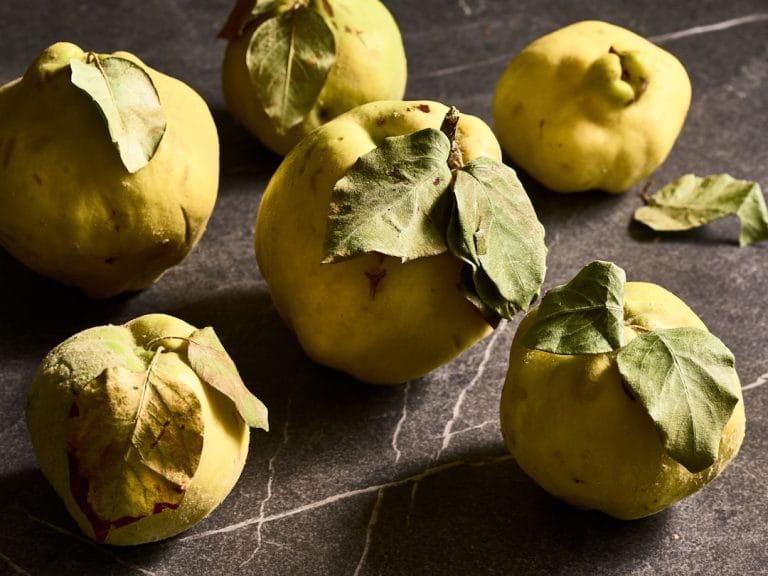
A knobby golden fruit that most people cook rather than bite into, with a surprising amount going for it.
Quince looks like an apple and a pear had a slightly lumpy child, and it smells wonderful. Raw, though, it fights back: the flesh is hard, sour, and mouth-puckeringly astringent, which is why so much of the world’s quince ends up as jelly, paste, or something poached in syrup. Behind that difficult texture sits a genuinely interesting fruit, one that ancient civilizations grew for medicine long before it became a jam-jar staple.
Most of quince’s reputation traces back to its fiber, its vitamin C, and a group of plant compounds called phenolics. A lot of the research is still early, some of it done in animals rather than people. Where the evidence is thinner, I’ll say so.
Key Takeaways
– Quince (Cydonia oblonga) is a tart, astringent, pear-shaped fruit that carries vitamin C, fiber, potassium, and antioxidant phenolic compounds.
– Studies point to antioxidant, antimicrobial, and anti-allergic activity, with early signals for stomach ulcers, GERD, and even certain cancer cells.
– Quince syrup has helped ease mild pregnancy nausea in a clinical trial, making it a gentle option for some expecting mothers.
– Cooking transforms it: heat mellows the sourness into something sweet and floral.
– Eating a lot of it can backfire, bringing on digestive upset or skin irritation in sensitive people.
What Quince Actually Is
Quince is a shrub or small tree in the Rosaceae family, the same botanical clan as apples and pears. The fruit is yellow, faintly fuzzy, and heavily perfumed once ripe. Historians trace it to Asia Minor, from where it traveled east toward the Himalayas and west across Europe. It probably didn’t reach the Mediterranean until the classical era, when the Romans took a liking to it.
For much of that history, people valued quince as a remedy as much as a food, which is a nice bit of foreshadowing for what modern labs have started to find.
A Nutrient Snapshot
 Save
SaveFor a fruit this tart, quince is fairly light and mineral-rich. A 100-gram serving of raw quince gives you roughly:
Calories — 57 kcal
Carbohydrates — 15.3 g
Dietary fiber — 1.9 g
Vitamin C — 15 mg
Potassium — 197 mg
Protein — 0.4 g, with almost no fat
Compared gram for gram with apples, quince carries nearly twice the vitamin C plus more minerals overall. Registered dietitian Shena Jaramillo notes that it’s a solid source of potassium and fiber, with the vitamin C supporting collagen production and immune function. If you like leaning on nutrient-dense produce, quince sits comfortably alongside other underrated picks such as the humble but science-backed yam.
What the Research Suggests
The most studied part of quince isn’t the sugar or the fiber, it’s the phenolic compounds concentrated in the pulp, seeds, and peel. These behave as antioxidants, which is the thread running through most of the benefits below.
It’s rich in antioxidants
The vitamin C and phenolics in quince help mop up free radicals, the reactive molecules tied to oxidative stress and low-grade inflammation. Since that kind of stress underlies a long list of chronic problems, a steady supply of antioxidants is a reasonable thing to want from your diet. This is common ground quince shares with other antioxidant-heavy plants like parsley, which earns its keep well beyond garnish duty.
It may protect the stomach lining
 Save
SaveIn a rat study, phenolic compounds from Chinese quince extract helped suppress gastric ulcers and keep the digestive tract healthier. The proposed mechanism is protective: the antioxidants seem to shield the stomach’s mucus membrane by dialing down inflammation and oxidative damage. Human data is still lacking here, so treat this as promising rather than proven.
It shows antimicrobial activity
Extracts from quince pulp and peel have disrupted bacterial cell membranes and interfered with their metabolism in lab testing, effectively knocking out certain microbes. That fits the traditional use of quince as a digestive tonic.
It may ease pregnancy nausea
This one has actual clinical backing. In a trial involving pregnant women, quince syrup meaningfully reduced mild to moderate nausea and vomiting. The researchers considered it safe during pregnancy and even a reasonable alternative for managing morning sickness. As always, an expecting mother should clear it with her own care provider first.
It may calm allergic responses
A study in mice found quince extract eased symptoms of an immediate-type (type I) allergy by tamping down antibody production and dampening atopic-dermatitis-like reactions. Encouraging, but a long way from a human recommendation.
It may help with reflux
Quince has a long folk history as a gastric tonic. More concretely, one line of research found quince fruit extract about as effective as ranitidine for relieving pregnancy-related GERD. That matters because reflux is stubborn: survey data has shown that even among people taking proton-pump inhibitors, a majority still deal with lingering symptoms.
It may act against cancer cells
Phenolic compounds from quince fruit and leaf extracts have inhibited the growth of colon and renal cancer cells in lab studies, prompting researchers to flag quince as worth exploring for prevention and treatment. This is petri-dish work, though, and the authors themselves call for far more study before any claims can stand.
A Word on the Heart
 Save
SaveSeveral studies suggest quince nudges cardiovascular markers in the right direction. Researchers have recorded drops in total cholesterol, triglycerides, and LDL alongside a rise in protective HDL, with lipid-lowering effects that in some models rivaled simvastatin. There are also early hints at better glucose control and blood-pressure lowering comparable to captopril. It’s a lot of “may,” and mostly from animal and extract studies, so keep expectations grounded. For a fruit built around antioxidants, though, this is the kind of profile you’d hope to see, and it echoes what turns up with other polyphenol-rich foods like antioxidant-loaded mangosteen.
Bringing Quince Into Your Kitchen
 Save
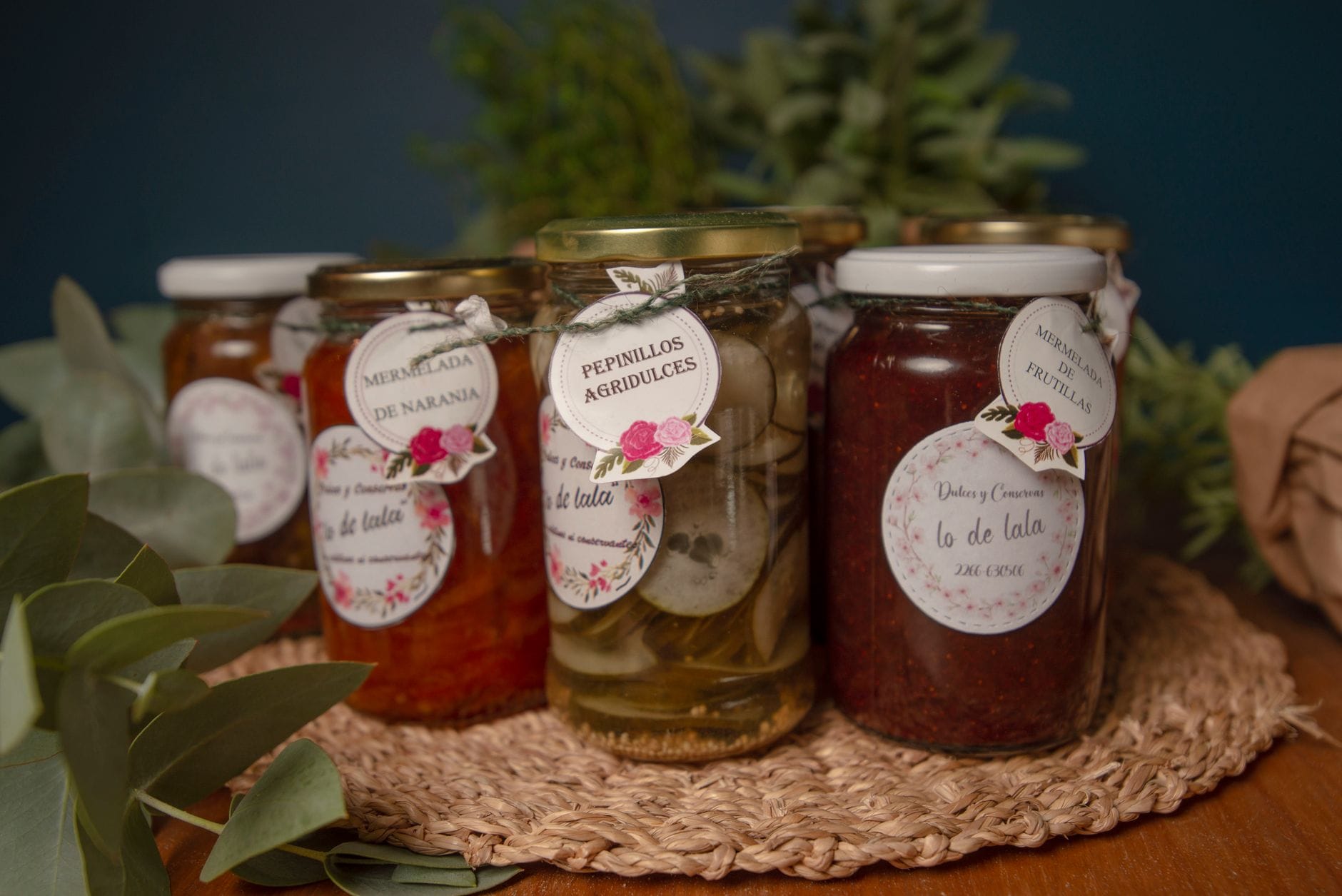
SaveHere’s the practical catch: raw quince is a tough sell, literally. It’s firm and sour enough that most people won’t enjoy it straight from the fruit bowl. Cooking is the fix. Heat coaxes out its natural sweetness and turns the flesh soft and floral, sometimes blushing a lovely rose color as it simmers.
A few ways to use it:
Poach it in a light sugar syrup, or roast it with cloves and cinnamon.
Stew it down into a thick jam or compote, which is superb next to cheese or spread on toast.
Bake it into tarts and pies, or swap it in for apples and pears in crumbles and cakes.
Preserve it as marmalade, jelly, or even a homemade quince vinegar so you can stretch the season.
Quince is loaded with natural pectin, which is exactly why it sets into jelly so willingly.
Who Should Be Careful
Moderation is the whole game. Eating quince in excess has been linked to digestive trouble such as diarrhea, along with skin irritation and inflammation in sensitive individuals. If you’re pregnant, on medication, or managing a health condition, run it past a professional before making quince a regular habit.
Frequently Asked Questions
Can you eat quince raw?
You can, skin and all, but most people don’t enjoy it. Raw quince is hard, sour, and astringent. Cooking it turns the flavor sweet and fragrant and softens the texture considerably.
Is quince safe during pregnancy?
Research on quince syrup for pregnancy nausea found it well tolerated and effective for mild to moderate symptoms. That said, pregnancy is individual, so check with your own doctor or midwife before using it.
How is quince different from an apple or pear?
It’s a close botanical cousin, but tarter, firmer, and far more aromatic. Gram for gram it carries nearly double the vitamin C of an apple plus more minerals, and unlike its relatives it really needs cooking to shine.
The Bottom Line
Quince is one of those fruits that rewards a little effort. You can’t just bite into it, but simmer it down and you get something fragrant, versatile, and quietly nutritious, with fiber, vitamin C, potassium, and a generous helping of antioxidant phenolics. The evidence for its stomach, allergy, heart, and anti-cancer effects is genuinely interesting yet still mostly early, much of it from animal and lab studies. Enjoy it as the flavorful, mineral-rich food it is, keep portions sensible, and let the deeper health claims stay in the “promising” column until better human research catches up.
This article is for informational purposes only and is not a substitute for professional medical advice. Talk to a qualified healthcare provider before making changes to your diet, especially if you are pregnant, nursing, taking medication, or managing a health condition.