
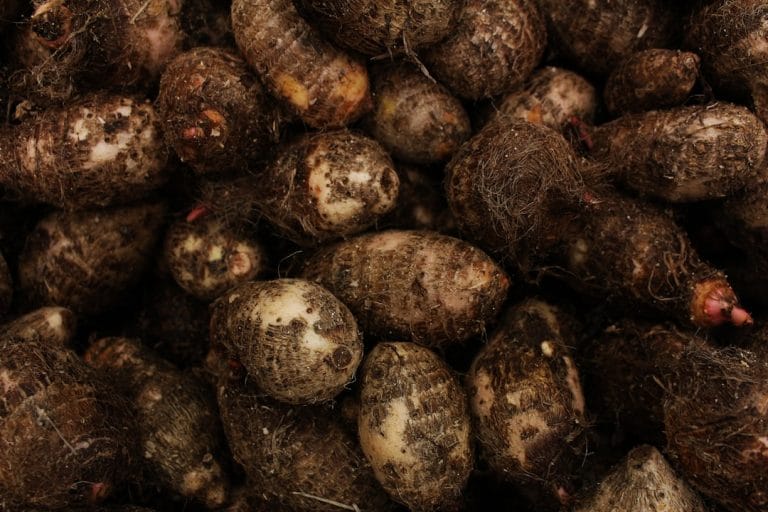
A humble starchy root with a long history in traditional medicine and a nutrient profile worth taking seriously.
Yam has been used in folk and alternative medicine for generations, valued for its anti-inflammatory properties and, in the case of wild yam extract, its place in skincare formulas. It is also genuinely popular: one survey of 4,503 Americans found that 60% enjoy the vegetable, with women (62%) slightly edging out men (59%), and steady appeal across baby boomers, millennials, and Gen X.
Beyond flavor, yam earns its keep nutritionally. A single cup (136 grams) delivers around 158 calories along with roughly 5 grams of fiber, 17 mg of vitamin C, and 19 mg of calcium. Research suggests yams may help lower obesity rates and support immunity, and their compounds have been studied for effects on skin, hormones, blood sugar, and more. Here is what the evidence says.
Key Takeaways
– Yam is rich in fiber, potassium, vitamin C, copper, and manganese in a modest calorie package.
– Compounds like diosgenin, glucomannan, and saponins are behind many of its studied benefits.
– It may support skin, weight management, fertility, menopause relief, blood sugar control, and digestion.
– Most benefits come from animal or early studies, so more human research is needed.
– Wild yam can contain toxins and water-soluble alkaloids, so it should not be eaten raw or unprocessed.
Yam May Support Skin Health
 Save
SaveYams contain diosgenin, a plant steroid studied for its effect on skin aging, particularly in women around menopause. In one animal study, giving diosgenin to ovariectomized mice improved the thickness of the epidermis without increasing fat accumulation. That is a promising signal, but the work has been done in animals, so we still need human trials before making firm claims about yam and skin.
Yam May Aid Weight Loss
 Save
SaveGlucomannan, a fiber drawn from yam roots, is the standout here. At doses of about 2 to 4 grams per day, it absorbs water and forms a gel that lingers in the stomach, helping you feel full for longer. That fullness can curb cravings and reduce overall intake, which supports gradual weight loss when it fits into a balanced diet. It is a practical reason baked yam shows up in so many whole-food eating plans.
Yam May Promote Fertility
Yam has drawn research attention for its potential role in reproductive health. Natural hormone alternatives have grown popular for hormone replacement, and creams made with wild yam extract are one option some women turn to. Notably, “natural” progesterone is often derived from an inedible Mexican wild yam, Dioscorea villosa, which underscores the plant’s long link to hormone-related preparations.
Yam May Ease Menopause Symptoms
Diosgenin appears again in the context of sex hormones. It has been used to help manage hormone-related complaints and to produce contraceptives, and research from the Baker Medical Research Institute in Australia found it could relieve menopausal symptoms without side effects. Separately, a study at National Taiwan Normal University reported that eating yam improved the status of sex hormones, blood lipids, and antioxidants in postmenopausal women. Traditional medicine has long recognized yam’s usefulness for menopause and premenstrual syndrome, and modern findings lend some support.
Yam May Help Manage Diabetes
 Save
SaveDiabetes stems from too little insulin or increased resistance to it. In a study on rats, yam contributed to better glucose metabolism, though human confirmation is still needed. Yam’s natural sweetness can also stand in for added sugar, easing sugar cravings. Its active compound allantoin may help modulate oxidative stress and support liver function, which in turn helps keep insulin and glucose in balance. The fiber content is a bonus, helping the body clear cholesterol and supporting heart health by discouraging atherosclerosis.
Yam May Fight Inflammation
The outer bark of wild yam root is rich in saponins, compounds studied for their anti-inflammatory action. Through this, yam may help calm inflammation and relax abdominal and pelvic muscles. Saponins also act as antioxidants, which may help reduce the inflammation tied to a range of diseases.
Yam May Help Prevent Cancer
Diosgenin surfaces once more in cancer research. In a rat study, it acted as an antioxidant and anti-inflammatory agent and appeared to help prevent carcinogenesis, the process by which healthy cells turn cancerous. The same study found that a yam-enriched diet significantly reduced colon tumor growth. As with the other findings, this is early animal evidence, and human studies are needed before drawing conclusions.
Yam May Boost Brain Function
Yam is a good source of potassium, a mineral that supports nerve activity and cognitive function. Its diosgenin content is also of interest for brain health, having been linked to neuron growth and, in mice, to improved memory and learning. These are encouraging early signals rather than proof, so temper expectations until human data arrives.
Yam May Improve Digestive Health
Packed with resistant starch, soluble glycoprotein, and dietary fiber, yam gives digestion a helping hand. Studies suggest it may encourage the growth of gastric epithelial cells and increase the activity of digestive enzymes in the small intestine, both of which support a smoother digestive process.
What Is the Nutritional Profile of Yams?
Yams pack fiber, vitamins, and minerals into a filling, satisfying package. They are especially rich in copper, manganese, and potassium, alongside the vitamin C, calcium, and fiber noted earlier. That combination is what makes them such a versatile base for both everyday meals and health-minded eating.
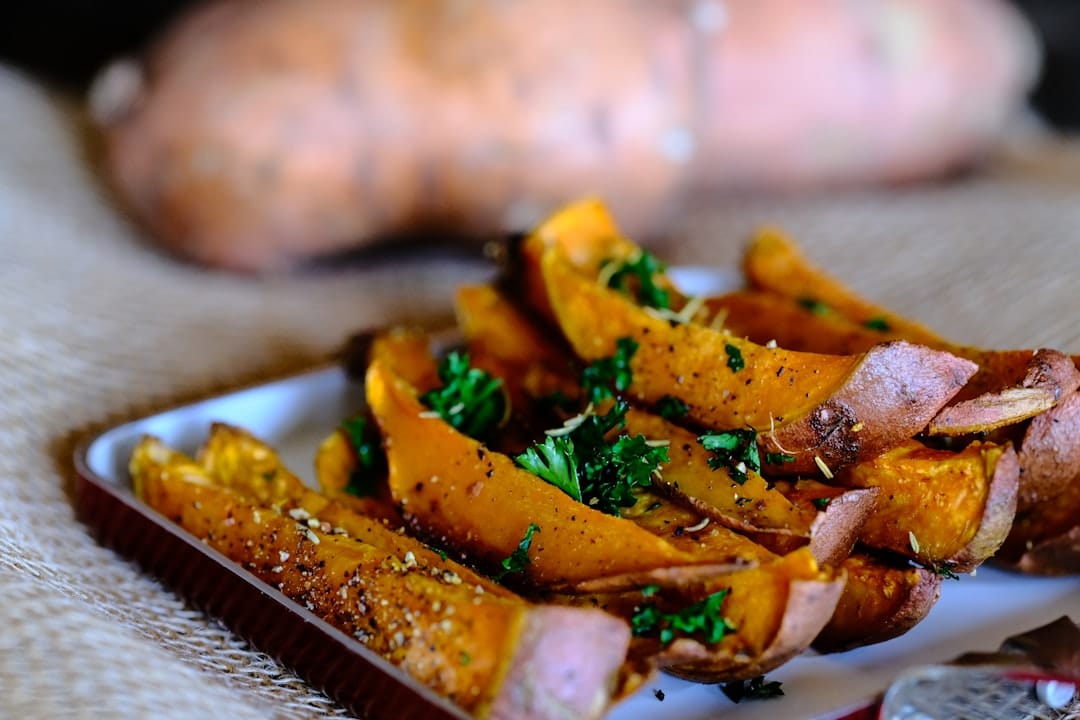
A Simple Yam Recipe: Roasted Yam Fries
 Save
SavePeel and cut two large yams into fries, then toss with two tablespoons of olive oil, one teaspoon of salt, and half a teaspoon of black pepper. Spread them on a parchment-lined baking sheet and roast at 425°F (220°C) for 20 to 25 minutes, until crispy. Serve hot with your favorite dipping sauce for a wholesome, fiber-rich side.
Frequently Asked Questions
Can anyone eat yam?
Yes. Cooked yam is safe for most people and can be enjoyed in moderation as part of a balanced diet.
Is wild yam safe to eat raw?
No. Wild yam may contain toxins and water-soluble alkaloids that can cause alkaloid intoxication, so it should not be eaten raw or unprocessed.
How often should I eat yam?
There is no strict rule. Enjoy it in reasonable portions a few times a week as one of several vegetables in a varied, whole-food diet.
The Bottom Line
Yam is a nutrient-dense root that brings fiber, potassium, vitamin C, and plant compounds like diosgenin, glucomannan, and saponins to the table. Studies point to potential benefits for skin, weight management, hormones, blood sugar, digestion, and more, though much of the strongest evidence still comes from animal or early research. Enjoy cooked yam in sensible portions, steer clear of raw wild yam, and treat it as one flavorful piece of an overall balanced diet.
This article is for informational purposes only and is not a substitute for professional medical advice. Consult a qualified healthcare provider before making changes to your diet, especially if you are pregnant, nursing, or managing a health condition.