

A brighter smile may already be sitting in your bathroom cabinet — as long as you use it with care.
If whitening toothpastes and gels haven’t given you the gleam you hoped for, you may be tempted by strips and pricey kits. But many of those options can wear down your enamel over time. Hydrogen peroxide offers an inexpensive, accessible alternative you can mix up at home.
Below, we break down how this everyday antiseptic brightens teeth, seven simple ways to use it, and the precautions that keep your smile healthy rather than harmed.
Key Takeaways
– Hydrogen peroxide is a chemical bleaching agent that penetrates enamel to lift stains and may help fight plaque and bad-breath bacteria.
– A simple swish of diluted 3% peroxide is the most popular method, but baking soda, Listerine, lemon, salt, or charcoal can boost results.
– Stick to a 3% concentration and never leave it on longer than recommended.
– Stop using it for a couple of weeks once you see results — continuous use can damage oral tissue.
– Never swallow hydrogen peroxide, and keep it away from children’s teeth.
Why Hydrogen Peroxide Works on Teeth
Hydrogen peroxide is effective, easy to find, and gentle on your budget. A few of its standout properties explain its whitening reputation:
It lightens stains. As a chemical bleaching agent, peroxide penetrates the enamel and breaks down the compounds that cause yellowing (1).
It fights microbes. Its antimicrobial action can benefit people dealing with plaque and gingivitis (2).
It targets odor. By reducing odor-causing bacteria, it can help with bad breath (3). That said, don’t apply it directly for this purpose — it may trigger mucosal irritation, so ask your dentist about the safest approach.
Long valued as a disinfectant and wound cleaner, peroxide has earned a new role as a DIY brightener. Here’s how to put it to work.
7 Ways to Whiten Teeth With Hydrogen Peroxide
Always use a 3% solution for every method below, and follow the suggested frequency rather than overdoing it.
1. Gargling With Hydrogen Peroxide
 Save
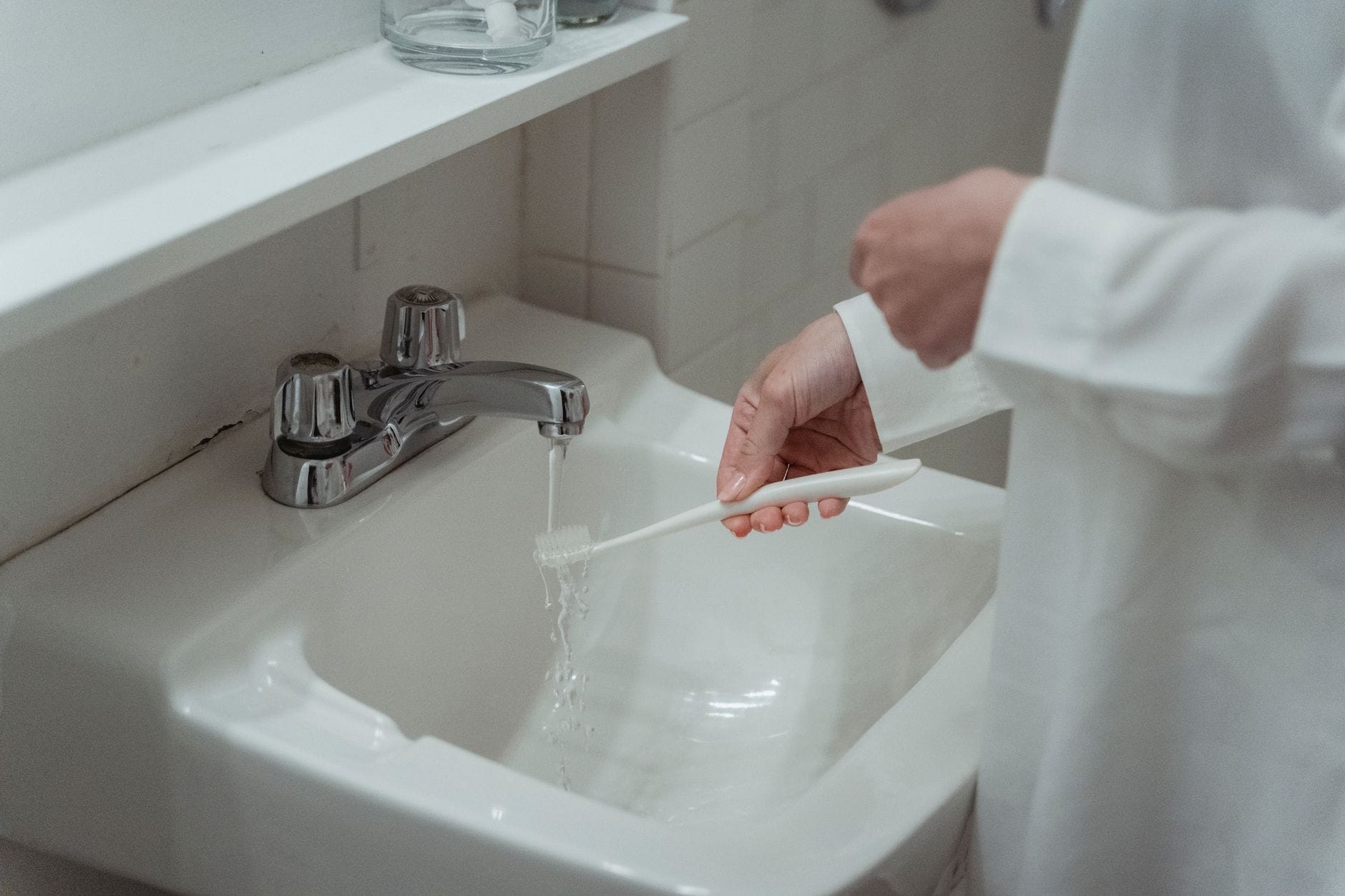
SaveThe simplest approach. Swishing a diluted solution clears away bacteria and lifts surface yellowing.
You’ll need: 1 tablespoon of 3% hydrogen peroxide + 1 tablespoon of water.
What to do: Combine the two and swish around your mouth for 2–3 minutes. Spit it out, then rinse with plain water.
How often: 2–3 times a week.
2. Cotton Swab Application
A more targeted alternative to swishing. It relies on the same cleansing action, though it tends to be a bit less effective than a full gargle.
You’ll need: 3% hydrogen peroxide + a cotton swab.
What to do: Dip the swab in the solution and rub it over your teeth. Leave it on for a minute or two, then rinse.
How often: 2–3 times a week.
Beauty and lifestyle vlogger Tina Engeo tried this method and noted that the slightly yellow areas near her gums looked improved, saying it “fixed it a little bit.”
3. Baking Soda And Hydrogen Peroxide
 Save
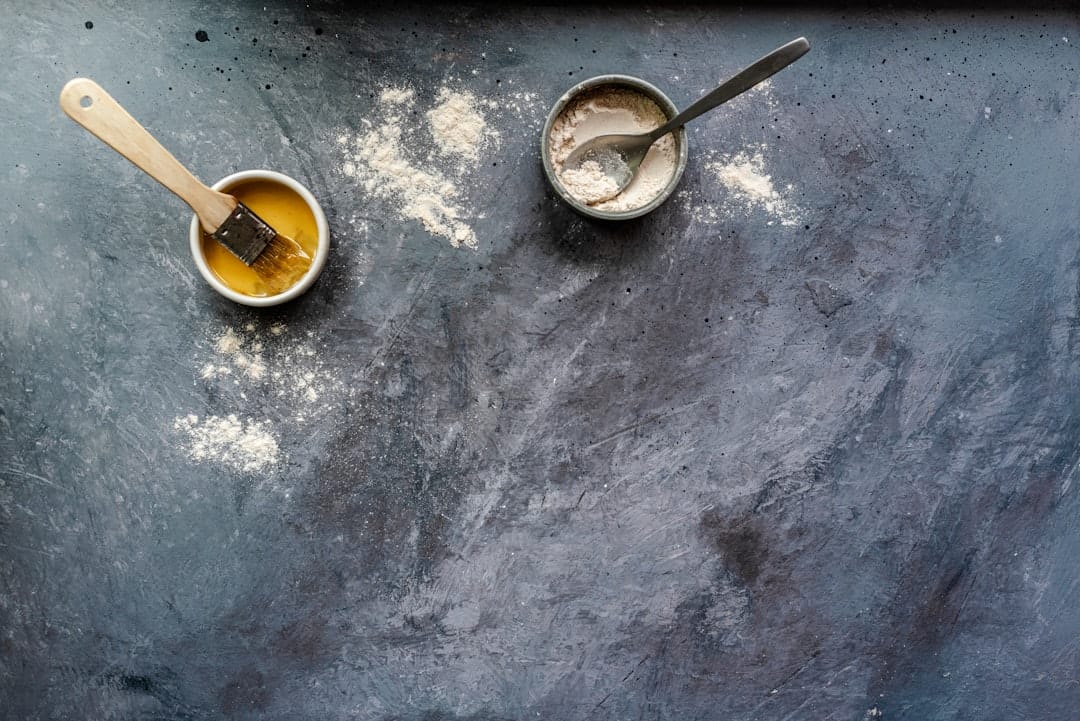
SaveBaking soda’s gritty texture acts as a mild abrasive that scrubs away stains, and it carries whitening properties of its own (4).
You’ll need: 1 teaspoon of baking soda, 3% peroxide, and a toothbrush.
What to do: Stir in just enough peroxide to form a medium paste, load it onto your brush, and brush as usual.
How often: Twice a week.
4. Listerine And Hydrogen Peroxide
While the peroxide brightens, Listerine cleans the mouth and knocks out harmful bacteria (5), which may support whitening too.
You’ll need: Equal parts Listerine and hydrogen peroxide.
What to do: Mix and rinse like a mouthwash, then finish with a clean-water rinse.
How often: 3 times a week.
5. Lemon Juice And Peroxide
 Save
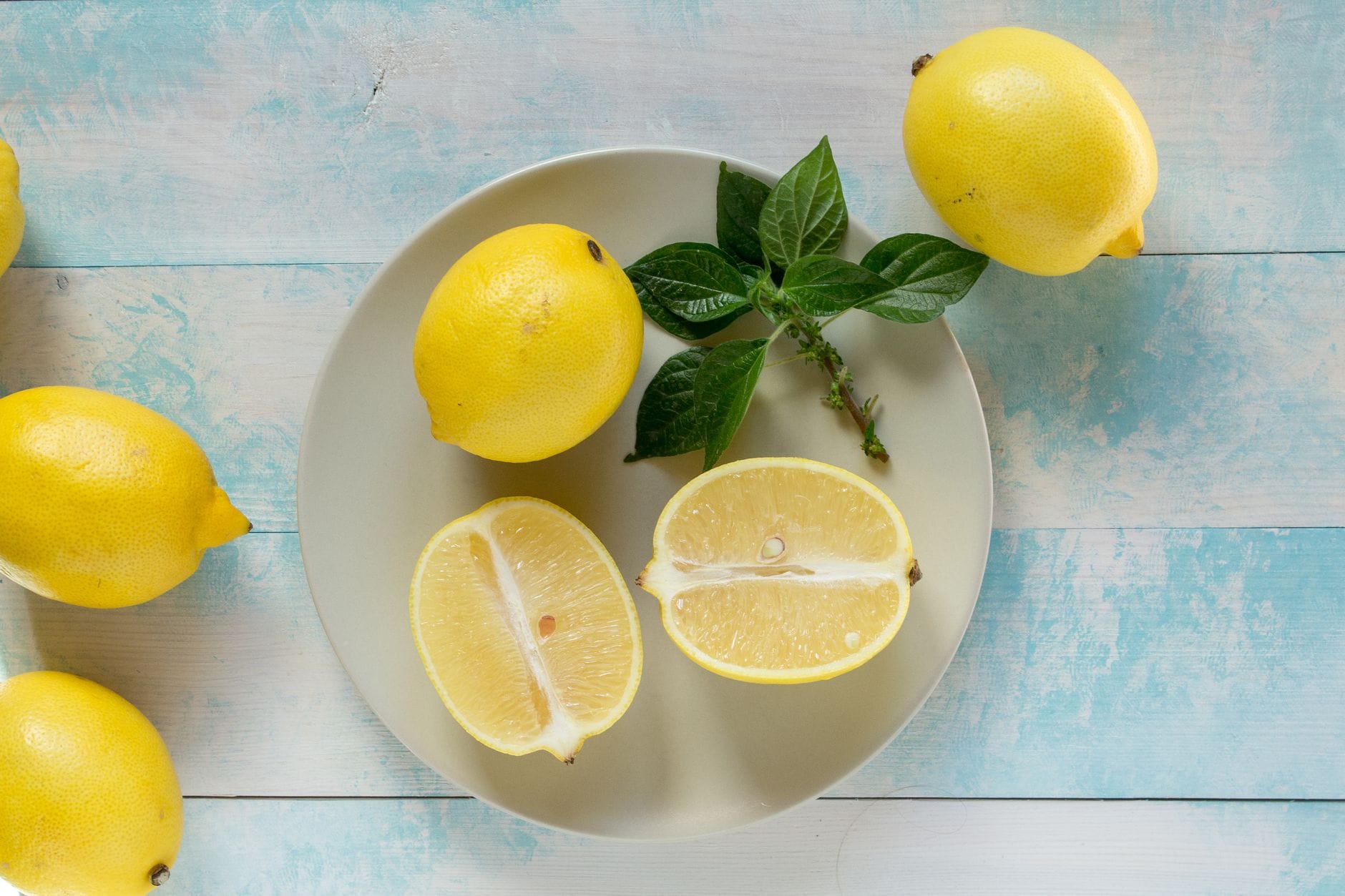
SaveLemon works as a natural bleaching agent — its juice and peel contain citric acid that can help lighten enamel stains (6).
You’ll need: 1 teaspoon baking soda, a few drops of lemon juice, and 2 tablespoons of peroxide.
What to do: Blend into a paste, apply to teeth, leave for a minute or two, then rinse thoroughly.
How often: 1–2 times a week.
6. Salt And Peroxide
Like baking soda, the coarse grains of salt help dislodge clinging stains.
You’ll need: 2 tablespoons of peroxide + 1 tablespoon of salt.
What to do: Mix and gently rub over teeth with a brush or fingertip for 1–2 minutes, then rinse.
How often: Twice a week.
7. Activated Charcoal And Peroxide
 Save
SavePeroxide acts as a gentle bleach while charcoal — based on anecdotal reports — absorbs surface stains and toxins.
You’ll need: 3% peroxide, activated charcoal powder, a clean toothbrush, and water.
What to do: Mix a little charcoal with a few drops of peroxide into a paste, brush gently for 2–3 minutes, then rinse until no residue remains.
How often: Once or twice a week.
Once you notice results, pause for a couple of weeks before resuming, since constant use can harm oral tissue (7). Storing peroxide in the fridge helps it stay stable longer.
Are There Any Side Effects?
Used thoughtfully, peroxide is generally safe — but it isn’t risk-free.
It can cause temporary gum irritation or tooth sensitivity, which usually fades (8).
Never swallow it. Combined with stomach acid, it may cause gastrointestinal problems (9) and, if ingested, can injure the esophagus (10).
Avoid using it on children’s teeth.
Don’t pair it with OTC whitening products like at-home pens, as this may intensify irritation and enamel erosion — check with your dentist first.
To stay safe, never exceed a 3% concentration, and don’t leave the solution on longer than directed.
Frequently Asked Questions
How long does it take to see whiter teeth?
Results vary by method and your starting shade. Many people notice gradual brightening over a few weeks of consistent, spaced-out use — patience beats overuse.
Can I use a stronger peroxide for faster results?
No. Concentrations above 3% raise the risk of sensitivity, gum irritation, and enamel erosion. Higher strength isn’t worth the damage.
Is the gargle or the paste more effective?
The diluted swish is the most popular and reliably effective approach. Pastes with baking soda or salt add gentle abrasion but should be used sparingly to protect enamel.
The Bottom Line
Hydrogen peroxide is an affordable, convenient way to brighten your smile at home — whether you swish it, swab it, or blend it with baking soda, Listerine, lemon, salt, or charcoal. The key is moderation: stick to a 3% solution, follow the suggested frequency, give your teeth regular breaks, and never swallow it. If you have sensitive teeth, gum issues, or any doubts, loop in your dentist before you start.
This article is for informational purposes only and is not a substitute for professional dental or medical advice. Consult a qualified dentist or healthcare provider before starting any new whitening routine, especially if you have existing oral health concerns.