
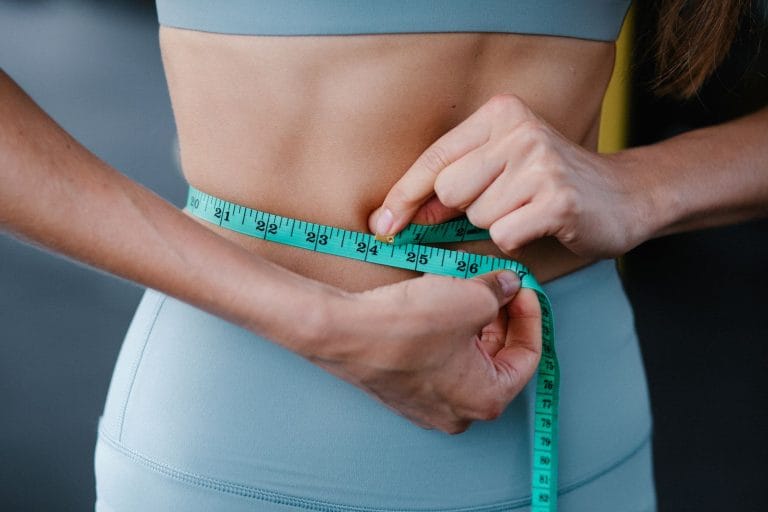
A gentler take on the “quick reboot” promise—built around blended meals, mindful snacking, and a daily walk.
If restrictive plans have left you hungry and frustrated, you are not alone. Finding a way to eat that feels doable and moves the scale can seem impossible. The body reset diet enters that gap with a bold pitch: a short, structured reboot that leans on smoothies and whole foods rather than deprivation. Supporters describe it as a whole-body reset rather than just another crash diet.
Below, we unpack what the plan actually involves, the thinking behind it, who it may suit, and where its limits lie—so you can decide whether it fits your goals.
Key Takeaways
– The body reset diet is a 15-day plan built on color-coded smoothies, fiber-rich snacks, and gradually reintroduced solid meals.
– It aims to spark fast early weight loss through calorie control, which many people find motivating.
– Daily walking and short resistance sessions are core parts of the program, not optional extras.
– The whole-food focus can boost fiber and nutrient intake, supporting digestion and general well-being.
– People with diabetes, heart disease, eating disorders, nutritional gaps, or who are pregnant or nursing should avoid it.
What Is the Body Reset Diet?
The plan comes from Harley Pasternak, a celebrity trainer with a background in exercise physiology and nutrition. His central idea is simple: people tend to stick with a diet when they see results quickly, so the program is engineered for a fast, visible start (1).
It runs for 15 days, split into three five-day phases. Across those phases you’ll rely on homemade smoothies, high-fiber snacks, low-calorie meals, and gentle movement like walking. Pasternak lays out specific recipes—and the reasoning behind each ingredient—in his cookbook, making meal prep easier for busy people.
How the Body Reset Diet Works
 Save
SaveAt its heart, the plan swaps some or all of your meals for blended drinks, then layers in structure around them.
Three Types of Smoothies
The smoothies are grouped by color, each with a job to do:
White smoothies use milk or Greek yogurt for a protein hit.
Red smoothies feature fruit for a natural energy lift.
Green smoothies bring in vegetables to help you feel full.
Each drink lands at roughly 270–325 calories, keeping intake in check.
The “Holy Trinity” and Snacks
 Save
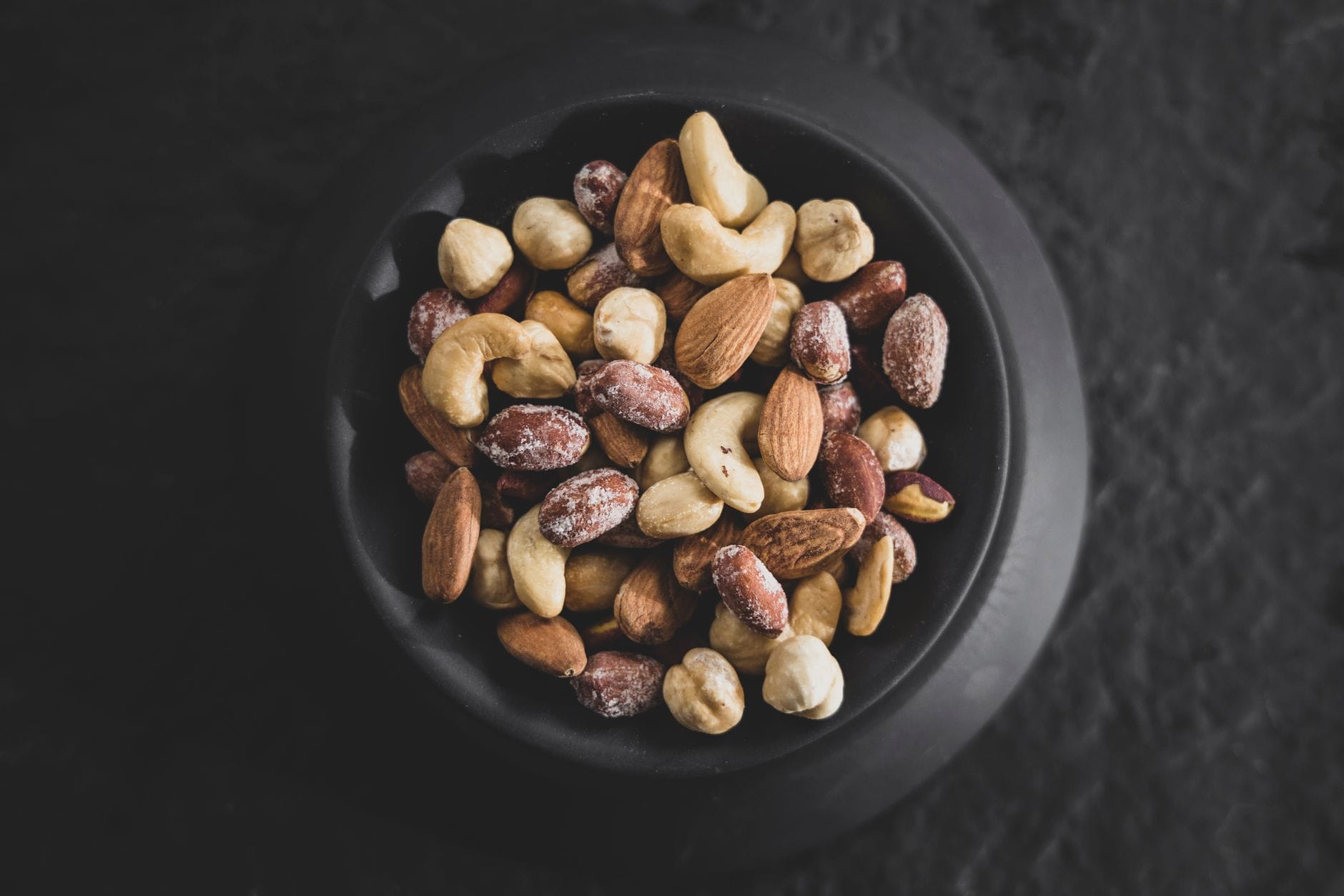
SavePasternak balances carbohydrates, protein, and fiber in each smoothie—what he calls the “Holy Trinity of metabolism.” The plan also allows two “crunchy” snacks a day, chosen for their fiber, protein, and healthy fats to bridge the gap between liquid meals.
Solid “S” Meals
 Save
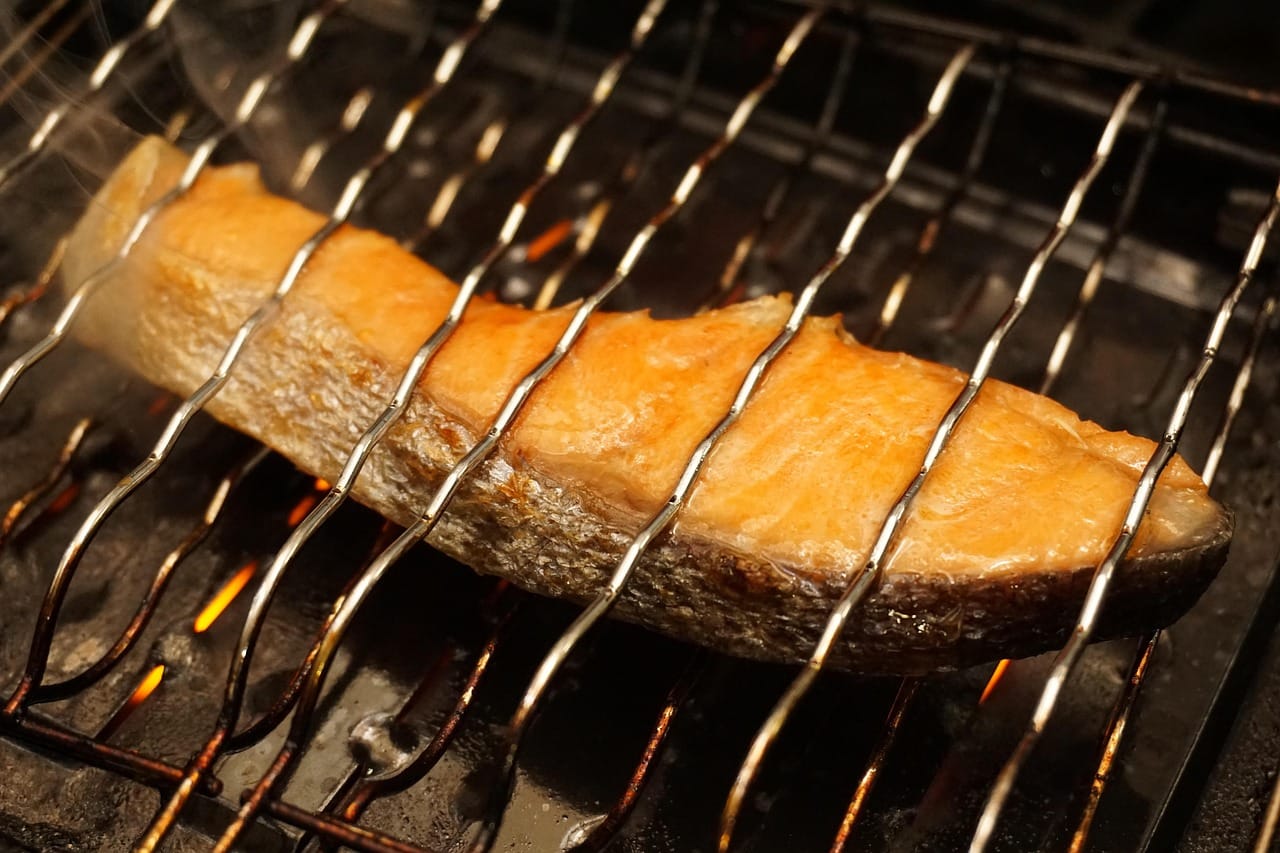
SaveAs the phases progress, you reintroduce simple single-dish meals nicknamed “S” meals—think scrambles, salads, stir-fries, sandwiches, and soups. Kept small and straightforward, they’re designed to satisfy without encouraging overeating.
Building Movement Into Your Day
 Save
SaveFood is only half the equation here. The program asks for at least 10,000 steps daily, plus brief, low-weight resistance sessions a few times a week to support muscle and metabolism. This pairing of a calorie deficit with regular activity is what the plan relies on to drive results.
How to Follow It, Phase by Phase
The 15 days are organized to ease you from mostly-liquid meals back toward normal eating.
Phase 1 (Days 1–5)
Meals: All three meals become smoothies—white at breakfast, red at lunch, green at dinner.
Snacks: Two approved high-fiber snacks.
Exercise: Walk at least 10,000 steps.
Phase 2 (Days 6–10)
Meals: Keep two smoothies of your choice and add one solid meal.
Snacks: Two per day.
Exercise: 10,000 steps daily, plus a five-minute weight session three times a week.
Phase 3 (Days 11–15)
Meals: Drop to one smoothie and enjoy two solid meals.
Snacks: Two per day.
Exercise: 10,000 steps daily and a five-minute resistance-band routine each day.
After day 15, phase 3 becomes the long-term template. You’re allowed two “free meals” a week for favorite foods or social occasions—use one, then return to phase 3 eating for the rest of that day. In theory, the plan has no true end point.
The Possible Benefits
The plan’s whole-food leanings can bring real upsides.
Better overall nourishment. By emphasizing whole grains, lean proteins, fruits, vegetables, legumes, nuts, and low-fat dairy, it delivers useful vitamins, minerals, and fiber (2). A higher fiber intake is linked to lower risk of heart disease and diabetes (3), and fiber supports gut motility and smoother digestion (4).
Support for weight loss. At about 1,200–1,400 calories a day, the plan creates a deficit when paired with movement. In one study, a low-calorie approach reduced participants’ body weight and waist circumference over 12 weeks (5).
Ease of use. With defined phases and ready-made recipes, it’s relatively simple to follow amid a hectic schedule.
Is It Actually Good for Weight Loss?
For the short term, yes—the calorie deficit can produce quick early results. But there’s a catch. Because the first phase leans so heavily on smoothies, some of that loss may return once you shift back to regular solid foods. In other words, the plan can jump-start progress, but keeping the weight off depends on how sustainable phase 3 feels for you long-term. It also isn’t right for everyone.
Who Should Skip the Body Reset Diet
This plan isn’t a fit for people with diabetes, heart disease, existing nutritional deficiencies, or a history of eating disorders, nor for those who are pregnant or nursing. Its low-calorie, liquid-heavy structure can worsen nutrient gaps and may feel triggering for disordered-eating patterns. When in doubt, check with a healthcare provider first.
Frequently Asked Questions
Can I stay on the body reset diet longer than 15 days?
Yes. Phase 3, combined with two weekly “free meals,” is meant to be the ongoing pattern once the initial 15 days are complete.
Will I feel hungry on this plan?
The smoothies and two daily snacks are designed with protein, fiber, and healthy fats to help curb hunger, though appetite varies from person to person—especially in the smoothie-heavy first phase.
Do I really need to exercise on it?
Movement is built into the plan. The daily 10,000 steps and short resistance sessions work alongside the calorie deficit, so they’re considered essential rather than optional.
The Bottom Line
The body reset diet is a structured, short-term reboot that uses color-coded smoothies, mindful snacking, gradually reintroduced meals, and daily movement to spark quick weight loss. Its whole-food emphasis can lift fiber and nutrient intake, and the clear phase-by-phase layout makes it easy to follow. Still, early results may not stick once solid foods return, and the plan isn’t safe for everyone. If you’re curious, ease in thoughtfully—and talk with a professional if you have any underlying health conditions.
This article is for informational purposes only and is not a substitute for professional medical advice. Consult a qualified healthcare provider before beginning any new diet or exercise program, especially if you have an existing health condition.