
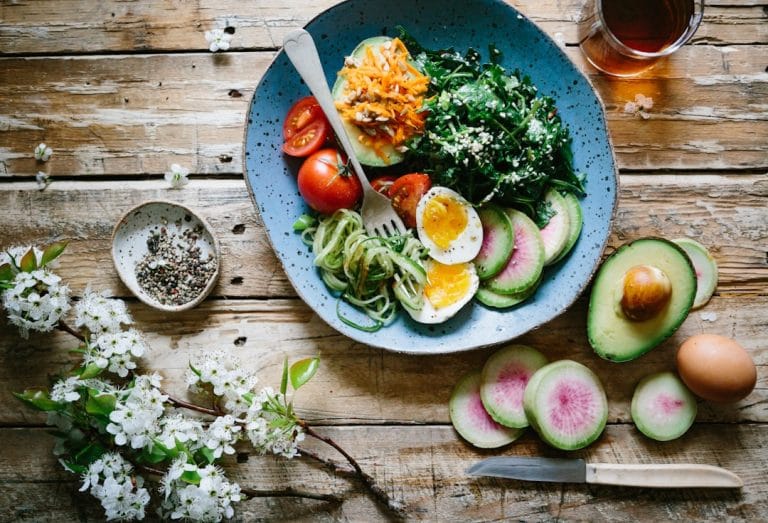
A precise, food-first approach to gaining size and strength without the guesswork.
If you have spent any time around gyms or fitness forums, you have heard the word “bulking.” It is the phase where athletes and bodybuilders deliberately eat more to fuel muscle growth, build strength, and add size. At its core, a bulking diet is simple: give your body a calorie surplus alongside serious resistance training, and let those extra nutrients turn into muscle.
But “eat more” is not the whole story. How you eat determines whether those surplus calories become lean tissue or unwanted fat. Below, we break down the three styles of bulking, the macronutrient ratios that support growth, the foods worth prioritizing, and the ones to keep in check.
Key Takeaways
– A bulking diet uses a strategic calorie surplus, paired with resistance training, to promote muscle growth and strength.
– There are three main approaches — clean, big, and dirty — that differ in food quality and how fast you gain.
– A commonly cited target ratio is 55–60% carbohydrates, 25–30% protein, and 15–20% fat, adjusted to your goals.
– Prioritize nutrient-dense whole foods and limit junk to gain muscle without excess fat.
– Consulting a registered dietitian helps you dial in portions and technique safely.
Understanding the Bulking Diet
A bulking diet is a specialized form of bodybuilding nutrition built around calorie-dense foods that are rich in protein, carbohydrates, and fats. The goal is to supply more energy than your body burns so it has raw material for repair and growth.
Research backs the basic idea. In a study of male bodybuilders, increasing daily calorie intake by roughly 10–20% — a surplus of about 500 calories per day — combined with resistance training produced meaningful gains in muscle mass (though some body fat came along too).
Your ideal surplus depends on your sex, metabolism, and fitness goals. That variability is exactly why bulking splits into different styles.
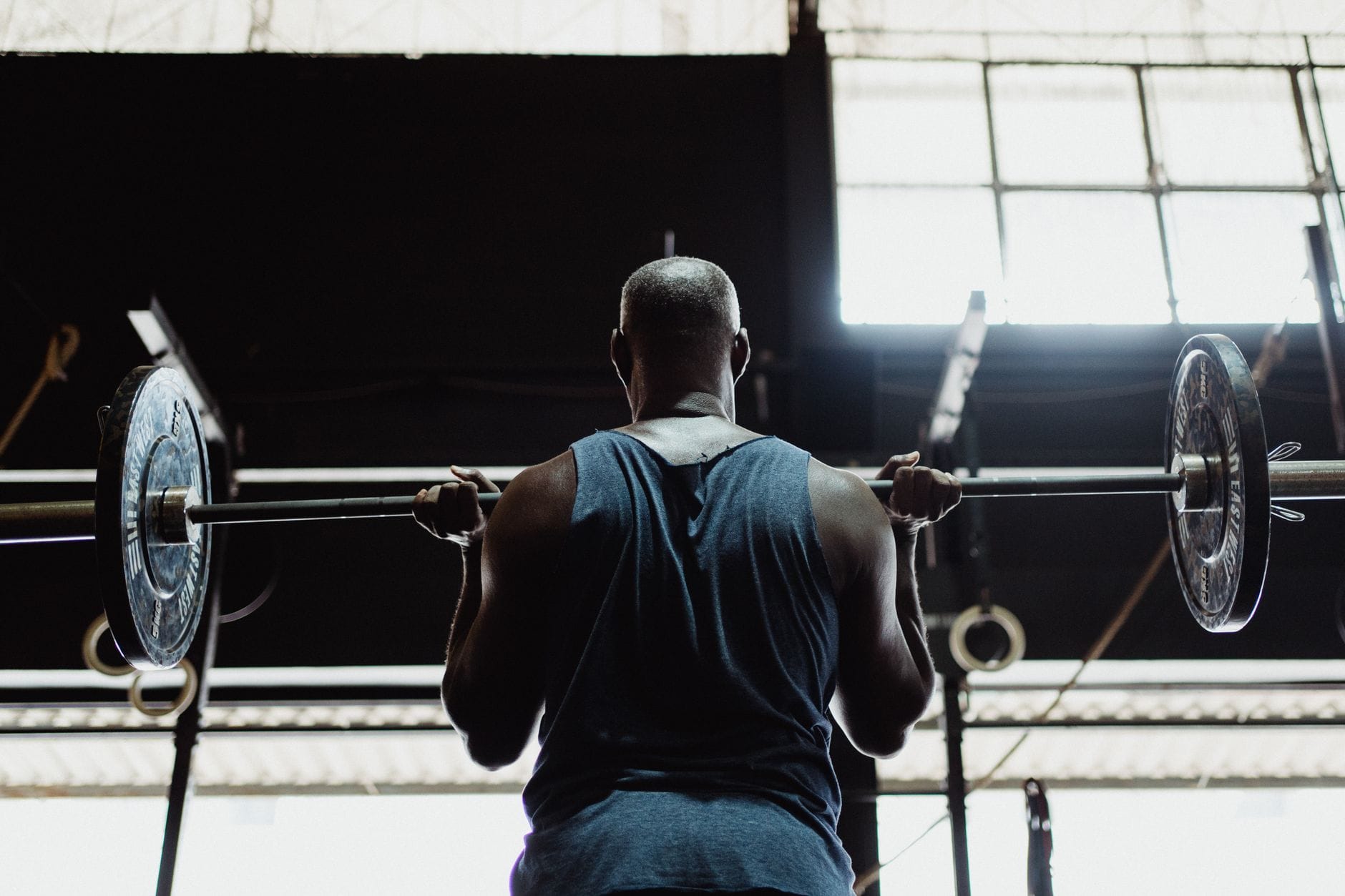
The Three Types of Bulking
 Save
SaveClean Bulking
Clean bulking puts food quality first. You eat a moderate calorie surplus, but those calories come from whole foods — lean proteins, complex carbohydrates, and healthy fats. The payoff is slower, steadier weight gain of roughly 0.5 to 1 pound per week, with less fat accumulation. It is the go-to for athletes who need to stay lean, such as gymnasts and boxers.
Big Bulking
Also called regular, aggressive, or conventional bulking, this approach pushes calories well above maintenance to maximize muscle growth. The trade-off is faster fat gain. Big bulking tends to suit people with fast metabolisms who struggle to gain weight in the first place.
Dirty Bulking
Dirty bulking is exactly what it sounds like: eat as many calories as possible to gain maximum size in minimum time. Because much of that food is high-calorie and low-nutrient, weight piles on quickly — but so does fat. It is the least controlled of the three, and the hardest on your overall health.
Whichever route you choose, a registered dietitian can help you set the right portions and avoid common pitfalls.
Getting Your Macros Right
 Save
SaveBulking is not just about total calories — it is about how you split them. One frequently cited macronutrient target for bodybuilders looks like this:
Carbohydrates: 55–60%
Protein: 25–30%
Fats: 15–20%
Treat these as a starting point and adjust to your body and goals.
Protein
Protein is the building block for muscle, and it also supports hormones, immune function, and molecular transport throughout the body. A general baseline is about 0.8 g of protein per kilogram of body weight, but a serious bulk calls for considerably more — roughly 1.6 to 2.2 g per kilogram.
Good sources include:
Lean meats: beef, lamb, veal, pork
Fish and seafood: fish, prawns, mussels, scallops, oysters
Poultry and eggs: chicken, turkey, duck, eggs
Dairy: Greek yogurt, milk, cottage cheese
Legumes: beans, lentils, chickpeas, tofu and other soy foods
Nuts and seeds: almonds, walnuts, cashews, pumpkin and sunflower seeds
Carbohydrates
 Save
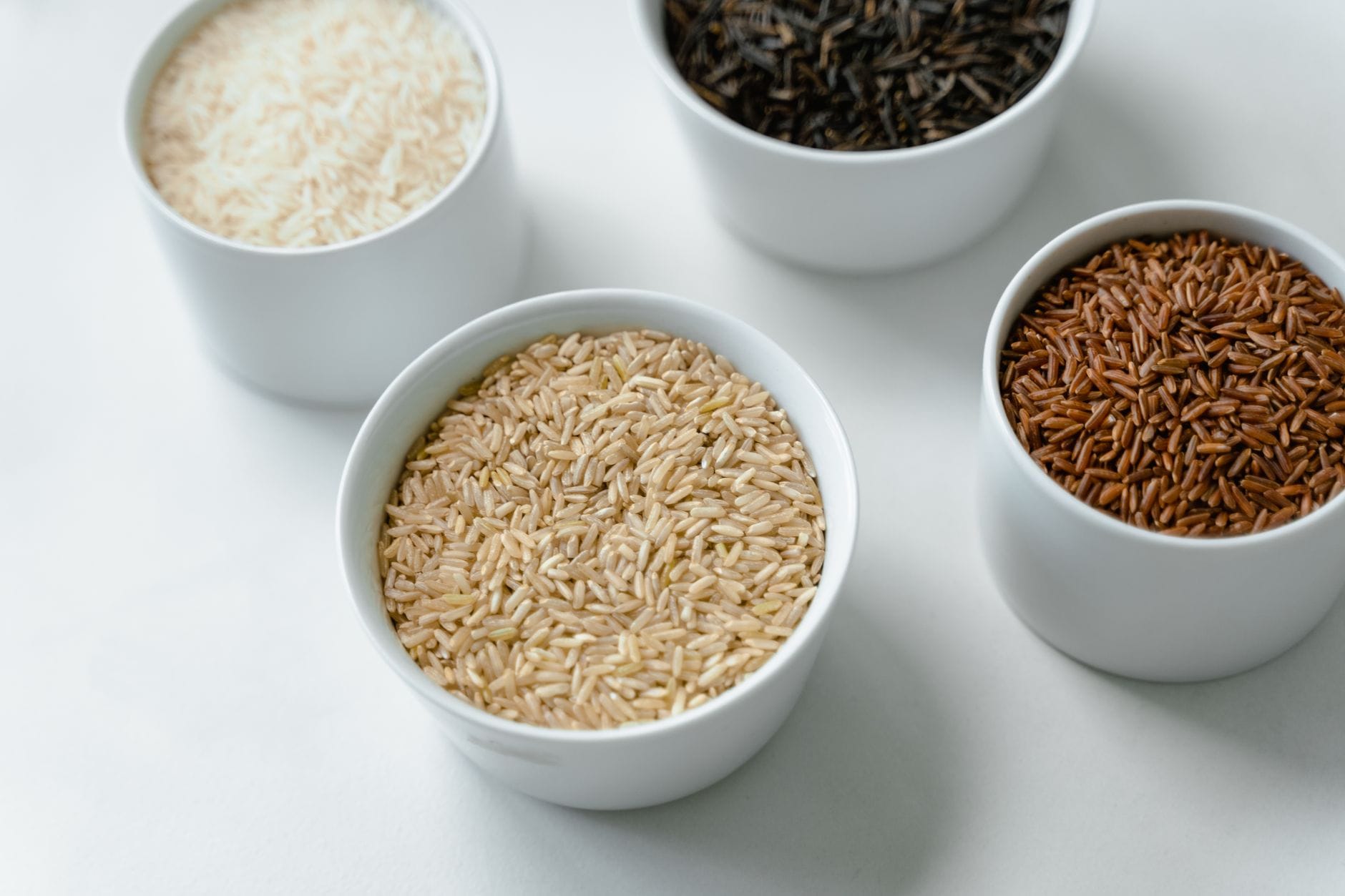
SaveCarbs are your primary fuel — they power your brain and muscles and help regulate metabolism. To support hard training during a bulk, aim for about 3–5 g of carbohydrate per kilogram of body weight per day.
Reach for:
Whole grains: oats, quinoa, barley, buckwheat, wild rice
Fruits: bananas, apples, berries, mangoes, oranges
Starchy vegetables: potatoes, corn, peas
Legumes and dairy: lentils, dried beans, milk, yogurt
Fats
 Save
SaveFats deliver concentrated energy, support cell growth, and help your body absorb certain vitamins. Keep them moderate — around 0.5 to 1.5 g per kilogram of body weight per day.
Quality fat sources include:
Fatty fish: salmon, mackerel, sardines, tuna
Avocado and olive or coconut oil
Dairy: cheese, milk, yogurt
Nuts and nut spreads: peanuts, hazelnuts, almonds
Foods to Limit or Avoid
Bulking can look deceptively easy — just eat more, right? The catch is that overloading on refined carbs and on saturated and trans fats can raise your risk of coronary heart disease and tends to add fat rather than useful muscle.
To keep your bulk healthy, go easy on:
Deep-fried foods and heavily processed snacks
Sugary drinks, candy, and pastries
Foods high in trans fats and excess saturated fat
Empty-calorie “junk” that crowds out nutrient-dense choices
The aim is a surplus that comes mostly from real, whole foods — not a free pass to eat anything.
Tips for Bulking Smarter
Track your intake. Knowing your calories and macros keeps your surplus purposeful rather than accidental.
Train hard. A calorie surplus only builds muscle when paired with progressive resistance training.
Adjust as you go. If fat is climbing faster than strength, trim the surplus slightly.
Prioritize recovery. Sleep and rest days are when muscle actually rebuilds.
Frequently Asked Questions
How long should a bulking phase last?
Bulking is generally a short-term strategy. Many people run it for a defined block of weeks or months, then reassess based on their gains and body composition.
Will I gain fat while bulking?
Some fat gain is normal, since a calorie surplus supports both muscle and fat storage. Clean bulking minimizes it; dirty bulking tends to add the most.
Who should avoid a bulking diet?
Anyone already carrying excess body fat may want to hold off, since adding more calories can raise cardiovascular and metabolic risks. Check with a healthcare professional first.
The Bottom Line
A bulking diet is a deliberate calorie surplus designed to fuel muscle growth alongside consistent strength training. The style you pick — clean, big, or dirty — shapes how quickly you gain and how much fat comes with it. Anchor your surplus in nutrient-dense whole foods, aim for a sensible macro split, limit junk, and adjust as your body responds. Done thoughtfully, bulking is less about eating everything in sight and more about eating with purpose.
This article is for informational purposes only and is not a substitute for professional medical advice. Consult a registered dietitian or healthcare provider before starting a bulking diet, especially if you have existing health conditions.