
Every weight-loss approach comes down to the same principle — burning more energy than you take in. Here’s how to do it without wrecking your health.
Strip away the diet trends and one fact remains: to lose weight, you need a calorie deficit — taking in fewer calories than your body burns. The good news is you don’t need a complicated plan to get there. The trick is creating a modest deficit with nutritious, filling foods, so you lose fat steadily without feeling starved or losing muscle.
Here’s how a calorie deficit works, how to build one safely, and what to eat to make it sustainable.
What Is a Calorie Deficit Diet?
A calorie deficit diet simply means consistently eating fewer calories than your body uses each day. Your body makes up the difference by tapping into stored fat, which is how you lose weight (1). The size of the deficit matters: a moderate gap leads to steady, sustainable loss, while an extreme one backfires through muscle loss, fatigue, and rebound eating.
Key Takeaways
– A deficit is the foundation of weight loss — burn more than you eat (1).
– Moderate is best — aim for a gentle deficit, not a crash diet.
– Protein and fiber keep you full — so you can eat less without feeling deprived (5).
– Too steep a cut is risky — it can cost you muscle, energy, and nutrients (2).
How to Create a Calorie Deficit
 Save
Save1. Estimate your maintenance calories — the amount that keeps your weight stable, based on your size, age, and activity.
2. Subtract a moderate amount — a deficit of roughly 300–500 calories a day supports steady loss of about half a kilogram (one pound) a week for many people.
3. Combine eating and moving — you can create the deficit by eating a little less, moving a little more, or both. Adding activity means you don’t have to cut food as drastically.
4. Track at first — a food diary or app helps you learn portion sizes and spot hidden calories, even if you stop tracking later.
What to Eat
 Save
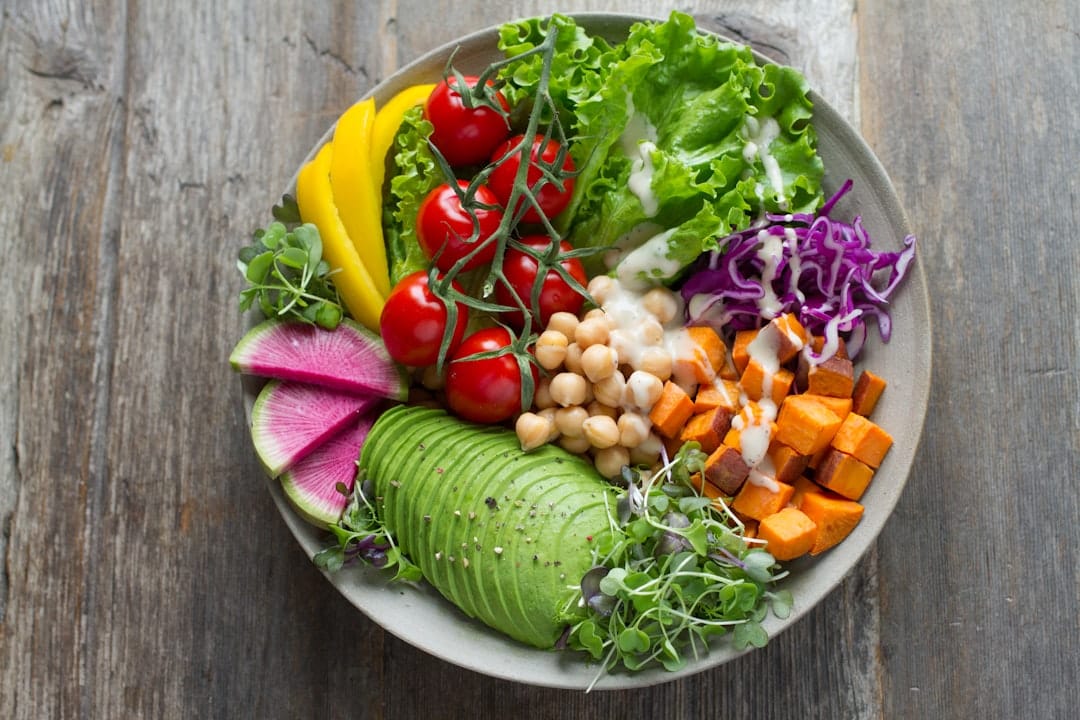
SaveThe smartest way to cut calories is to choose foods that fill you up for fewer calories:
Lean protein — chicken, fish, eggs, tofu, Greek yogurt, and legumes preserve muscle and boost fullness (5).
High-fiber vegetables and fruit — add volume and nutrients for very few calories.
Whole grains — oats, brown rice, and whole-grain bread digest slowly and keep you satisfied.
Healthy fats in moderation — nuts, seeds, avocado, and olive oil (calorie-dense, so mind portions).
Water — often mistaken for hunger; staying hydrated helps.
The easiest calories to cut are usually sugary drinks, alcohol, refined snacks, and oversized portions.
A Sample Day
 Save
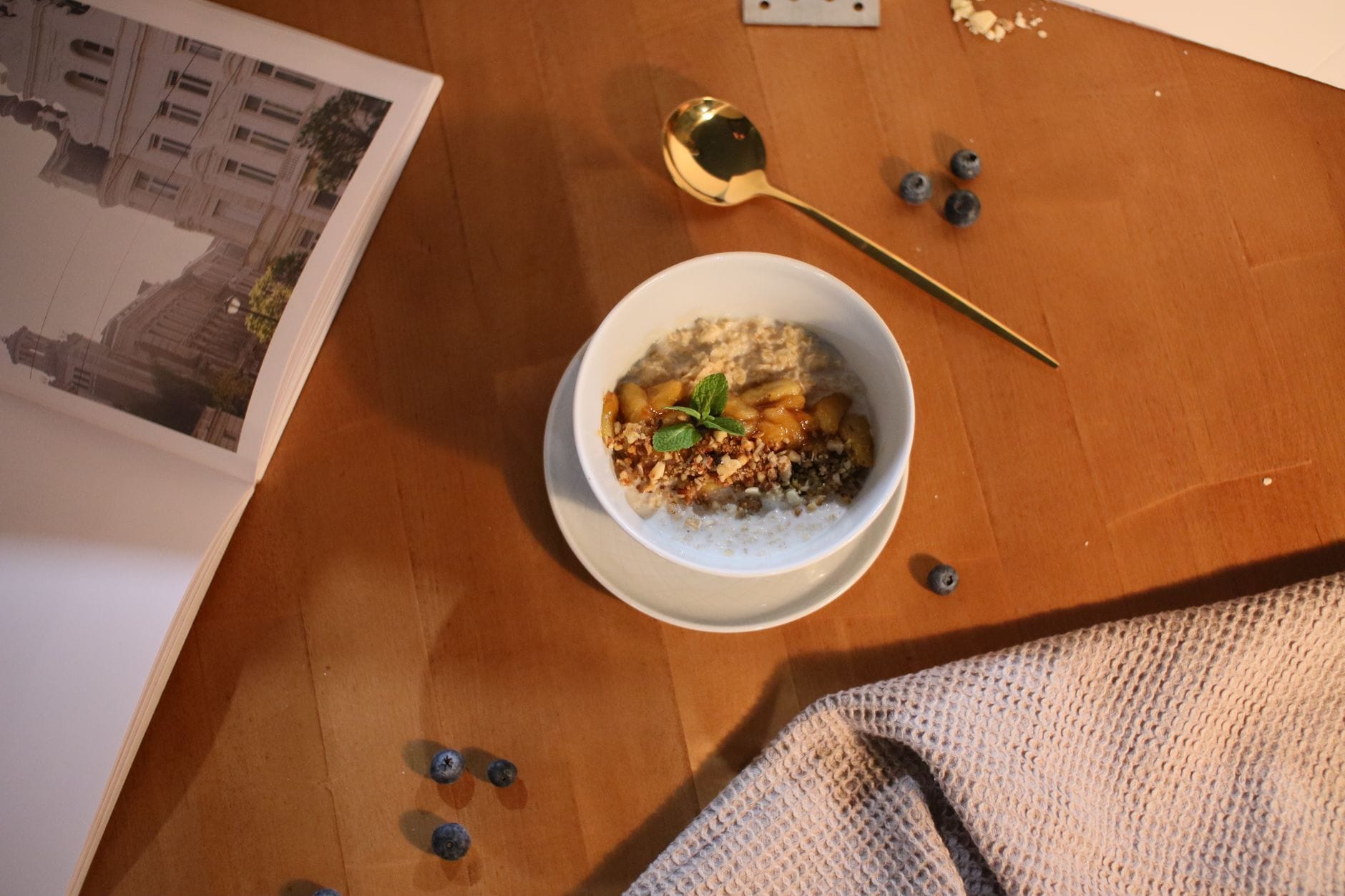
SaveBreakfast — Greek yogurt with berries and a sprinkle of oats.
Lunch — a large salad with grilled chicken, mixed vegetables, and olive oil dressing.
Snack — an apple with a few almonds.
Dinner — baked fish, roasted vegetables, and a small portion of brown rice.
Adjust portions to land in your target calorie range.
Risks of Cutting Too Much
 Save
SaveA too-aggressive deficit does more harm than good:
Muscle loss alongside fat, which slows your metabolism (2).
Nutrient deficiencies if you cut too much food variety.
Fatigue, irritability, and poor concentration.
Rebound eating — extreme restriction is hard to sustain and often ends in overeating.
If you’re considering a very low-calorie diet, do it only under medical supervision.
Frequently Asked Questions
How big should my calorie deficit be?
A moderate deficit of about 300–500 calories a day is sustainable for most people and supports steady weight loss.
Do I have to count calories forever?
No. Tracking is a useful learning tool at first; many people later rely on portion awareness and food quality instead.
Will I lose muscle in a calorie deficit?
You can, but eating enough protein and doing resistance exercise helps you lose mostly fat while preserving muscle (5).
The Bottom Line
A calorie deficit is the engine behind every successful weight-loss plan, but the way you create it determines whether the results last. Aim for a moderate deficit, fill your plate with protein, fiber, and whole foods that keep you full, and pair eating less with moving more. Avoid extreme cuts — they cost muscle and rarely stick. Slow and steady, built on real food, wins.
This article is for general informational purposes only and isn’t a substitute for professional medical advice, diagnosis, or treatment. Consult a qualified healthcare provider or dietitian before starting a calorie-restricted diet.