

A flexible way to time your carbs around your goals instead of cutting them forever.
Few nutrients get as much blame as carbohydrates. We love them, we fear them, and many of us quietly overdo them. But there’s a middle path that treats carbs as a tool rather than an enemy — it’s called carb cycling. Instead of banishing bread and rice for good, you deliberately raise and lower your intake depending on how hard you’re training and what you’re trying to achieve.
Long a favorite of athletes and bodybuilders, carb cycling has moved into the mainstream fitness world. Whether the goal is shedding body fat or packing on lean muscle, this approach lets you personalize your fuel. Below, we’ll unpack what carb cycling is, how it works, the benefits research points to, and how a typical week might look.
Key Takeaways
– Carb cycling means alternating between higher and lower-carbohydrate days to support metabolism and steady energy.
– It may help build muscle, encourage fat loss, sharpen insulin sensitivity, and support healthier cholesterol.
– Aiming for fat loss? Weight your week toward low-carb days. Building muscle? Add more high-carb days.
– Your ideal pattern depends on body composition, activity level, training intensity, health status, and body fat percentage.
What Carb Cycling Actually Means
At its core, carb cycling is simple: you eat more nutritious high-carb food on certain days and scale back on others, all in service of your health and fitness aims. The idea rests on the notion that varying your carbohydrate intake may help fine-tune how your body handles energy and metabolism. Some believe it edges out a standard low-carb diet for fat loss — though it’s worth noting there’s no firm scientific proof of that yet.
You can rotate these days on a daily, weekly, or even monthly basis. Chasing fat loss? Stack more low-carb days into your schedule. Focused on muscle? Tip the balance toward high-carb days. Pairing higher-protein meals with your low-carb days can help protect muscle while you trim fat.
The logic is intuitive: fuel up on the days you plan to train hard, and pull back when you’re resting or less active. A common weekly template might feature two high-carb days, two moderate-carb days, and three low-carb days — but that ratio is meant to flex around your training and goals.
The Science Behind How It Works
When you eat carbohydrates, your body releases insulin, which ushers glucose into your cells. That glucose is burned for energy, stored for later, or converted into fat. Trim your carbs and your body is nudged toward burning stored fat and surplus energy instead.
High-carb days do the opposite job — and that’s the point. They flood your system with glucose to power tough workouts and speed recovery, helping replenish muscle glycogen, the stored form of energy tucked away in your muscles and liver. Restocked glycogen can translate into better performance and less muscle breakdown.
Continually shifting your carb intake may also improve insulin sensitivity, meaning your body gets better at using carbs for fuel rather than parking them as fat.
Several personal factors shape how many carbs you actually need:
Body composition: Leaning out calls for fewer carbs; building muscle calls for more.
Training and rest days: Active, high-output days demand more fuel than sedentary ones.
Health conditions: Diabetes and other metabolic issues can change your carb needs.
Training intensity: Heavy resistance work generally warrants more carbs for recovery.
Body fat percentage: The leaner you are, the more high-carb days you can typically handle.
The Benefits Worth Knowing
Muscle Growth And Athletic Performance
 Save
SaveLoading up on quality carbs gives your muscles the glucose they need to perform and rebound. That helps top off glycogen stores, which may boost output and limit muscle damage. In competitive bodybuilders, scheduled “carbohydrate refeeds” — deliberate high-carb periods — have been linked to greater fat loss. These refeed days can restock glycogen, sharpen training, and offer a welcome mental break from strict dieting.
Weight Loss Support
Low-carb days encourage your body to reach for stored fat as fuel. Research on the specific combination of high- and low-carb days is still thin, but anecdotal reports suggest that carb cycling within an overall calorie deficit can support weight loss.
Better Insulin Sensitivity
 Save
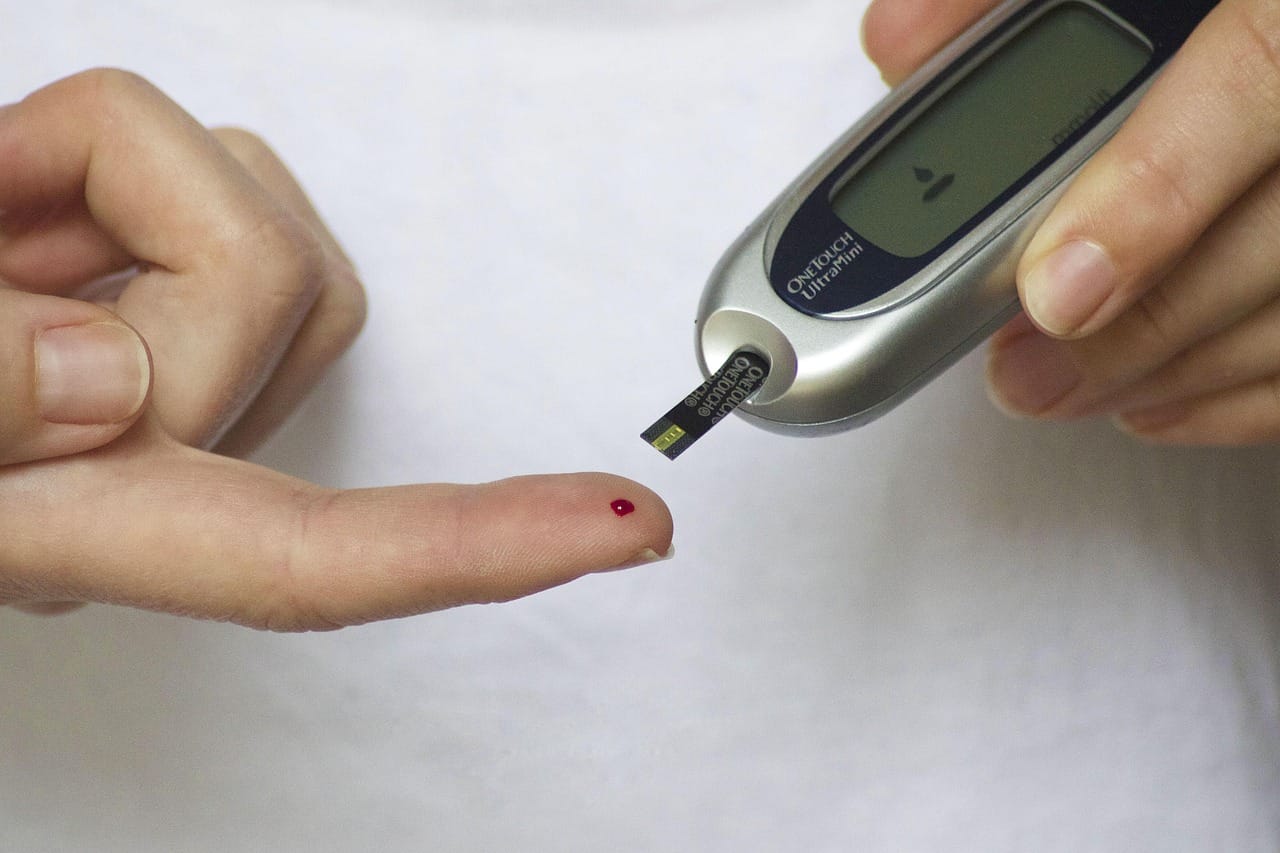
SaveDiets built around low-to-moderate carbs may improve how your body secretes insulin and absorbs glucose, boosting insulin sensitivity. Because high-carb meals tend to spike blood sugar, leaning on low-carb days and saving bigger carb servings for workout days may help keep things stable.
Healthier Cholesterol
 Save
SaveA diet that’s moderately high in carbs and low in fat may nudge cholesterol in the right direction. In one study, three weeks of low-fat eating followed by a high-carb phase lowered total and LDL (“bad”) cholesterol — and improved glucose tolerance along the way.
A Sample Weekly Rhythm
 Save
SaveA practical week might look like this, adjusted to your own goals:
High-carb days (2): Reserved for your most demanding training sessions.
Moderate-carb days (2): Lighter workouts or active recovery.
Low-carb days (3): Rest days or low-intensity movement, ideally paired with plenty of protein.
Build high-carb days around whole sources like oats, brown rice, sweet potatoes, and fruit, and lean on vegetables, protein, and healthy fats when carbs are dialed down.
Who Should Be Cautious
Carb cycling is best treated as a short-term strategy, and it isn’t right for everyone. If you’re pregnant, breastfeeding, underweight, or living with an eating disorder, skip it. In the early days, some people notice bloating, acid reflux, or nausea as their body adjusts.
Frequently Asked Questions
Is carb cycling better than a standard low-carb diet?
Some people find it more sustainable and effective for fat loss, but there isn’t solid scientific proof that it outperforms a traditional low-carb approach.
Can beginners try carb cycling?
Yes, though it takes some planning. Start simple with a few low-carb days and one or two high-carb days built around your workouts, and consider guidance from a professional.
Will I lose muscle on low-carb days?
Not necessarily. Keeping protein high on low-carb days helps preserve muscle while your body taps into stored fat.
The Bottom Line
Carb cycling reframes carbohydrates as something to time rather than fear. By matching your intake to your activity — more on hard training days, less on rest days — you may support fat loss, muscle growth, insulin sensitivity, and cholesterol. It won’t suit everyone, and much of the evidence is still emerging, so weigh your body composition, health, and goals before diving in. Approached thoughtfully, it can be a flexible, personalized way to fuel a stronger, leaner you.
This article is for informational purposes only and is not a substitute for professional medical advice. Consult a qualified healthcare provider or registered dietitian before making significant changes to your diet, especially if you have an underlying health condition.