
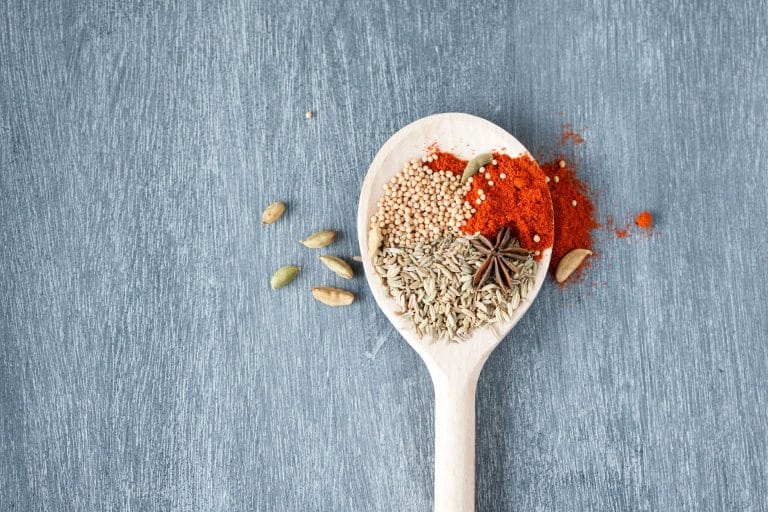
Fragrant, warming, and prized for centuries, cardamom adds more than flavor — it brings antioxidant and digestive benefits to the table.
Cardamom is often called the Queen of Spices — and, after saffron and vanilla, it’s also one of the most expensive. Beyond its sweet, aromatic warmth in everything from chai to curries and Scandinavian pastries, cardamom has a long history in traditional medicine, especially Ayurveda. Modern research is now exploring the antioxidant and anti-inflammatory compounds behind its reputation.
Here’s what cardamom may do for your health, and how to make the most of it.
What Is Cardamom?
 Save
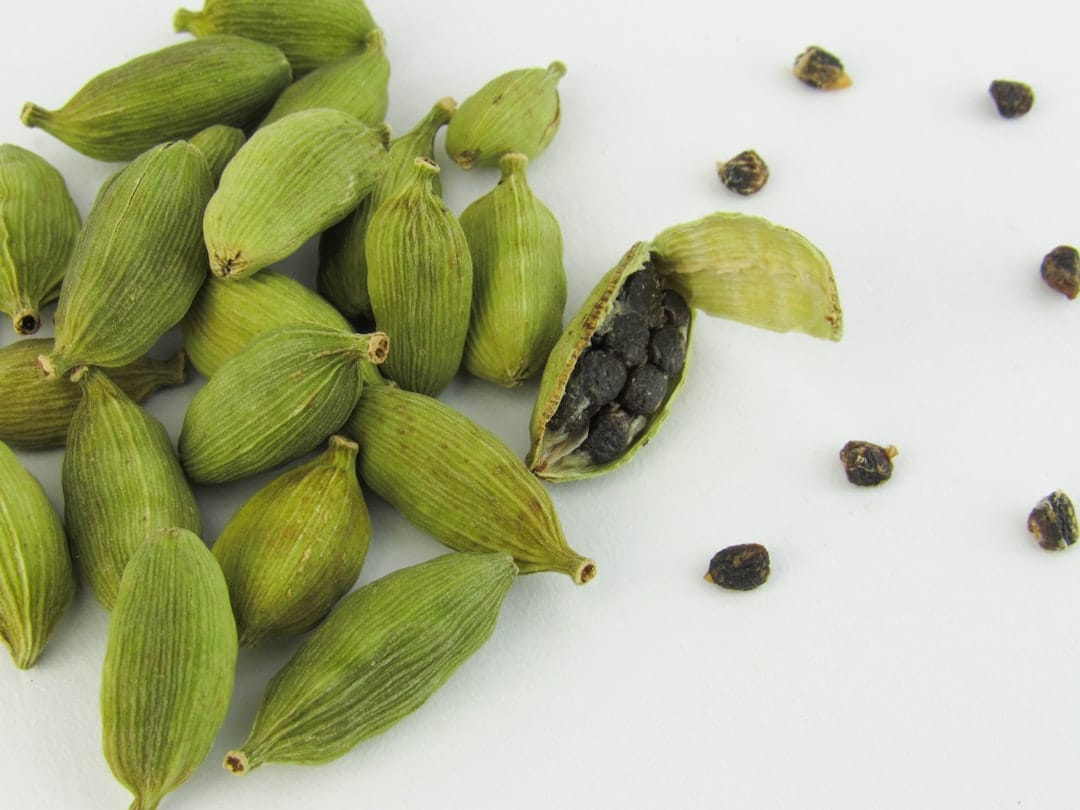
SaveCardamom comes from the seeds of plants in the ginger family (Zingiberaceae) and is native to India and Southeast Asia. The two main types are green cardamom — the common, versatile variety used in both sweet and savory dishes — and black cardamom, which is smokier and reserved for savory cooking. Its aroma and benefits come largely from volatile oils, antioxidants, and minerals packed into the small pods (2).
Key Takeaways
– Aids digestion — traditionally used to ease indigestion, heartburn, and bloating (1).
– Antioxidant and anti-inflammatory — compounds that help counter oxidative stress (2).
– May support heart health and blood pressure — studied for cholesterol and blood-pressure effects (4), (17).
– Good for oral health — antimicrobial properties help freshen breath and fight cavity-causing bacteria (12).
Health Benefits of Cardamom
 Save
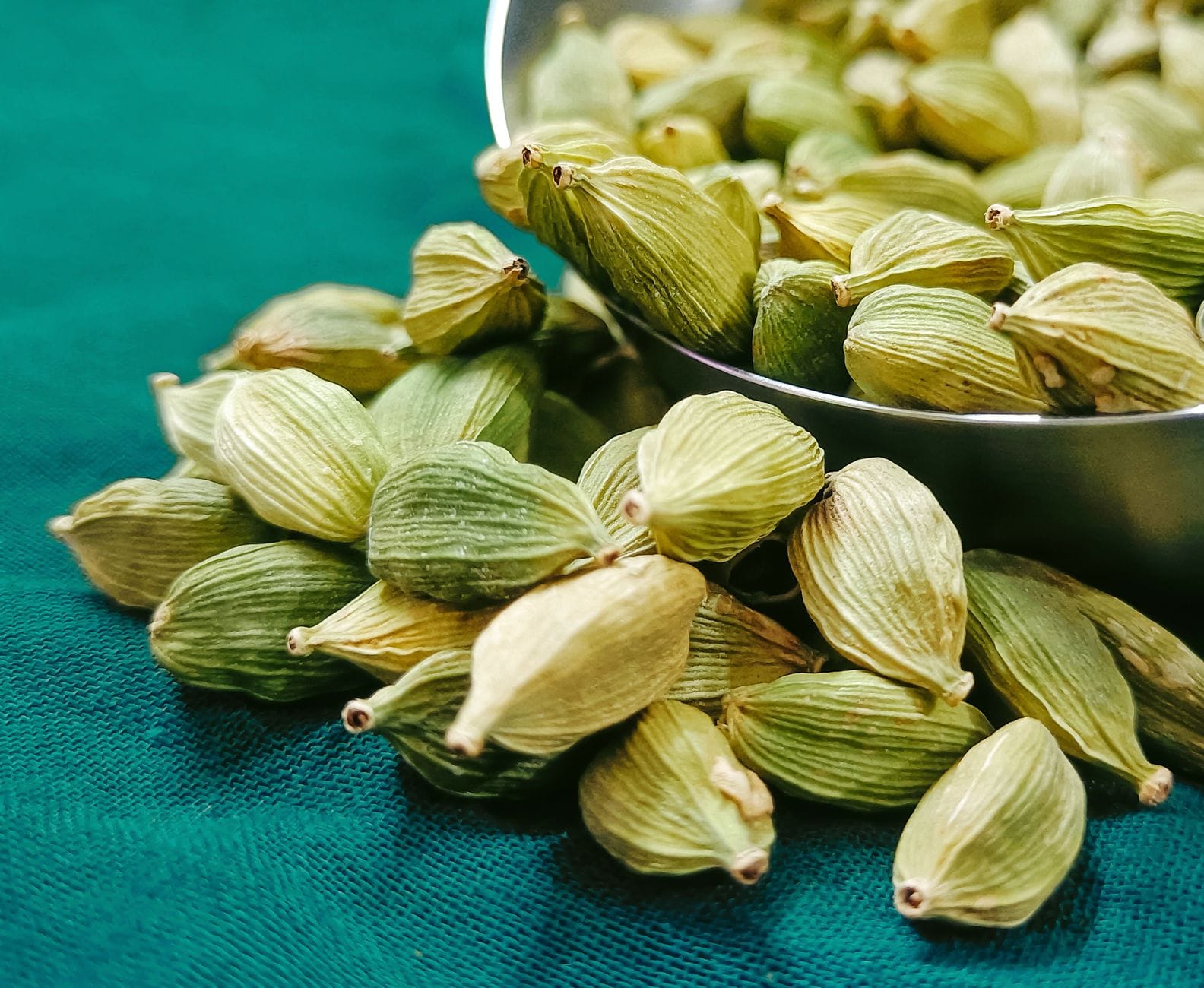
SaveSupports digestion. Cardamom has long been used to stimulate digestion and ease gas, heartburn, and acid reflux; it’s thought to encourage bile secretion and aid fat metabolism (1), (3).
Provides antioxidants. Its antioxidant and anti-inflammatory compounds help protect cells from oxidative stress (2).
May benefit the heart. Black cardamom in particular has been studied for improving lipid profiles and antioxidant status in people with heart conditions (4), and heart experts often include it in their diets (5).
May lower blood pressure. Studies suggest cardamom can help reduce blood pressure, partly through its diuretic and antioxidant effects (17).
May support oral health. Its antimicrobial action helps fight bacteria behind cavities and bad breath, and it stimulates saliva flow (12).
May ease nausea. Cardamom has been used to reduce nausea and vomiting (21).
May support metabolic health. Early research has looked at cardamom’s effects on blood sugar and lipids in people who are overweight or pre-diabetic.
Many of these findings come from small or animal studies, so treat them as encouraging rather than definitive.
Benefits for Skin and Hair
 Save
SaveThanks to its antioxidant and antibacterial properties, cardamom is traditionally used to:
Brighten and clarify skin as part of a face mask (often with honey)
Support a healthy scalp and add shine to hair
Lend a warm fragrance to cosmetics, soaps, and aromatherapy products
These are largely traditional uses with limited clinical evidence.
How to Use Cardamom
 Save
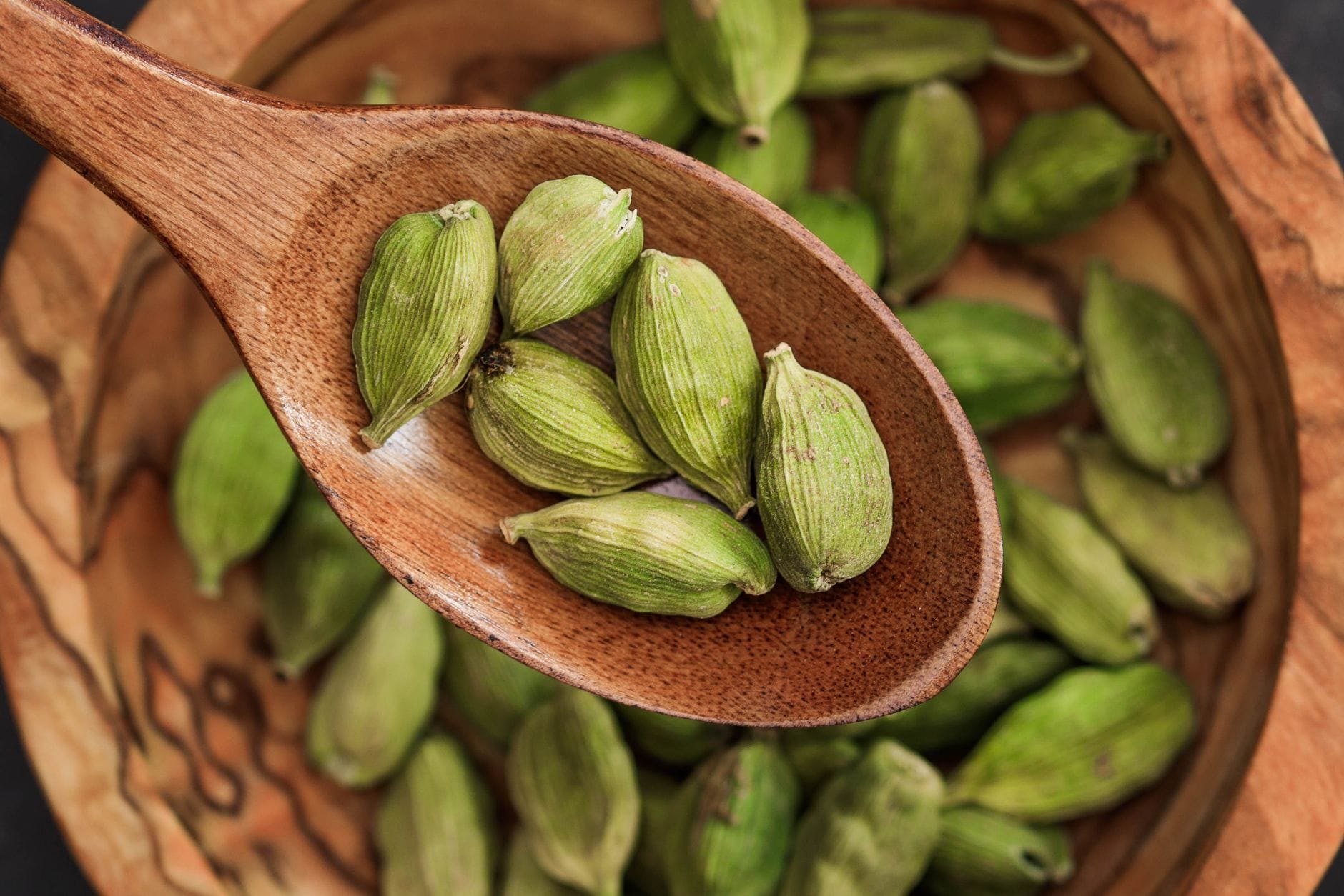
SaveIn tea and coffee — add ground cardamom to brewing chai or coffee for warmth and aroma.
In savory dishes — whole green pods flavor rice, curries, biryani, and garam masala.
In sweets and baking — it shines in puddings, custards, and Scandinavian breads and pastries.
As cardamom water — steep a few crushed pods in hot water for a soothing drink.
A small amount goes a long way — cardamom is potent and pricey.
How to Select and Store It
Choose plump green pods that smell strongly of pine and flowers; whole pods keep their flavor far longer than pre-ground powder.
Grind as needed with a mortar and pestle, since ground cardamom loses aroma quickly.
Store pods in an airtight container in a cool, dark, dry place, where they stay fragrant for up to a year.
Side Effects
Cardamom is safe in normal culinary amounts. In large or medicinal doses it may cause digestive upset, and people with gallstones should be cautious, as it may trigger gallstone colic. If you’re pregnant, breastfeeding, or take medication, use it only in food amounts unless your doctor advises otherwise (28).
Frequently Asked Questions
Can I eat cardamom every day?
Yes, in moderate culinary amounts it’s safe daily for most people — just avoid large medicinal doses without medical advice.
What does cardamom taste like?
Warm, sweet, and aromatic with citrusy, slightly minty notes — green is milder, black is smokier.
Is it okay to chew cardamom pods?
Yes; chewing pods is a traditional way to freshen breath, though the fibrous husk can feel unappealing.
The Bottom Line
Cardamom is far more than a fragrant spice. Its antioxidant and anti-inflammatory compounds support digestion, oral health, and possibly heart health and blood pressure, while a pinch transforms teas, curries, and desserts. Stick to whole pods for the best flavor, use it in everyday culinary amounts, and keep medicinal doses modest — especially if you’re pregnant, take medication, or have gallstones.
This article is for general informational purposes only and isn’t a substitute for professional medical advice, diagnosis, or treatment. Many of cardamom’s benefits are based on small or preliminary studies; consult a healthcare provider before using it medicinally.