

A strict, doctor-designed eating plan built to prepare the body for weight loss surgery.
If you’ve ever watched My 600-lb Life, you’ve likely heard Dr. Nowzaradan hand a patient a printed list of foods and a firm number: 1,200 calories a day. That list is the foundation of what’s now widely known as the Dr. Now diet plan — a highly restrictive, low-calorie, low-carb approach created for people with severe obesity who are preparing for bariatric surgery.
This isn’t a casual “beach body” plan. It’s a medical tool, meant to be followed under supervision, with a very specific goal: rapid, controlled weight loss that lowers surgical risk and improves long-term outcomes. Below, we’ll break down how it works, what it can offer, where it falls short, and what three days of eating on the plan might actually look like.
Key Takeaways
– The Dr. Now diet is a very restrictive plan capping intake at roughly 800–1,200 calories per day, built for people preparing for weight loss surgery.
– It prioritizes high-protein, high-fiber, low-carb foods while cutting processed items, sugary drinks, and high-fat fare.
– Its structure is summarized by the acronym FAT — Frequency, Amount, and Type of food.
– Benefits may include meaningful weight loss, fewer post-surgical complications, and reduced joint stress.
– Because of the extreme calorie limit, it can cause nutrient gaps and other issues — it should only be followed with medical guidance.
What Is the Dr. Now Diet Plan?
The Dr. Now diet is a very low-calorie, low-carbohydrate eating plan developed by Dr. Nowzaradan, a Houston-based bariatric surgeon who became widely recognized through his work on television.
His patients are typically living with morbid obesity and significant weight-related health problems. Before performing surgery, Dr. Nowzaradan places them on this strict plan to shrink excess weight and reduce the chance of complications during and after the operation. In short, it’s less a lifestyle and more a pre-surgical preparation protocol.
How Does the Dr. Now Diet Work for Weight Loss?
The plan works by dramatically lowering daily calorie intake — usually between 800 and 1,200 calories — to create a strong calorie deficit, meaning the body burns more energy than it takes in. To protect muscle and keep hunger in check, it leans heavily on protein, which supports satiety and helps preserve lean mass during rapid weight loss.
High-protein eating is a recurring theme in weight management because it can curb cravings and reduce the urge to overeat. The plan pairs that protein with non-starchy vegetables while removing calorie-dense, processed, and sugary foods.
Hydration matters, too. Thirst is often mistaken for hunger, so drinking enough water throughout the day may help quiet false cravings and prevent overeating.
One important caveat: healthy, sustainable weight loss usually lands at about 1 to 2 pounds per week, and research suggests people who lose weight gradually are more likely to keep it off than those who drop it abruptly. The Dr. Now diet intentionally pushes faster than that — which is exactly why it’s reserved for surgical candidates under close medical supervision, not the general public.
Benefits of the Dr. Now Diet Plan
1. Promotes Weight Loss
By sharply cutting calories, the plan reliably produces a deficit. Studies on low-calorie diets have shown measurable improvements in obesity-related metabolic dysfunction in a short window — even without added exercise.
2. Reduces Post-Op Complications

Losing weight before bariatric surgery is linked to smoother outcomes. Patients who shed pounds pre-operatively often recover better, and even moderate pre-surgery weight loss has been associated with a lower risk of 30-day mortality.
3. May Reduce Joint Pain
Carrying less weight means less load on the knees, hips, and back. Anecdotally, people following the plan report easing joint pain and improved mobility, flexibility, and balance — a meaningful quality-of-life shift for those whose movement has been limited by obesity.
How to Follow the Dr. Now Diet
Dr. Nowzaradan sums up his rules with one memorable word: FAT.
Frequency: Eat two to three meals a day with no snacking in between. Fewer eating occasions means fewer opportunities to add calories.
Amount: Keep total intake to 1,200 calories or fewer, divided roughly evenly across your meals to maintain the deficit.
Type: Skip processed foods and added sugar. Choose low-carb options and load up on protein and fiber.
Simple on paper — demanding in practice.
The Dr. Nowzaradan Diet Plan: Foods To Eat
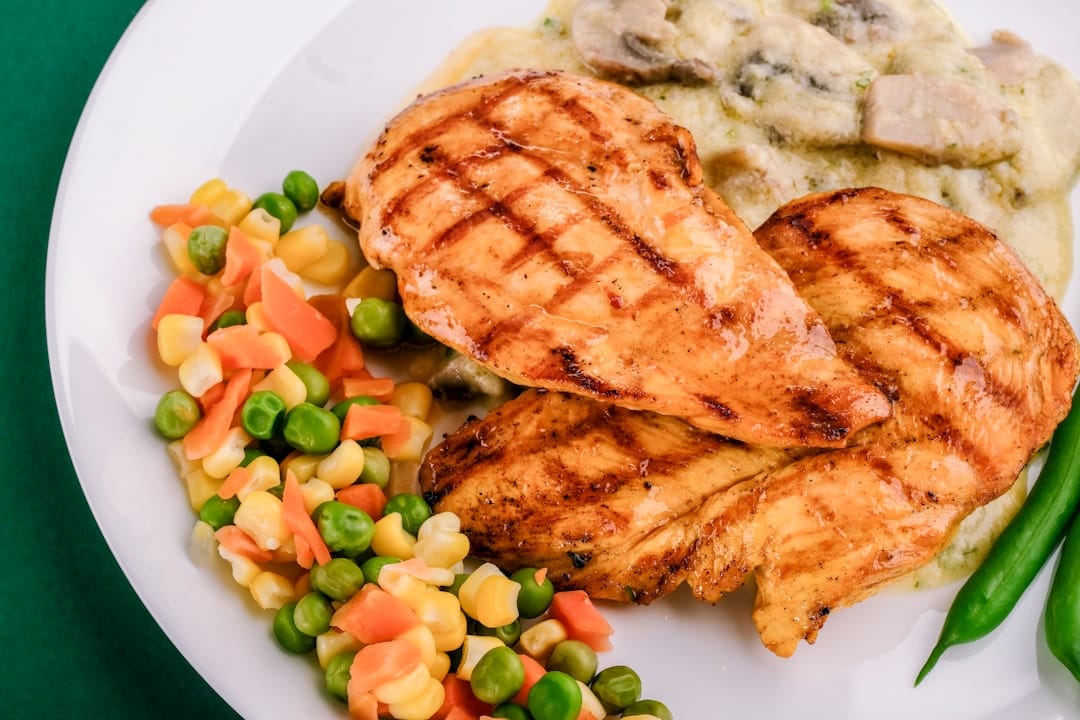
Fruits: Most whole fruits, except banana, cantaloupe, mango, and watermelon
Vegetables: Broccoli, kale, cauliflower, green beans, Brussels sprouts (avoid potato)
Lean proteins: Skinless chicken breast, turkey breast, fish, tofu, egg whites, lean beef and pork
Whole grains: Amaranth, millet, barley, whole-wheat pasta, wheat bread
Fats and oils: Small amounts of cooking oil or cooking spray only
Nuts and seeds: Chia and flax seeds
Non-fat dairy: Skim milk, plain non-fat Greek yogurt, cottage cheese
Zero-calorie sweeteners: Monk fruit and stevia
The Dr. Nowzaradan Diet Plan: Foods To Avoid
High-calorie, high-fat foods: Pizza, fried foods, French fries, burgers, and fast food
Certain proteins: Fried chicken and other breaded, greasy preparations
Sugary drinks and snacks: Soda, juice, sweets, and processed treats
A Sample 3-Day 1,200-Calorie Meal Plan
Use this as a loose template — always follow the specific version your care team provides.
Day 1: Egg-white scramble with spinach (breakfast); grilled chicken breast over steamed broccoli (lunch); baked fish with green beans (dinner).
Day 2: Plain non-fat Greek yogurt with chia seeds (breakfast); turkey breast with cauliflower (lunch); tofu stir-fried with Brussels sprouts (dinner).
Day 3: Cottage cheese with a small portion of whole fruit (breakfast); lean beef with kale (lunch); grilled fish with a side of steamed vegetables (dinner).
Drink water throughout, and skip snacks between these meals.
Downsides of the Dr. Now Diet
The same restriction that drives results also creates risk. At 800–1,200 calories a day, it can be difficult to meet all your nutritional needs, leading to nutrient deficiencies. Prolonged severe calorie cutting may also slow metabolism, and some people experience digestive discomfort or a rebound urge to overeat once restrictions ease.
It’s not suitable for everyone. People with a history of eating disorders and those who are pregnant or breastfeeding should avoid it entirely.
Frequently Asked Questions
Can anyone try the Dr. Now diet to lose weight?
No. It’s specifically designed for people with severe obesity preparing for bariatric surgery, under medical supervision. The extreme calorie limit isn’t appropriate as a general weight-loss method.
How many calories does the plan allow?
Typically between 800 and 1,200 calories per day, spread across two or three meals with no snacking.
Why does the diet emphasize protein and water?
Protein supports fullness and helps preserve muscle during rapid weight loss, while adequate hydration can prevent thirst from being misread as hunger, reducing unnecessary eating.
The Bottom Line
The Dr. Now diet plan is a serious medical intervention, not a trend. By combining a strict calorie ceiling with high-protein, high-fiber, low-carb foods, it aims to produce fast, supervised weight loss for people heading into bariatric surgery — and the payoff can include safer operations and less joint strain. But its severity is also its danger: nutrient gaps, metabolic slowdown, and digestive issues are real possibilities. If you’re considering this path, work closely with doctors and dietitians experienced in bariatric care to build a plan that’s safe for you.
This article is for informational purposes only and is not a substitute for professional medical advice, diagnosis, or treatment. The Dr. Now diet is intended for supervised use in specific medical situations. Always consult a qualified healthcare provider before starting any restrictive diet or making significant changes to your eating habits.