

A practical guide to texture-modified meals that make swallowing safer without making food joyless.
Swallowing is one of those things most of us never think about until it stops working smoothly. Dysphagia, the medical term for difficulty swallowing, can stem from a neurological condition, a structural problem in the throat, or simply the changes that come with age. When it happens, an ordinary bite of food becomes a real hazard, because anything that goes down the wrong way can lead to choking or aspiration (food or liquid slipping into the airway).
The dysphagia diet is the standard answer. It is not about restricting calories or cutting food groups. Instead, it changes how food feels in the mouth, making everything softer, smoother, and moister so it can travel safely from plate to stomach.
Key Takeaways
– The dysphagia diet relies on soft or pureed foods and thickened liquids to make swallowing safer and lower the risk of choking.
– It is organized into levels, from completely smooth purees up to soft, bite-sized pieces, matched to how severe the swallowing difficulty is.
– Ripe fruits, cooked cereals, starches, and thickened drinks generally work well; hard, dry, or spicy foods and alcohol do not.
– Small, frequent meals help people get enough nutrition when eating is slow or tiring.
– A speech-language pathologist or doctor should assess your swallowing and assign the right diet level, often alongside swallowing therapy.
Why Food Texture Matters So Much
For someone with dysphagia, the danger is not the food itself but where it ends up. A dry cracker that crumbles, a piece of steak that needs heavy chewing, or a thin liquid that moves too fast can all end up in the airway instead of the esophagus. Aspiration raises the risk of choking, which is why doctors treat texture modification as a genuine medical intervention, not a comfort measure.
There is a second problem that gets less attention. When eating feels frightening or exhausting, people quietly eat less, and nutrition suffers. A well-designed dysphagia diet keeps meals safe while still offering enough variety that eating stays something to look forward to. Healthcare teams often prescribe it together with swallowing rehabilitation exercises, so the diet supports recovery rather than replacing treatment.
How the Diet Levels Work
 Save
SaveThe diet is built in tiers, and the right one depends on your swallowing ability. A clinician assesses you first, then recommends a level. The goal is always to use the least restrictive texture that is still safe.
Level 1: Smooth and Pureed
 Save
SaveThis level is for severe dysphagia, when chewing and moving food around the mouth is extremely difficult. Everything is blended to a smooth, uniform texture with no lumps. Pureed vegetables, fruits, meats, and even desserts all qualify, and liquids are usually thickened so they move more slowly and predictably.
Level 2: Minced and Moist
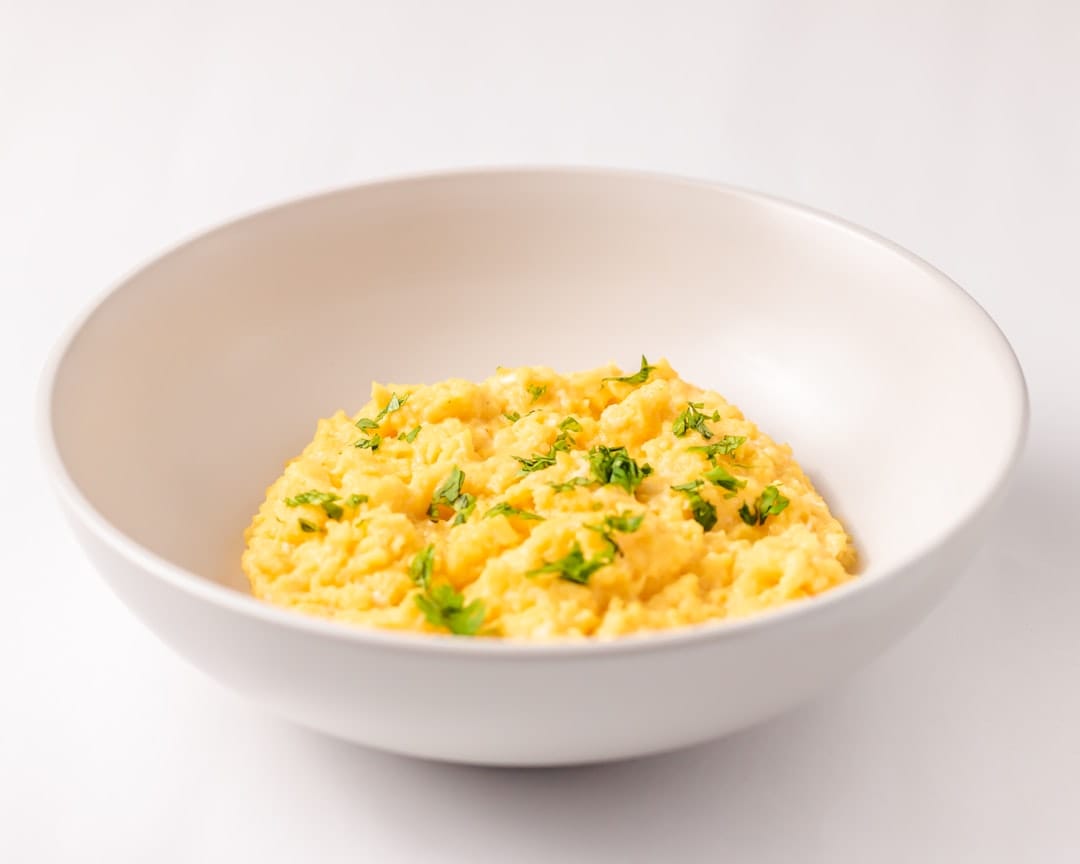
Sometimes called the mechanical soft diet, this middle level suits moderate swallowing difficulty. Foods are soft, moist, and finely minced so they need little chewing and no real biting or grinding. Think scrambled eggs made creamy with milk, mashed potatoes, moist oatmeal, and tender minced meats. Keeping food moist is essential here, since dry textures are what cause trouble.
Level 3: Soft and Bite-Sized
 Save
SaveThe most flexible level works for mild to moderate dysphagia. Food is chopped or diced into small, manageable pieces rather than pureed, which brings back much more variety. Finely diced ripe fruit, cooked grains, and small pieces of tender meat are all typical choices.
Who Decides Which Level You Need
This is not a diet to self-prescribe. Speech-language pathologists carry out a full swallowing assessment and weigh the severity of the dysphagia, your nutritional needs, and your food preferences before recommending a level. Many clinicians follow the International Dysphagia Diet Standardisation Initiative (IDDSI), a framework that standardizes how texture-modified foods and thickened liquids are labeled, so a “pureed” meal means the same thing in every kitchen. Hospitals and care facilities may also have their own protocols, and in some places state health regulations apply, which is why the care team coordinates rather than working from memory.
A Sample Day on the Plan
 Save
SaveHere is what a pureed (Level 1) day might look like, to make this concrete:
Breakfast: pureed scrambled eggs, creamy oatmeal, pureed applesauce, and thickened coffee or tea
Snack: pureed Greek yogurt with pureed banana
Lunch: pureed chicken and vegetable soup, mashed potatoes, pureed green beans, and thickened fruit juice
Snack: pureed vanilla pudding with pureed mixed berries
Dinner: pureed beef stew, mashed sweet potatoes, pureed spinach, and thickened herbal tea
Portions are typically small, about half a cup per item, which brings us to the nutrition question.
Getting Enough Nutrition Without the Struggle
Texture-modified meals can be filling in small amounts yet still fall short on nutrition over a full day. A few habits help. Eat small meals frequently rather than three large ones, since fatigue is a real limit when swallowing takes effort. Prepare foods with cream, cheese, or milk — as in the creamy scrambled eggs on the sample menu — to keep them moist and satisfying. Lean on foods that adapt well, such as ripe fruits, cooked cereals, starches, and thickened liquids.
Some things are best left off the plate entirely. Hard, dry, or crumbly foods are the obvious offenders, and spicy foods and alcohol are also discouraged. One honest downside worth naming, since the diet is often followed long-term: food choices are limited, and that takes some adjustment. Good seasoning, attractive plating, and rotating recipes make more difference than you might expect.
Frequently Asked Questions
Are regular, thin liquids allowed on a dysphagia diet?
Usually not at the stricter levels. Thin liquids move quickly and are easy to aspirate, so water, juice, and coffee are typically thickened to a prescribed consistency. Your clinician will tell you which liquid thickness is safe for you.
How long do people stay on a dysphagia diet?
Often long-term, though it depends on the cause. Some people progress to less restrictive levels as swallowing therapy improves their function, while others stay on modified textures indefinitely, depending on the underlying condition.
Can I prepare dysphagia-friendly meals at home?
Yes. A good blender or food processor handles most of the work, and commercial thickeners take care of drinks. The key is matching your assigned level exactly, keeping foods moist, and checking that purees are truly smooth with no hidden lumps.
The Bottom Line
The dysphagia diet exists to solve one problem well: letting people with swallowing difficulties eat safely and stay nourished. Its levels, from smooth purees to soft bite-sized pieces, are matched to individual ability by a trained clinician, and small adjustments like thickened liquids and frequent mini-meals do a lot of the heavy lifting. The trade-off is reduced variety, but with a little creativity in the kitchen, meals can stay safe and genuinely enjoyable at the same time.
This article is for informational purposes only and is not a substitute for professional medical advice, diagnosis, or treatment. Always consult a qualified healthcare provider, such as a doctor or speech-language pathologist, before starting or changing a dysphagia diet.