

Gentle, kitchen-friendly ways to support your liver while you recover—alongside proper medical care.
Jaundice isn’t a disease on its own. It’s a visible sign—that telltale yellow tint in the skin and the whites of the eyes—that bilirubin, a yellow pigment your body makes when red blood cells break down, has built up in the blood. Because it often points to something happening in the liver, bile ducts, or blood, jaundice always deserves a proper diagnosis.
That said, once you’re under a doctor’s care, several time-honored remedies may help you feel more comfortable and support liver health as you heal. Below, you’ll find simple, food-first approaches worth knowing about—plus honest notes on where the science is strong and where it’s still catching up.
Key Takeaways
– Jaundice is a symptom of raised bilirubin, not a standalone illness—get a medical diagnosis first.
– Sunlight and phototherapy are established tools, especially for newborn jaundice.
– Foods like sugarcane juice, barley water, amla, and probiotic yogurt may support liver function and hydration.
– Many herbal remedies are promising but under-studied, so use them as gentle support, not a cure.
– Avoiding alcohol, processed foods, and dehydration gives your liver the best chance to recover.
Why Sunlight Can Help
Phototherapy—controlled light exposure—is a mainstream treatment for jaundice in infants. Interestingly, some research suggests natural sunlight may be even more effective than clinical phototherapy for lowering bilirubin, potentially several times over, making it a possible alternative light source for newborns. More study is still needed, so any sun exposure for a baby should be brief, gentle, and guided by a healthcare provider.
Drinks That Support the Liver
Sugarcane Juice
 Save
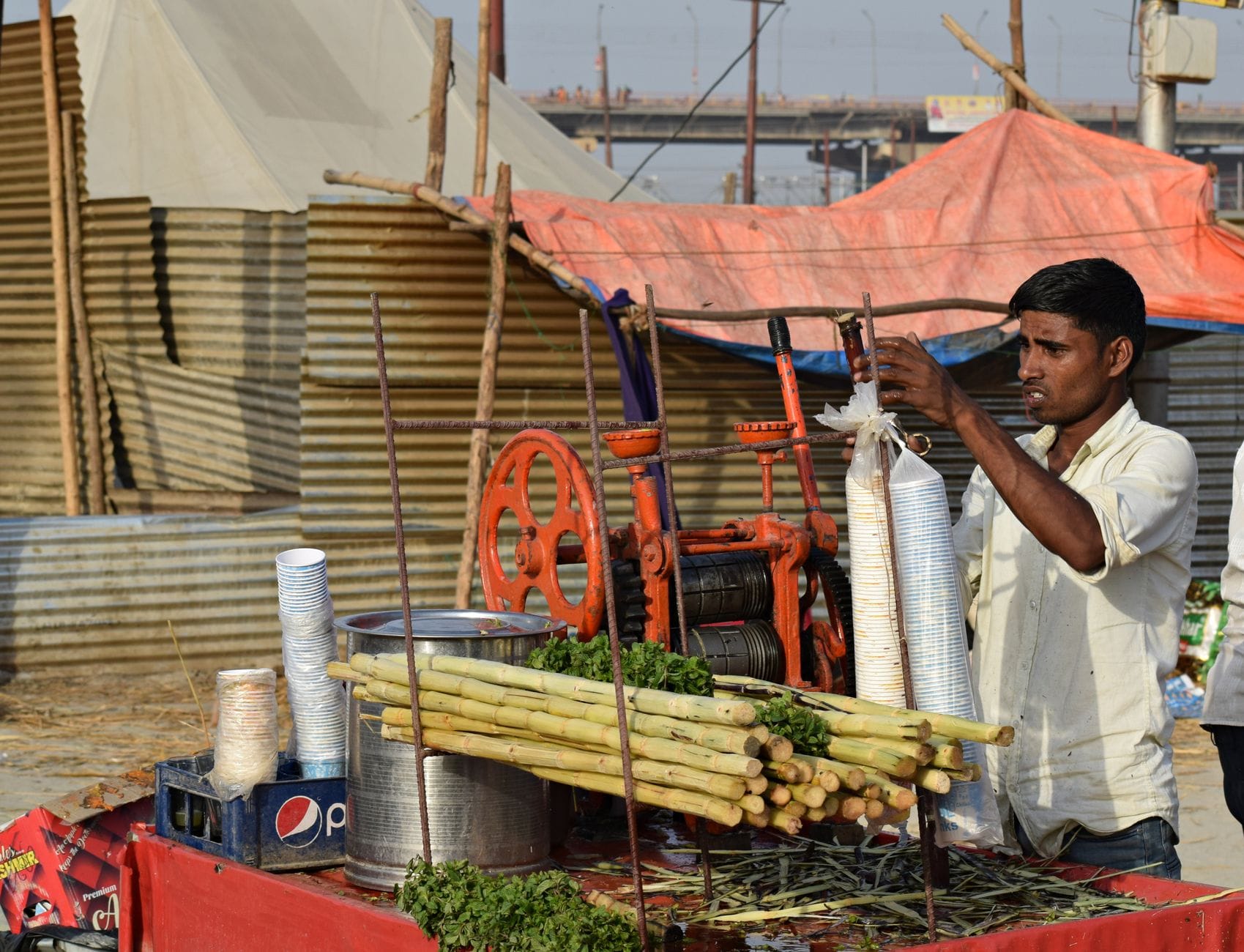
SaveSugarcane juice has been studied for anti-inflammatory, pain-relieving, diuretic, and liver-protective properties. It also hydrates well, which matters when your body is working to clear excess bilirubin. A glass or two a day may help strengthen the liver and ease symptoms—just be sure it’s fresh and hygienically prepared.
Green Grape Juice
Green grapes bring antioxidants and fiber to the table. Together, these may aid digestion and help shield the liver from oxidative stress during metabolism. A cup of fresh green grape juice daily is an easy, refreshing addition, though the direct link to jaundice recovery still needs more research.
Barley Water
Barley is mildly diuretic and rich in antioxidants, a combination that may help flush toxins and bilirubin out through urine. Animal studies also point to improved liver function. Stir a teaspoon of roasted barley powder into a glass of water and sip it through the day.
Lemon in Water
The antioxidants in lemon have shown liver-protective effects in animal studies. Squeeze half a lemon into a glass of water, stir in a little honey, and drink it fresh—up to a few times daily. It’s hydrating, pleasant, and may lend gentle antioxidant support to the liver.
Everyday Foods Worth Adding
Garlic
 Save
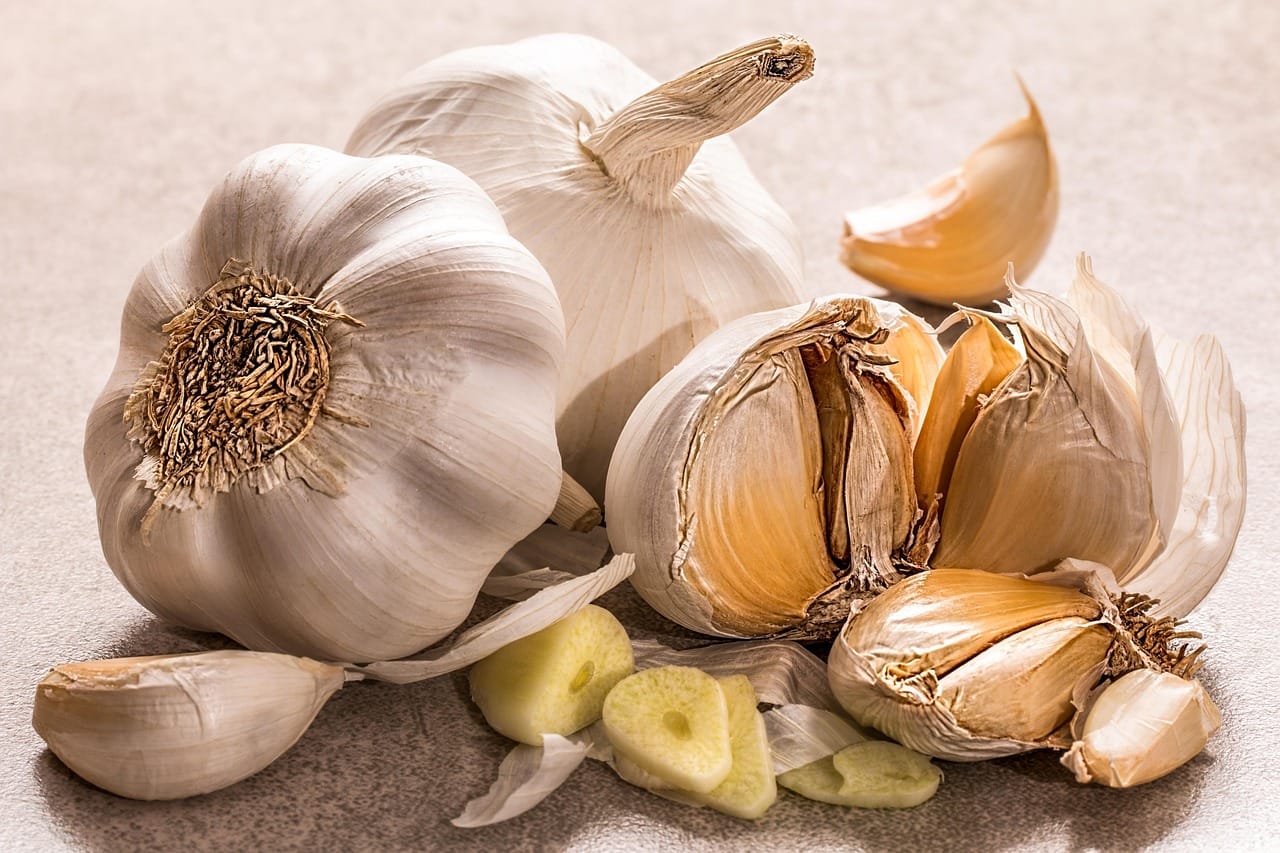
SaveGarlic’s active compound, allicin, is a powerful antioxidant that’s often linked to liver detoxification and faster recovery. Fold three to four minced cloves into your meals each day, or chew them raw if you can handle the intensity. Firm evidence in humans is still limited, so think of it as flavorful support.
Ginger for the Liver
 Save
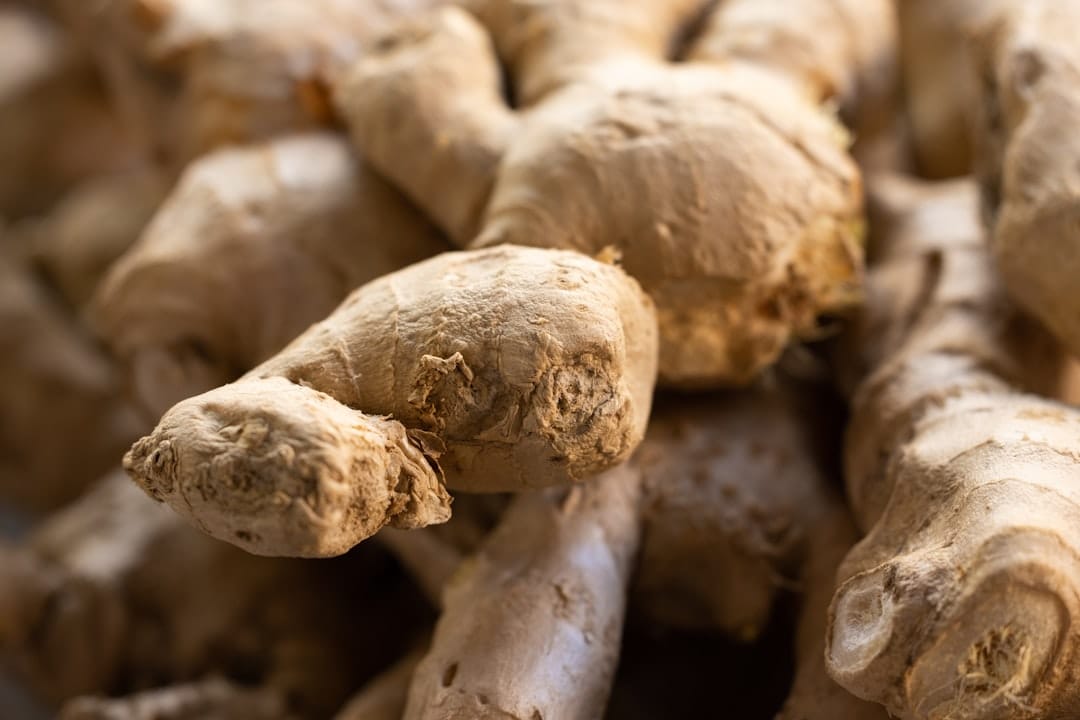
SaveGinger offers strong antioxidant and lipid-lowering properties, and one study found it may reduce the inflammation tied to non-alcoholic fatty liver disease. Simmer an inch or two of fresh ginger in a cup of water, steep for five minutes, strain, and sip warm. Adding ginger to your cooking is an easy alternative.
Tomatoes
Tomatoes are a top source of lycopene, a potent antioxidant that, in animal studies, has shown promise for liver detoxification. Boil a few tomatoes, peel off the skins, blend the flesh back into the cooking water, and drink the juice daily for a couple of weeks.
Amla (Indian Gooseberry)
Amla is famously rich in vitamin C and other nutrients, and Ayurveda has long used it for jaundice thanks to its liver-friendly antioxidants. Boil two or three amlas, mash the pulp into the water, let it cool, and sweeten with a little honey. Enjoy it two to three times a day.
Nutrients and Probiotics
Probiotic Yogurt
 Save
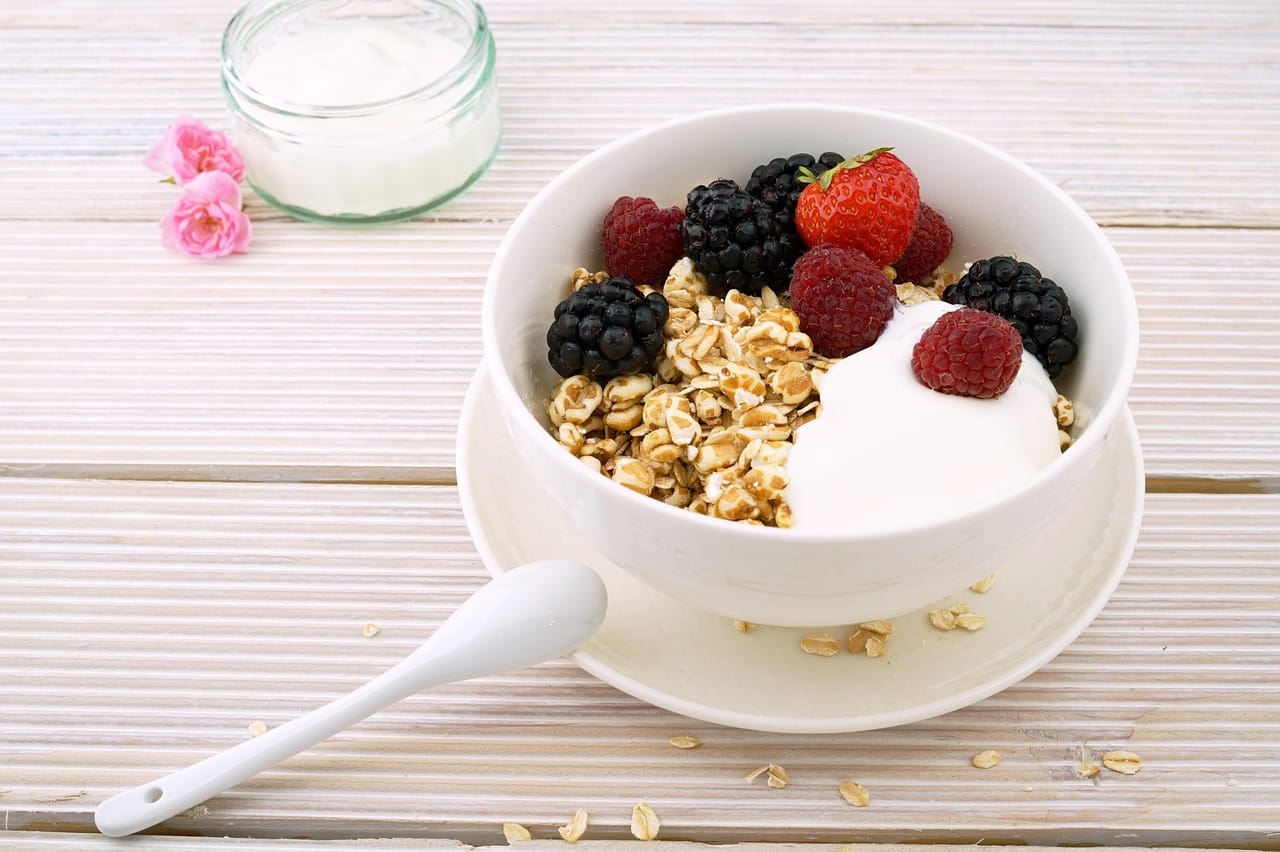
SaveProbiotics may help lower serum bilirubin by balancing the gut’s bacterial colonies. A daily bowl of plain probiotic yogurt is a simple way to nurture that balance. Breastfeeding mothers may also increase their intake to potentially support an infant’s recovery.
Vitamin D
Newborns get little sun exposure and are often low in vitamin D—and research has noted lower vitamin D levels in jaundiced infants compared with unaffected ones. Breastfed babies typically need around 400 IU daily, given as drops or through the mother’s vitamin D–rich diet of eggs, cheese, and fish. Deficient adults may benefit too.
Goat Milk
Goat milk delivers a range of nutrients valuable to both adults and infants, and its antibodies are sometimes said to ease jaundice symptoms. Evidence is thin, though, so check with your doctor before adding a daily cup.
Gentle Topical Support
Rosemary and lemon essential oils have both shown detoxifying, liver-protective, and antioxidant effects in early research. Diluted properly—about 12 drops of essential oil in 30 mL of a carrier such as coconut, jojoba, or olive oil—they can be massaged gently over the abdomen and liver area once a day. Their specific role in jaundice isn’t well studied, so keep expectations modest and never ingest them.
Prevention and Foods to Avoid
Protecting your liver is the best long-term strategy. Stay well hydrated, eat plenty of fruits and vegetables, and limit alcohol, fried and heavily processed foods, and excess sugar. Practicing good food hygiene and staying up to date on relevant vaccinations further lowers your risk.
Frequently Asked Questions
Can home remedies alone cure jaundice?
No. Jaundice is a symptom of an underlying issue, and treating the root cause requires a medical diagnosis. These remedies are supportive measures, not replacements for professional care.
Is sunlight safe for a jaundiced newborn?
Brief, gentle exposure may help, and some studies find it effective, but it should only be done under a healthcare provider’s guidance to avoid overheating or sunburn.
Which foods should I avoid with jaundice?
Steer clear of alcohol, fried and processed foods, and excess sugar, as these add strain to an already stressed liver.
The Bottom Line
Jaundice is your body’s signal that something needs attention, so a proper diagnosis always comes first. Once you’re under medical care, gentle additions like sugarcane juice, barley water, amla, ginger, and probiotic yogurt—along with adequate sunlight and good hydration—may support your liver as it recovers. Pair these habits with a clean, whole-food diet and less alcohol, and you give your body a genuine advantage in healing.
This article is for informational purposes only and is not a substitute for professional medical advice, diagnosis, or treatment. Always consult a qualified healthcare provider before starting any remedy, especially for infants or if symptoms persist or worsen.