

Small, steady choices at the dinner table can help these hardworking organs do their job for years to come.
Your kidneys quietly manage some of the body’s most important housekeeping. They filter out waste and surplus fluid, help steady your blood pressure, and even signal your body to make red blood cells (1). Because kidney disease affects an enormous number of people worldwide, protecting these organs deserves a place on your radar (2).
The good news is that everyday eating habits play a real part. Trading processed, salty, sugar-heavy foods for whole, nourishing ones takes pressure off your kidneys and supports the systems tied to them. Below are kidney-friendly foods worth adding to your plate — along with a few you’ll want to enjoy thoughtfully.
Key Takeaways
– Staying properly hydrated helps your kidneys flush waste, but the right amount is personal — ask your doctor.
– Antioxidant-rich vegetables and berries help fight the free radicals linked to renal stress.
– Omega-3 fats from fatty fish may slow the progression of kidney disease.
– Many “healthy” foods are high in potassium or phosphorus, so people with kidney issues should get individual guidance.
Hydration Comes First
 Save
SaveWater is the simplest kidney support there is. It helps dilute waste and keeps your filtration system moving, which is why staying hydrated matters so much. General guidance points to roughly 8 glasses a day for women and up to 13 for men, but this isn’t one-size-fits-all. Your activity level and kidney health both change the math, so check with your doctor about what’s right for you — more isn’t always better.
Antioxidant-Rich Vegetables
Several everyday vegetables punch above their weight for renal health.
Cabbage and Cauliflower
 Save
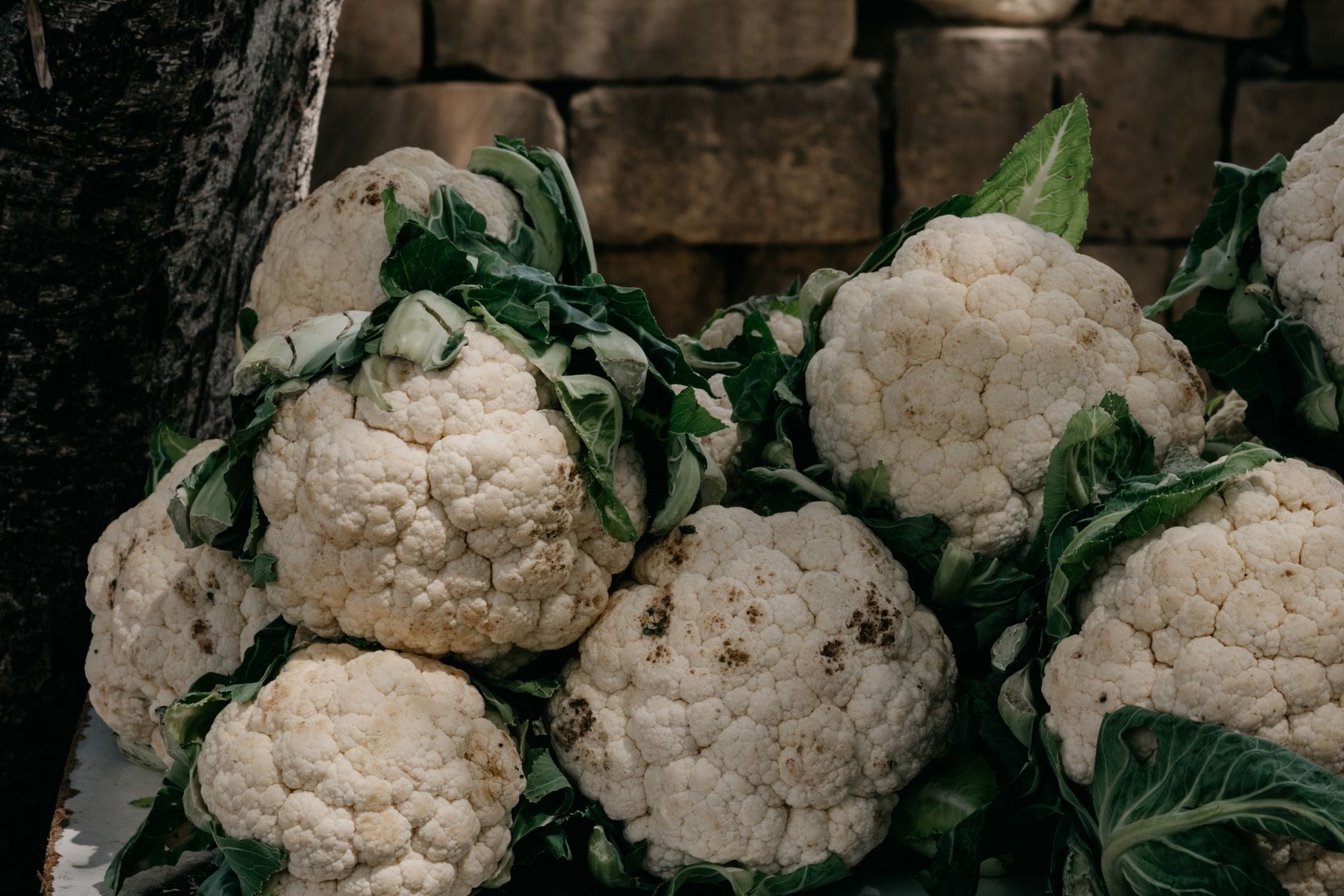
SaveThese cruciferous cousins are packed with vitamins, folate, and fiber while staying gentle on the kidneys. Cabbage delivers plant compounds and antioxidants that help mop up damaging free radicals, which are tied to cancer, heart disease, and kidney trouble. Cauliflower brings vitamin C and compounds that help the body neutralize toxins. Both are versatile — raw, blanched, boiled, or folded into salads.
Red Bell Peppers
Low in potassium yet full of flavor, red bell peppers add vitamins C, B6, and A, plus folate and fiber. They’re also a source of lycopene, an antioxidant studied for protection against certain cancers. Research on pepper varieties from Spain’s Valencian region found notably high lycopene and phenolic levels in red and green peppers alike — a reminder of how much antioxidant value these bright vegetables carry. Try them raw or stirred into a tuna or chicken salad.
Onion and Garlic
This aromatic pair does more than season a dish. Onions supply flavonoids and quercetin, an antioxidant that may lower heart disease and cancer risk, and they stay low in potassium. Onions also contain chromium, which plays a role in metabolizing fats, proteins, and carbohydrates. Garlic, meanwhile, is a longstanding herbal remedy; researchers found that garlic juice combined with metformin showed kidney-protective effects in studies related to type 2 diabetes (4).
Asparagus
Low in calories and rich in vitamins A, K, and C, asparagus has been shown to help preserve kidney function in hypertensive rats (3). One caveat: it runs higher in potassium, calcium, and phosphorus, so anyone with kidney concerns should check with a doctor before making it a staple.
Fatty Fish and Omega-3s
 Save
SaveFatty fish is an excellent source of high-quality protein and polyunsaturated fats, including omega-3s. These fats calm inflammation, scavenge free radicals, support the heart, and help lower LDL cholesterol. Encouragingly, research suggests that fish-derived omega-3s may slow the progression of kidney disease (7). Studies also note that fish choice matters — options like yellowtail snapper, broomtail grouper, and southern flounder are preferable to certain other species (8).
Fruits That Fight Inflammation
Fruit brings fiber, vitamins, and a wave of protective plant compounds.
Apples offer anti-inflammatory and antioxidant benefits that help lower bad cholesterol and reduce the risk of heart disease and diabetes (5). Since diabetes closely ties to kidney failure, apples are a smart, easy choice.
Cranberries act as a natural antibacterial and are a familiar remedy for urinary tract infections. Research suggests they may even help address calcium oxalate kidney stones (6). Choose fresh, and don’t overdo it.
Raspberries contain ellagic acid and anthocyanins that neutralize free radicals, and they’ve been recommended for people with kidney disease (10).
Lemon juice, with its vitamin C and citric acid, helps maintain internal pH and may support kidney health. Dilute it in water and skip the refined sugar.
Seeds and Sweet Potatoes
 Save
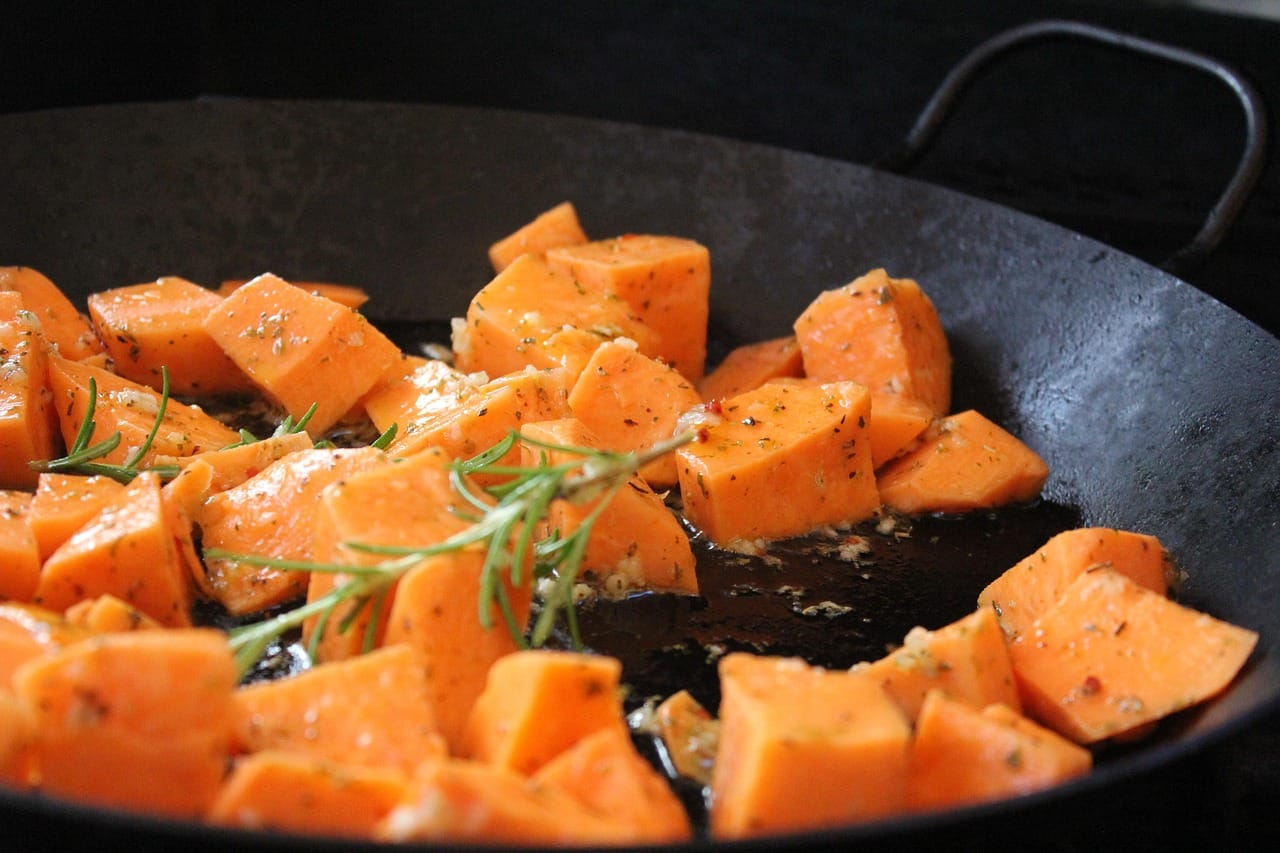
SavePumpkin seeds deliver fiber, vitamin E, zinc, protein, copper, and iron, and have been linked to a lower risk of bladder stones (9). Because they’re high in phosphorus and can raise potassium, talk to your doctor first if you have renal issues. Purple sweet potato is worth a look too, since kidney trouble is tightly connected to diabetes and obesity, and better food choices help break that chain.
Foods to Approach with Care
Kidney-friendly eating isn’t only about what you add. Foods rich in potassium and phosphorus — including asparagus, pumpkin seeds, and some seemingly healthy staples — can burden compromised kidneys. If you already have kidney disease, personalized limits matter far more than general rules, so make your doctor or a renal dietitian your first stop.
Frequently Asked Questions
What foods help repair the kidneys?
No single food “repairs” kidneys, but antioxidant-rich vegetables, berries, apples, and omega-3-rich fish support their function and help protect them from further strain.
Can drinking more water flush toxins from my kidneys?
Adequate hydration helps your kidneys clear waste, but drinking excessively can actually overwork them. Aim for the amount your doctor recommends for your body and condition.
Are all healthy foods safe for people with kidney disease?
Not necessarily. Nutritious foods like asparagus and pumpkin seeds can be high in potassium or phosphorus, which some kidney patients must limit. Individual guidance is essential.
The Bottom Line
Your kidneys respond to the everyday choices you make. Leaning into water, colorful vegetables, antioxidant-packed berries, and omega-3-rich fish gives them steady support, while cutting back on processed and salty foods lightens their load. Just remember that “healthy” is personal — several kidney-friendly foods carry minerals that need watching if your kidneys are already under strain. When in doubt, let your doctor help you build a plan that fits.
This article is for informational purposes only and is not a substitute for professional medical advice. Always consult your doctor or a qualified healthcare provider before making changes to your diet, especially if you have kidney disease or another health condition.