
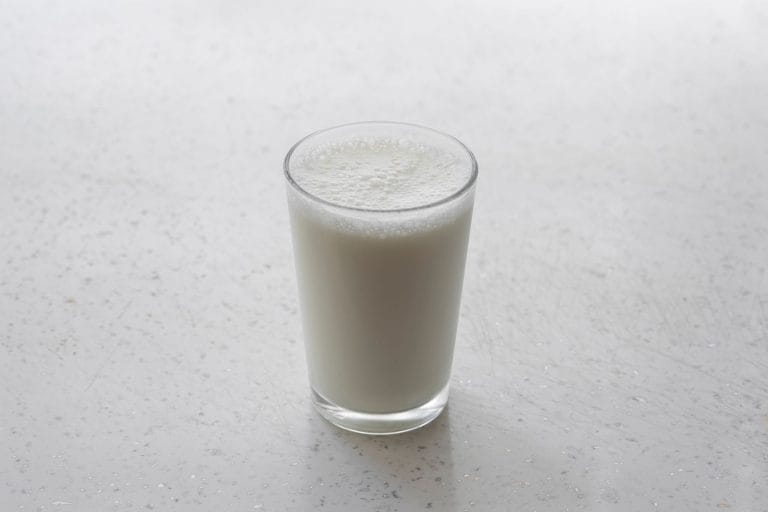
A creamy, nutty dairy alternative that brings omega fats, plant protein, and a surprising nutrient list to your glass.
Hemp milk has quietly earned a spot on the crowded shelf of plant-based drinks, and it deserves the attention. Pressed from the seeds of the hemp plant, it pours out creamy with an earthy, slightly nutty taste and carries fewer calories than several other milk alternatives. What makes it interesting is the nutrient mix packed into that seed: essential fatty acids, all nine essential amino acids, and a fortified dose of vitamins and minerals that support your heart, bones, and skin.
If you avoid dairy, follow a vegan diet, or simply want variety in your morning cup, hemp milk is worth understanding. Below you’ll find what the research actually supports, who should be a little cautious, and how simple it is to make a batch in your own kitchen.
Key Takeaways
– Hemp milk delivers complete protein, supplying all nine essential amino acids your body can’t make on its own.
– Its omega-3 and omega-6 fatty acids may help lower cholesterol and support heart health.
– Commercial hemp milk is usually fortified with vitamin B12 and calcium, aiding nerves, blood, and bones.
– It’s naturally free of gluten, soy, and lactose, making it a friendly choice for vegans and dairy-avoiders.
– Some people may react to hemp seeds, and it can affect potassium levels, so introduce it gradually.
What Exactly Is Hemp Milk?
Hemp milk comes from the seeds of Cannabis sativa, the same plant species that raises eyebrows at the mention of cannabis. The distinction matters and it’s a clean one. Hemp is legally defined as a cannabis plant with 0.3 percent or less THC, the compound responsible for a high, while marijuana contains more than that. In practice, hemp milk won’t affect you the way marijuana does. What you get instead is a mild, creamy drink with a nutty, earthy flavor.
The nutritional makeup lines up fairly closely with other dairy-free milks, though it stands apart in a few respects worth a closer look.
What’s Inside a Glass
According to a board-certified dermatologist cited in the source material, one cup (250 g) of original hemp milk contains roughly:
Calories — 130
Protein — 4 g
Fat — 3 g
Carbohydrates — 20 g
Fiber — 1 g
Sugar — 15 g
Beyond the basics, hemp milk supplies vitamin A, vitamin D, vitamin B12, phosphorus, and zinc. Because hemp seeds are naturally rich in omega-3 and omega-6 fatty acids, the milk carries those along too. Many commercial versions cover about 30 percent of your recommended daily vitamin D, plus a useful amount of calcium and iron.
Complete Protein From a Plant
Protein is built from 20 amino acids, and nine of them are considered essential because your body has no way to manufacture them. You have to eat them. Most plant foods fall short on at least one, which is why complete plant proteins get singled out. Hemp seed extract contains all nine, making it a genuine complete protein source. That’s a meaningful edge for anyone eating less meat and dairy who still wants to cover their amino acid bases.
A Friend to Your Heart and Cholesterol
 Save
The fats in hemp milk are the kind cardiologists tend to like. Linoleic acid (an omega-6) and alpha-linolenic acid (an omega-3) are unsaturated fats, and replacing saturated fat with them is one of the more reliable ways to nudge cholesterol down. The same principle sits behind the heart-friendly fats in peanut oil, and it applies here.
Hemp’s ratio of linoleic to alpha-linolenic acid sits between 2:1 and 3:1, a balance often described as ideal for a healthy diet. The seeds also contain arginine, an amino acid the body uses to make nitric oxide, which helps keep blood vessels relaxed and circulation smooth. Research suggests arginine-rich foods may lower C-reactive protein, a marker of inflammation tied to cardiovascular disease. In one study, a diet high in linoleic acid dropped total cholesterol by 15 percent and LDL cholesterol by 22 percent in middle-aged men. None of this makes hemp milk a medication, but the direction is encouraging.
Fortified Against B12 Deficiency
Most hemp milk sold in stores is fortified with vitamin B12, and that’s genuinely useful, especially if you skip animal products, the main natural source of this vitamin. Adequate B12 helps your body keep healthy platelet, red, and white blood cell counts, and it guards against megaloblastic anemia, a fatigued, pale-skinned condition caused by large, malformed red blood cells.
The stakes go beyond tiredness. B12 supports the nervous system, and a shortfall can lead to numbness or loss of sensation in the hands and feet, sometimes with no obvious warning signs until damage is done. A fortified glass is a low-effort way to help keep levels topped up.
Building Stronger Bones
 Save
Calcium does far more than harden bone. It supports teeth and muscle, helps blood move through vessels, and enables the release of hormones and enzymes involved in nearly every bodily process. The catch is that national nutrition surveys keep finding most people don’t get enough of it.
Fortified hemp milk helps close that gap, and its calcium may lower the risk of osteoporosis, the bone-thinning condition behind so many fractures later in life. If you’re building a bone-friendly routine, it pairs well with other calcium-rich plant foods, much like the calcium and healthy fats packed into sesame seeds. Variety, here, works in your favor.
Support for Healthier Skin
 Save
The omega-3 and omega-6 fats in hemp milk feed the skin’s immune response from the inside. These unsaturated fats have shown promise as supportive treatments for skin conditions ranging from atopic dermatitis and psoriasis to acne, and they appear to help wounds heal. The skin’s outer layer actively metabolizes polyunsaturated fats, and a shortage of omega-6 can leave skin scaly and prone to water loss. Omega-3s, meanwhile, offer a measure of protection against UV-related skin damage. It’s a quieter benefit than the heart or bone story, but a real one.
Who Should Be Careful
Hemp-based foods are often described as less allergenic than other edible seeds, though the evidence behind that claim is still thin. As with any food, some people can react to hemp seeds with hives or a skin rash, so it’s smart to start small. Hemp milk may also lower potassium in some individuals, which is worth keeping in mind if you monitor that for medical reasons.
The reassuring part is that hemp milk is soy-free, gluten-free, and lactose-free, which makes it a workable pick for most people who avoid dairy or eat vegan. If you have a known seed allergy, talk to your doctor before adding it.
Making It at Home
 Save
One of the nicest things about hemp milk is how little it asks of you. Blend about a cup of hemp seeds with three to four cups of water until smooth, then strain if you want it thinner (many people skip straining, since hemp seeds break down well). From there you can sweeten it with a date, a splash of maple, or a pinch of salt, and season it however you like. Making it yourself means full control over the sugar, which matters given that store versions can carry a fair amount.
For a warming twist, blend it with spices the way you might a soothing mug of turmeric milk at night. It also works poured over oats, stirred into coffee, or blended into a smoothie.
Frequently Asked Questions
Does hemp milk contain THC or make you high?
No. Hemp is legally limited to 0.3 percent THC or less, and hemp milk won’t produce any intoxicating effect. It’s simply a seed-based drink.
How much hemp milk can I drink in a day?
About one cup daily is a reasonable amount for most people. If you’re new to it, start with less and see how your body responds, particularly if you have a history of seed allergies.
Is hemp milk good for people who are lactose intolerant?
Yes. It’s naturally free of lactose, as well as soy and gluten, so it suits people who can’t tolerate dairy and those following a vegan diet.
The Bottom Line
Hemp milk brings a genuinely useful profile to the plant-milk aisle: complete protein, a favorable balance of omega fats, and fortification that supports your heart, bones, nerves, and skin. It’s light on calories, easy to make at home, and friendly to most dietary restrictions. It isn’t a cure for anything, and a small number of people may react to it, but as a versatile everyday swap it holds up well. Try a glass, watch how you feel, and adjust the sweetness to taste.
This article is for informational purposes only and is not a substitute for professional medical advice. Talk to your doctor or a registered dietitian before making significant changes to your diet, especially if you have allergies or an existing health condition.