
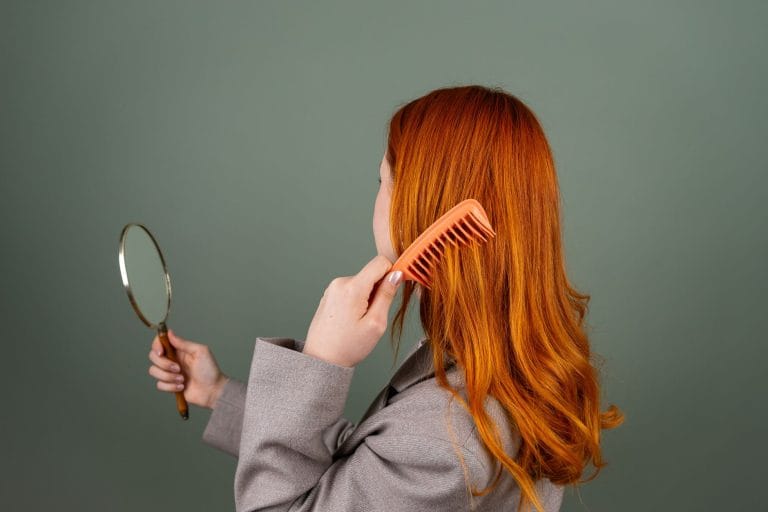
Understand what’s behind your shedding — then treat it gently, from your kitchen shelf.
Finding strands on your pillow, in the shower drain, or wrapped around your brush can feel unsettling — especially when it keeps happening. Hair fall has become remarkably common, driven by everything from genetics to the daily stress we put our hair through with dyeing, heat styling, and harsh products. The good news is that mild, everyday shedding often responds well to gentle, natural care.
Before you reach for chemical treatments or supplements, it helps to understand why your hair is thinning. Below, we’ll walk through the common causes, the signs worth watching, and eleven simple remedies you can try at home.
Key Takeaways
– Hair fall can stem from genetics, hormonal shifts, poor nutrition, stress, and rough styling habits.
– Medical options like minoxidil and hair transplants exist, but they can carry side effects and costs.
– Deficiencies in vitamins H (biotin), D, and E are linked to hair loss.
– Kitchen staples such as coconut oil, amla, yogurt, and fenugreek may help manage shedding.
– Handling hair gently and avoiding harsh products is one of the simplest ways to protect it.
What Triggers Hair Fall?
Losing some hair every day is normal, but persistent, heavy shedding can eventually lead to visible thinning or bald patches. While hair loss usually shows up on the scalp, in some people it affects the whole body.
Common triggers include:
Genetics — male-pattern or female-pattern baldness that runs in families
Hormonal changes — from pregnancy, childbirth, menopause, or thyroid issues
Medical conditions — such as alopecia areata, ringworm, or hair-pulling disorder
Medications — including those for cancer, arthritis, heart disease, high blood pressure, and gout
Radiation therapy
Tight hairstyles and heat styling — blow drying, curling, and permanent straightening
Poor nutrition — especially low-protein or crash diets that starve your follicles
Certain factors raise your risk further, including advancing age, high stress levels, significant weight loss, and conditions like diabetes and lupus.
Signs You Shouldn’t Ignore
Hair loss can look different from person to person. Watch for:
Gradual thinning across the top of the head
Circular or patchy bald spots
Hair that loosens easily
Shedding across the whole body
Scaly patches on the scalp
If your shedding is sudden or severe, a doctor may run a blood test, a gentle pull test, a scalp biopsy, or examine trimmed hairs under a microscope to pinpoint the cause.
When to Consider Medical Treatment
For more advanced hair loss, options include medications like minoxidil (approved for men and women) and finasteride (for men), hair transplant surgery, and laser therapy to boost density. These can work, but hereditary loss often recurs, and treatments may bring side effects — reduced libido, scalp irritation, scarring, or a hefty price tag. For mild hair fall, gentler natural approaches are a sensible first step.
11 Home Remedies to Control Hair Fall
1. Feed Your Follicles with the Right Vitamins
Deficiencies in vitamins H (biotin), D, and E are associated with hair loss, and correcting them may help restore growth. Just don’t overdo it — excess vitamins A, D, or E can actually trigger shedding, so stick to recommended amounts.
2. Coconut Oil
 Save
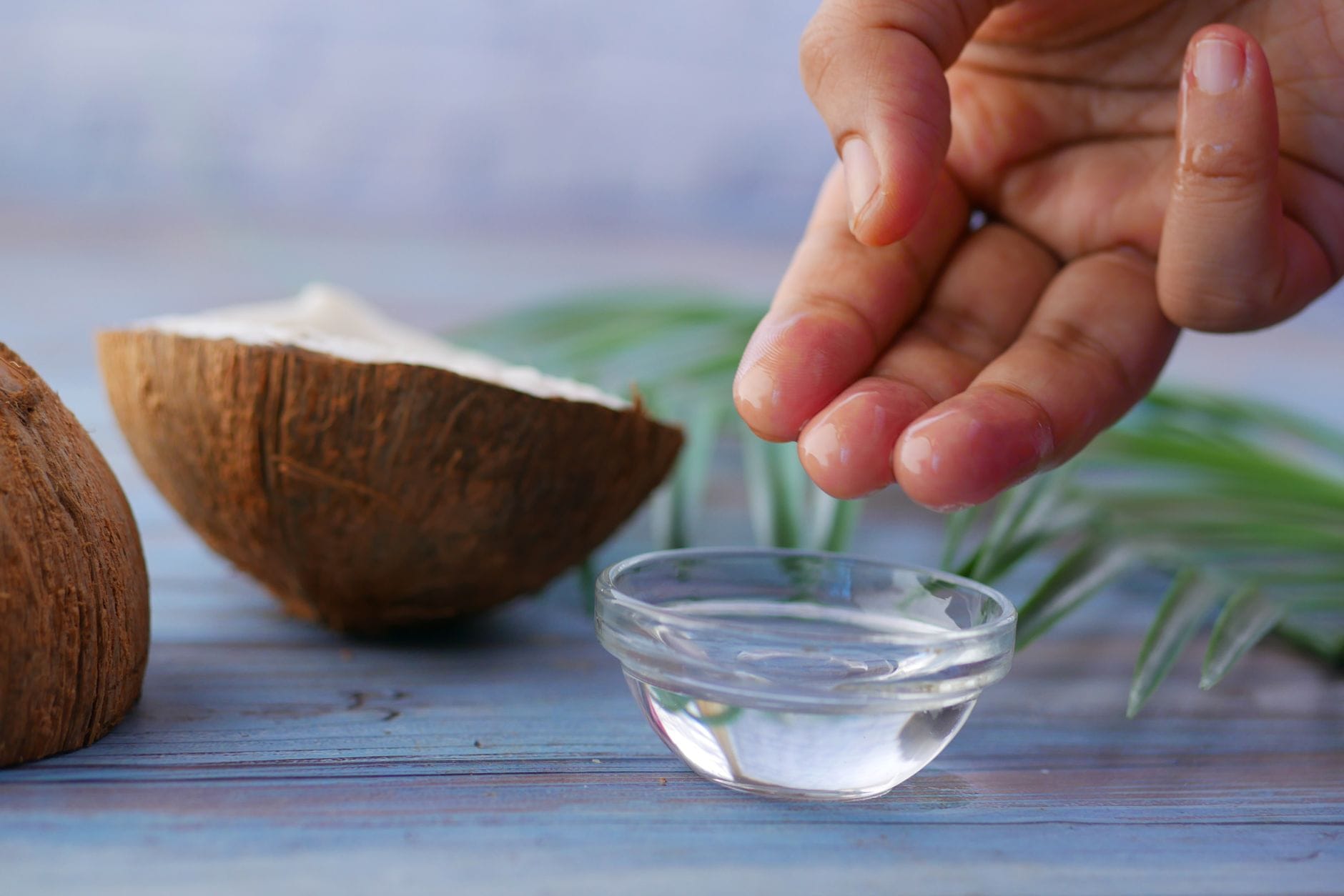
SaveVirgin coconut oil is a standout remedy because it penetrates deep into the hair shaft and helps prevent protein loss. That means less breakage from styling and harsh products. Massage 1–2 tablespoons gently into your scalp and hair, leave it on for at least an hour, then rinse with a mild cleanser and condition. Repeat about twice a week.
3. Amla (Indian Gooseberry)
 Save
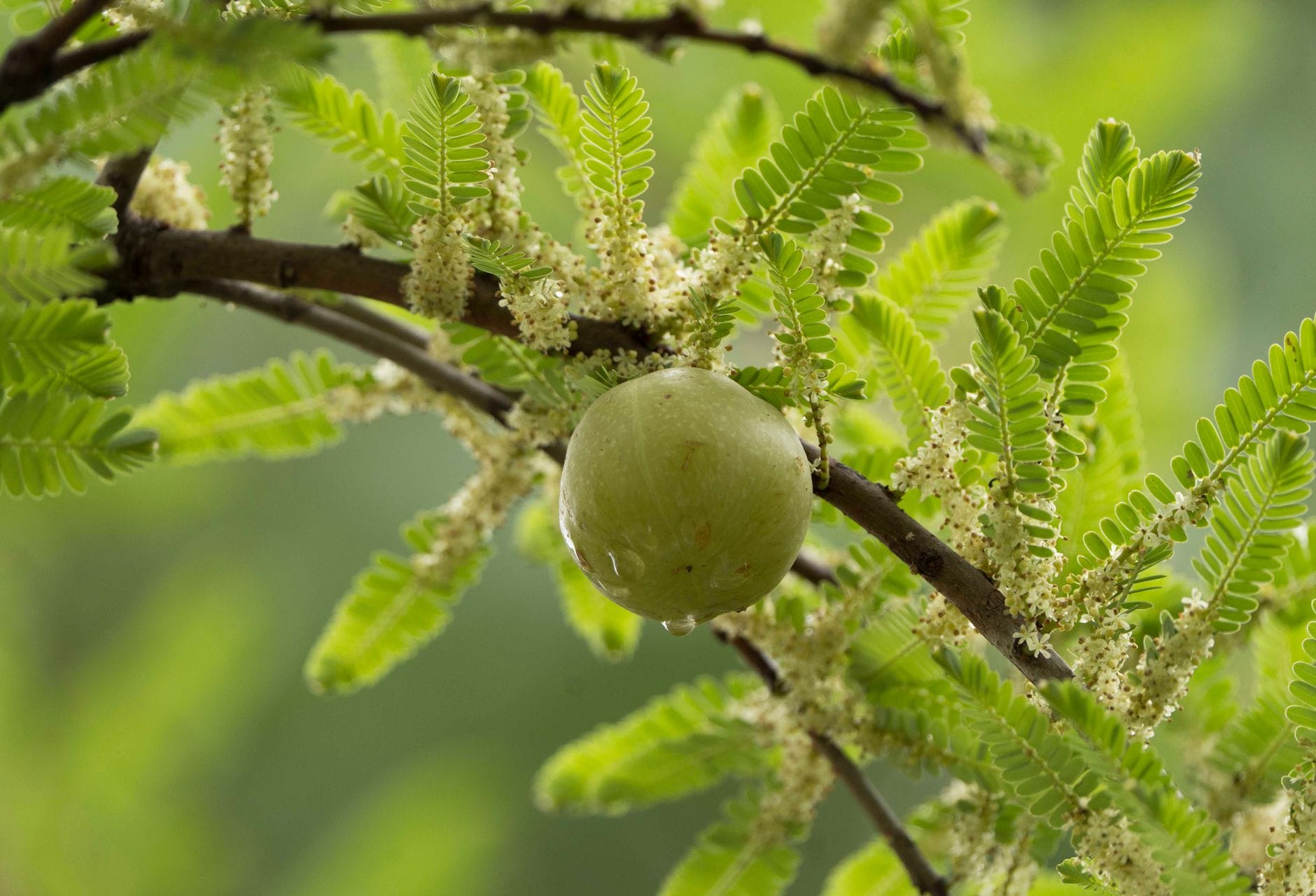
SaveA staple of traditional Indian hair care, amla supports the dermal papilla cells at the base of your follicles, encouraging the growth cycle. Apply fresh amla juice to your scalp, leave it for 30 minutes, then rinse and condition. Use it once or twice a week.
4. Yogurt
Yogurt is rich in probiotics, which create an acidic pH that smooths the hair cuticle for shinier, less breakage-prone strands. Simply enjoy a bowl of probiotic yogurt once a day.
5. Methi (Fenugreek)
 Save
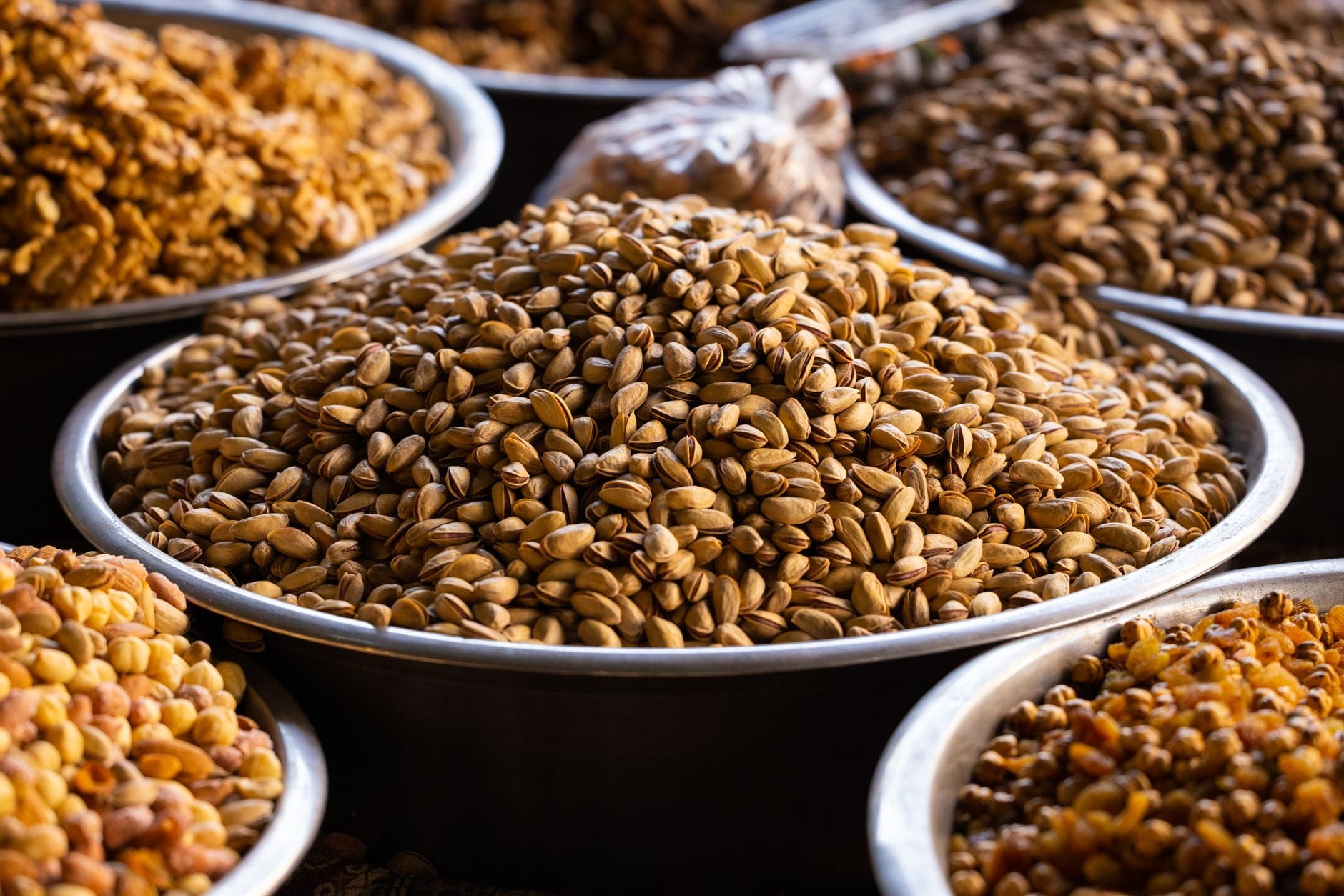
SaveFenugreek is one of the most respected herbs for hair health. It’s been shown to reduce shedding while stimulating new growth. Soak half a cup of seeds overnight, grind them into a paste, and apply it to your scalp and hair before rinsing it out.
More Kitchen Allies
Beyond these, gentle scalp massage with oils, protein-rich foods, and mindful handling round out a routine that supports stronger hair over time.
Eat Your Way to Stronger Hair
 Save
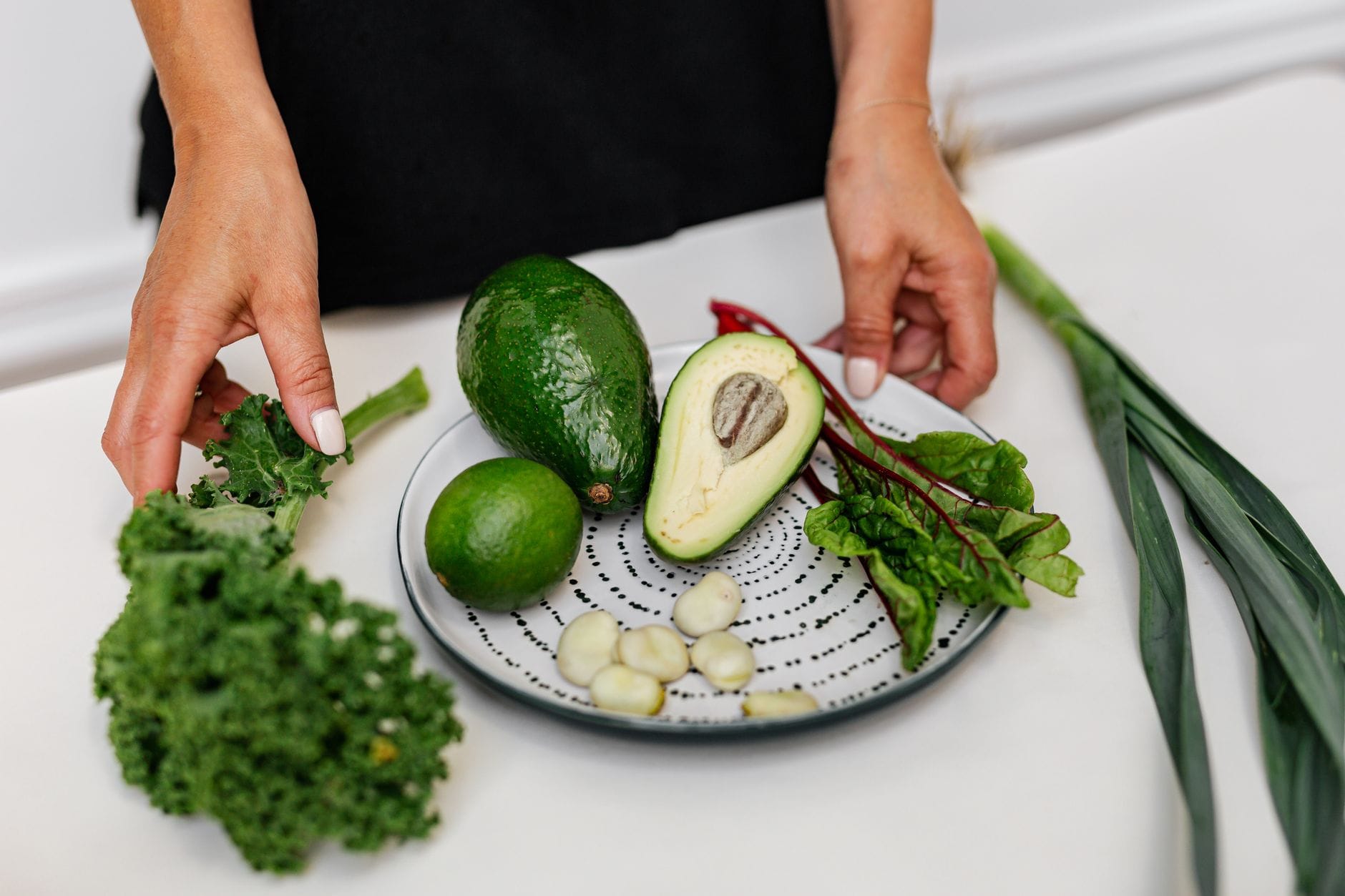
SaveYour follicles need fuel. Prioritize adequate protein, since low intake makes it hard for the body to build healthy strands. Round out your plate with vitamin-rich fruits and vegetables, and consider probiotic foods like yogurt to support overall hair quality.
Everyday Habits That Prevent Hair Fall
Handle your hair gently, especially when wet
Loosen tight ponytails, buns, and braids
Cut back on heat styling and harsh chemical treatments
Manage stress through sleep, movement, and downtime
Eat a balanced, protein-forward diet
Frequently Asked Questions
Can hair loss be reversed?
It depends on the cause. Shedding from stress, nutrient gaps, or rough styling often improves once the trigger is addressed. Hereditary loss is harder to reverse and tends to recur.
Are supplements safe for hair fall?
Correcting a genuine deficiency can help, but over-supplementing vitamins A, D, and E may worsen hair loss. Talk to your doctor before starting anything new.
How long before home remedies show results?
Hair grows slowly, so give any routine at least a few months of consistent use before judging its effects.
The Bottom Line
Hair fall can feel discouraging, but for mild, everyday shedding you have plenty of gentle options. Understanding your trigger — whether it’s diet, stress, hormones, or styling — is the first step. Pair that awareness with nourishing remedies like coconut oil, amla, yogurt, and fenugreek, a protein-rich diet, and kinder daily habits, and you give your hair its best chance to stay strong. If shedding is sudden or severe, see a professional.
This article is for informational purposes only and is not a substitute for professional medical advice. Always consult a qualified healthcare provider before making changes to your health, diet, or hair-care routine.