

It’s not a diet so much as a schedule — here’s how cycling between eating and fasting windows works, and how to start safely.
Intermittent fasting (IF) has become one of the most talked-about approaches to weight loss and health — and unlike most diets, it focuses on when you eat rather than what. By alternating periods of eating and fasting, many people find it an easy, flexible way to cut calories without counting every one. But it isn’t right for everyone, and starting well makes all the difference.
Here’s a plain-English guide to how it works, the main methods, and what to keep in mind.
What Is Intermittent Fasting?
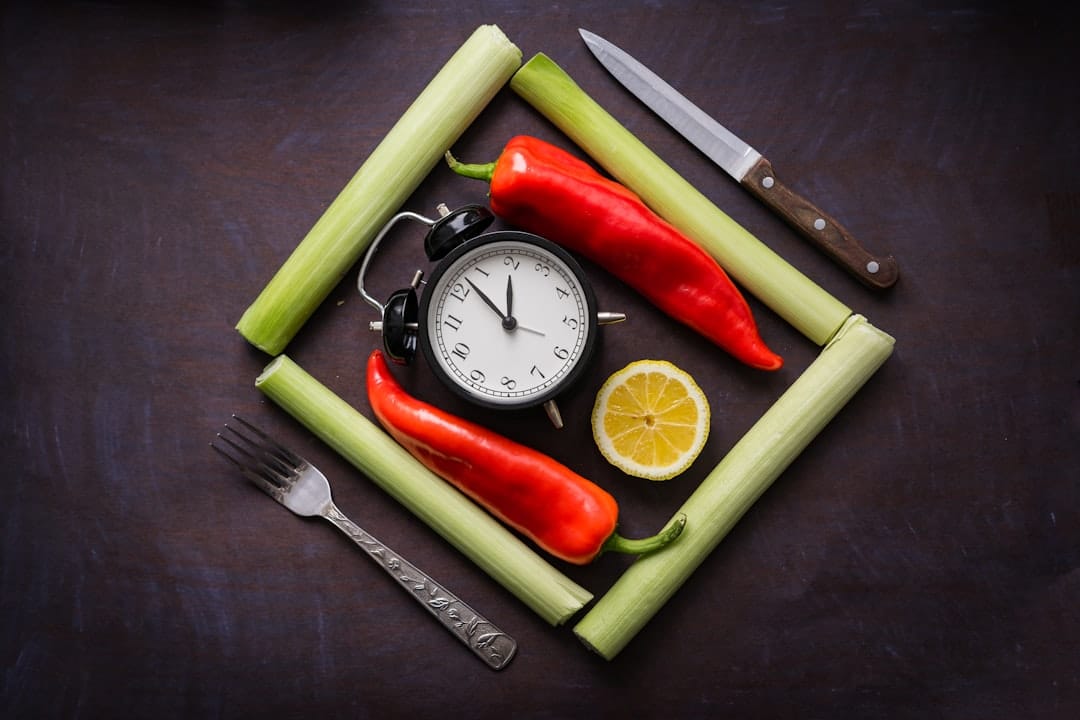
Intermittent fasting is an eating pattern that cycles between periods of eating and voluntary fasting. During the fasting window you take in few or no calories; during the eating window you eat normally. The idea is that giving your body extended breaks from food lets insulin levels fall and encourages it to burn stored fat for energy (1), (2).
Key Takeaways
– It’s about timing, not food rules — you cycle between eating and fasting windows.
– Several methods exist — from the popular 16:8 to alternate-day fasting.
– It can support weight loss by naturally reducing calorie intake (1).
– It’s not for everyone — skip it if you’re pregnant, underweight, or have certain health conditions.
6 Popular Ways to Do It
 Save
Save16/8 method — fast for 16 hours and eat within an 8-hour window (e.g., noon to 8 p.m.). The most beginner-friendly option.
14/10 method — a gentler version with a 10-hour eating window, good for easing in.
5:2 diet — eat normally five days a week and limit calories (around 500–600) on two non-consecutive days.
Eat-stop-eat — a full 24-hour fast once or twice a week.
Alternate-day fasting — alternate between normal eating days and very-low-calorie fasting days.
The warrior diet — eat little during the day and one large meal at night within a short window.
Beginners usually do best starting with 14/10 or 16/8 and adjusting from there.
What to Eat
 Save
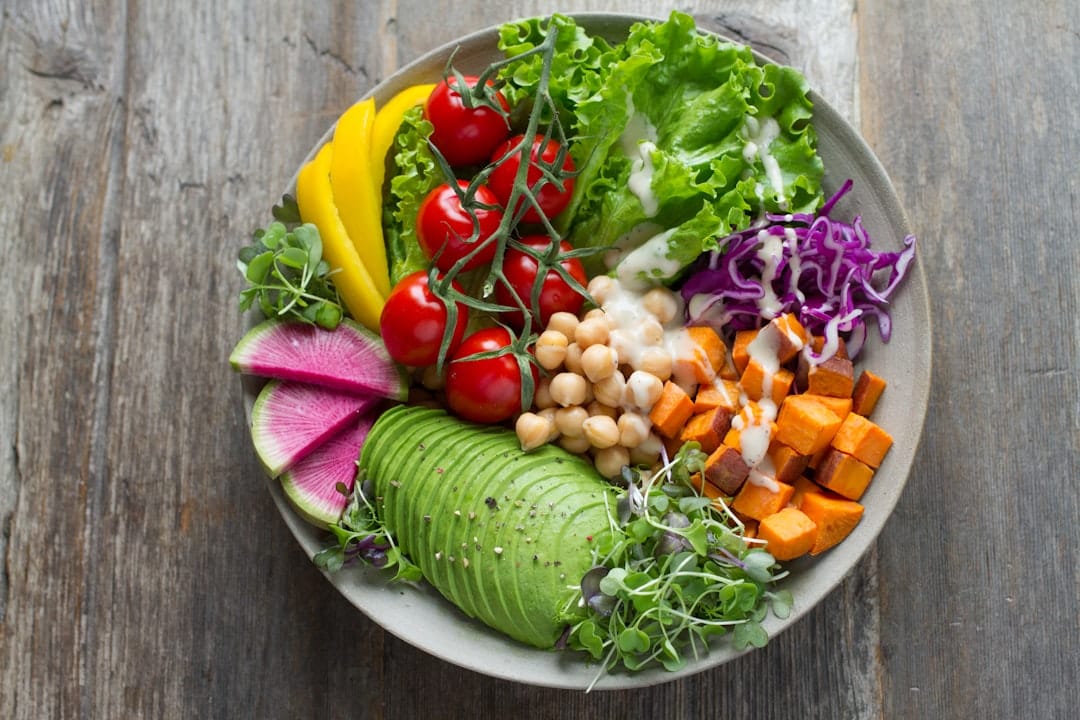
SaveFasting isn’t a license to eat anything during your window. To feel good and see results, build meals around:
Lean protein — eggs, chicken, fish, legumes, and dairy to preserve muscle and keep you full.
Whole grains and fiber — oats, brown rice, and vegetables for steady energy.
Healthy fats — nuts, seeds, avocado, and olive oil.
Plenty of water — and unsweetened tea or black coffee, which are fine during the fast.
Avoid using your eating window for ultra-processed foods and sugary drinks, which undo much of the benefit.
Does It Work for Weight Loss?
 Save
SaveFor many people, yes. By shrinking the hours in which you eat, intermittent fasting tends to reduce overall calorie intake, and studies have found it can be as effective as continuous calorie restriction for weight loss (1), (2). It may also improve how your body responds to insulin. The best approach, though, is the one you can stick with consistently.
Health Benefits
 Save
SaveBeyond weight, research suggests intermittent fasting may support better blood sugar control, heart-health markers, and cellular repair processes (1), (2). It’s also simply convenient — fewer meals to plan and prepare. That said, much of the strongest evidence is still emerging, so think of these as promising rather than guaranteed.
Who Should Avoid It
Intermittent fasting isn’t appropriate for everyone. Skip it, or talk to your doctor first, if you:
Are pregnant or breastfeeding
Are underweight or have a history of disordered eating
Have diabetes or take medication that affects blood sugar
Are a child or teenager
Common early side effects — hunger, irritability, headaches, and low energy — usually settle as your body adjusts.
Frequently Asked Questions
Can I drink coffee while fasting?
Yes — black coffee, plain tea, and water don’t break a fast. Skip the sugar, milk, and cream.
Will I lose muscle?
Not necessarily. Eating enough protein and staying active (including resistance training) helps preserve muscle.
How long until I see results?
Many people notice changes within a few weeks, but it varies with your eating window, food choices, and activity.
The Bottom Line
Intermittent fasting is a flexible, low-fuss way to manage your weight and may bring extra health perks. Start gently with a 14/10 or 16/8 window, fill your eating periods with whole, protein-rich foods, and stay hydrated. It’s not for everyone, so if you’re pregnant, managing a health condition, or unsure, check with your doctor before you begin.
This article is for general informational purposes only and isn’t a substitute for professional medical advice, diagnosis, or treatment. Consult a qualified healthcare provider before starting intermittent fasting.