
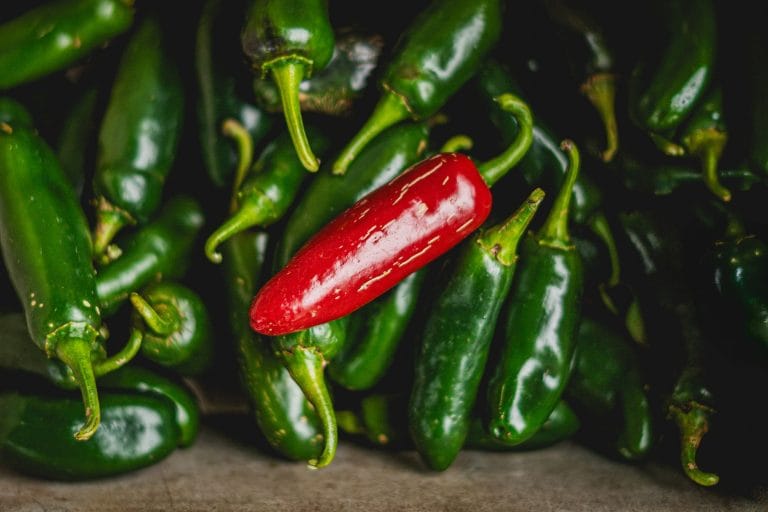
A small green pepper with a big personality, and a surprising amount of nutrition packed into every bite.
Jalapeños get a lot of attention for the heat they bring to tacos, salsa, and nachos. What tends to go unnoticed is that this medium-sized chili carries real nutritional weight: vitamins, minerals, and a fiery compound called capsaicin that researchers keep circling back to. The pepper is native to Mexico, and while most of the studies focus on chilies as a broad family, the early signs are genuinely interesting.
None of this makes a jalapeño a cure for anything. But adding a little spice to your week may do more for you than just wake up a bland dinner. Here is what the science actually supports, plus the downsides worth keeping in mind.
Key Takeaways
– Jalapeños supply potassium along with vitamins B-complex, C, E, and K.
– Their capsaicin content is linked to weight loss, better heart function, and antimicrobial effects.
– Lab research suggests capsaicin may slow the growth of certain cancer cells, though human evidence is still thin.
– Enjoy them a few times a week in dips, poppers, or scattered over a meal.
– In large amounts they can trigger heartburn, worsen asthma, or cause an allergic reaction.
What Exactly Is a Jalapeño?
The name means “from Jalapa,” a nod to the capital of the Mexican state of Veracruz where the pepper was first grown. Most jalapeños are harvested and eaten while still green, but left on the plant they ripen into red, orange, or yellow. A mature pod runs about 5 to 10 centimeters long with a firm, rounded shape.
Botanically, it is a cultivar of Capsicum annuum, the same species that gives us bell peppers, cayenne, paprika, and serrano peppers. So when studies look at chilies in general, jalapeños are close cousins riding along in the data.
What’s Inside a Jalapeño
For such a small pepper, the nutrient list is respectable. A single raw jalapeño (about 14 grams) delivers a dose of vitamin C, and much of the pepper’s benefit is credited to that vitamin. Research even shows the antioxidant activity of jalapeños climbs as their vitamin C content rises.
Beyond that, you get B-complex vitamins that support cell growth, brain and nervous system function, and gut health, plus vitamins E and K that help maintain skin and support blood clotting. Potassium rounds out the mineral side. It is a lot of function for a garnish.
The Health Benefits Worth Knowing
A Little Help With Weight
 Save
SaveCapsaicin is the main capsaicinoid in jalapeños, and it does more than sting. It has been shown to encourage fat breakdown in cells and promote a feeling of fullness. In one trial, supplementing capsaicinoids for 12 weeks cut body fat by roughly 5.91 percent and fat mass by about 6.68 percent. A separate study of Chinese adults found that regular chili eaters were less likely to become overweight or obese. Vitamin C may lend a hand too, since it helps lower the free radical levels tied to abnormal fat storage.
Possible Anti-Cancer Activity
This is the part that is less settled. Dietary compounds like capsaicin appear to act on cancer-associated genes across several tumor stages, from initiation through to spread, and some researchers think it could one day complement chemotherapy drugs. Lab studies have shown capsaicin slowing the growth of skin, pancreatic, prostate, lung, liver, and colon cancer cells. That is promising in a dish, but a petri dish is not a person, and far more human research is needed before anyone should treat peppers as protection.
Support for the Bladder and Kidneys
Capsaicin may help regulate how often you need to urinate, and it has been studied for reducing urinary incontinence in people with unstable or overly sensitive bladders. Animal research also hints at a protective role for the kidneys, where capsaicin activates a receptor called TRPV1 that may guard against salt-driven kidney damage and high blood pressure.
Fighting Off Germs
 Save
SaveCapsaicin carries antibacterial, antifungal, and antiviral properties. Jalapeños are notably effective against Listeria monocytogenes, a stubborn foodborne bacterium that can survive even under refrigeration, an effect linked to plant compounds called capsianosides. In guinea pigs, capsaicin has also shown activity against certain viral infections, including herpes simplex.
A Boost for Your Heart
 Save
SaveHere is where jalapeños earn their keep beyond flavor. In genetically hypertensive rats, dietary capsaicin improved vasorelaxation, meaning blood vessels relaxed and widened, which brought blood pressure down. It also appears to support the function of the endothelium, the delicate lining inside your heart and blood vessels.
Direct human data on jalapeños specifically is limited, so this deserves a hedge. Still, their nutrient profile and the broader pepper research point toward anti-inflammatory effects that may lower heart disease risk. If your goal is better circulation, food is a safer first stop than pills. Anyone weighing a nitric oxide supplement to manage blood pressure will find that whole foods like peppers come with far less to worry about.
May Guard the Liver
There is early evidence that capsaicin can reduce liver damage. In mice, it lowered the activation of hepatic stellate cells, the cells responsible for the scarring known as liver fibrosis. It is one more line of research that keeps this pepper on scientists’ radar, even if the human picture is not yet clear.
Cooking With Jalapeños
 Save
SaveThe easy part is that jalapeños play well with almost everything. Fold them into a creamy dip, bake them into cheese-stuffed poppers, or slice them thin over eggs, tacos, and grain bowls. Pickled jalapeños keep for weeks and add a tangy kick to sandwiches.
To store fresh peppers, keep them dry and refrigerated, and use them within a week or so for the best snap. If you handle a lot of them, gloves are a smart move, because capsaicin lingers on your fingers long after the chopping is done.
When Jalapeños Bite Back
Spice has a limit, and your gut knows it. Eating large quantities can bring on heartburn, indigestion, or diarrhea. For some people, jalapeños trigger an allergic reaction, and the fumes or fine particles can aggravate asthma. Moderation is the whole game here, the same lesson that applies to eating too many carrots or overdoing any single food you love.
A few times a week is plenty for most people. If you have a sensitive stomach or a diagnosed condition, treat peppers the way you would other everyday produce that can cause trouble in large amounts and start small.
Frequently Asked Questions
Are red jalapeños hotter than green ones?
Red jalapeños are simply green ones left to ripen on the plant. They are often described as tasting a little sweeter, and by some accounts slightly hotter, though how they land is largely down to your own palate.
Can I eat jalapeños every day?
Many people tolerate a little daily heat without issue, but large or frequent amounts may cause digestive upset. Once or twice a week is a comfortable starting point unless a healthcare provider advises otherwise.
Does cooking destroy the benefits?
Cooking softens the texture and can mellow the burn, and heat may reduce some vitamin C. Much of the capsaicin, however, holds up well, so cooked jalapeños still carry plenty of value.
The Bottom Line
Jalapeños are a small food with an outsized résumé. The vitamin C, potassium, and capsaicin they carry have been linked to easier weight management, healthier blood vessels, stronger defenses against certain germs, and possibly some protection for the liver and kidneys. Much of that evidence comes from lab and animal work, so it is best read as encouraging rather than proven. Eaten in sensible amounts, jalapeños are a flavorful, low-cost way to make ordinary meals more interesting and quite possibly a bit better for you.
This article is for informational purposes only and is not a substitute for professional medical advice. Talk to a qualified healthcare provider before making changes to your diet, especially if you have a health condition or take medication.