
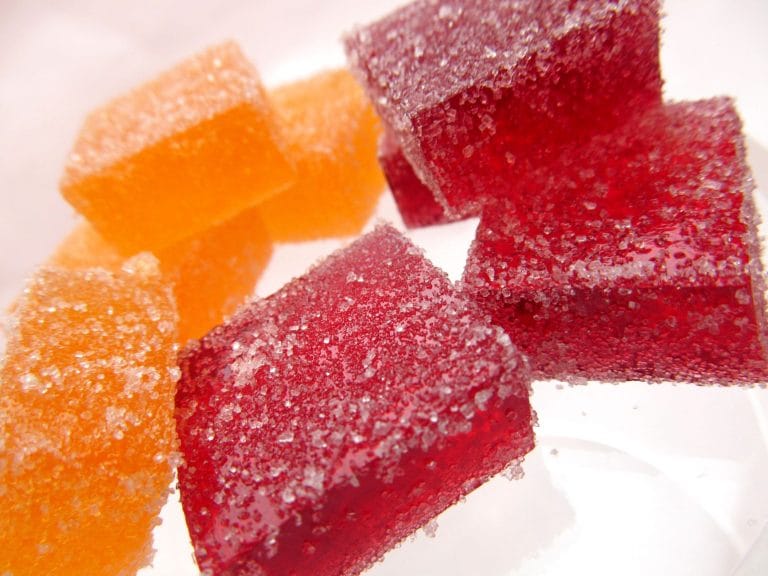
That jiggly, brightly colored dessert has a more complicated story than its wobble lets on.
Jello (or Jell-O, the Kraft trademark) is one of those foods almost everyone has eaten and almost no one has examined. It shows up on supermarket shelves as a ready-to-eat cup or a box of powder, it costs next to nothing, and because it’s fat-free, plenty of dieters treat it as a guilt-free treat. The wobble comes from gelatin, a protein pulled from animal collagen, and gelatin is where the interesting nutrition conversation actually lives.
So the honest answer to “is jello healthy” is: it depends on what you’re looking at. The gelatin has some genuine promise. The sugar, dyes, and artificial sweeteners layered on top of it are a different matter. Both things are true at once, and it’s worth separating them before you decide how often to keep jello in the fridge.
Key Takeaways
– Most of jello’s potential upside comes from gelatin, its collagen-based main ingredient.
– Gelatin has been linked to better bone density, less joint pain, and stronger feelings of fullness.
– A standard serving is high in sugar and offers little protein, fiber, or micronutrients.
– Artificial dyes, added sugar, and sweeteners like aspartame are the real drawbacks.
– Making it at home with real fruit juice sidesteps most of the concerns.
What the Numbers Actually Say
Half a cup of prepared jello gelatin (about 135 grams) lands at roughly 84 calories, 19 grams of carbohydrate, and 18 grams of sugar. That’s the headline: nearly all of those carbs are sugar. You also get 1.6 grams of protein, 101 mg of sodium, no fiber to speak of, and only trace amounts of potassium.
Read that profile a second time and the picture is clear enough. Jello is low in the things that make a food nourishing (fiber, vitamins, minerals) and high in the one thing most of us already eat too much of. Portion-controlled cups can be a convenient low-calorie option if you’re managing your weight, but “low-calorie” and “nutritious” aren’t the same word.
The Case for Gelatin
 Save
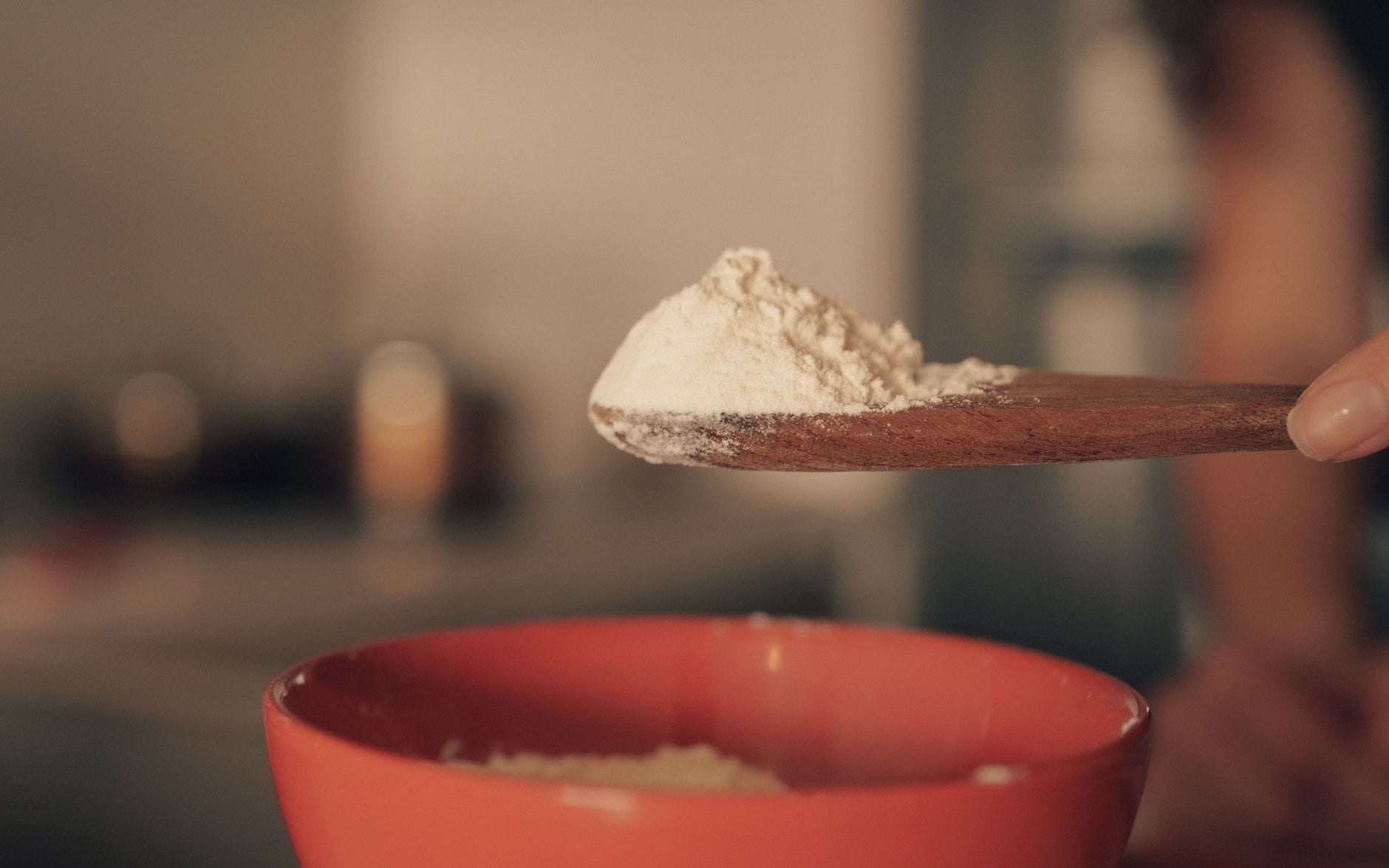
Here’s where jello earns a little credit. Gelatin is a flavorless, colorless gelling agent made from collagen, and collagen research has been reasonably active.
Stronger Bones and Calmer Joints
 Save
In one 12-month trial, postmenopausal women who took 5 grams of specific collagen peptides daily saw improvements in bone mineral density, with signs of more bone formation and less bone breakdown. Joints benefit too: athletes given collagen hydrolysate for 24 weeks reported less joint pain than those who weren’t. That hints the gelatin in jello could, in principle, support the tissue that cushions your joints. The catch is that these studies use concentrated collagen peptides, not dessert, so treat this as promising rather than proven for jello specifically.
A Fuller Feeling Between Meals
 Save
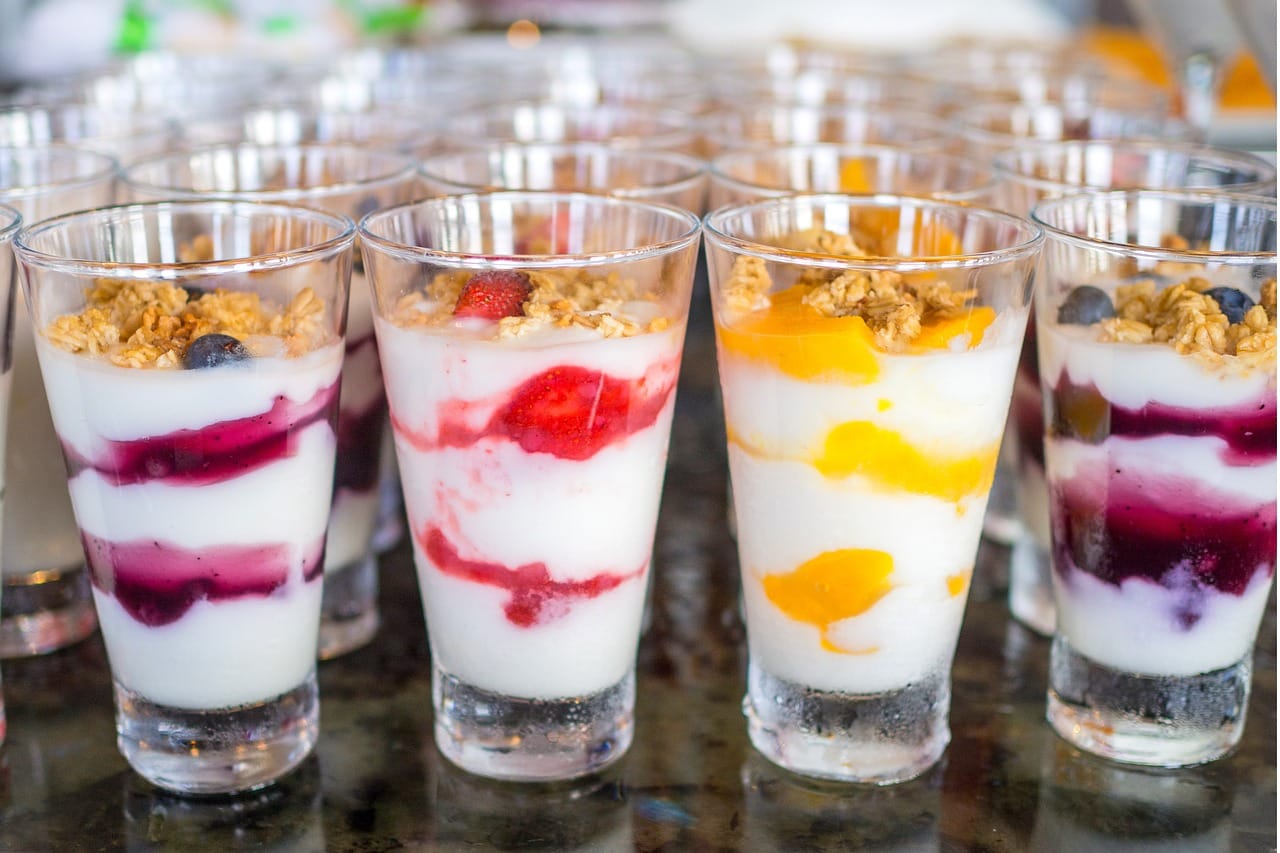
Gelatin also seems to blunt appetite. Research from Maastricht University found that gelatin intake increased appetite suppression and lowered how much energy people went on to eat, and a separate study reported stronger satiety in people with obesity after a gelatin-based meal. Feeling full sooner can mean less grazing later.
There’s a skin angle as well: oral collagen peptides have been associated with better skin moisture and elasticity and fewer visible signs of aging. As with the bone data, the evidence is thin and the collagen doses are far higher than what a cup of jello delivers.
The honest asterisk on all of this: the amount of collagen in a serving of jello is small. You’re unlikely to get supplement-level benefits from dessert alone.
Where Jello Falls Short
Christine VanDoren, a nutritionist, sums up the tension well. Regular jello, she notes, can aid digestion, ease joint pain, and support bone strength thanks to its gelatin, but it can also trigger bloating and heartburn in some people. Anyone who has never eaten gelatin before should go slowly, because gelatin allergies are real and reactions do happen.
The bigger issues are the extras. Added sugars have been tied to a higher risk of heart disease, obesity, diabetes, fatty liver disease, and cognitive decline. Reaching for the sugar-free box doesn’t automatically fix things, either. Aspartame, the sweetener most sugar-free jellos rely on, has been linked in lab research to inflammation and cell damage, and one Italian cancer research center reported possible carcinogenic effects. These sweeteners may also nudge your sugar cravings higher rather than lower.
Then there are the colors. A review in Environmental Health Perspectives noted that three dyes (Red 40, Yellow 5, and Yellow 6) make up about 90% of the food coloring used in the US, and that these dyes contain benzidine, a compound associated with increased cancer risk. Larger dye doses have also been connected to behavioral changes in some children, though the amounts vary a lot from brand to brand.
None of this means one cup will harm you. It means daily, high-volume jello habits are the thing to avoid.
Make a Cleaner Version at Home
 Save
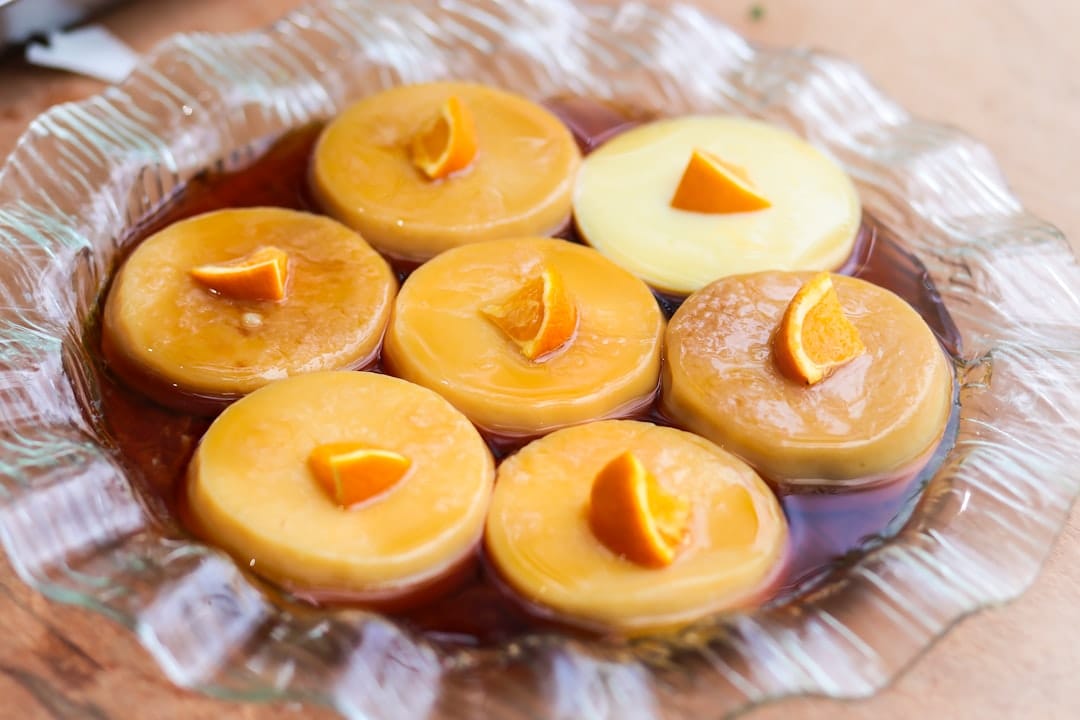
The good news is that you can keep the wobble and drop most of the baggage. Homemade jello takes real juice and plain gelatin, nothing else.
You’ll need:
– 2 cups apple juice
– 2 cups pomegranate juice
– 2 tablespoons unsweetened powdered gelatin
How to make it:
1. Pour 2 cups of juice (one cup of each) into a bowl.
2. Sprinkle the gelatin over the top and let it soften for five minutes.
3. Bring the remaining 2 cups of juice to a boil.
4. Pour the hot juice into the bowl and stir until the gelatin fully dissolves.
5. Transfer to a 9×12 pan and refrigerate until firm, usually several hours.
6. Cube it and serve plain or with a little whipped cream.
From there, improvise. Frozen raspberries, cranberries, or pomegranate seeds fold in beautifully, and swapping the juices lets you dial in whatever flavor you’re after. You control the sugar, and you skip the synthetic dyes entirely.
One note for vegetarians and vegans: gelatin is made from the boiled bones, skin, and connective tissue of cows and pigs, so traditional jello isn’t plant-based. If that’s a dealbreaker, agar (from seaweed) sets a similar texture without any animal ingredients.
Frequently Asked Questions
Is gelatin gluten-free?
Yes. Gelatin is a pure protein extracted from animal collagen and contains no wheat, barley, or rye, so plain gelatin is naturally gluten-free. Flavored jello mixes can include other additives, so check the label if you’re highly sensitive.
How long does homemade jello keep?
Store it covered in the refrigerator and eat it within a few days. Because homemade versions skip preservatives, keep them chilled and don’t leave them at room temperature for long stretches.
Can people with diabetes eat jello?
Regular jello is high in sugar and best avoided or strictly limited. Sugar-free versions cut the sugar but rely on artificial sweeteners with their own concerns. Anyone managing blood sugar should check with their doctor first.
The Bottom Line
Jello isn’t a health food, and it isn’t poison. Its gelatin brings a real, if modest, upside for bones, joints, and appetite, while its sugar, dyes, and sweeteners are the reasons to keep portions small and occasions occasional. If you love the texture, the smartest move is to make your own with real fruit juice and plain gelatin. You get the jiggle you came for and leave behind the additives you didn’t.
This article is for informational purposes only and is not a substitute for professional medical advice. Talk with your doctor or a registered dietitian before making changes to your diet, especially if you have diabetes, a gelatin allergy, or another health condition.