

The chickpea flour sitting in your pantry has centuries of skin care history behind it, and it costs almost nothing to try.
Ask anyone who grew up in India, Pakistan, or Bangladesh about home remedies for skin, and besan will come up within the first minute. Gram flour, milled from chickpeas, was the cleanser, scrub, and brightening mask of choice for generations of grandmothers long before drugstore shelves existed.
That reputation has held up surprisingly well. Besan is still a fixture in traditional skin care because it does a few things reliably: it lifts away dirt and excess oil without stripping the skin, it works as a gentle exfoliant, and with regular use it can leave the complexion looking more even and radiant (1). Mixed with the right partner ingredient, one humble flour covers a lot of ground.
Key Takeaways
– Besan (gram flour) has been used for centuries as a natural cleanser and mild exfoliant, and it removes excess oil without drying the skin out.
– Traditional use credits it with easing tan, dullness, blemishes, and uneven tone when applied regularly.
– The ingredient you mix it with matters: yogurt suits oily skin, while raw milk works better for dry skin.
– Most packs sit on the skin for 10 to 15 minutes and are used once to three times a week.
– These are gentle, gradual remedies, so consistency matters more than any single application.
What Besan Actually Does for Skin
Gram flour behaves like a very gentle physical cleanser. Anecdotal evidence suggests it has alkalizing properties that help maintain the skin’s pH, and its slightly grainy texture buffs away dead cells and trapped dirt as you rinse. The result tends to be skin that feels smoother and looks a little tighter and more toned.
What makes it stand out among kitchen remedies is balance. It absorbs excess sebum, yet it doesn’t leave skin parched the way stronger clays or soaps can (1). Traditional use also credits besan with mild bleaching properties, which is why it appears in so many de-tanning and brightening recipes. It is even said to aid in removing unwanted hair, though honestly that effect is minor at best.
Board-certified dermatologist Dr. Aanand Geria offers a simple rule of thumb: pair besan with yogurt if your skin is oily, and swap the yogurt for raw milk if your skin runs dry.
Five Packs to Match Your Skin
You don’t need all twenty-plus variations floating around. These five cover the most common concerns.
Besan and Turmeric for Dull Skin
 Save
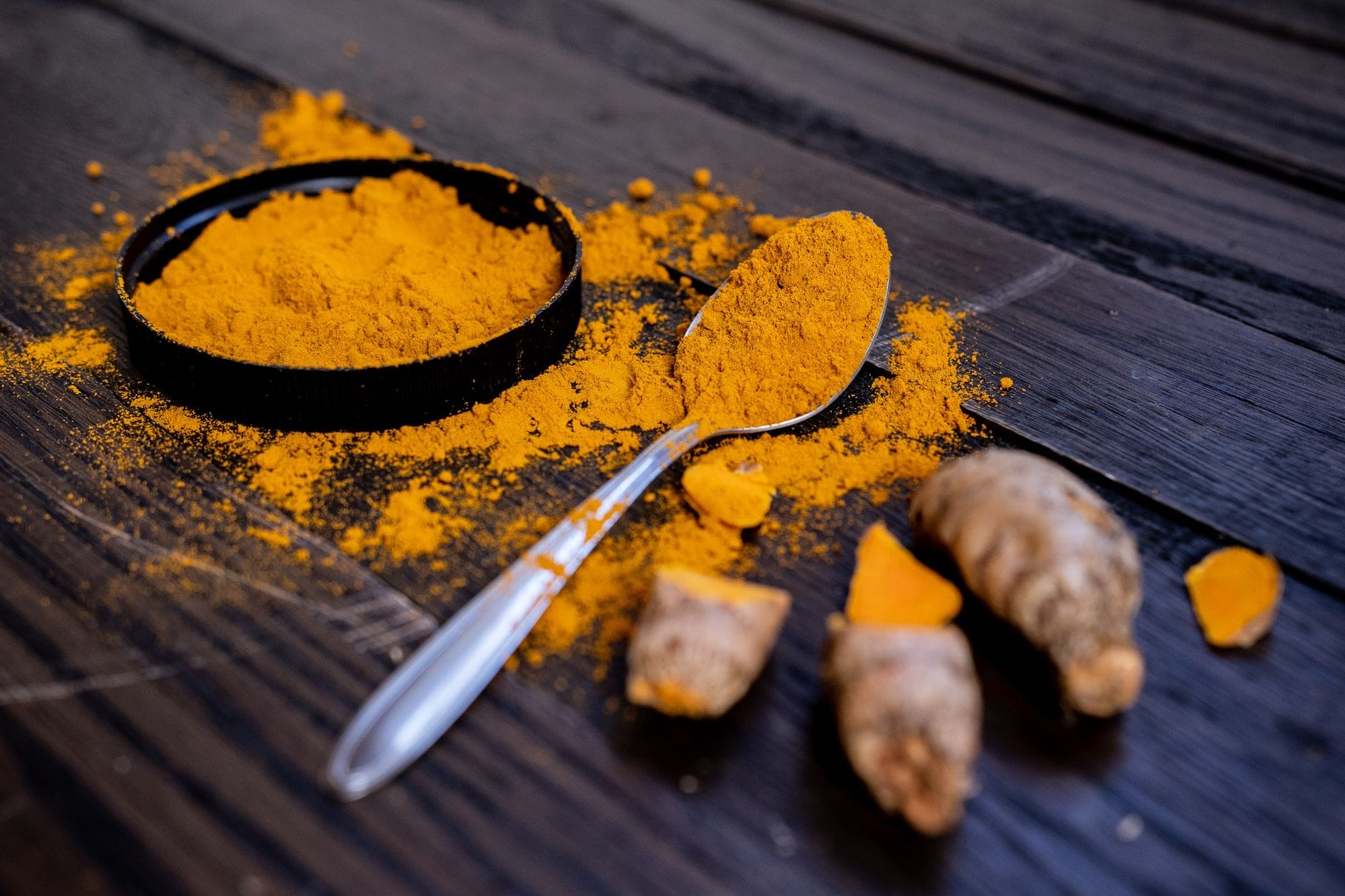
SaveMix 2 teaspoons of besan with a pinch of turmeric, then add rose water until you have a spreadable paste. Apply an even layer, let it dry naturally, and rinse after 10 to 15 minutes, twice a week.
Turmeric brings skin-brightening and antimicrobial properties to the mix, which also makes this pairing a sensible pick for acne-prone skin (3). Very dry skin? Stir in half a teaspoon of fresh cream or a little mashed avocado.
Aloe Vera and Besan After Sun Exposure
 Save
SaveCombine 1 teaspoon of besan with 1 teaspoon of aloe vera gel and apply for 10 minutes before rinsing. Use it two or three times a week.
Aloe is rich in vitamins, minerals, polysaccharides, and antioxidants that soothe and nourish stressed skin (2). This pack is a favorite for fading sun tan, calming sunburn, and softening dark spots and hyperpigmentation. It suits oily and combination skin especially well.
Curd and Besan for Everyday Cleansing
 Save
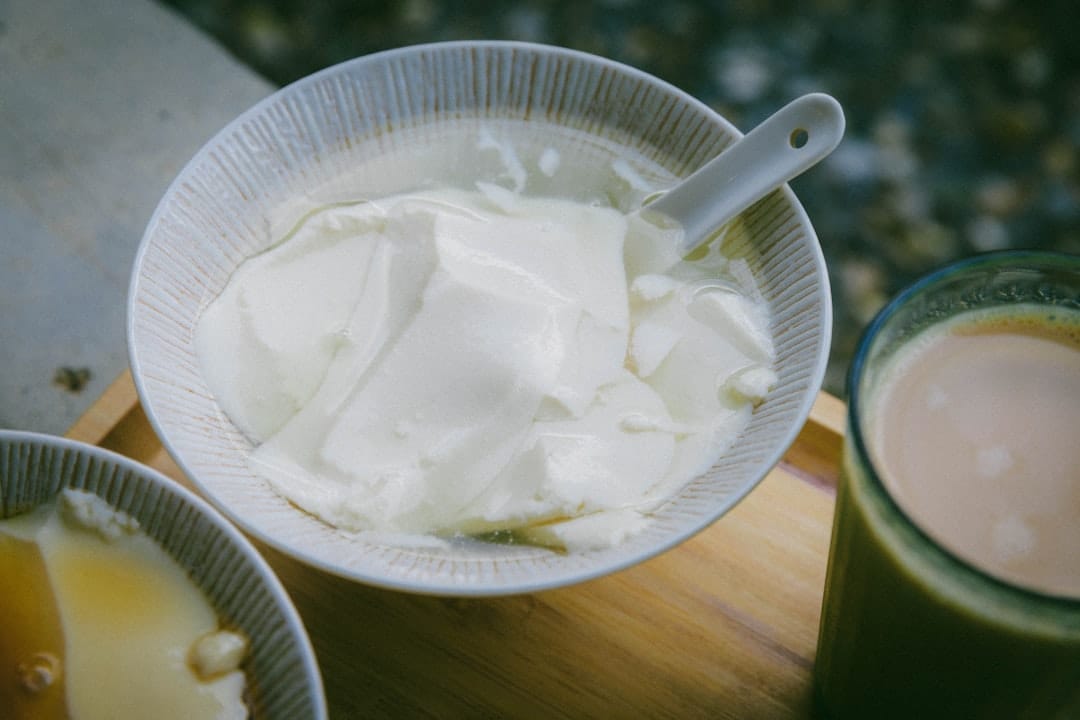
SaveBlend 2 tablespoons of gram flour with 1 to 2 teaspoons of curd into a smooth paste, leave it on for about 15 minutes, and wash off. Twice a week is plenty.
Yogurt earns its spot through lactic acid, which loosens dead skin cells and brightens the complexion, plus natural oils that keep skin moisturized. Its zinc content is a bonus for breakouts, and zinc appears in plenty of over-the-counter acne formulas for that reason (7). This one works for dry, normal, combination, and acne-prone skin alike.
Besan and Tomato for Tan and Dark Spots
Blend one small ripe tomato, stir the pulp into 2 tablespoons of besan, and rinse off after 10 to 12 minutes. Repeat two or three times a week.
The natural acids in tomato act as mild bleaching agents on tan and hyperpigmented patches, while its vitamin C supports smoother, firmer-looking skin. Tomato pulp also helps rebalance the skin’s pH and its sebum production, so any skin type can use it.
Multani Mitti and Besan for Oily Skin
 Save
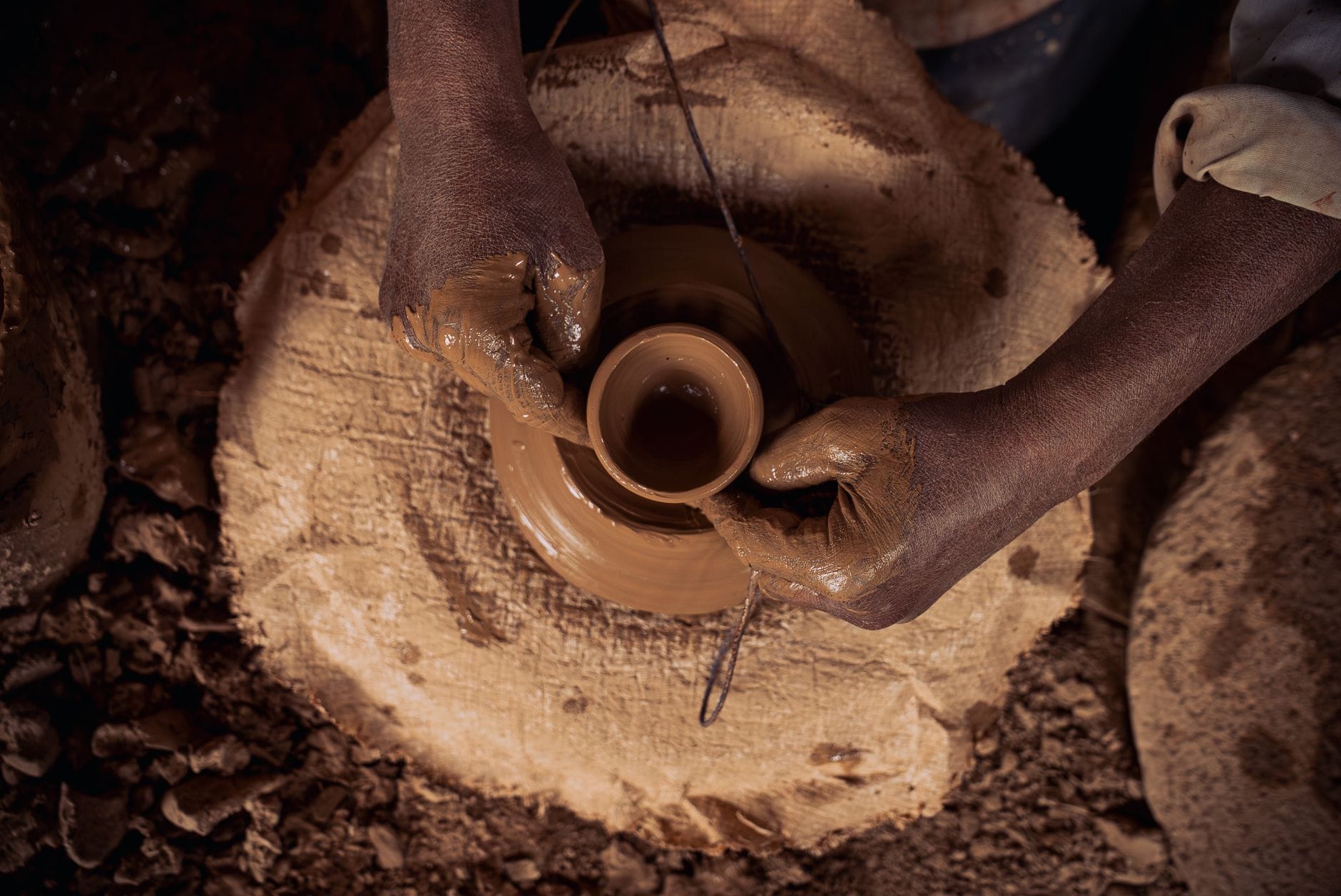
SaveMix 2 teaspoons of multani mitti (Fuller’s earth) with 1 teaspoon of besan, add rose water, and work out the lumps. Leave the pack on for 15 minutes, up to twice weekly.
This cosmetic clay pulls excess oil and impurities out of pores, cools the skin, and may improve circulation at the surface. Skip it if your skin is already dry.
A Few Ground Rules Before You Start
Home remedies reward patience, and a little caution keeps them pleasant.
Patch test any new pack on your inner arm first, especially recipes with turmeric or citrus.
Always mix a fresh batch. These pastes contain no preservatives and don’t keep.
Rinse with plain or lukewarm water and pat dry rather than scrubbing the pack off.
Stick to the suggested frequency. More often is not better with exfoliating ingredients.
Give it a few weeks. The brightening effects described in traditional use build gradually, not overnight.
One honest caveat: much of the evidence here is traditional and anecdotal rather than clinical, so treat these packs as gentle upkeep, not treatment for a persistent skin condition.
Frequently Asked Questions
Can I use a besan face pack every day?
It’s better not to. Because besan is mildly exfoliating, daily use can leave skin irritated. Most recipes work best once to three times a week, depending on the pack and your skin’s tolerance.
Which besan pack is best for glowing skin?
For oily skin, Dr. Geria recommends equal parts besan and yogurt. For dry skin, mix besan with raw milk instead. Both combinations cleanse gently while supporting a brighter, more even tone.
Does besan really remove tan?
Traditional use and its mild bleaching properties suggest it can help fade tan gradually, particularly when paired with tomato pulp or aloe vera. Expect slow, subtle improvement with regular use rather than a dramatic change.
The Bottom Line
Besan has stayed in skin care routines for centuries because it quietly does its job: cleansing, gently exfoliating, and absorbing excess oil without drying the skin. Pair it with turmeric for brightness, aloe for sun-stressed skin, curd for everyday balance, tomato for tan, or multani mitti for oiliness, and you have an affordable routine built entirely from the kitchen shelf. Used consistently and patch tested first, it remains one of the easiest home remedies to actually stick with.
This article is for informational purposes only and is not a substitute for professional medical advice, diagnosis, or treatment. Always consult a qualified dermatologist or healthcare provider before trying new skin care remedies, especially if you have a skin condition or allergies.